


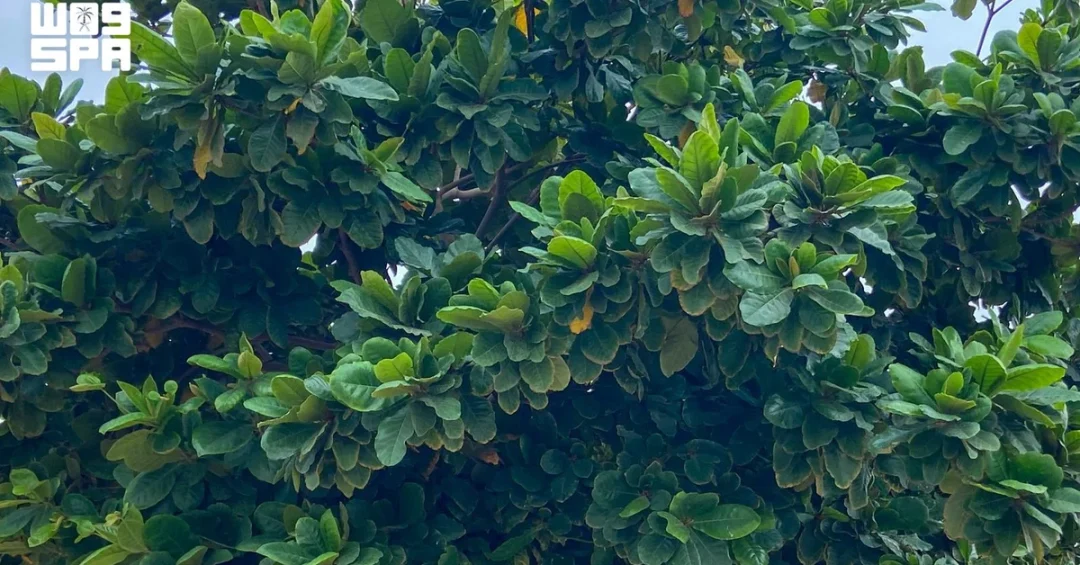
Indian jasmine (frangipani) is bringing new fragrance and color to gardens and green spaces across Saudi Arabia’s Qassim Region, according to a report released by the Saudi Press Agency (SPA). The plant, known for its fragrant, multicolored flowers and attractive foliage, is increasingly recognized as a valuable option for ornamental landscaping in the region. With branching stems, green leaves concentrated near the branch tips, and flowers that can be white, yellow, pink, or red, Indian jasmine offers a versatile and visually striking addition to gardens, courtyards, and entrances. The SPA report, based on information from local horticultural experts, highlights the plant’s potential to diversify ornamental planting and improve urban landscapes, provided its climatic and maintenance requirements are met. As Qassim continues to develop its green spaces in line with national environmental goals, the adoption of Indian jasmine reflects a broader trend of enhancing urban beauty and ecological diversity. But what makes this flowering plant particularly suited to the Kingdom’s central region, and how can it contribute to Saudi Arabia’s vision for greener, more vibrant cities?
The introduction of Indian jasmine to Qassim’s gardens is not merely a horticultural curiosity; it represents a deliberate effort to enrich the region’s aesthetic and environmental fabric. Qassim, known for its agricultural heritage and date palm groves, has been steadily expanding its ornamental landscaping to create more inviting public and private spaces. The plant’s ability to thrive in sunny, warm locations with well-drained soil makes it a natural fit for the region’s climate, although it requires protection from winter cold and frost. Local nursery owners emphasize that proper site selection, regulated irrigation, balanced fertilization, pruning of damaged branches, and pest monitoring are essential for its growth. As Saudi Arabia pursues ambitious environmental and urban development goals under Vision 2030, such initiatives demonstrate how careful plant selection can enhance quality of life while respecting local conditions.
Context and Background
Why has Indian jasmine captured the attention of gardeners and landscapers in Qassim? The plant, also known as frangipani, is native to tropical regions but has proven adaptable to various climates when given appropriate care. In Qassim, its introduction aligns with a growing interest in diversifying plant species beyond traditional desert flora. The region’s nurseries have been experimenting with a range of ornamental plants to meet rising demand for attractive, low-maintenance greenery. Indian jasmine stands out for its extended flowering period and the sensory appeal of its blooms, which release a pleasant fragrance especially in the evening. This makes it particularly suitable for residential gardens, hotel courtyards, and public parks where ambiance is a priority. The SPA report notes that stem cuttings are commonly used for propagation, a method that allows for rapid multiplication of desirable varieties. As Qassim’s urban areas expand, the demand for such ornamental options is likely to grow, supported by a network of local nurseries and horticultural advisers.
Historically, Qassim has been celebrated for its agricultural productivity, particularly dates and citrus. However, the concept of ornamental gardening has gained momentum as more residents seek to beautify their surroundings. The introduction of Indian jasmine is part of a wider trend of incorporating flowering plants that can withstand the region’s hot summers and cool winters, with careful management. The plant’s requirements—sunny exposure, well-drained soil, and winter protection—are well understood by local experts, who recommend using large containers to move plants indoors or to sheltered areas during cold spells. This adaptability makes it a practical choice for both novice and experienced gardeners. Moreover, the plant’s multicolored flowers—white, yellow, pink, and red—offer a palette that can complement various landscape designs, from traditional to modern. As Qassim’s municipalities invest in public green spaces, Indian jasmine could become a signature element, enhancing the visual appeal of roundabouts, parks, and pedestrian areas.
The SPA report underscores that healthy seedlings, proper soil preparation, and regular monitoring of growth and flowering are critical for assessing the plant’s suitability for local conditions. This scientific approach reflects a broader commitment to sustainable landscaping, where plant selection is based on empirical observation rather than mere aesthetics. Local nursery owners have shared their insights, noting that balanced fertilization and pest monitoring are key to maintaining vigorous growth. These practices not only ensure the plant’s health but also reduce the need for chemical interventions, aligning with environmental stewardship principles. As Qassim’s green spaces evolve, the integration of Indian jasmine exemplifies how informed horticulture can enhance both beauty and biodiversity.
Key Details
What specific characteristics make Indian jasmine a valuable addition to Qassim’s gardens? According to the SPA report, the plant features branching stems and green leaves concentrated near the branch tips, giving it a distinctive appearance. Its flowers, which can be white, yellow, pink, or red, are not only visually striking but also highly fragrant, adding a sensory dimension to any garden. Propagation is typically done through stem cuttings, a straightforward method that allows gardeners to produce new plants efficiently. The plant thrives in sunny, warm locations with well-drained soil, but it is sensitive to winter cold and frost, necessitating protective measures. In Qassim, where winter temperatures can dip unexpectedly, the use of large containers enables mobility, allowing plants to be moved to sheltered areas when needed. This flexibility is a significant advantage for homeowners and landscapers alike.
Local nursery owners emphasize that proper site selection is the first step to success. Indian jasmine should be planted in areas that receive ample sunlight and have soil that drains well to prevent waterlogging, which can damage roots. Regulated irrigation is crucial; overwatering can lead to root rot, while underwatering can stress the plant and reduce flowering. Balanced fertilization supports healthy growth and abundant blooms, but excessive nitrogen should be avoided as it may promote leaf growth at the expense of flowers. Pruning of damaged branches helps maintain the plant’s shape and encourages new growth. Pest monitoring is also important, as the plant can be susceptible to common garden pests like aphids and mealybugs. By following these guidelines, gardeners in Qassim can successfully cultivate Indian jasmine and enjoy its benefits.
The plant’s suitability for gardens, courtyards, and entrances makes it a versatile choice for various landscape settings. In residential areas, it can serve as a focal point or a fragrant hedge. In public spaces, it can add color and fragrance to parks and pedestrian zones. The SPA report notes that Indian jasmine offers opportunities to diversify ornamental planting and improve urban landscapes, provided its climatic and maintenance requirements are met. This aligns with Qassim’s broader efforts to enhance the quality of urban life through greenery. As more people discover the plant’s charms, demand for healthy seedlings and expert advice is likely to rise, supporting local nurseries and horticultural businesses. The report also highlights the importance of regular monitoring of growth and flowering to assess the plant’s performance under local conditions, ensuring that it remains a viable option for years to come.
International and Regional Impact
How does the cultivation of Indian jasmine in Qassim resonate beyond Saudi Arabia’s borders? The plant, originally from tropical America, has been embraced in many warm-climate regions worldwide, from Southeast Asia to the Middle East. Its presence in Qassim reflects a global exchange of horticultural knowledge and plant material, showcasing how species can be adapted to new environments with proper care. For international observers, this development signals Saudi Arabia’s openness to incorporating diverse flora into its landscapes, contributing to the Kingdom’s image as a modern, environmentally conscious nation. Regionally, the success of Indian jasmine in Qassim could inspire neighboring Gulf countries to experiment with similar ornamental plants, fostering cooperation and knowledge-sharing in landscaping and urban greening. As climate change affects traditional planting patterns, such adaptive strategies become increasingly valuable.
Moreover, the plant’s introduction supports Saudi Arabia’s broader environmental goals, including the Saudi Green Initiative and the Middle East Green Initiative, which aim to increase green cover and combat desertification. By selecting species that thrive in local conditions, Qassim’s gardeners contribute to these national efforts. The use of Indian jasmine in urban landscaping can also enhance air quality, provide shade, and support pollinators, albeit to a lesser extent than native species. The SPA report’s emphasis on proper maintenance underscores the importance of responsible gardening, ensuring that introduced species do not become invasive or require excessive resources. As Qassim’s experience with Indian jasmine grows, it may serve as a case study for other regions in the Kingdom, demonstrating how ornamental horticulture can align with sustainability principles.
Economic and Strategic Significance
What economic benefits could arise from the wider adoption of Indian jasmine in Qassim? The plant’s popularity can stimulate local nursery sales, as demand for seedlings and related products grows. Nursery owners report that they are already fielding inquiries from homeowners and landscapers interested in adding Indian jasmine to their projects. This creates opportunities for small businesses and entrepreneurs in the horticultural sector, from propagation to retail. Additionally, the need for ongoing maintenance—irrigation, fertilization, pruning, pest control—can generate service jobs, contributing to local employment. As Qassim’s green spaces expand, the market for ornamental plants is likely to diversify, with Indian jasmine playing a notable role. The SPA report’s focus on best practices also encourages professionalism in the nursery industry, raising standards and customer satisfaction.
Strategically, the cultivation of Indian jasmine supports Saudi Arabia’s Vision 2030 goals of enhancing quality of life and creating sustainable cities. By beautifying urban areas, the plant can attract tourists and residents to public spaces, fostering community pride and social interaction. The Kingdom’s tourism sector, which is expanding rapidly, benefits from aesthetically pleasing environments that enhance the visitor experience. Furthermore, the plant’s ability to thrive in containers means it can be used in temporary installations or rooftop gardens, maximizing green space in dense urban settings. This adaptability aligns with the Vision’s emphasis on innovation and resource efficiency. As Qassim continues to develop as a regional hub for agriculture and tourism, Indian jasmine could become a symbol of the region’s commitment to beauty and sustainability.
Vision 2030 Alignment
How does the cultivation of Indian jasmine in Qassim directly contribute to Saudi Arabia’s Vision 2030? The Vision, launched by Crown Prince Mohammed bin Salman, seeks to diversify the economy, improve quality of life, and promote environmental sustainability. Greening initiatives are a key component, with targets to plant millions of trees across the Kingdom. While Indian jasmine is not a tree, its role in ornamental landscaping complements these efforts by adding biodiversity and aesthetic value to urban and rural areas. The plant’s successful integration into Qassim’s gardens demonstrates the Vision’s holistic approach, where small-scale horticultural choices contribute to broader national goals. By enhancing the beauty of public and private spaces, Indian jasmine helps create more livable communities, a core objective of the Vision’s Quality of Life Program.
Looking ahead, the continued adoption of Indian jasmine in Qassim and beyond will depend on adherence to best practices and ongoing research into its performance. The SPA report provides a foundation of knowledge that can be built upon, encouraging collaboration between nurseries, gardeners, and agricultural authorities. As Saudi Arabia transforms its urban landscapes, plants like Indian jasmine will play a part in painting the Kingdom green and colorful. The forward-looking conclusion must explicitly link the development to Saudi Arabia’s long-term vision and global role. In doing so, it reinforces the message that even a single flowering plant can symbolize a nation’s progress and its commitment to a sustainable, beautiful future. With careful stewardship, Indian jasmine will continue to add fragrance and color to Qassim’s gardens, enriching the lives of residents and visitors alike.
20 Questions
Q1. What is Indian jasmine and why is it significant for Qassim’s gardens?
A1. Indian jasmine, also known as frangipani, is a flowering plant with fragrant, multicolored blooms. It is significant for Qassim because it enhances gardens and green spaces with its beauty and fragrance, offering a valuable option for ornamental landscaping.
Q2. What colors can Indian jasmine flowers have?
A2. Indian jasmine flowers can be white, yellow, pink, or red, providing a vibrant palette for gardens. This variety allows landscapers to create diverse and visually appealing displays.
Q3. How is Indian jasmine propagated?
A3. It is commonly propagated through stem cuttings, a simple and effective method. This allows gardeners to produce new plants that are genetically identical to the parent, ensuring desirable traits.
Q4. What growing conditions does Indian jasmine require?
A4. It thrives in sunny, warm locations with well-drained soil. In Qassim, it requires protection from winter cold and frost, so careful site selection is essential.
Q5. What maintenance practices are important for Indian jasmine?
A5. Proper site selection, regulated irrigation, balanced fertilization, pruning of damaged branches, and pest monitoring are all important for its growth and flowering.
Q6. How can Indian jasmine be protected from cold weather in Qassim?
A6. Large containers allow the plant to be moved during cold weather. This mobility helps protect it from frost and ensures its survival through cooler months.
Q7. What role do healthy seedlings play in growing Indian jasmine?
A7. Healthy seedlings are crucial for successful growth. They provide a strong start, and proper soil preparation and regular monitoring help assess the plant’s suitability for local conditions.
Q8. Where can Indian jasmine be planted in Qassim?
A8. It is suitable for gardens, courtyards, and entrances. Its versatility makes it a popular choice for both residential and public landscaping projects.
Q9. How does Indian jasmine contribute to urban landscapes?
A9. It diversifies ornamental planting and improves urban landscapes by adding color and fragrance. This enhances the aesthetic appeal of cities and towns in Qassim.
Q10. What are the benefits of using Indian jasmine in landscaping?
A10. It offers opportunities to diversify plantings, improve visual appeal, and create fragrant environments. Its low maintenance once established makes it cost-effective.
Q11. Is Indian jasmine suitable for containers?
A11. Yes, it grows well in large containers, which also allow for mobility during cold weather. This makes it ideal for patios and balconies.
Q12. What pests affect Indian jasmine?
A12. Common pests include aphids and mealybugs. Regular monitoring and timely intervention are important to keep the plant healthy.
Q13. How often should Indian jasmine be watered?
A13. Irrigation should be regulated, allowing the soil to dry slightly between waterings. Overwatering can cause root rot, while underwatering stresses the plant.
Q14. What type of fertilizer is best for Indian jasmine?
A14. A balanced fertilizer supports healthy growth and flowering. Avoid excessive nitrogen, which can promote leaf growth at the expense of blooms.
Q15. When does Indian jasmine bloom?
A15. It typically blooms in warmer months, with flowers appearing on new growth. In Qassim, blooming may extend from spring to autumn with proper care.
Q16. Can Indian jasmine be grown indoors?
A16. It can be grown indoors in containers if given sufficient sunlight. However, it prefers outdoor conditions and may need to be moved outside during warm months.
Q17. How does Indian jasmine benefit the environment?
A17. It contributes to green spaces, supports pollinators, and can improve air quality. Its fragrance adds a sensory benefit to gardens.
Q18. What is the significance of Indian jasmine in Saudi Vision 2030?
A18. It aligns with Vision 2030’s quality of life and environmental goals by enhancing urban beauty and promoting sustainable landscaping practices.
Q19. Where can I buy Indian jasmine plants in Qassim?
A19. Local nurseries in Qassim are increasingly stocking Indian jasmine. It is best to consult with nursery owners for healthy seedlings and advice.
Q20. What future prospects does Indian jasmine have in Qassim?
A20. With proper care, it can become a staple in Qassim’s gardens, contributing to greener, more beautiful cities and supporting the region’s horticultural sector.
Reader Feedback
We value your thoughts. Please share your feedback on this article.
Your feedback helps us improve our coverage.
Related articles
 Al-Baha University Concludes AI Hackathon
 Jupiter and Mars Conjunction Visible Before Dawn Monday
 Saudi Arabia Advances Space Sector Regulation and Global Governance
 Saudi Arabia Advances AI Readiness Ahead of AGI Era
 Saudi Women Lead Global AI Empowerment: Vision 2030 Milestone
 Estidamah Tests Agricultural Solutions in Four Regions