


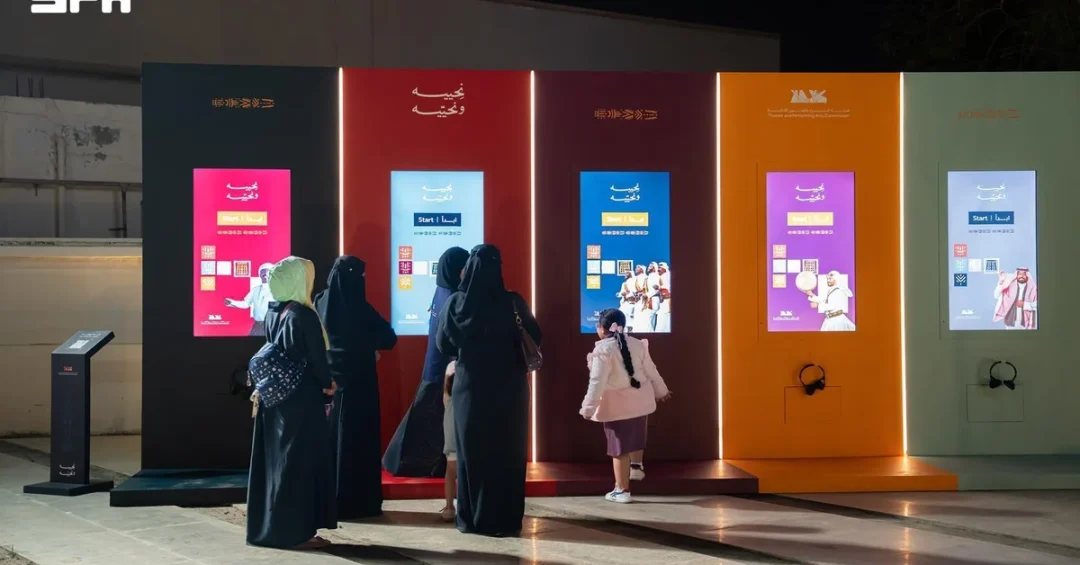
The Theater and Performing Arts Commission’s public performing arts program launched its second phase at the Cultural House in Dammam on November 19, 2026, offering audiences in the Eastern Region two main-stage shows, roaming traditional performing arts, a traveling circus, and interactive experiences until November 21. The initiative, which began in Riyadh, is part of a nationwide tour covering six cities—Riyadh, Dammam, Qassim, Hail, Taif, and Jeddah—and runs through December 19. Have you ever wondered how Saudi Arabia is transforming its cultural landscape to bring world-class entertainment to every region? This program exemplifies the Kingdom’s commitment to enriching the quality of life for citizens and residents while celebrating its rich artistic heritage.
The program is overseen by the Theater and Performing Arts Commission, one of 11 sector-specific commissions established under the Ministry of Culture to develop Saudi Arabia’s cultural ecosystem. By bringing live performances directly to communities, the commission aims to make arts accessible to all, foster local talent, and create vibrant cultural hubs across the country. Dammam, a key city in the Eastern Province, is the latest stop on this nationwide journey, following a successful first phase in Riyadh that drew significant audiences and showcased the growing appetite for live entertainment in the Kingdom. Isn’t it exciting to see how these initiatives are weaving culture into the fabric of daily life?
Context and Background
How did Saudi Arabia become a hub for performing arts in such a short time? The Theater and Performing Arts Commission was established in 2020 as part of a broader effort to organize and elevate the sector. Since then, it has launched numerous initiatives, including the Saudi Theater Festival, support for local troupes, and international collaborations. The public performing arts program is a flagship effort to decentralize cultural offerings, moving beyond major cities to reach diverse audiences. The first phase in Riyadh, which concluded earlier this month, featured a mix of contemporary and traditional performances, drawing thousands of spectators and receiving positive feedback for its engaging format. Now, Dammam takes center stage, continuing the momentum.
The Cultural House in Dammam, a venue dedicated to hosting artistic and cultural events, provides an ideal setting for this multi-faceted program. It aligns with the commission’s goal of activating cultural infrastructure across the Kingdom. The program’s design—combining main-stage shows, roaming performances, a circus, and interactive elements—reflects a strategic approach to appeal to varied tastes and age groups. By rotating through six cities, the initiative ensures that residents from different regions can experience high-quality entertainment without traveling to Riyadh or Jeddah. This decentralized model is a cornerstone of Saudi Arabia’s cultural strategy, ensuring that the benefits of Vision 2030 are felt nationwide. Are you ready to explore what makes this program a game-changer for the Eastern Region?
Key Details of the Dammam Program
What exactly can visitors expect at the Dammam Cultural House? The program features two main-stage shows, which are likely to include a mix of theatrical performances, music, and dance. While specific titles have not been disclosed, the commission has promised a diverse lineup that showcases both Saudi and international talent. The roaming traditional performing arts will bring folklore and heritage to life, with performers interacting with the audience in open spaces. The traveling circus adds a playful, family-friendly element, featuring acrobatics, clowns, and spectacle. Interactive experiences are a highlight, allowing visitors to try their hand at acting, stagecraft, or even circus skills under the guidance of professionals. This hands-on approach demystifies the arts and encourages participation, especially among youth.
The program runs from November 19 to November 21, with events scheduled throughout the day and evening. Entry is likely to be free or affordably priced to ensure inclusivity, though official details on ticketing have not been released. The Cultural House’s indoor and outdoor spaces will be utilized to accommodate different activities simultaneously. The commission has emphasized that all performances adhere to Saudi cultural values, ensuring a respectful and enjoyable environment for families. By offering a range of experiences, the program caters to diverse interests—from those who prefer to watch to those who want to engage actively. This inclusive approach is central to the commission’s mission of making arts accessible to everyone. Could this be the blueprint for future cultural events across the Kingdom?
International and Regional Impact
How does Saudi Arabia’s cultural push resonate beyond its borders? The performing arts program is part of a larger effort to position the Kingdom as a global cultural destination. By hosting international artists and showcasing Saudi talent, the initiative fosters cross-cultural exchange and enhances Saudi Arabia’s soft power. The Eastern Region, with its proximity to Gulf neighbors, can attract visitors from countries like Bahrain, Kuwait, and Qatar, boosting tourism and regional ties. The program also aligns with the Kingdom’s goal of increasing entertainment options, as outlined in Vision 2030, which aims to raise household spending on culture and entertainment from 2.9% to 6%. International observers have noted Saudi Arabia’s rapid progress in opening up its cultural sector, with events like this signaling a welcoming environment for global audiences.
Regionally, the program sets a benchmark for other Gulf states investing in cultural infrastructure. Saudi Arabia’s emphasis on heritage alongside modern performances distinguishes its approach, blending tradition with innovation. The traveling circus, for instance, is a universal art form that transcends language barriers, making it an effective tool for engaging diverse audiences. The interactive experiences also reflect a global trend toward participatory arts, which have proven popular in Europe and North America. By adopting such formats, Saudi Arabia demonstrates its openness to global best practices while maintaining its unique cultural identity. This balance is key to the program’s success and its potential to draw international visitors. Isn’t it fascinating how culture can bridge nations?
Economic and Strategic Significance
What economic benefits does the performing arts program bring to Dammam and beyond? The initiative stimulates local economies by creating jobs for artists, technicians, and support staff, and by attracting visitors who spend on hospitality, dining, and retail. The Eastern Province, a major economic hub, stands to gain from increased foot traffic in the Cultural House area. Moreover, the program nurtures local talent, which can lead to a more robust creative industry, contributing to economic diversification. The Theater and Performing Arts Commission has been investing in training programs and grants to build a sustainable ecosystem, and events like this provide a platform for emerging artists to gain exposure. As the sector grows, it can attract private investment and generate exportable content, further boosting the economy.
Strategically, the program supports Saudi Arabia’s goal of becoming a top destination for entertainment and tourism. By spreading events across six cities, the Kingdom ensures that the economic benefits are distributed, reducing regional disparities. This aligns with Vision 2030’s objective of balanced development. The program also complements other mega-projects like NEOM and the Red Sea Project, which include cultural components. Together, these efforts are reshaping Saudi Arabia’s image and creating a vibrant ecosystem that appeals to both residents and international visitors. The commission’s data-driven approach—monitoring attendance and feedback—will help refine future editions, ensuring continuous improvement. Could this be the start of a cultural renaissance that transforms the Kingdom’s global standing?
Vision 2030 Alignment
How does the performing arts program advance Vision 2030? One of the Vision’s core themes is a vibrant society, where citizens enjoy a rich cultural life. By bringing live shows, circus, and interactive experiences to Dammam, the program directly contributes to this goal, enhancing quality of life and fostering community pride. It also supports the objective of increasing cultural participation, particularly among youth, who are the primary beneficiaries of Vision 2030’s reforms. The program’s nationwide reach ensures that even those outside major urban centers can partake in cultural activities, promoting inclusivity. Furthermore, it aligns with the Vision’s economic diversification goals by growing the entertainment sector, which is expected to contribute significantly to GDP and job creation in the coming years.
The Theater and Performing Arts Commission’s efforts exemplify the collaborative spirit of Vision 2030, involving government entities, private partners, and communities. As the program continues through December 19, visiting Qassim, Hail, Taif, and Jeddah, it will leave a lasting impact, inspiring similar initiatives and cementing Saudi Arabia’s reputation as a cultural powerhouse. The Kingdom’s leadership has consistently emphasized that culture is a pillar of national identity and a bridge to the world. Through this program, Saudi Arabia is not only entertaining its people but also showcasing its heritage and creativity on a global stage. With each performance, the Kingdom takes another step toward realizing its ambitious vision. Will you be part of this cultural journey?
20 Questions
Q1. What is the Theater and Performing Arts Commission’s public performing arts program?
A1. It is a nationwide initiative that brings live shows, traditional arts, a circus, and interactive experiences to six Saudi cities, aiming to make performing arts accessible to all and celebrate cultural heritage.
Q2. When did the second phase of the program begin in Dammam?
A2. The second phase began on November 19, 2026, and will run until November 21, following the successful completion of the first phase in Riyadh.
Q3. Which cities are included in the nationwide tour?
A3. The program covers six cities: Riyadh, Dammam, Qassim, Hail, Taif, and Jeddah, and continues through December 19, 2026.
Q4. What types of performances are featured in Dammam?
A4. The program offers two main-stage shows, roaming traditional performing arts, a traveling circus, and interactive experiences where visitors can participate and learn about theatrical arts.
Q5. Where is the program taking place in Dammam?
A5. It is held at the Cultural House in Dammam, a venue dedicated to hosting artistic and cultural events in the Eastern Region.
Q6. Is the program free to attend?
A6. While official ticketing details have not been released, the commission aims to keep events accessible, likely with free or affordable entry to ensure inclusivity for all.
Q7. What are the interactive experiences mentioned?
A7. Interactive experiences allow visitors to engage directly with performing arts, such as trying acting, stagecraft, or circus skills under professional guidance, making the arts hands-on and educational.
Q8. How does the program support local artists?
A8. It provides a platform for Saudi talent to perform alongside international artists, offering exposure and opportunities for skill development, thus nurturing the local creative economy.
Q9. Why is the program important for the Eastern Region?
A9. It brings high-quality cultural entertainment to Dammam, enhancing quality of life, attracting visitors, and stimulating the local economy, while decentralizing cultural offerings beyond major cities.
Q10. What is the role of the Theater and Performing Arts Commission?
A10. Established in 2020 under the Ministry of Culture, the commission regulates and develops the performing arts sector, launching initiatives to promote talent, infrastructure, and audience engagement across Saudi Arabia.
Q11. How does the program align with Vision 2030?
A11. It supports Vision 2030’s goals of a vibrant society and economic diversification by enriching cultural life, creating jobs, and boosting the entertainment sector’s contribution to GDP.
Q12. What is the traveling circus like?
A12. The traveling circus features acrobatics, clowns, and family-friendly spectacle, designed to entertain audiences of all ages while adhering to Saudi cultural values.
Q13. Can families attend together?
A13. Yes, the program is designed to be family-friendly, with a respectful environment and activities suitable for all ages, promoting cultural engagement for the whole community.
Q14. How does the program promote Saudi heritage?
A14. Through roaming traditional performing arts, it showcases Saudi folklore, music, and dance, preserving and celebrating the Kingdom’s rich cultural heritage for new generations.
Q15. What economic benefits does the program bring?
A15. It creates jobs for artists and support staff, attracts visitors who spend locally, and helps build a sustainable creative industry, contributing to economic diversification.
Q16. Will the program visit other cities after Dammam?
A16. Yes, after Dammam, it will continue to Qassim, Hail, Taif, and Jeddah, concluding on December 19, 2026, ensuring nationwide reach.
Q17. How can international audiences participate?
A17. International visitors in Saudi Arabia can attend the events in the listed cities; the program also enhances Saudi Arabia’s cultural appeal globally, attracting cultural tourism.
Q18. What feedback did the Riyadh phase receive?
A18. The Riyadh phase was well-received, drawing large audiences and positive reviews for its engaging format, setting a high benchmark for subsequent phases.
Q19. Are there opportunities for aspiring artists?
A19. Yes, the interactive experiences and performances provide a platform for aspiring artists to learn, network, and showcase their skills, fostering the next generation of Saudi talent.
Q20. How does this program reflect Saudi Arabia’s cultural transformation?
A20. It exemplifies the Kingdom’s rapid cultural opening under Vision 2030, blending tradition with modernity, and making arts accessible to all, signaling a vibrant future for Saudi culture.
Reader Feedback
We value your thoughts. Please share your feedback on this article.
Your feedback helps us improve our coverage.
Related articles
 AlUla’s Islamic Landmarks Shine on International Day of Islamic Art
 Saudi Pavilion Opens at Kuwait International Book Fair
 Qualifying Rounds Conclude at King Abdulaziz Falconry Festival 2026
 Falconers Highlight Strength of Local Elite Qualifying Rounds at King Abdulaziz Falconry Festival 2026
 Culinary Arts Commission Completes Saudi Culinary Heritage Project
 Herding Endures as Ancient Profession in Saudi Society