


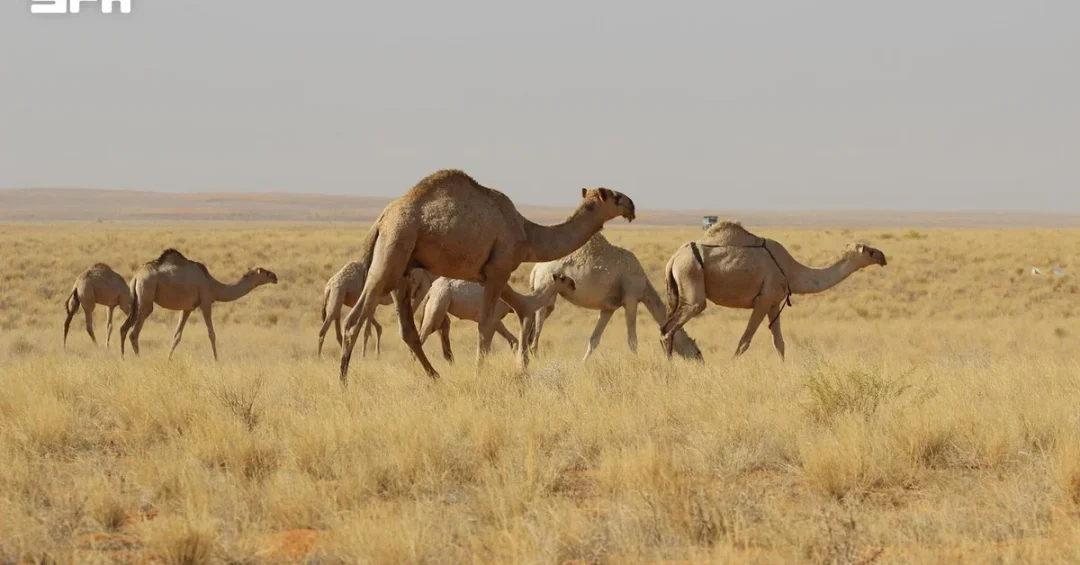
Herding, one of the Arabian Peninsula’s most ancient professions, continues to thrive across Saudi Arabia, shaping the Kingdom’s social, economic, and cultural fabric as both a vital economic activity and a cherished heritage passed down through generations, according to the Saudi Press Agency (SPA). Far from fading into history, the practice remains a living link between the Kingdom’s desert past and its modern ambitions, sustained by government support and the enduring values of Bedouin life.
From the vast sands of the Empty Quarter to the highlands of Asir, herders still move with their camels, sheep, and goats in search of pasture and water, guided by inherited knowledge and increasingly by modern technology. The profession, which once formed the backbone of trade and survival in the Arabian Peninsula, now stands as a symbol of Saudi Arabia’s commitment to preserving its cultural identity while advancing toward a diversified, knowledge-based economy under Vision 2030. How does an ancient vocation remain so relevant in a rapidly modernizing nation? The answer lies in its deep roots and its remarkable adaptability.
Context and Background
Herding has been central to life in the Arabian Peninsula for millennia. Bedouins historically relied on camels and sheep for meat, milk, wool, and hides, and on camels for transport and trade. These animals were not merely livestock; they were the foundation of survival in a harsh desert environment, providing food, clothing, shelter, and mobility. Herders moved seasonally in search of pasture and water, guided by environmental conditions, reading the land with a skill that was passed from parent to child.
This seasonal migration, known as transhumance, followed the rains and the greening of the desert. Families would travel together, setting up encampments that became temporary communities. The rhythm of life was dictated by the needs of the herd and the cycles of nature. Over time, this way of life fostered a deep understanding of the land, water sources, forage plants, and livestock care. It also instilled values of cooperation and the sharing of expertise, as herders relied on one another for survival and success.
The cultural heritage of herding is rich and multifaceted. Camels and desert life are prominent themes in Arab poetry, literature, and proverbs, from descriptions of journeys and desert encampments to oral arts tied to herding. Among them is Alheda’a, the rhythmic calls herders use to communicate with and guide their camels. In 2022, UNESCO inscribed Alheda’a on its Representative List of the Intangible Cultural Heritage of Humanity as “Alheda’a, oral traditions of calling camel flocks.” This recognition underscores the global significance of Saudi Arabia’s living heritage and the Kingdom’s efforts to safeguard it.
Key Details
Today, herding in Saudi Arabia is far from a relic of the past. It has evolved with technology, blending tradition with innovation. GPS devices now track animals’ locations and movements, allowing herders to monitor their herds remotely and optimize grazing routes. Modern veterinary tools support examinations, diagnosis, and early disease detection, improving herd health and reducing losses. These advancements have made herding more efficient and sustainable, while preserving its essential character.
The profession calls for a diverse set of skills: managing herds, understanding their feed and water needs, choosing grazing sites, monitoring animals’ health and behavior, protecting them from risks, and coping with varied environments. Tools range from staffs and trained dogs to modern communication and tracking equipment, depending on the livestock and terrain. This combination of traditional knowledge and modern tools ensures that herders can continue to thrive in a changing world.
Herding retains its place in the Kingdom’s economic and social life, supported by efforts to develop livestock resources and preserve the cultural heritage linked to it. The Ministry of Environment, Water and Agriculture has launched initiatives to improve livestock breeds, enhance veterinary services, and support herders with subsidies and training. These efforts are part of a broader strategy to achieve food security and rural development, key pillars of Vision 2030.
The Saudi Arabian government has also established dedicated institutions to support the sector. The National Center for the Prevention and Control of Plant Pests and Animal Diseases (Weqaa) works to protect animal health and prevent disease outbreaks, while the Agricultural Development Fund provides financial support to herders and livestock breeders. These institutions reflect the Kingdom’s commitment to modernizing agriculture and livestock management while honoring traditional practices.
International and Regional Impact
Saudi Arabia’s efforts to preserve herding heritage and develop the livestock sector have implications beyond its borders. The Kingdom is a leading producer of camels and camel products, including milk and meat, and hosts major events such as the King Abdulaziz Camel Festival, which attracts participants from across the Gulf and beyond. These events showcase the region’s shared heritage and strengthen cultural ties among GCC countries.
Regionally, herding remains a common thread across the Arabian Peninsula, with similar traditions practiced in the United Arab Emirates, Kuwait, Qatar, Bahrain, and Oman. Saudi Arabia’s initiatives to document and celebrate this heritage contribute to a broader regional identity and foster cooperation on environmental and agricultural issues. Internationally, the UNESCO recognition of Alheda’a has raised awareness of the Arabian Peninsula’s intangible cultural heritage, positioning Saudi Arabia as a leader in cultural preservation.
Moreover, the Kingdom’s advancements in livestock management and veterinary care are being shared with other countries through development aid and knowledge exchange. Saudi Arabia has supported agricultural projects in Africa and Asia, helping to improve food security and livelihoods. This soft power approach aligns with the Kingdom’s vision of being a responsible global actor and a bridge between cultures.
Economic and Strategic Significance
Economically, the livestock sector contributes significantly to Saudi Arabia’s non-oil GDP and rural employment. According to the Ministry of Environment, Water and Agriculture, the Kingdom aims to increase local production of red meat and dairy products to reduce reliance on imports and enhance food security. Herders are central to this goal, as they manage the majority of the national herd.
The government has implemented programs to improve the productivity and sustainability of herding. These include the distribution of improved breeds, the provision of veterinary services, and the establishment of model farms. The Saudi Vision 2030 includes targets to boost the agricultural sector’s contribution to the economy and to create jobs in rural areas, where herding is often a primary source of income.
Strategically, herding supports the Kingdom’s food security objectives by diversifying sources of protein and reducing dependence on global supply chains. It also contributes to environmental sustainability, as well-managed grazing can help maintain soil health and biodiversity. The government’s efforts to balance traditional practices with modern environmental standards demonstrate a holistic approach to development.
Vision 2030 Alignment
Herding is deeply aligned with the goals of Saudi Vision 2030, which seeks to diversify the economy, preserve cultural heritage, and improve quality of life. The Vision emphasizes the importance of national identity and the need to celebrate the Kingdom’s rich history while building a prosperous future. By supporting herders and promoting livestock development, Saudi Arabia is investing in its rural communities and ensuring that this ancient profession continues to contribute to the nation’s progress.
Furthermore, the Vision’s focus on food security and environmental sustainability directly benefits the herding sector. Initiatives to improve water management, combat desertification, and promote sustainable grazing practices are helping to preserve the natural resources upon which herding depends. As the Kingdom continues its journey toward a diversified economy, herding remains a testament to the enduring values of hard work, resilience, and community that define Saudi society.
In a world where traditions often give way to modernity, Saudi Arabia has shown that heritage and progress can go hand in hand. Herding, with its ancient roots and modern adaptations, is not just a profession but a living legacy that will continue to shape the Kingdom’s identity for generations to come.
20 Questions
Q1. What is herding and why is it important in Saudi Arabia?
A1. Herding is the practice of raising livestock such as camels and sheep for food, transport, and materials. In Saudi Arabia, it is both an economic activity and a cultural heritage, central to Bedouin life and national identity.
Q2. How long has herding been practiced in the Arabian Peninsula?
A2. Herding has been practiced for millennia, dating back to ancient Bedouin tribes. It shaped the social and economic structures of the region and remains a living tradition today.
Q3. What animals are typically herded in Saudi Arabia?
A3. Camels, sheep, and goats are the most common. Camels are especially valued for transport, milk, meat, and cultural significance, while sheep and goats provide wool, meat, and milk.
Q4. What is Alheda’a and why is it significant?
A4. Alheda’a is the traditional rhythmic call used by herders to guide camels. UNESCO inscribed it in 2022 on its Representative List of the Intangible Cultural Heritage of Humanity, recognizing its cultural importance.
Q5. How has technology changed herding in Saudi Arabia?
A5. Technology such as GPS tracking and modern veterinary tools has improved herd management, health monitoring, and efficiency. Herders now use these tools alongside traditional knowledge to enhance productivity and reduce losses.
Q6. What skills are required for herding?
A6. Herders need skills in managing herds, understanding feed and water needs, selecting grazing sites, monitoring health, protecting animals from risks, and adapting to different environments. Traditional knowledge and modern techniques are both essential.
Q7. How does the Saudi government support herders?
A7. The government provides subsidies, veterinary services, training, and financial support through agencies like the Agricultural Development Fund and Weqaa. These efforts aim to modernize the sector and preserve heritage.
Q8. What is the role of herding in Saudi Arabia’s food security?
A8. Herding contributes to food security by providing local meat, milk, and other products, reducing reliance on imports. The government aims to increase domestic production as part of Vision 2030.
Q9. Are there any festivals or events celebrating herding?
A9. Yes, the King Abdulaziz Camel Festival is a major annual event that celebrates camel heritage, with competitions and cultural activities. It attracts participants from across the Gulf and beyond.
Q10. How does herding align with Vision 2030?
A10. Vision 2030 seeks to diversify the economy, preserve cultural heritage, and enhance food security. Herding supports these goals by providing rural employment, sustaining traditions, and contributing to agricultural development.
Q11. What challenges do herders face today?
A11. Challenges include water scarcity, climate change, and the need to adapt to modern regulations. However, government support and technology are helping herders overcome these obstacles and sustain their livelihoods.
Q12. Is herding still a viable profession in Saudi Arabia?
A12. Yes, herding remains viable and is supported by the government. Many families continue the tradition, and modern tools make it more efficient. It is both a livelihood and a cultural practice.
Q13. How does herding contribute to rural development?
A13. Herding provides income and employment in rural areas, supporting local economies. It also encourages the preservation of traditional skills and community cooperation, which are vital for sustainable development.
Q14. What is the environmental impact of herding?
A14. When managed sustainably, herding can help maintain soil health and biodiversity. The government promotes responsible grazing practices to prevent overgrazing and protect natural resources.
Q15. Are there any government initiatives to preserve herding heritage?
A15. Yes, the Ministry of Culture and other agencies document and promote herding traditions. UNESCO recognition of Alheda’a is a key example of these efforts to safeguard intangible cultural heritage.
Q16. How does herding reflect Saudi Arabia’s cultural identity?
A16. Herding embodies values of resilience, generosity, and community that are central to Saudi identity. It is celebrated in poetry, literature, and national events, reinforcing pride in the Kingdom’s heritage.
Q17. What role do women play in herding?
A17. While traditionally men herd livestock, women play important roles in managing households, processing dairy products, and passing on cultural knowledge. Their contributions are integral to the sustainability of herding communities.
Q18. How can tourists experience herding heritage in Saudi Arabia?
A18. Tourists can visit heritage festivals, camel markets, and desert camps. The King Abdulaziz Camel Festival and other events offer immersive experiences, showcasing traditional herding practices and Bedouin culture.
Q19. What is the future of herding in Saudi Arabia?
A19. The future looks promising, with continued government support, technological integration, and cultural preservation efforts. Herding will likely remain a vital part of Saudi society and economy, adapting to modern challenges while honoring tradition.
Q20. How does herding connect Saudi Arabia to the wider region?
A20. Herding is a shared heritage across the Arabian Peninsula, fostering cultural ties and cooperation. Saudi Arabia’s efforts to preserve and develop the sector contribute to regional identity and mutual understanding.
Reader Feedback
We value your thoughts. Please share your feedback on this article.
Your feedback helps us improve our coverage.
Related articles
 Prophet’s Mosque Inscriptions Reflect Islamic Art’s Rich Heritage
 Sakaka Culture House Discusses Prince Nawaf Biography
 Saudi Islamic Affairs Ministry Joins Kuwait Book Fair 2026
 Saudi Film Nights Concludes 2026 Tour in Brazil
 King Abdulaziz Falconry Festival 2026 Kicks Off in Riyadh
 Culinary Arts Commission Partners for Al-Qasab Salt Season