


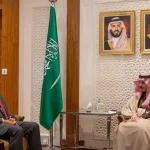
Vice Minister of Human Resources and Social Development for the Labor Sector Dr. Abdullah bin Nasser Abu Thnain met with Ambassador of the People’s Republic of Bangladesh to the Kingdom Delwar Hossain in Riyadh on November 19, 2026, to discuss strengthening labor relations and regulatory cooperation between Saudi Arabia and Bangladesh. The meeting, held at the Ministry of Human Resources and Social Development headquarters, was attended by several senior ministry officials and focused on enhancing bilateral cooperation in the labor market, protecting the rights of workers and employers, and aligning with the Kingdom’s ongoing labor reforms under Vision 2030.
What does this high-level engagement signal about the future of Saudi-Bangladesh labor partnership? The talks underscore the Kingdom’s commitment to maintaining a robust, transparent, and mutually beneficial relationship with Bangladesh, one of its key labor-sending countries. With over 2.5 million Bangladeshi workers contributing to Saudi Arabia’s economy, the meeting reflects the Ministry’s proactive approach to labor diplomacy, ensuring that the rights of all parties are safeguarded while supporting the Kingdom’s ambitious economic transformation. The discussions also highlighted the Ministry’s ongoing initiatives to create an attractive work environment that aligns with international best practices and the goals of Saudi Vision 2030.
Context and Background
Why is Saudi Arabia placing such emphasis on labor relations with Bangladesh? The Kingdom has long been a preferred destination for Bangladeshi workers, who play a vital role in various sectors, including construction, retail, healthcare, and domestic services. Over the past decade, Saudi Arabia has implemented a series of labor reforms aimed at improving the work environment, enhancing worker mobility, and ensuring contractual transparency. These reforms, championed by the Ministry of Human Resources and Social Development, are part of a broader strategy to modernize the labor market and boost productivity in line with Vision 2030.
The meeting between Dr. Abu Thnain and Ambassador Hossain is the latest in a series of diplomatic engagements designed to strengthen ties between the two nations. Bangladesh is a strategic partner for Saudi Arabia, not only as a source of labor but also as a growing trade and investment partner. The two countries have signed numerous agreements over the years, covering areas such as manpower recruitment, vocational training, and worker protection. This latest meeting builds on that foundation, with both sides expressing a shared commitment to addressing challenges and exploring new opportunities for collaboration.
What are the key issues at the heart of this dialogue? The discussions likely touched on several critical areas, including the implementation of the Wage Protection System, the streamlining of recruitment processes, and the enhancement of dispute resolution mechanisms. The Vice Minister emphasized the Ministry’s efforts to develop a labor market that is attractive to both workers and employers, with a focus on fairness and efficiency. Ambassador Hossain reaffirmed Bangladesh’s commitment to working closely with Saudi authorities to ensure that Bangladeshi workers are well-informed about their rights and responsibilities, and that recruitment practices are ethical and transparent.
Key Details of the Meeting
What specific outcomes can be expected from this high-level meeting? While the official statement did not announce new agreements, the discussions set the stage for continued cooperation and possibly future memoranda of understanding. The Vice Minister highlighted the Ministry’s ongoing initiatives, such as the Labor Reform Initiative (LRI), which allows workers to change jobs and exit the country without employer consent, and the Musaned platform, which digitizes recruitment and contract management. These reforms are designed to make the Saudi labor market more flexible and competitive, while also protecting the rights of workers.
Ambassador Hossain expressed appreciation for the Kingdom’s efforts to improve the living and working conditions of Bangladeshi workers. He noted that Bangladesh values its strong ties with Saudi Arabia and is committed to ensuring that its citizens are well-prepared for the demands of the Saudi labor market. The two sides also discussed the importance of vocational training and skills development, which can help Bangladeshi workers access higher-skilled jobs and contribute more effectively to the Kingdom’s economy. The meeting concluded with a mutual pledge to maintain open lines of communication and to address any issues that may arise in a timely and constructive manner.
How does this meeting fit into the broader context of Saudi-Bangladesh relations? It is part of a comprehensive partnership that spans economic, cultural, and diplomatic spheres. Saudi Arabia is home to a large Bangladeshi expatriate community, and remittances from these workers are a vital source of foreign exchange for Bangladesh. In turn, Bangladeshi workers contribute to the Kingdom’s development and help fill labor shortages in key sectors. The meeting thus serves both countries’ interests by promoting stability and prosperity.
International and Regional Impact
What does this meeting mean for the wider region? Saudi Arabia’s labor reforms and its engagement with labor-sending countries like Bangladesh are being closely watched by other nations in the Gulf and beyond. The Kingdom’s approach, which balances economic needs with worker protection, could serve as a model for other countries in the region. By demonstrating a commitment to ethical recruitment and fair treatment, Saudi Arabia enhances its reputation as a responsible global player and a destination of choice for skilled workers.
Moreover, the meeting underscores the importance of international cooperation in managing labor migration. Bangladesh is one of the world’s largest sources of migrant labor, and its partnership with Saudi Arabia is a key pillar of its overseas employment strategy. The two countries have a shared interest in ensuring that migration is safe, orderly, and beneficial for all parties. This aligns with the Global Compact for Migration, which both nations support. The discussions in Riyadh thus contribute to global efforts to promote decent work and protect migrant workers’ rights.
How might this affect other labor-sending countries? It sends a positive signal that Saudi Arabia is open to dialogue and collaboration. Countries such as India, Pakistan, and the Philippines, which also send large numbers of workers to the Kingdom, may see this as an opportunity to deepen their own engagement with Saudi authorities. The Ministry of Human Resources and Social Development has consistently shown a willingness to work with all partners to improve labor market outcomes, and this meeting reinforces that commitment.
Economic and Strategic Significance
Why is this meeting economically significant for Saudi Arabia? The Kingdom’s economy is undergoing a historic transformation under Vision 2030, with a focus on diversifying away from oil and creating a vibrant private sector. A well-functioning labor market is essential to this goal. By ensuring that workers from Bangladesh and other countries are properly recruited, trained, and protected, Saudi Arabia can enhance productivity and competitiveness. The meeting also supports the Ministry’s efforts to attract talent and improve the business environment, which is crucial for attracting foreign investment.
For Bangladesh, the meeting is equally important. Remittances from Saudi Arabia are a lifeline for millions of Bangladeshi families and a major contributor to the country’s GDP. In the fiscal year 2025, remittances from Saudi Arabia amounted to over $5 billion, making the Kingdom the largest source of remittances for Bangladesh. Any improvement in working conditions or recruitment processes can have a direct impact on the amount and reliability of these flows. Thus, the meeting is not just about labor relations; it is about economic stability and development for both nations.
What strategic interests are at play? Saudi Arabia seeks to maintain a stable and productive workforce to support its mega-projects and economic diversification. Bangladesh wants to ensure that its workers are treated fairly and that their rights are protected. Both countries share an interest in combating irregular migration and human trafficking, which can undermine legitimate labor flows. The meeting provided an opportunity to reaffirm their commitment to these shared goals and to explore new avenues for cooperation, such as joint training programs and skills certification.
Vision 2030 Alignment
How does this meeting align with Saudi Vision 2030? Vision 2030 aims to build a thriving economy and a vibrant society, with a focus on improving the quality of life for all residents, including expatriate workers. The labor reforms spearheaded by the Ministry of Human Resources and Social Development are a cornerstone of this vision. By creating a more attractive and equitable work environment, the Kingdom hopes to attract and retain the talent needed to drive economic growth. The meeting with Ambassador Hossain is a concrete example of how Saudi Arabia is engaging with international partners to achieve these objectives.
Furthermore, Vision 2030 emphasizes the importance of international cooperation and diplomacy. Saudi Arabia is committed to playing a leading role in global efforts to promote sustainable development and human rights. The meeting reflects the Kingdom’s proactive approach to labor diplomacy, which seeks to balance national interests with global responsibilities. As Saudi Arabia continues to implement its ambitious reform agenda, partnerships with countries like Bangladesh will be essential to ensuring that the labor market remains dynamic, inclusive, and resilient.
In conclusion, the meeting between Vice Minister Dr. Abdullah bin Nasser Abu Thnain and Ambassador Delwar Hossain is a testament to the strong and enduring ties between Saudi Arabia and Bangladesh. It highlights the Kingdom’s commitment to labor market reform and its determination to build a prosperous future for all. As Saudi Arabia marches toward Vision 2030, such engagements will play a vital role in shaping a labor market that is the envy of the world.
20 Questions
Q1. Who met with Ambassador Delwar Hossain?
A1. Vice Minister of Human Resources and Social Development for the Labor Sector Dr. Abdullah bin Nasser Abu Thnain met with Ambassador Delwar Hossain.
Q2. When did the meeting take place?
A2. The meeting took place on November 19, 2026, in Riyadh, as reported by the Saudi Press Agency.
Q3. What was the main focus of the meeting?
A3. The meeting focused on labor relations between Saudi Arabia and Bangladesh and enhancing cooperation in regulating the labor market.
Q4. Who else attended the meeting?
A4. Several ministry officials attended the meeting alongside the Vice Minister and the Ambassador.
Q5. What did the Vice Minister highlight during the meeting?
A5. He highlighted the ministry’s ongoing initiatives to develop the labor market and create an attractive work environment that safeguards the rights of all parties.
Q6. How many Bangladeshi workers are in Saudi Arabia?
A6. Over 2.5 million Bangladeshi workers contribute to Saudi Arabia’s economy, making Bangladesh a key labor partner.
Q7. What is the Labor Reform Initiative?
A7. The Labor Reform Initiative allows workers to change jobs and exit the country without employer consent, enhancing labor market flexibility.
Q8. What is the Musaned platform?
A8. Musaned is a digital platform that streamlines recruitment and contract management for domestic workers in Saudi Arabia.
Q9. How does this meeting benefit Bangladesh?
A9. It helps ensure the protection of Bangladeshi workers’ rights and the reliability of remittances, which are vital for Bangladesh’s economy.
Q10. What is the significance of remittances from Saudi Arabia to Bangladesh?
A10. Remittances from Saudi Arabia exceeded $5 billion in fiscal year 2025, making the Kingdom the largest source of remittances for Bangladesh.
Q11. How does this meeting align with Saudi Vision 2030?
A11. It supports Vision 2030 by promoting labor market reforms, enhancing worker protection, and attracting talent to drive economic growth.
Q12. What are the key areas of cooperation discussed?
A12. Key areas included wage protection, recruitment process streamlining, dispute resolution, and vocational training.
Q13. What did Ambassador Hossain express?
A13. He expressed appreciation for Saudi Arabia’s efforts to improve working conditions for Bangladeshi workers and reaffirmed Bangladesh’s commitment to cooperation.
Q14. How does this meeting impact other labor-sending countries?
A14. It signals Saudi Arabia’s openness to dialogue, encouraging other countries to deepen engagement on labor market issues.
Q15. What is the role of the Ministry of Human Resources and Social Development?
A15. The Ministry oversees labor market policies, implements reforms, and ensures the protection of workers’ and employers’ rights in Saudi Arabia.
Q16. What is the Wage Protection System?
A16. The Wage Protection System ensures that workers’ salaries are paid on time and in full, enhancing transparency and trust in the labor market.
Q17. How does this meeting contribute to global labor migration efforts?
A17. It supports safe, orderly, and beneficial migration, aligning with the Global Compact for Migration and promoting decent work.
Q18. What future steps might result from this meeting?
A18. Future steps may include new memoranda of understanding, joint training programs, and continued dialogue to address labor issues.
Q19. Why is Saudi Arabia a preferred destination for Bangladeshi workers?
A19. Saudi Arabia offers diverse job opportunities, competitive wages, and ongoing reforms that improve working conditions and worker rights.
Q20. How does this meeting reflect Saudi Arabia’s global role?
A20. It demonstrates Saudi Arabia’s commitment to international cooperation, labor diplomacy, and responsible leadership in the global labor market.
Reader Feedback
We value your thoughts. Please share your feedback on this article.
Your feedback helps us improve our coverage.
Related articles
 Saudi Envoy Meets Free Patriotic Movement Delegation
 Saudi Vice Minister Joins Rome Mediterranean Dialogues
 Saudi, Syrian FMs Discuss Regional Stability in Riyadh
 Houthi Attack on Riyadh Financial District Tower Causes Damage, No Injuries
 Saudi FM Meets Makkah Alliance Defense Secretary-General
 Two Holy Mosques Friday Sermons Now in 11 Languages