


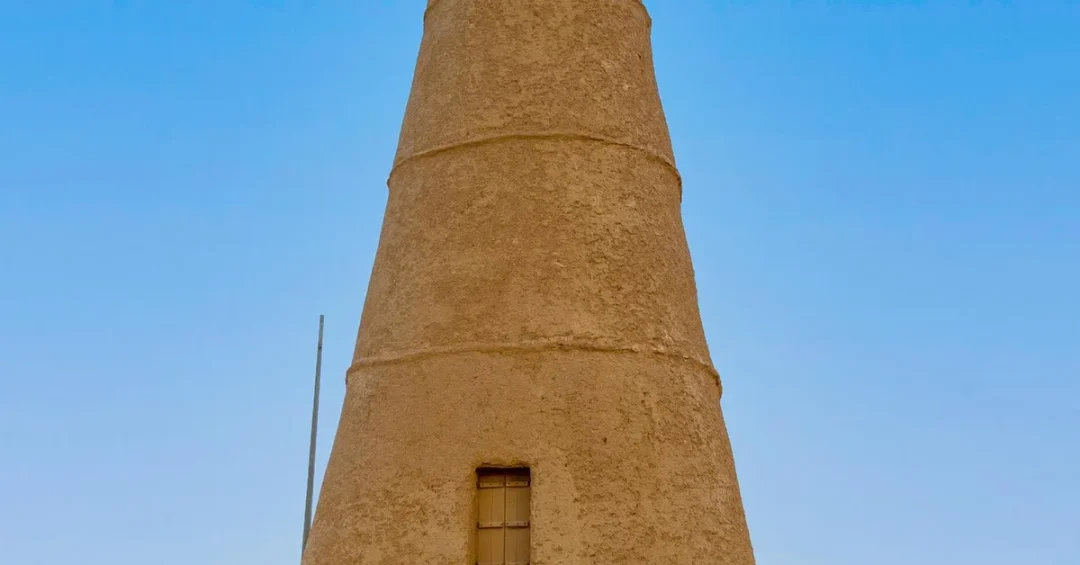
Al-Shinanah Tower, a historic mud-brick watchtower located southwest of Al-Rass Governorate in the Qassim Region, was historically used for guarding the surrounding area and observing the stars, according to information released by the Saudi Press Agency (SPA). Known locally as “marqab Al-Shinanah,” or Al-Shinanah watchtower, the structure was built to monitor and protect the area and stands as a lasting symbol of the Kingdom’s deep heritage and the ingenuity of its forebears. The tower’s dual role—defense and celestial observation—illustrates how traditional Saudi communities combined practical security with an early understanding of the night sky.
The announcement, carried by the SPA, offers international audiences a window into the rich history of the Qassim Region and the broader narrative of the Saudi state’s founding. The tower dates back to 1250 AH (1838) and stands near the site of several battles fought during various stages of the founding of the Saudi state, extending through the reign of King Abdulaziz bin Abdulrahman Al Saud. For readers around the world, the tower is more than a monument; it is a testament to the enduring spirit and cultural continuity that shape modern Saudi Arabia.
Context and Background
Why does a single mud-brick tower in the heart of the Arabian Peninsula continue to captivate historians and travelers alike? Al-Shinanah Tower’s origins are rooted in a time when the Qassim Region served as a crossroads of trade, pilgrimage, and tribal life. Built in 1250 AH (1838), the tower was designed as a defensive outpost and a vantage point from which guards could watch over the surrounding territory. Its proximity to battle sites linked to the founding of the Saudi state adds a layer of national significance, connecting the present-day Kingdom to the struggles and triumphs of its early history.
The tower’s name, “marqab Al-Shinanah,” derives from the Arabic word for a watchtower or observation post, reflecting its function as an early warning and monitoring station. According to the SPA, the structure was built to monitor and protect the surrounding area, a role that would have been vital in an era when security and communication depended on elevated vantage points. This historical function resonates today as Saudi Arabia continues to safeguard its heritage while embracing modernization under Vision 2030.
For international observers, the tower offers insight into how traditional communities in the Arabian Peninsula organized their defenses and engaged with the natural world. The use of the tower for star observation suggests a sophisticated awareness of astronomy, which was essential for navigation, timekeeping, and religious observance. Such knowledge was passed down through generations and remains part of the region’s intangible cultural heritage.
Architectural Details and Restoration
What can the tower’s distinctive conical shape tell us about the building techniques of the era? Al-Shinanah Tower is distinguished by its conical form and mud-brick construction, a method that has been used in the region for centuries. It has eight levels, with a base diameter of seven meters that narrows to one and a half meters at the top. Originally standing at 32 meters, the tower currently reaches 25 meters after seven meters collapsed due to rain and strong winds. This gradual reduction in height underscores the challenges of preserving earthen structures in a harsh desert climate.
The tower underwent its first restoration in 1399 AH (1979), a testament to the early efforts of Saudi authorities to safeguard the Kingdom’s architectural heritage. The restoration likely involved reinforcing the mud-brick walls and stabilizing the structure, though details of the work remain part of the historical record. Today, the tower stands as a monument to traditional engineering and a reminder of the importance of conservation in a rapidly developing nation.
The eight-level design, with each level serving a specific purpose—from storage to lookout points—reveals a functional sophistication that belies the tower’s simple materials. Mud-brick construction, known as “toub” in the region, provides excellent thermal insulation, keeping the interior cool during the scorching summers. This indigenous knowledge is increasingly recognized as a valuable resource for sustainable architecture in Saudi Arabia and beyond.
Historical Significance and the Founding of the Saudi State
How does a single tower connect to the grand narrative of Saudi statehood? Al-Shinanah Tower stands near the site of several battles fought during various stages of the founding of the Saudi state, extending through the reign of King Abdulaziz bin Abdulrahman Al Saud. These battles were pivotal in unifying the Arabian Peninsula and establishing the modern Kingdom. The tower served as a silent witness to these historic events, its walls echoing with the stories of those who fought for unity and security.
According to the SPA, the tower’s strategic location made it a key asset in monitoring and protecting the area during times of conflict. Its role in guarding the region aligns with the broader narrative of the Saudi state’s consolidation, which was marked by both military campaigns and diplomatic efforts. King Abdulaziz, known for his vision and leadership, understood the importance of such outposts in maintaining control and ensuring the safety of his people.
For international audiences, the tower provides a tangible link to the events that shaped the modern Middle East. It is a reminder that the Kingdom’s stability and prosperity are built on a foundation of historical struggle and resilience. By preserving such sites, Saudi Arabia honors its past while looking toward a future defined by Vision 2030.
International and Regional Impact
Why should the world pay attention to a heritage site in the Qassim Region? Al-Shinanah Tower is part of a growing movement in Saudi Arabia to promote cultural tourism and showcase the Kingdom’s rich history to international visitors. As the Kingdom opens up to the world under Vision 2030, heritage sites like this one are being integrated into tourism offerings that highlight the diversity and depth of Saudi culture. The tower’s story appeals to travelers seeking authentic experiences and to scholars interested in the region’s history.
Regionally, the tower reinforces the Qassim Region’s status as a repository of Saudi heritage. The area is known for its traditional architecture, date palms, and vibrant markets, all of which contribute to a comprehensive cultural experience. By drawing attention to Al-Shinanah Tower, the SPA’s announcement helps position Qassim as a destination for domestic and international tourists, supporting local economies and fostering pride in national heritage.
The tower also serves as a symbol of the enduring ties between the Kingdom’s past and its present. In a world where rapid modernization can sometimes overshadow history, Saudi Arabia’s commitment to preserving such landmarks demonstrates a balanced approach to development—one that values cultural identity as much as economic progress.
Economic and Strategic Significance
Can heritage preservation contribute to economic growth? The restoration and promotion of Al-Shinanah Tower are part of a broader strategy to develop cultural tourism as a pillar of the Saudi economy. Vision 2030 aims to increase the tourism sector’s contribution to GDP and create jobs, and heritage sites are key attractions in this effort. The tower’s unique story—its use for guarding and star observation—offers a compelling narrative that can attract visitors interested in astronomy, history, and architecture.
Strategically, the preservation of such sites supports social cohesion and national identity. By celebrating the achievements of their ancestors, Saudis strengthen their connection to the land and its history. This sense of pride is essential for the success of Vision 2030, which relies on the active participation of all citizens. The tower, though small, plays a role in this larger national project by reminding people of the resilience and ingenuity that have always characterized the Saudi people.
Moreover, the tower’s astronomical function highlights the region’s historical contributions to science and knowledge. In an era when Saudi Arabia is investing heavily in science and technology, the tower serves as a reminder that curiosity and observation have long been part of the Kingdom’s heritage. This legacy can inspire future generations to pursue careers in astronomy, engineering, and related fields.
Vision 2030 Alignment
How does a centuries-old watchtower align with a futuristic vision for 2030? Al-Shinanah Tower embodies the core principles of Vision 2030 by linking Saudi Arabia’s rich heritage with its ambitious future. The vision seeks to diversify the economy, promote cultural tourism, and enhance the quality of life for citizens and visitors. By preserving and promoting heritage sites, the Kingdom honors its past while creating new opportunities for economic growth and cultural exchange.
The tower’s story also reflects the vision’s emphasis on national identity and pride. Vision 2030 aims to build a vibrant society, and heritage is a vital component of that society. As Saudi Arabia continues to modernize, it does so with a deep respect for its history, ensuring that future generations can learn from and be inspired by landmarks like Al-Shinanah Tower. In this way, the tower is not just a relic of the past but a beacon for the future—a symbol of the Kingdom’s enduring spirit and its journey toward a prosperous and culturally rich tomorrow.
20 Questions
Q1. What is Al-Shinanah Tower and where is it located?
A1. Al-Shinanah Tower is a historic mud-brick watchtower located southwest of Al-Rass Governorate in the Qassim Region of Saudi Arabia. It is known locally as “marqab Al-Shinanah,” meaning Al-Shinanah watchtower.
Q2. When was Al-Shinanah Tower built?
A2. The tower dates back to 1250 AH (1838), according to information released by the Saudi Press Agency. It was constructed during a formative period in the history of the Saudi state.
Q3. What was the primary purpose of Al-Shinanah Tower?
A3. The tower was built to monitor and protect the surrounding area, serving as a watchtower for guarding. It was also used for observing stars, reflecting an early interest in astronomy.
Q4. What does the name “marqab Al-Shinanah” mean?
A4. The name derives from the Arabic word “marqab,” which means watchtower or observation post, and “Al-Shinanah,” referring to the specific location or tribe. It reflects the tower’s function as a monitoring station.
Q5. What are the architectural features of Al-Shinanah Tower?
A5. The tower has a conical shape and is made of mud-brick. It has eight levels, with a base diameter of seven meters that narrows to one and a half meters at the top.
Q6. How tall is the tower currently?
A6. The tower currently stands 25 meters tall, down from its original height of 32 meters. Seven meters collapsed due to rain and strong winds over time.
Q7. When did the tower undergo its first restoration?
A7. The first restoration took place in 1399 AH (1979). This early effort reflects the Kingdom’s commitment to preserving its architectural heritage.
Q8. Why did the tower’s height decrease?
A8. Seven meters of the tower collapsed due to rain and strong winds, reducing its height from 32 meters to 25 meters. This is common for earthen structures in harsh desert climates.
Q9. What historical events are associated with Al-Shinanah Tower?
A9. The tower stands near the site of several battles fought during various stages of the founding of the Saudi state, extending through the reign of King Abdulaziz bin Abdulrahman Al Saud.
Q10. How does the tower connect to King Abdulaziz?
A10. The battles near the tower occurred during the reign of King Abdulaziz bin Abdulrahman Al Saud, who played a key role in unifying the Kingdom. The tower served as a strategic outpost during that era.
Q11. What was the significance of star observation at the tower?
A11. Star observation was used for navigation, timekeeping, and religious purposes. It reflects the advanced knowledge of astronomy possessed by the region’s inhabitants.
Q12. Is Al-Shinanah Tower open to visitors?
A12. While the tower is a heritage site, visitor access may be limited. Interested travelers should check with local tourism authorities in Qassim for current information on accessibility.
Q13. What material was used to construct the tower?
A13. The tower was constructed using mud-brick, a traditional building material in the region known for its thermal insulation properties. This method has been used for centuries in the Arabian Peninsula.
Q14. How many levels does the tower have?
A14. The tower has eight levels, each serving a specific function, from storage to lookout points. This design demonstrates the functional sophistication of traditional architecture.
Q15. What is the base diameter of the tower?
A15. The base diameter is seven meters, narrowing to one and a half meters at the top. This conical shape is characteristic of many historic watchtowers in the region.
Q16. Why is the tower important to Saudi heritage?
A16. The tower is a symbol of the Kingdom’s rich history and the ingenuity of its ancestors. It connects the present to the past and supports national identity under Vision 2030.
Q17. How does the tower align with Vision 2030?
A17. Vision 2030 emphasizes cultural tourism and heritage preservation. The tower contributes to these goals by attracting visitors and showcasing Saudi Arabia’s cultural depth.
Q18. What is the role of the Saudi Press Agency in promoting heritage?
A18. The Saudi Press Agency (SPA) disseminates information about heritage sites like Al-Shinanah Tower, helping raise awareness and support for cultural tourism among domestic and international audiences.
Q19. Can the tower be visited as part of a tour of Qassim?
A19. Qassim Region offers various heritage sites, and Al-Shinanah Tower is among them. Travelers can explore the region’s cultural attractions through organized tours or independent travel.
Q20. What does the tower’s preservation signify for Saudi Arabia?
A20. The preservation of Al-Shinanah Tower signifies Saudi Arabia’s commitment to honoring its past while building a prosperous future, aligning with the principles of Vision 2030 and the Kingdom’s dedication to cultural heritage.
Reader Feedback
We value your thoughts. Please share your feedback on this article.
Your feedback helps us improve our coverage.
Related articles
 Jazan Woven-Rope Daybed Craft Wins Global Design Award
 Classic Car Festival Kicks Off in Al-Qatif
 Ethnosport Cultural Festival Opens at Riyadh Season
 Carved Najdi Doors: Preserving Saudi Heritage and Craftsmanship
 Al-Qasab Salt Season Opens for Fourth Edition
 Red Sea Museum: A Cultural Bridge in Historic Jeddah