


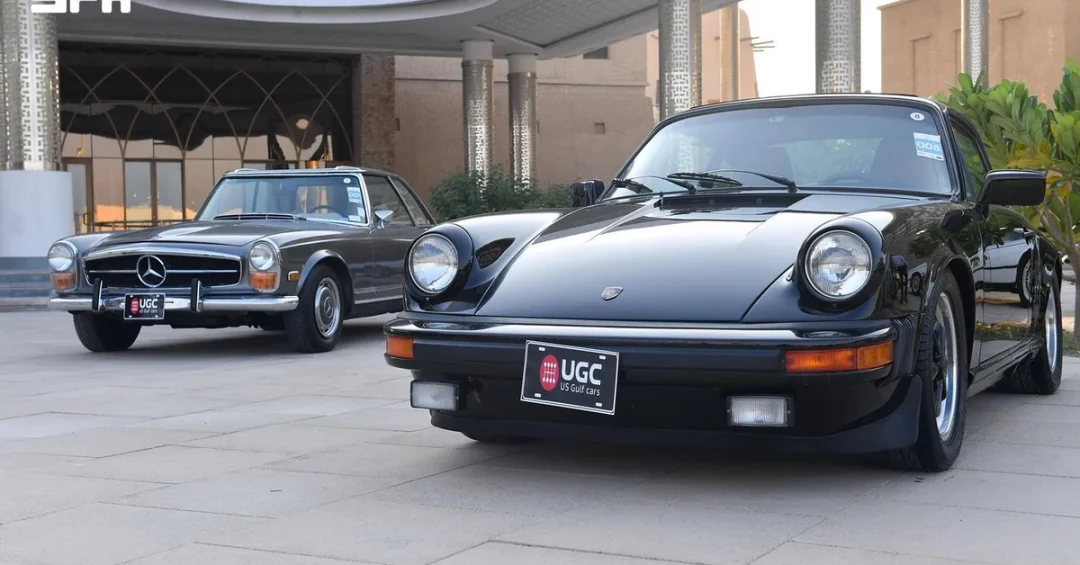
A classic car festival featuring more than 300 vintage and heritage vehicles opened in Al-Qatif Governorate, launched as part of the General Entertainment Authority’s 2026 Al-Qatif calendar program, the Saudi Press Agency reported. The three-day event, running daily from 4 p.m. to 11 p.m., provides collectors and automotive enthusiasts with a platform to showcase rare models to the public, blending automotive history with classic design. The gathering reflects the Kingdom’s expanding entertainment sector and its commitment to delivering diverse, high-quality experiences to citizens, residents, and visitors across the country.
The festival is one of a broad series of regional events organized under the Al-Qatif calendar, an initiative designed to enhance quality of life and widen entertainment options in the Eastern Province. Why does a display of vintage automobiles resonate so strongly in a country racing toward modernization? Because heritage and progress are understood in the Kingdom as complementary forces, and events like this one allow communities to celebrate the craftsmanship of the past while embracing the ambition of the present. The opening drew collectors, families, and young enthusiasts eager to examine machines that trace the evolution of automotive design.
Context and Background
The Al-Qatif classic car festival arrives amid a sustained national push to diversify entertainment offerings beyond the major metropolitan centers. The General Entertainment Authority, the government body responsible for regulating and stimulating the Kingdom’s entertainment sector, has developed a calendar of regional events intended to distribute cultural and recreational opportunities across governorates rather than concentrating them in Riyadh, Jeddah, or Dammam. Have regional communities historically had access to the same caliber of events as the big cities? The Al-Qatif program is a direct answer to that question, bringing curated experiences directly to local audiences.
Al-Qatif itself offers a distinctive setting for such an event. The governorate, situated in the Eastern Province, is known for its agricultural heritage, its historic oasis landscapes, and its longstanding role in the Kingdom’s cultural and economic life. A classic car festival adds a modern recreational layer to that identity, drawing visitors who might otherwise pass through the region without stopping. The decision to stage a three-day automotive exhibition there signals a deliberate strategy of pairing local character with nationally organized programming.
The festival also reflects the maturing of a collector culture within the Kingdom. Across Saudi Arabia, enthusiasts have assembled private collections of vintage and heritage vehicles, many of which are rarely seen publicly. Events like the Al-Qatif gathering create a formal, welcoming venue for those collections to reach a wider audience, transforming a personal passion into a shared public experience that families can enjoy together.
Key Details
The festival showcases more than 300 vintage and heritage vehicles, a figure that positions it among the larger classic car gatherings in the region. Participants include collectors displaying rare models alongside heritage vehicles valued for their historical significance. The daily schedule from 4 p.m. to 11 p.m. is designed to accommodate families and working residents, allowing visitors to attend after the day’s obligations and to enjoy the exhibition into the cooler evening hours. What makes a vintage vehicle more than a machine? For many visitors, each car carries a story of engineering, design philosophy, and the era that produced it.
Organizers have framed the event as a platform for collectors and enthusiasts to present their vehicles to the public, fostering dialogue between owners and admirers. Visitors can examine the vehicles up close, learn about their provenance, and gain insight into the design trends that shaped different decades of automotive manufacturing. The blend of automotive history with classic design gives the festival an educational dimension, particularly for younger visitors encountering these vehicles for the first time.
The event operates under the umbrella of the 2026 Al-Qatif calendar, which the General Entertainment Authority launched to deliver a dynamic schedule of regional activities across the Kingdom. That calendar approach allows organizers to coordinate multiple events into a coherent seasonal program, building momentum and encouraging repeat visits to the governorate. Each element of the calendar contributes to a broader goal of expanding entertainment options for citizens, residents, and visitors alike.
International and Regional Impact
Classic car festivals have become a significant draws in neighboring Gulf states and in established markets worldwide, and Saudi Arabia’s entry into this space adds a distinctive voice to the regional automotive scene. Heritage vehicle exhibitions attract collectors, restorers, and tourism operators, and they generate media attention that extends beyond national borders. Could the Al-Qatif festival become a fixture on the regional calendar? The scale of the opening, with more than 300 vehicles, suggests the ambition is real and the foundation is in place.
For international audiences, the event offers a window into Saudi Arabia’s cultural life that differs sharply from stereotypes. Here is a governorate known for its oasis agriculture hosting a curated display of vintage automobiles, with families strolling through the exhibition in the evening hours. That image communicates something important: the Kingdom’s modernization is layered onto existing communities rather than replacing them. Regional visitors from other Gulf countries, many of whom share a deep appreciation for classic automobiles, are a natural audience for the event.
Economic and Strategic Significance
Entertainment events of this kind contribute to local economies through visitor spending on transport, food, accommodation, and related services. For a governorate like Al-Qatif, a multi-day festival brings footfall to the local area and creates opportunities for small businesses and vendors. How large is the cumulative effect of many such regional events across a year? Individually modest, but collectively the calendar format multiplies their reach, sustaining activity across seasons and locations rather than in a single concentrated burst.
Strategically, festivals tied to heritage and collecting reinforce a broader national objective of cultivating domestic tourism and diversifying household leisure spending toward in-Kingdom experiences. By making the Al-Qatif calendar a recurring feature, the General Entertainment Authority builds predictability for visitors and businesses, allowing suppliers to plan and invest. The classic car festival, with its distinctive niche appeal, complements mass-market events by attracting a segment of enthusiasts who will travel specifically to attend.
There is also a craft and skills dimension. Restoration and maintenance of vintage vehicles require specialized mechanical knowledge, and public events help sustain awareness of these skills. Young visitors who see vintage cars up close may be inspired to pursue careers in automotive engineering, restoration, or design, feeding the talent pipeline that the Kingdom’s expanding industrial ambitions will require.
Community and Cultural Value
The festival’s evening schedule makes it a social occasion as much as an exhibition. Families can attend together, and the relaxed atmosphere encourages conversation between strangers who share a common interest. Why do public gatherings matter in an era of digital entertainment? Because shared physical experience builds community bonds in ways that screens cannot replicate, and a classic car festival offers a natural conversation starter for visitors of all ages.
For younger Saudis, the exhibition can serve as an informal lesson in design and engineering history. Seeing a mid-century vehicle beside a heritage model makes visible the pace of technological change and the aesthetic choices that defined different eras. Collectors often serve as informal guides, explaining the provenance of their vehicles and the work required to keep them in running condition, which adds a personal, storytelling layer to the display.
The choice of Al-Qatif also honors local identity. By bringing a nationally organized event to a governorate with its own strong character, the program signals that the whole Kingdom, not just its largest cities, is part of the broader cultural and recreational expansion. That recognition matters to residents and reinforces a sense of inclusion that underpins the national vision.
Vision 2030 Alignment
The Al-Qatif classic car festival sits squarely within the objectives of Saudi Vision 2030, which emphasizes enhancing quality of life, expanding entertainment and cultural offerings, and encouraging domestic tourism. The General Entertainment Authority’s regional calendar is one of the mechanisms through which those objectives reach communities across the country, ensuring that the benefits of national transformation are distributed widely rather than confined to a few centers. Will the cumulative effect of such events change how Saudis spend their leisure time? The direction of travel is clear, and the volume of programming is growing steadily.
As Vision 2030 advances, heritage-focused events like this one demonstrate that modernization and tradition can advance together. The festival celebrates the mechanical artistry of the past while showcasing the Kingdom’s capacity to organize, host, and sustain diverse cultural experiences. For visitors and residents alike, the message is consistent: Saudi Arabia is building a rich, varied, and welcoming entertainment landscape, and Al-Qatif now has a place at its center for three evenings this week.
20 Questions
Q1. What is the classic car festival in Al-Qatif?
A1. It is a three-day event featuring more than 300 vintage and heritage vehicles, organized as part of the General Entertainment Authority’s 2026 Al-Qatif calendar program in the Eastern Province.
Q2. When did the festival open?
A2. The festival opened on November 20, 2026, according to the Saudi Press Agency, and runs for three days from 4 p.m. to 11 p.m. daily.
Q3. How many vehicles are on display?
A3. More than 300 vintage and heritage vehicles are featured, drawn from collections presented by participants and enthusiasts for public viewing.
Q4. Who organizes the festival?
A4. It is organized under the General Entertainment Authority’s 2026 Al-Qatif calendar program, which coordinates regional events across the Kingdom to expand entertainment and recreation.
Q5. What are the daily opening hours?
A5. The festival operates daily from 4 p.m. to 11 p.m., an evening schedule designed to accommodate families and working residents after the day’s obligations are complete.
Q6. Where is Al-Qatif located?
A6. Al-Qatif is a governorate in the Eastern Province of Saudi Arabia, known for its agricultural heritage and historic oasis landscapes.
Q7. What is the purpose of the Al-Qatif calendar?
A7. The calendar aims to enhance quality of life and expand entertainment options for citizens, residents, and visitors by delivering a dynamic schedule of regional events across the Kingdom.
Q8. Who benefits from the festival?
A8. Collectors gain a public platform to showcase rare models, while families, residents, and visitors enjoy a cultural and recreational experience in the governorate.
Q9. What kinds of vehicles are showcased?
A9. The exhibition features vintage and heritage vehicles, including rare models that collectors have assembled and maintained over many years.
Q10. Why are classic car festivals significant culturally?
A10. They celebrate automotive design and engineering history, foster community gatherings, and offer younger visitors an educational encounter with the craftsmanship of earlier eras.
Q11. Does the festival support local economies?
A11. Yes, multi-day events generate visitor spending on transport, food, accommodation, and related services, creating opportunities for local businesses and vendors in the governorate.
Q12. How does the event relate to Vision 2030?
A12. It aligns with Vision 2030 objectives of enhancing quality of life, expanding entertainment and cultural offerings, and encouraging domestic tourism across all regions of the Kingdom.
Q13. Are there opportunities for young people at the festival?
A13. Yes, young visitors can learn about automotive engineering, design, and restoration, potentially inspiring interest in careers related to these fields.
Q14. What makes Al-Qatif an appropriate venue?
A14. The governorate has a strong local identity rooted in agriculture and oasis heritage, and hosting a national event there reflects inclusive distribution of cultural programming.
Q15. Can international visitors attend the festival?
A15. The event is open to the public, including visitors from abroad, and forms part of the Kingdom’s expanding range of cultural and recreational offerings.
Q16. How does the festival connect to domestic tourism?
A16. By attracting enthusiasts who travel specifically to attend, the festival contributes to in-Kingdom tourism and diversifies leisure spending toward local experiences.
Q17. Is the event a one-time occurrence?
A17. It is part of the 2026 Al-Qatif calendar, which comprises a series of events, indicating a recurring, seasonal approach to regional entertainment programming.
Q18. What role does the General Entertainment Authority play?
A18. The Authority regulates and stimulates the Kingdom’s entertainment sector, launching and coordinating event calendars such as the Al-Qatif program to distribute opportunities across regions.
Q19. What is the atmosphere of the festival?
A19. The evening schedule creates a relaxed, family-friendly social atmosphere, encouraging conversation among visitors who share an interest in classic automobiles.
Q20. What does the festival communicate about Saudi Arabia?
A20. It shows a Kingdom where heritage and modernization advance together, with nationally organized cultural events reaching communities across the country.
Reader Feedback
We value your thoughts. Please share your feedback on this article.
Your feedback helps us improve our coverage.
Related articles
 Ethnosport Cultural Festival Opens at Riyadh Season
 Carved Najdi Doors: Preserving Saudi Heritage and Craftsmanship
 Al-Qasab Salt Season Opens for Fourth Edition
 Red Sea Museum: A Cultural Bridge in Historic Jeddah
 National Museum Launches Interactive Autumn Break Program
 King Faisal Center Launches Arabic Philosophy Program