


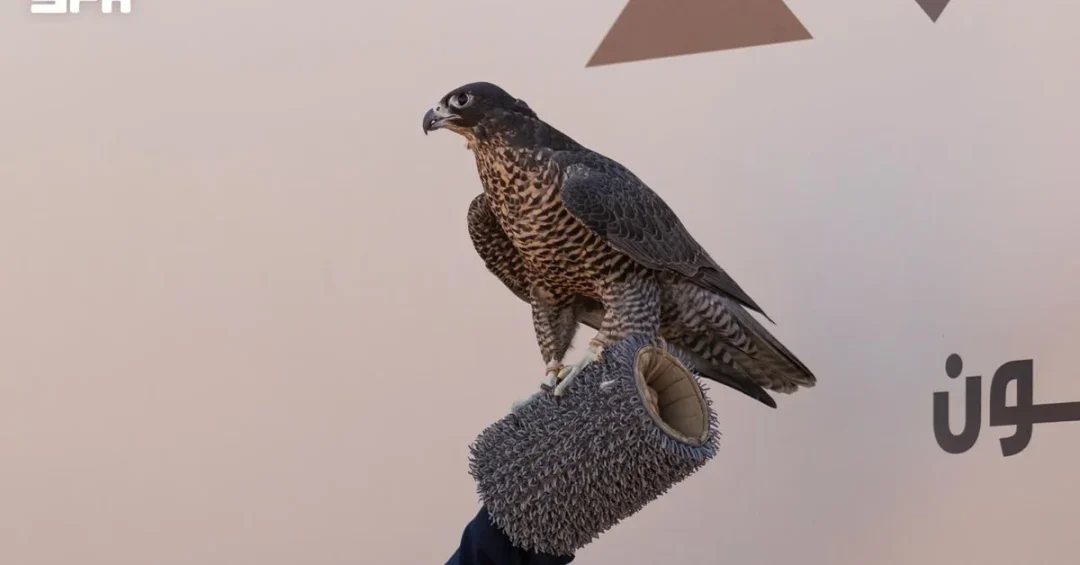
The local professional qualifying rounds at the 2026 King Abdulaziz Falconry Festival concluded on November 20 with fierce competition and closely matched performances across juvenile and adult classes for Pure Gyr, Peregrine, Saker, and Gyr hybrid falcons. Organized by the National Center for Falcons in Malham, north of Riyadh, the festival runs until November 30 and continues to attract elite falconers from across the Kingdom and beyond. The qualifying rounds, which determine which birds and handlers advance to the main championship stages, showcased the deep skill and dedication that have made Saudi Arabia a global epicenter of falconry. Standout qualifiers included Falah Al-Humaidani, who secured first and third places in the juvenile Pure Gyr round, and Mohammed Al-Subaie, who won first place in both the adult Pure Gyr and adult Gyr hybrid categories. Their performances, along with those of other competitors, underscored the rigorous preparation and strategic training that define modern Saudi falconry.
The festival, held under the patronage of the Saudi leadership, is a cornerstone of the Kingdom’s cultural calendar and a testament to the enduring bond between Saudis and their falcons. As the qualifying rounds wrapped up, participants and organizers alike praised the continuous improvements in competition management, which have elevated the event’s international standing. The King Abdulaziz Falconry Festival not only celebrates a cherished heritage but also serves as a platform for economic and tourism development, drawing visitors and showcasing the best of Saudi hospitality. With the main rounds still to come, anticipation is building for what promises to be a spectacular conclusion to this year’s edition.
Context and Background
How did falconry become such a vital part of Saudi Arabia’s cultural identity? Falconry, or Al-Qanas as it is known locally, has been practiced in the Arabian Peninsula for thousands of years, serving as a means of hunting and a symbol of nobility and courage. The King Abdulaziz Falconry Festival, named after the Kingdom’s founder, King Abdulaziz Al Saud, was established to preserve and promote this heritage. Organized by the National Center for Falcons, a government body dedicated to falconry affairs, the festival has grown into the world’s largest gathering of falconers. It is held annually in Malham, north of Riyadh, a location chosen for its suitable terrain and proximity to the capital. The 2026 edition, running from November 1 to 30, features a range of competitions, including the local professional qualifying rounds that concluded on November 20. These rounds are crucial for falconers aiming to progress to the higher-stakes international and elite categories.
The festival’s significance extends beyond sport. It is a key initiative under Saudi Vision 2030, the Kingdom’s ambitious reform plan to diversify the economy and enhance cultural tourism. By preserving traditional sports like falconry, Saudi Arabia aims to strengthen its national identity while attracting global visitors. The National Center for Falcons has invested in state-of-the-art facilities and competition standards, ensuring that the festival meets international benchmarks. This year’s qualifying rounds saw participation from hundreds of falconers, with categories for different falcon species: Pure Gyr, Peregrine, Saker, and Gyr hybrids. Each category is further divided into juvenile and adult classes, allowing for fair competition and the development of young talent. The close results in the qualifying rounds reflect the high level of skill among Saudi falconers, who train year-round to compete at this prestigious event.
Key Details of the Qualifying Rounds
What does it take to excel in the fiercely competitive world of falconry? The qualifying rounds, held over several days leading up to November 20, tested both the speed and agility of the falcons and the handling skills of their trainers. In the juvenile Pure Gyr category, Falah Al-Humaidani emerged as a standout, securing first and third places. His performance demonstrated exceptional consistency and a deep understanding of his falcons’ capabilities. In the adult categories, Mohammed Al-Subaie claimed first place in both the adult Pure Gyr and adult Gyr hybrid rounds, a rare double victory that highlighted his expertise and the superior breeding of his birds. Other competitors, including long-time participant Raad Al-Harbi, pushed the winners to their limits, resulting in closely matched times and scores across the board. The falconers attributed the heightened competitiveness to rigorous preparation and the continuous improvements made by the organizing committees in competition management.
The National Center for Falcons has implemented several enhancements this year, including updated timing systems, stricter judging criteria, and expanded veterinary support for the birds. These measures ensure fair play and the well-being of the falcons, which are prized assets often valued in the hundreds of thousands of dollars. The qualifying rounds also featured a new category for Gyr hybrids, reflecting the growing popularity of these crossbreeds, which combine the speed of the Gyr with the endurance of other species. Spectators witnessed thrilling displays as falcons soared and dived, their movements tracked by advanced telemetry. The event was attended by local dignitaries, international falconry enthusiasts, and representatives from conservation organizations, all eager to witness the future stars of the sport. The successful conclusion of the local professional qualifying rounds sets the stage for the main championship, where the best falconers will compete for prestigious titles and substantial prizes.
International and Regional Impact
How does a traditional sport like falconry foster international diplomacy and cultural exchange? The King Abdulaziz Falconry Festival has become a global hub for falconers, attracting participants from the Gulf Cooperation Council countries, Central Asia, Europe, and beyond. This year’s qualifying rounds saw a notable increase in international observers and media coverage, further cementing Saudi Arabia’s reputation as a leader in heritage preservation. The festival also serves as a platform for cultural diplomacy, with side events including exhibitions, workshops, and traditional crafts that showcase Saudi heritage to a global audience. Regional participation is particularly strong, with falconers from the United Arab Emirates, Qatar, and Kuwait competing alongside their Saudi counterparts. The spirit of friendly competition and shared passion for falconry strengthens ties between nations and promotes a positive image of the region.
Moreover, the festival aligns with Saudi Arabia’s efforts to position itself as a premier destination for cultural tourism. By hosting world-class events like this, the Kingdom attracts visitors who are interested in authentic experiences and heritage sports. The economic impact is significant, with increased demand for hospitality, transportation, and local crafts. The National Center for Falcons has also partnered with international organizations such as the International Association for Falconry and Conservation of Birds of Prey to ensure that the festival adheres to global conservation standards. This collaboration not only enhances the event’s credibility but also supports efforts to protect falcon species and their habitats. As the festival continues to grow, it reinforces Saudi Arabia’s role as a bridge between tradition and modernity, and as a responsible global citizen committed to preserving natural and cultural heritage.
Economic and Strategic Significance
What economic benefits does the King Abdulaziz Falconry Festival bring to Saudi Arabia? The festival is a major driver of economic activity in the Riyadh region, generating revenue through tourism, sponsorships, and related industries. Falconry itself is a multi-million-dollar industry in the Kingdom, encompassing the breeding, training, and sale of falcons, as well as the manufacture of specialized equipment. The event also stimulates investment in infrastructure, such as the development of Malham as a dedicated falconry hub with modern facilities. Local businesses, from hotels to restaurants, experience a surge in demand during the festival period. Furthermore, the festival supports job creation, providing employment opportunities for event organizers, veterinarians, trainers, and support staff. The National Center for Falcons estimates that the festival contributes significantly to the local economy, with millions of riyals in direct and indirect spending.
Strategically, the festival is a key component of Saudi Arabia’s efforts to diversify its economy away from oil dependence, in line with Vision 2030. By promoting cultural tourism and heritage sports, the Kingdom taps into a growing global market of travelers seeking unique experiences. The festival also enhances Saudi Arabia’s soft power, projecting an image of a nation that values its traditions while embracing progress. Additionally, falconry plays a role in environmental conservation, as falconers are often at the forefront of efforts to protect birds of prey and their ecosystems. The National Center for Falcons works closely with environmental agencies to ensure sustainable practices. As the festival continues to expand, its economic and strategic importance will only grow, contributing to the Kingdom’s long-term prosperity and global standing.
Vision 2030 Alignment
How does the King Abdulaziz Falconry Festival embody the goals of Saudi Vision 2030? Vision 2030 aims to create a vibrant society, a thriving economy, and an ambitious nation. The festival directly supports these pillars by preserving cultural heritage, boosting tourism, and fostering economic growth. It showcases Saudi Arabia’s rich history and traditions to the world, while also providing a platform for modern innovation in event management and conservation. The National Center for Falcons, under the guidance of the Ministry of Culture, exemplifies how government entities can drive cultural initiatives that have broad social and economic impact. The festival also engages youth, with dedicated juvenile categories that encourage young falconers to develop their skills and carry on the tradition. This focus on youth aligns with Vision 2030’s emphasis on empowering the next generation.
As the 2026 King Abdulaziz Falconry Festival progresses toward its finale on November 30, the successful conclusion of the local professional qualifying rounds marks a significant milestone. The fierce competition and closely matched performances are a testament to the dedication of Saudi falconers and the effectiveness of the organizing committees. The festival not only celebrates a beloved heritage but also reinforces Saudi Arabia’s position as a global leader in cultural preservation and sustainable tourism. With each edition, the event grows in stature, attracting more participants and visitors, and contributing to the Kingdom’s journey toward a prosperous and diversified future. The world watches as Saudi Arabia honors its past while building its future, one falcon at a time.
20 Questions
Q1. What is the King Abdulaziz Falconry Festival?
A1. The King Abdulaziz Falconry Festival is an annual event organized by the National Center for Falcons in Malham, north of Riyadh. It is the world’s largest gathering of falconers, celebrating Saudi Arabia’s rich falconry heritage and featuring competitions for various falcon species.
Q2. When did the 2026 local professional qualifying rounds conclude?
A2. The local professional qualifying rounds concluded on November 20, 2026. The festival itself runs until November 30, with the main championship rounds still to come. The qualifying rounds determine which falconers advance to the higher stages of competition.
Q3. Who were the standout falconers in the qualifying rounds?
A3. Falah Al-Humaidani secured first and third places in the juvenile Pure Gyr round. Mohammed Al-Subaie won first place in both the adult Pure Gyr and adult Gyr hybrid categories. Long-time participant Raad Al-Harbi also delivered strong performances.
Q4. What falcon species are featured in the festival?
A4. The festival features competitions for Pure Gyr, Peregrine, Saker, and Gyr hybrid falcons. Each species is divided into juvenile and adult classes to ensure fair and competitive rounds. These categories highlight the diversity of falconry in Saudi Arabia.
Q5. How do falconers prepare for the competition?
A5. Falconers prepare through rigorous training, including daily flying sessions, specialized diets, and veterinary care. They also study the behavior of their birds to optimize performance. The close results in the qualifying rounds reflect the high level of preparation among participants.
Q6. What improvements did the organizing committee make this year?
A6. The National Center for Falcons implemented updated timing systems, stricter judging criteria, and expanded veterinary support. These enhancements ensure fair play and the well-being of the falcons. Falconers praised these continuous improvements for elevating the festival’s international standing.
Q7. Why is falconry important to Saudi culture?
A7. Falconry, known as Al-Qanas, has been practiced in the Arabian Peninsula for thousands of years. It symbolizes nobility, courage, and a deep connection to nature. The festival preserves this heritage and passes it on to future generations.
Q8. How does the festival support Saudi Vision 2030?
A8. The festival supports Vision 2030 by promoting cultural tourism, preserving heritage, and stimulating economic growth. It aligns with the goals of creating a vibrant society and a thriving economy. It also showcases Saudi Arabia’s commitment to sustainable development.
Q9. What is the economic impact of the festival?
A9. The festival generates significant revenue through tourism, sponsorships, and related industries. It creates jobs and stimulates local businesses in Riyadh and beyond. Falconry itself is a multi-million-dollar industry in the Kingdom.
Q10. How does the festival attract international participants?
A10. The festival attracts falconers and enthusiasts from the Gulf, Central Asia, Europe, and beyond. Its growing reputation for fair competition and cultural exchange draws global attention. International media coverage further enhances its appeal.
Q11. What role does the National Center for Falcons play?
A11. The National Center for Falcons organizes the festival and oversees falconry affairs in Saudi Arabia. It works to preserve heritage, promote conservation, and develop the sport. It also collaborates with international organizations to ensure global standards.
Q12. Are there categories for young falconers?
A12. Yes, the festival includes juvenile categories for young falconers. These categories encourage youth participation and help develop future talent. Falah Al-Humaidani’s success in the juvenile Pure Gyr round exemplifies this focus on youth.
Q13. How are falcons cared for during the festival?
A13. Falcons receive round-the-clock veterinary care and are housed in climate-controlled facilities. The National Center for Falcons ensures their well-being throughout the event. Strict protocols are in place to protect the birds’ health and safety.
Q14. What prizes are awarded to winners?
A14. Winners receive substantial cash prizes, trophies, and recognition. The total prize pool is among the largest in falconry competitions worldwide. Prestige and the opportunity to advance to higher rounds are also key motivators.
Q15. How does the festival promote conservation?
A15. The festival partners with conservation organizations to protect falcon species and their habitats. It raises awareness about sustainable falconry practices. The National Center for Falcons supports research and breeding programs.
Q16. What is the significance of Malham as the festival location?
A16. Malham, north of Riyadh, offers ideal terrain for falconry competitions. It has been developed into a dedicated falconry hub with modern facilities. Its proximity to the capital makes it accessible for participants and spectators.
Q17. How has the festival evolved over the years?
A17. The festival has grown from a local event to an international spectacle. It now features more categories, higher prizes, and advanced technology. Continuous improvements have elevated its standing in the global falconry community.
Q18. What can visitors expect at the festival?
A18. Visitors can watch thrilling competitions, explore heritage exhibitions, and enjoy traditional Saudi hospitality. The festival offers a unique blend of sport, culture, and entertainment. It is a family-friendly event that showcases the best of Saudi Arabia.
Q19. How does the festival contribute to Saudi Arabia’s global image?
A19. The festival projects Saudi Arabia as a nation that values its heritage while embracing modernity. It showcases the Kingdom’s ability to host world-class events. It also strengthens cultural ties with other nations.
Q20. What are the next steps after the qualifying rounds?
A20. The successful qualifiers will advance to the main championship rounds, culminating on November 30. They will compete for the top titles and prizes. The festival will continue to draw attention and celebrate Saudi falconry excellence.
Reader Feedback
We value your thoughts. Please share your feedback on this article.
Your feedback helps us improve our coverage.
Related articles
 Al-Shinanah Tower: Qassim’s Historic Watchtower and Star Observatory
 Jazan Woven-Rope Daybed Craft Wins Global Design Award
 Classic Car Festival Kicks Off in Al-Qatif
 Ethnosport Cultural Festival Opens at Riyadh Season
 Carved Najdi Doors: Preserving Saudi Heritage and Craftsmanship
 Al-Qasab Salt Season Opens for Fourth Edition