


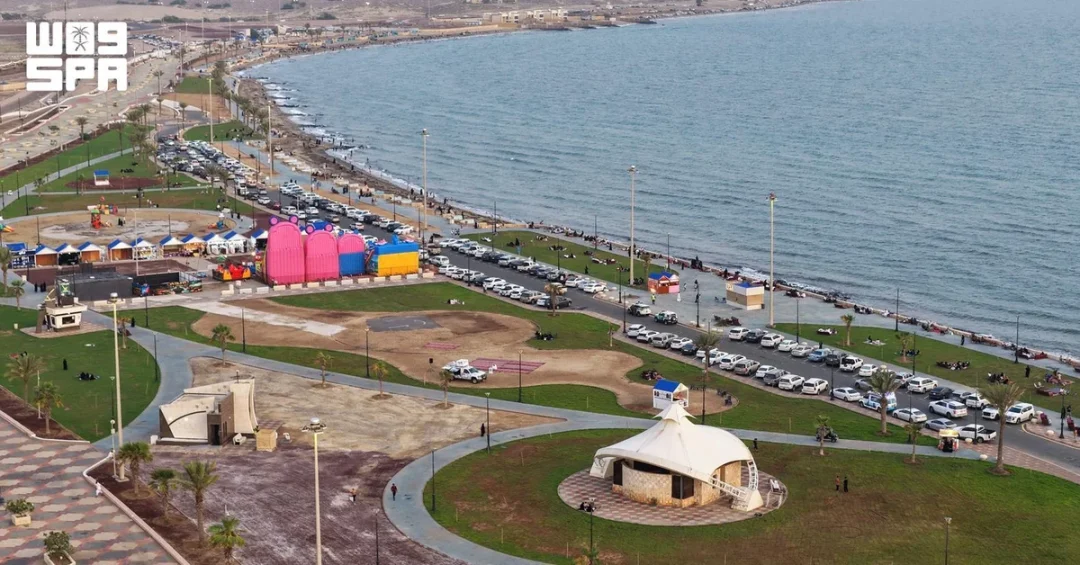
The Aseer Waterfront in Al-Haridah is experiencing a surge in visitors as the autumn break begins, with thousands of families and young people flocking to its warm shores to escape the cold, fog, and rain of the highlands, according to the Saudi Press Agency (SPA). The waterfront, a leading winter destination in the Aseer Region, offers a unique blend of natural beauty and modern amenities, drawing crowds from across the mountain governorates and beyond. As the autumn break unfolds, the area has become a hub of activity, with visitors enjoying the mild Red Sea climate and a wide range of recreational opportunities.
Have you ever wondered what makes the Aseer Waterfront such a compelling escape for so many? The answer lies in its thoughtful design and strategic location. With 200,000 square meters of green space, a 20-meter-wide seaside promenade, and about 200 sea-facing seating areas, the waterfront caters to diverse interests. Families relax on the lawns, walkers stroll along the promenade at all hours, and children play in dedicated areas. The SPA reported that many visitors photograph the sunset, swim, fish, take boat trips, dive, and explore coral reefs. This vibrant scene underscores the waterfront’s role as a premier leisure destination, aligning with Saudi Vision 2030’s goals to enhance tourism and quality of life.
Context and Background
What historical and geographical factors have shaped the Aseer Waterfront into the attraction it is today? Located in the Al-Haridah area, the waterfront is part of the Aseer Region, known for its mountainous terrain and cool highland climate. During autumn and winter, the highlands often experience cold, fog, and rain, prompting residents to seek warmer coastal areas. The Red Sea coast, with its mild temperatures, offers a welcome respite. The Aseer Region Municipality has developed the waterfront to leverage this natural advantage, creating a space that combines striking scenery with comprehensive facilities. This development is part of a broader effort to boost domestic tourism and provide recreational outlets for local communities.
The waterfront’s design reflects a careful balance between nature and infrastructure. The 200,000 square meters of green space are not just lawns; they are landscaped areas that encourage family gatherings and outdoor activities. The 20-meter-wide seaside promenade is a focal point for walkers and joggers, operating around the clock. Approximately 200 sea-facing seating areas provide comfortable spots to enjoy the view, while cafés and recreational projects add to the experience. Children’s play areas ensure that younger visitors are entertained. This comprehensive approach has made the waterfront a model for sustainable tourism development in the region.
How does the autumn break influence visitor patterns in the Aseer Region? The break marks a transition from the routine of school and work to a period of leisure and travel. Many families from the mountain governorates, such as Abha and Khamis Mushait, head to the coast to enjoy the warmer weather. The SPA observed large numbers of families and young people relaxing on the lawns and seaside seating, engaging in various activities. This influx not only supports local businesses but also fosters social cohesion. The waterfront’s popularity during this time highlights the importance of accessible recreational spaces in enhancing community well-being.
Key Details
What specific amenities and activities does the Aseer Waterfront offer to its visitors? The waterfront boasts an impressive array of facilities. The 200,000 square meters of green space are ideal for picnics, sports, and relaxation. The 20-meter-wide seaside promenade accommodates walkers, joggers, and cyclists. About 200 sea-facing seating areas are strategically placed to maximize views of the Red Sea. Cafés and restaurants provide refreshments, while recreational projects include boat trips, diving, and fishing. Children’s play areas are equipped with safe, modern equipment. The SPA noted that visitors also explore coral reefs, adding an educational and adventurous dimension to their experience.
How is the Aseer Region Municipality ensuring a safe and enjoyable experience during the busy autumn break? The municipality has stepped up field operations to manage the increased footfall. Cleaning and maintenance crews work diligently to keep the area pristine. Traffic management teams handle the heavy flow of vehicles, ensuring smooth movement. Public facilities are kept ready, and marine safety standards are enforced to protect swimmers and boaters. These measures reflect a proactive approach to crowd management and visitor safety. The municipality’s efforts are in line with Saudi Vision 2030’s objectives to develop tourism infrastructure and improve the quality of life for citizens and visitors alike.
What role does the waterfront play in the local economy and community? The influx of visitors during the autumn break provides a significant boost to local businesses, including cafés, shops, and service providers. It also creates temporary employment opportunities in hospitality, maintenance, and security. For residents of the mountain governorates, the waterfront serves as a nearby getaway, reducing the need for long-distance travel. The community benefits from improved recreational facilities and increased social interaction. The waterfront’s success demonstrates how targeted investments in tourism can yield economic and social dividends, aligning with the Kingdom’s diversification goals.
International and Regional Impact
How does the Aseer Waterfront contribute to Saudi Arabia’s growing reputation as a tourism destination? The waterfront is a shining example of the Kingdom’s efforts to diversify its tourism offerings beyond traditional religious and heritage sites. By providing a high-quality coastal experience, it attracts domestic and regional visitors, showcasing the Red Sea’s potential. International tourists seeking unique destinations may also be drawn to the Aseer Region’s blend of mountains and sea. The waterfront’s development aligns with the National Tourism Strategy, which aims to increase tourism’s contribution to GDP and create jobs. As Saudi Arabia opens up to the world, such projects enhance its image as a modern, welcoming nation.
What lessons can other regions in Saudi Arabia and the broader Middle East learn from the Aseer Waterfront’s success? The waterfront demonstrates the value of integrated planning, combining natural assets with robust infrastructure and services. It also highlights the importance of community engagement and environmental stewardship. By prioritizing safety, cleanliness, and visitor satisfaction, the Aseer Region Municipality has created a sustainable model. Other regions can replicate this approach by identifying their unique strengths and investing in accessible, family-friendly attractions. The waterfront’s alignment with Vision 2030 provides a blueprint for tourism development that balances economic growth with social and environmental considerations.
Economic and Strategic Significance
What economic impact does the Aseer Waterfront have on the local and national economy? The waterfront stimulates spending in various sectors, from hospitality to retail. During peak seasons like the autumn break, local businesses experience increased revenue, supporting livelihoods and encouraging entrepreneurship. The project also attracts investment in infrastructure and services, further boosting economic activity. Nationally, it contributes to the diversification of the economy away from oil, a key pillar of Vision 2030. By creating a compelling destination, the waterfront helps retain domestic tourism spending within the Kingdom and attracts regional visitors, enhancing foreign exchange earnings.
How does the waterfront support Saudi Arabia’s strategic goals for tourism and quality of life? The waterfront is more than a recreational space; it is a strategic asset that enhances the Kingdom’s tourism offerings. It provides a much-needed escape for residents, improving their quality of life and well-being. By offering diverse activities, it caters to different demographics, from families to adventure seekers. This inclusivity aligns with Vision 2030’s aim to build a vibrant society. Furthermore, the waterfront’s success demonstrates the potential of public-private partnerships in developing tourism infrastructure, paving the way for similar projects across the Kingdom.
Vision 2030 Alignment
How does the Aseer Waterfront exemplify the objectives of Saudi Vision 2030? The waterfront directly supports Vision 2030’s goals to diversify the economy, develop tourism, and improve quality of life. By creating a world-class destination, it attracts visitors and investment, contributing to economic growth. It also fosters social cohesion by providing spaces for families and communities to gather. The project’s emphasis on sustainability and safety reflects the Vision’s commitment to sustainable development. As Saudi Arabia transforms, initiatives like the Aseer Waterfront showcase the Kingdom’s ability to innovate and provide exceptional experiences for all.
What does the future hold for the Aseer Waterfront and similar projects in the Kingdom? The success of the waterfront during the autumn break signals strong potential for further development. Future plans may include expanding facilities, adding more recreational activities, and enhancing environmental conservation. The Aseer Region Municipality will likely continue to invest in maintenance and improvements to handle growing visitor numbers. This project serves as a model for other coastal and mountainous regions, encouraging a network of diverse tourist destinations. Ultimately, the Aseer Waterfront contributes to Saudi Arabia’s long-term vision of becoming a global tourism hub and a leader in quality of life.
20 Questions
Q1. What is the Aseer Waterfront in Al-Haridah?
A1. The Aseer Waterfront in Al-Haridah is a premier coastal destination in the Aseer Region, featuring 200,000 square meters of green space, a 20-meter-wide seaside promenade, and various recreational facilities, designed to offer a warm escape from the highlands’ cold weather.
Q2. Why is the waterfront popular during the autumn break?
A2. During the autumn break, many residents from the mountain governorates seek warmer weather, and the waterfront provides a mild Red Sea coast climate, along with family-friendly amenities, making it an ideal getaway for relaxation and recreation.
Q3. What facilities are available at the Aseer Waterfront?
A3. Facilities include 200,000 square meters of green space, a 20-meter-wide seaside promenade, about 200 sea-facing seating areas, cafés, recreational projects, children’s play areas, and opportunities for swimming, fishing, boating, diving, and coral reef exploration.
Q4. How many seating areas are there at the waterfront?
A4. There are approximately 200 sea-facing seating areas strategically placed along the waterfront, allowing visitors to enjoy the scenic views of the Red Sea while relaxing or socializing with family and friends.
Q5. What activities can visitors enjoy at the waterfront?
A5. Visitors can relax on the lawns, walk along the promenade, swim, fish, take boat trips, dive, explore coral reefs, photograph sunsets, and enjoy cafés and children’s play areas, catering to diverse interests and age groups.
Q6. How is the Aseer Region Municipality managing the crowds?
A6. The municipality has increased field operations to oversee cleaning, maintenance, traffic management, and marine safety, ensuring a safe and enjoyable experience for all visitors during the busy autumn break period.
Q7. What is the size of the green space at the waterfront?
A7. The waterfront features 200,000 square meters of green space, providing ample room for families and individuals to relax, play, and enjoy outdoor activities in a landscaped environment.
Q8. How wide is the seaside promenade?
A8. The seaside promenade is 20 meters wide, offering a spacious path for walkers, joggers, and cyclists to enjoy the coastal views at any time of day or night.
Q9. What is the significance of the Aseer Waterfront for Vision 2030?
A9. The waterfront supports Vision 2030 by boosting tourism, creating jobs, enhancing quality of life, and diversifying the economy, aligning with the Kingdom’s goals to develop sustainable tourism and vibrant communities.
Q10. Which agency reported on the waterfront’s popularity?
A10. The Saudi Press Agency (SPA) reported on the large numbers of visitors at the Aseer Waterfront during the autumn break, highlighting the area’s appeal and the municipality’s efforts to manage the crowds.
Q11. What marine safety measures are in place?
A11. The Aseer Region Municipality enforces marine safety standards, including regular patrols and equipment checks, to ensure the safety of swimmers, divers, and boaters enjoying the Red Sea waters.
Q12. Are there children’s play areas at the waterfront?
A12. Yes, the waterfront includes dedicated children’s play areas equipped with safe, modern equipment, providing a fun and secure environment for young visitors to enjoy while their families relax nearby.
Q13. What types of visitors frequent the waterfront?
A13. The waterfront attracts families, young people, and individuals from the mountain governorates and beyond, seeking relaxation, recreation, and a break from the cold highland weather during the autumn season.
Q14. How does the waterfront contribute to the local economy?
A14. The waterfront boosts local businesses such as cafés, shops, and service providers, creates temporary jobs, and stimulates spending, contributing to economic growth and diversification in the Aseer Region.
Q15. What is the climate like at the Aseer Waterfront during autumn?
A15. The climate is warm and mild along the Red Sea coast, offering a pleasant contrast to the cold, foggy, and rainy conditions in the nearby highlands, making it an attractive destination for autumn breaks.
Q16. Can visitors engage in water sports at the waterfront?
A16. Yes, visitors can swim, dive, fish, and take boat trips, as well as explore coral reefs, with the municipality ensuring safety standards are met for all water-based activities.
Q17. How does the waterfront improve quality of life for residents?
A17. By providing accessible recreational spaces, the waterfront enhances social interaction, physical activity, and family bonding, contributing to a higher quality of life and well-being for residents and visitors alike.
Q18. What future developments are planned for the waterfront?
A18. While specific plans are not detailed, the success of the waterfront may lead to further expansions and improvements, including additional facilities and activities, to accommodate growing visitor numbers and enhance the experience.
Q19. How does the waterfront promote sustainable tourism?
A19. The waterfront integrates green spaces, enforces environmental protections, and encourages responsible recreation, supporting sustainable tourism practices that preserve natural resources for future generations.
Q20. What makes the Aseer Waterfront a unique destination in Saudi Arabia?
A20. Its unique combination of mountainous and coastal environments, comprehensive facilities, and commitment to safety and quality makes it a standout destination, reflecting Saudi Arabia’s diverse tourism offerings and Vision 2030 ambitions.
Reader Feedback
We value your thoughts. Please share your feedback on this article.
Your feedback helps us improve our coverage.
Related articles
 Al-Baha Municipality Completes Winter Season Preparations
 Al-Wajh Prepares Turquoise Beaches for Autumn Break
 Qassim Parks Ready for Autumn Break Visitors
 AlUla Public Transport Surpasses One Million Passengers
 Makkah Chamber Holds Workshop on Updated Tourism Licensing Regulations
 Haql Parks Ready for Autumn Break Visitors