


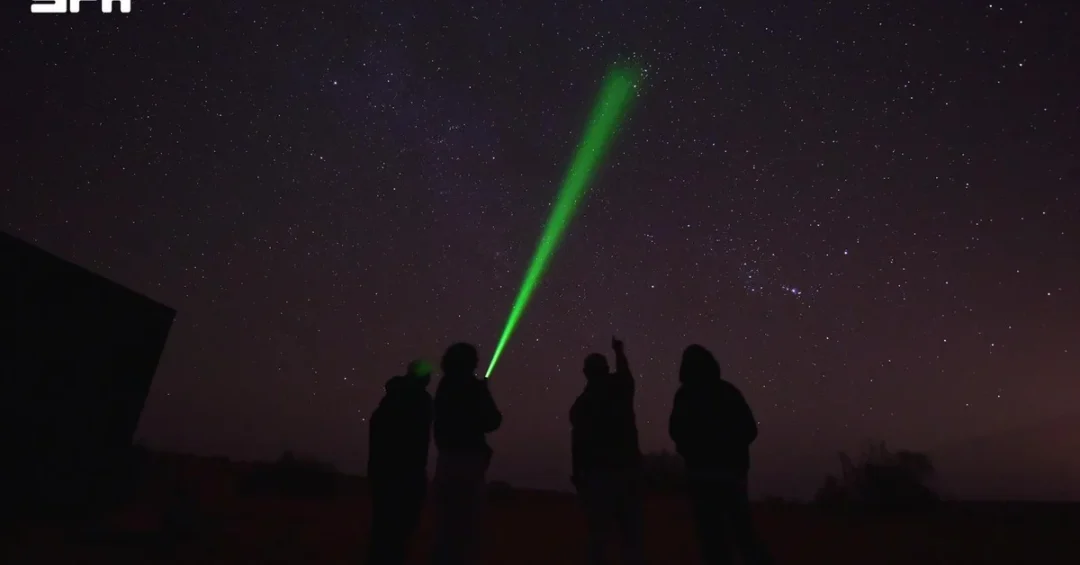
The Imam Turki bin Abdullah Royal Nature Reserve Development Authority is organizing astronomy workshops as part of the Winter at Darb Zubaida season, running from November 19 to 22, with daily sessions from 8 p.m. to midnight. The initiative invites visitors to explore the night sky, learn about astronomical phenomena, and discover the deep connection between stars and Arab heritage at one of Saudi Arabia’s most significant natural and historical sites.
The workshops are taking place in the Rafha region, within the Imam Turki bin Abdullah Royal Nature Reserve, a protected area dedicated to preserving Saudi Arabia’s natural environment and cultural legacy. The event forms part of the broader Winter at Darb Zubaida season, which celebrates the historic pilgrimage route that once connected Iraq to Makkah. By combining astronomy education with cultural storytelling, the authority aims to offer a unique experience that highlights both the Kingdom’s natural beauty and its rich Islamic and Arab heritage. The program reflects Saudi Arabia’s commitment to promoting domestic tourism and environmental awareness under Vision 2030.
Context and Background
Have you ever wondered how ancient travelers navigated the vast deserts of Arabia? The Winter at Darb Zubaida season revives the legacy of the historic Darb Zubaida pilgrimage route, which served as a vital artery for travelers and traders for centuries. Named after Zubaida bint Ja’far, the wife of Caliph Harun al-Rashid, the route was developed with wells, rest stations, and other facilities to support pilgrims journeying to Makkah. Today, the Imam Turki bin Abdullah Royal Nature Reserve Development Authority manages the area, preserving its historical significance while creating modern educational and recreational opportunities.
The astronomy workshops are a key component of the season’s programming, designed to engage visitors with the wonders of the universe. The sessions run daily from 8 p.m. to midnight, providing ample time for participants to observe celestial objects and learn from experts. The authority has invited the public to attend during the scheduled dates, emphasizing that the events are open to all. For inquiries, visitors can call 920022077. This initiative is part of a wider effort to position the reserve as a destination for nature lovers, history enthusiasts, and families seeking meaningful experiences.
Exploring the Night Sky: Workshop Activities
What can visitors expect when they look up at the clear desert sky? The workshops offer a comprehensive introduction to astronomy, blending scientific observation with cultural education. Participants learn about the role of stars in Arab heritage, including Quranic references, the story of Prophet Abraham and his people, the story of the People of the Cave, and mentions in Arabic poetry. This approach connects modern astronomy with timeless narratives, deepening appreciation for the sky’s significance in Islamic and Arab traditions.
Visitors also discover the Arabic names of celestial bodies and how stars were used for navigation and identifying agricultural seasons. Laser demonstrations help participants locate stars in the night sky, making the experience interactive and accessible. Through telescopes, visitors can observe the moon, planets, nebulae, and galaxies, gaining firsthand views of distant worlds. The program also highlights the reserve’s efforts to preserve vegetation, combat desertification, and improve local environmental conditions, including clearer skies. These activities not only educate but also inspire a sense of stewardship for the environment.
Preserving Heritage and Nature
How does stargazing connect to environmental conservation? The Imam Turki bin Abdullah Royal Nature Reserve is dedicated to protecting Saudi Arabia’s natural landscapes and biodiversity. By hosting astronomy workshops, the authority underscores the link between clear skies and healthy ecosystems. The reserve’s initiatives to preserve vegetation and combat desertification contribute to improved air quality and reduced light pollution, creating ideal conditions for astronomical observation. This synergy between conservation and education is a hallmark of the reserve’s mission.
Moreover, the workshops celebrate the cultural heritage of the Darb Zubaida route, which is intertwined with the history of Islamic pilgrimage. By reviving stories and knowledge from the past, the authority ensures that future generations remain connected to their roots. The event also supports local communities by attracting visitors to the region, thereby stimulating economic activity and promoting sustainable tourism. The combination of natural preservation and cultural revival makes the Winter at Darb Zubaida season a model for integrated heritage management.
International and Regional Impact
Could Saudi Arabia’s desert skies become a global destination for astronomy tourism? The Winter at Darb Zubaida astronomy workshops signal the Kingdom’s growing appeal as a destination for niche tourism, including astrotourism. With its vast deserts and low light pollution, Saudi Arabia offers exceptional opportunities for stargazing. By organizing such events, the Kingdom positions itself alongside other renowned astrotourism destinations, attracting international visitors interested in astronomy and natural wonders. This aligns with Vision 2030’s goal to diversify tourism offerings and increase international arrivals.
Regionally, the initiative strengthens ties with neighboring countries by highlighting shared cultural and historical heritage. The Darb Zubaida route historically connected Iraq and the Arabian Peninsula, and its revival through events like this fosters a sense of common identity. Furthermore, the workshops contribute to scientific literacy and education in the region, inspiring young minds to explore STEM fields. As Saudi Arabia continues to host major international events, its ability to offer unique cultural and natural experiences enhances its soft power and global standing.
Economic and Strategic Significance
What economic benefits can arise from astronomy workshops? The Winter at Darb Zubaida season attracts visitors to the Rafha region, generating revenue for local businesses such as hotels, restaurants, and transport services. By extending the tourism season into the winter months, the initiative helps create year-round employment opportunities and supports the growth of the hospitality sector. This is particularly important for rural areas, where tourism can stimulate economic development and improve livelihoods. The workshops also promote the sale of local crafts and products, further boosting the local economy.
Strategically, the event reinforces Saudi Arabia’s commitment to sustainable development and environmental stewardship. By investing in nature reserves and cultural heritage, the Kingdom demonstrates its dedication to preserving its assets for future generations. The astronomy workshops also serve as a platform for scientific research and education, potentially attracting partnerships with universities and research institutions. As part of Vision 2030, such initiatives contribute to the Kingdom’s goals of enhancing quality of life, fostering innovation, and creating a vibrant society.
Vision 2030 Alignment
How does stargazing align with Saudi Arabia’s long-term vision? The Winter at Darb Zubaida astronomy workshops directly support Vision 2030’s objectives by promoting cultural heritage, environmental sustainability, and tourism development. The event showcases the Kingdom’s unique natural and historical assets, encouraging both domestic and international visitors to explore beyond the major cities. It also fosters a deeper appreciation for science and astronomy, inspiring the next generation of Saudi scientists and innovators. By integrating education, culture, and nature, the initiative exemplifies the holistic approach of Vision 2030.
Looking ahead, the Imam Turki bin Abdullah Royal Nature Reserve Development Authority plans to continue organizing such events, further establishing Saudi Arabia as a leader in sustainable tourism and cultural preservation. The success of the Winter at Darb Zubaida season demonstrates the potential of the Kingdom’s reserves to become hubs for education, recreation, and economic growth. As Saudi Arabia progresses toward its Vision 2030 goals, initiatives like this will play a crucial role in shaping a diversified economy and a proud, forward-looking society.
20 Questions
Q1. What is the Winter at Darb Zubaida season?
A1. The Winter at Darb Zubaida season is a cultural and tourism event organized by the Imam Turki bin Abdullah Royal Nature Reserve Development Authority, celebrating the historic Darb Zubaida pilgrimage route with various activities, including astronomy workshops, from November 19 to 22.
Q2. Who is organizing the astronomy workshops?
A2. The workshops are organized by the Imam Turki bin Abdullah Royal Nature Reserve Development Authority, a Saudi government entity responsible for managing the reserve and promoting its natural and cultural heritage.
Q3. When do the astronomy workshops take place?
A3. The workshops run daily from November 19 to 22, from 8 p.m. to midnight, allowing visitors ample time to observe the night sky and participate in educational activities.
Q4. Where are the workshops held?
A4. The workshops are held in the Imam Turki bin Abdullah Royal Nature Reserve, located in the Rafha region of Saudi Arabia, which is known for its clear desert skies ideal for stargazing.
Q5. What can visitors learn at the workshops?
A5. Visitors learn about the role of stars in Arab heritage, including Quranic references, the story of Prophet Abraham, the People of the Cave, and Arabic poetry, as well as the Arabic names of celestial bodies and their use for navigation and agriculture.
Q6. Are telescopes provided for observation?
A6. Yes, visitors can observe the moon, planets, nebulae, and galaxies through telescopes provided as part of the program, enhancing their stargazing experience.
Q7. What is the significance of the Darb Zubaida route?
A7. Darb Zubaida is a historic pilgrimage route that connected Iraq to Makkah, named after Zubaida bint Ja’far, and was developed with wells and rest stations to support pilgrims. It holds great historical and cultural importance.
Q8. How do the workshops connect to Saudi Vision 2030?
A8. The workshops support Vision 2030 by promoting cultural heritage, environmental sustainability, and tourism development, aligning with the goals of diversifying the economy and enhancing quality of life.
Q9. Is there an admission fee for the workshops?
A9. The source material does not mention any admission fee. The authority has invited the public to attend, suggesting the event may be open to all, but specific details on pricing are not provided.
Q10. How can interested individuals get more information?
A10. For inquiries, visitors can call 920022077, as provided by the authority in the announcement.
Q11. What environmental efforts are highlighted by the reserve?
A11. The reserve highlights efforts to preserve vegetation, combat desertification, and improve local environmental conditions, including clearer skies, which enhance the stargazing experience.
Q12. Are the workshops suitable for children?
A12. The workshops are designed to be educational and engaging for all ages, including children, with interactive laser demonstrations and telescope observations that can inspire young minds.
Q13. What is the role of laser demonstrations?
A13. Laser demonstrations help visitors locate stars and constellations in the night sky, making it easier for participants to identify celestial objects and learn about astronomy.
Q14. How does stargazing promote cultural heritage?
A14. Stargazing connects participants with Arab and Islamic heritage through stories and references from the Quran and Arabic poetry, fostering a deeper appreciation of the sky’s cultural significance.
Q15. Can visitors observe specific planets during the event?
A15. Yes, depending on the time of year and sky conditions, visitors may observe visible planets such as Jupiter, Saturn, or Venus through telescopes, along with other celestial wonders.
Q16. What makes the reserve an ideal location for astronomy?
A16. The reserve’s remote desert location offers low light pollution and clear skies, creating optimal conditions for observing stars, planets, and galaxies.
Q17. How does the event support local communities?
A17. The event attracts visitors to the Rafha region, boosting local businesses such as hotels, restaurants, and shops, and creating economic opportunities for residents.
Q18. Are there any other activities during the Winter at Darb Zubaida season?
A18. While the source focuses on astronomy workshops, the season likely includes other cultural and heritage activities, but specific details are not provided in the announcement.
Q19. What is the significance of the People of the Cave story in the workshops?
A19. The story of the People of the Cave, mentioned in the Quran, is used to illustrate the connection between celestial events and Islamic teachings, enriching the educational experience.
Q20. How can international visitors participate?
A20. International visitors are welcome to attend the workshops during the scheduled dates. They can call 920022077 for inquiries and should plan travel to the Rafha region accordingly.
Reader Feedback
We value your thoughts. Please share your feedback on this article.
Your feedback helps us improve our coverage.
Related articles
 King Abdulaziz Palace in Laynah Opens for Heritage Experience
 Warm Shores Draw Autumn Break Crowds to Aseer Waterfront
 Al-Baha Municipality Completes Winter Season Preparations
 Al-Wajh Prepares Turquoise Beaches for Autumn Break
 Qassim Parks Ready for Autumn Break Visitors
 AlUla Public Transport Surpasses One Million Passengers