


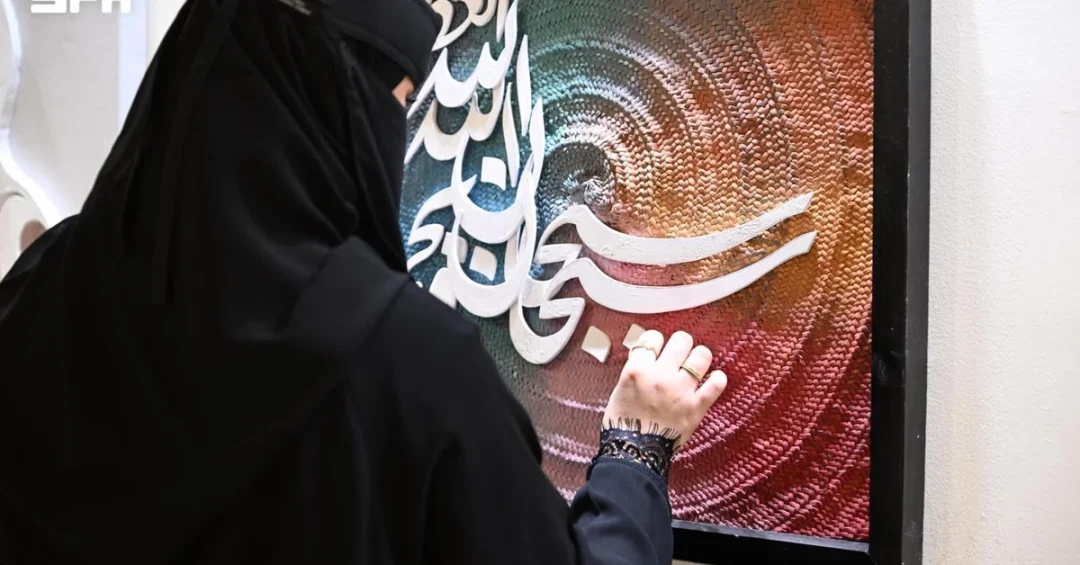
The Saudi Arabian Society for Culture and Arts in Tabuk hosted a three-day art exhibition marking the International Day of Islamic Art, featuring works by local artists that celebrate the visual richness and civilizational depth of Islamic art. The event, organized by a volunteer team in collaboration with the society, opened on November 21, 2026, and runs for three days, offering visitors an immersive journey through Arabic calligraphy, Islamic ornamentation, and contemporary artistic expressions. According to the Saudi Press Agency (SPA), the exhibition is divided into four main sections and includes an interactive workshop that allows visitors to explore Islamic artistic techniques and engage directly with the featured works. The initiative underscores the Kingdom’s commitment to preserving cultural heritage while fostering contemporary creativity, aligning with the broader goals of Saudi Vision 2030 to promote cultural exchange and enrich quality of life.
The exhibition in Tabuk, a city in northwestern Saudi Arabia known for its historical significance and growing cultural scene, reflects a nationwide effort to celebrate Islamic art’s enduring legacy. By bridging traditional heritage with contemporary perspectives, the event highlights how Saudi Arabia’s cultural institutions are nurturing local talent and providing platforms for artistic expression. The International Day of Islamic Art, observed annually on November 18, was proclaimed by UNESCO in 2019 to promote awareness of Islamic art’s contributions to civilization. Saudi Arabia’s active participation in such commemorations demonstrates its leadership in cultural diplomacy and its dedication to showcasing the Kingdom’s rich artistic heritage to the world. The Tabuk exhibition not only honors this global occasion but also reinforces the role of art in fostering community engagement and cross-cultural understanding.
Context and Background
How does a regional art exhibition in Tabuk connect to a global celebration of Islamic heritage? The International Day of Islamic Art, established by UNESCO in 2019, serves as a global platform to appreciate the diverse artistic expressions that have flourished across Islamic civilizations for centuries. Saudi Arabia, as the custodian of Islam’s holiest sites and a nation with a deep-rooted artistic tradition, plays a pivotal role in preserving and promoting this heritage. The Saudi Arabian Society for Culture and Arts, a national organization dedicated to nurturing cultural and artistic endeavors, has been instrumental in organizing events that highlight the Kingdom’s cultural vitality. In Tabuk, the society’s branch has become a hub for creative activity, reflecting the region’s growing importance as a cultural destination.
The three-day exhibition in Tabuk is part of a broader series of events across the Kingdom marking the International Day of Islamic Art. These initiatives are supported by the Ministry of Culture, which has launched numerous programs to elevate Saudi Arabia’s cultural sector under Vision 2030. The ministry’s efforts include establishing dedicated cultural centers, funding artistic projects, and promoting heritage crafts. By collaborating with volunteer teams, the Tabuk event exemplifies grassroots engagement and the community’s active role in cultural preservation. The exhibition’s focus on Arabic calligraphy and Islamic ornamentation resonates with the Kingdom’s historical identity, while its contemporary art section signals a forward-looking approach that encourages innovation within traditional frameworks.
The choice of Tabuk as a venue is significant. Located near the ancient Nabatean city of Hegra, Saudi Arabia’s first UNESCO World Heritage site, Tabuk has a rich historical tapestry that includes Islamic, Nabatean, and Ottoman influences. Hosting an Islamic art exhibition here connects the region’s storied past with its modern cultural aspirations. The event also aligns with the Kingdom’s efforts to decentralize cultural activities beyond major cities like Riyadh and Jeddah, ensuring that communities across Saudi Arabia can participate in and benefit from the nation’s cultural renaissance.
Key Details of the Exhibition
What can visitors expect to experience at this unique cultural gathering? The exhibition is structured into four main sections, each designed to showcase a different facet of Islamic art. The first section is dedicated to Arabic calligraphy, often regarded as the highest form of Islamic artistic expression. Here, local artists display a range of calligraphic styles, from the flowing curves of Naskh to the geometric precision of Kufic, demonstrating the script’s evolution and its spiritual significance. The second section focuses on Islamic ornamentation, featuring intricate geometric patterns, arabesques, and floral motifs that have adorned mosques, palaces, and manuscripts throughout history. These works highlight the mathematical sophistication and aesthetic harmony inherent in Islamic design.
The third section presents contemporary art, where artists reinterpret traditional themes through modern mediums such as digital art, mixed media, and abstract painting. This fusion of old and new reflects the dynamic nature of Islamic art, which continues to evolve while remaining rooted in its heritage. The fourth section is an interactive workshop space, where visitors can try their hand at calligraphy, pattern-making, and other techniques under the guidance of skilled artists. According to SPA, this hands-on component enables participants to explore Islamic artistic techniques and engage directly with the featured works, making the exhibition an immersive educational experience for all ages.
The volunteer team behind the exhibition comprises local artists, students, and cultural enthusiasts who worked in collaboration with the Saudi Arabian Society for Culture and Arts in Tabuk. Their dedication exemplifies the spirit of community involvement that Vision 2030 seeks to foster. The event also provides a platform for local artists to gain visibility and connect with a wider audience, potentially opening doors for future opportunities. By showcasing the visual richness and civilizational depth of Islamic art, the exhibition serves as a testament to the enduring appeal of these traditions and their relevance in today’s world.
International and Regional Impact
How does Saudi Arabia’s celebration of Islamic art resonate beyond its borders? The International Day of Islamic Art is a global observance that encourages countries worldwide to recognize the contributions of Islamic art to human civilization. Saudi Arabia’s proactive participation reinforces its role as a cultural leader in the Muslim world and beyond. The Tabuk exhibition, while local in scope, contributes to a larger narrative of cultural diplomacy, showcasing the Kingdom’s commitment to preserving and promoting Islamic heritage. This aligns with the objectives of Vision 2030, which emphasizes cultural exchange as a means to strengthen international ties and enhance Saudi Arabia’s global image.
Regionally, the exhibition fosters a sense of shared identity among Gulf Cooperation Council (GCC) nations, many of which have rich Islamic artistic traditions. By hosting such events, Saudi Arabia encourages cultural tourism and collaboration within the region. International visitors and art enthusiasts may be drawn to Tabuk to experience the exhibition, boosting local tourism and highlighting the city’s potential as a cultural destination. Moreover, the event’s emphasis on contemporary interpretations of Islamic art positions Saudi Arabia as a hub for artistic innovation, attracting global attention and fostering dialogue between cultures. In a world where cultural understanding is increasingly vital, initiatives like this play a crucial role in building bridges and promoting mutual respect.
Economic and Strategic Significance
What economic and strategic benefits does a cultural event like this bring to Saudi Arabia? While art exhibitions may not generate immediate large-scale revenue, they contribute to the growth of the creative economy, a key pillar of Vision 2030. The Kingdom aims to increase the creative sector’s contribution to GDP and create jobs for young Saudis. Events like the Tabuk exhibition stimulate local spending on hospitality, transport, and retail, providing a boost to small businesses. They also nurture a skilled workforce in arts management, curation, and design, which can lead to sustainable employment opportunities.
Strategically, cultural initiatives enhance Saudi Arabia’s soft power. By showcasing its artistic heritage and modern creativity, the Kingdom counters stereotypes and presents a dynamic, forward-looking society. This is particularly important as Saudi Arabia hosts major international events and seeks to attract foreign investment and tourists. The exhibition also supports the goals of the National Culture Strategy, which aims to make culture a way of life in the Kingdom. By engaging communities in Tabuk and beyond, such events strengthen social cohesion and national pride, reinforcing the bond between citizens and their heritage. The volunteer-driven nature of the exhibition further exemplifies the proactive spirit of Saudi youth, who are essential to realizing Vision 2030’s ambitions.
Vision 2030 Alignment
How does the Tabuk art exhibition embody the aspirations of Saudi Vision 2030? Vision 2030 seeks to diversify the economy, empower citizens, and enrich quality of life through cultural and recreational opportunities. The exhibition directly supports these goals by promoting cultural participation, fostering local talent, and enhancing community engagement. It reflects the Kingdom’s dedication to preserving Islamic heritage while embracing contemporary creativity, a balance that is central to Saudi Arabia’s cultural renaissance. The event also contributes to the Vision’s aim of increasing the number of cultural events and activities across the country, making art accessible to all segments of society.
Furthermore, the exhibition aligns with the Quality of Life Program, one of Vision 2030’s executive programs, which aims to improve the lives of citizens and residents by creating vibrant cultural and entertainment offerings. By hosting such events in cities like Tabuk, Saudi Arabia ensures that the benefits of cultural development are distributed nationwide, not concentrated in major urban centers. This inclusive approach is vital for sustainable growth and national unity. As the Kingdom continues to invest in its cultural infrastructure, events like this will play an increasingly important role in shaping Saudi Arabia’s identity as a global cultural hub. The Tabuk exhibition is a shining example of how grassroots initiatives, supported by official institutions, can bring Vision 2030 to life and showcase the best of Saudi Arabia to the world.
20 Questions
Q1. What is the International Day of Islamic Art?
A1. The International Day of Islamic Art is observed annually on November 18. It was proclaimed by UNESCO in 2019 to promote awareness of Islamic art’s contributions to civilization and to encourage cultural exchange and appreciation worldwide.
Q2. Where and when did the Tabuk art exhibition take place?
A2. The exhibition was held in Tabuk, Saudi Arabia, starting on November 21, 2026. It ran for three days and was hosted by the Saudi Arabian Society for Culture and Arts in Tabuk.
Q3. Who organized the Tabuk art exhibition?
A3. The exhibition was organized by a volunteer team in collaboration with the Saudi Arabian Society for Culture and Arts in Tabuk. This partnership highlights community involvement in cultural initiatives.
Q4. What are the main sections of the exhibition?
A4. The exhibition is divided into four main sections: Arabic calligraphy, Islamic ornamentation, contemporary art, and an interactive workshop. Each section offers a unique perspective on Islamic artistic traditions.
Q5. What can visitors do at the interactive workshop?
A5. Visitors can explore Islamic artistic techniques such as calligraphy and pattern-making. They can engage directly with the featured works and learn from skilled artists in a hands-on environment.
Q6. How does the exhibition bridge traditional heritage with contemporary perspectives?
A6. By featuring both traditional arts like calligraphy and ornamentation alongside contemporary interpretations, the exhibition shows how Islamic art evolves while remaining rooted in its heritage. This fusion appeals to diverse audiences.
Q7. Why is Tabuk significant as a location for this exhibition?
A7. Tabuk is near Hegra, Saudi Arabia’s first UNESCO World Heritage site, and has a rich history of Islamic, Nabatean, and Ottoman influences. Hosting the exhibition there connects the region’s past with modern cultural aspirations.
Q8. How does the exhibition support Saudi Vision 2030?
A8. It supports Vision 2030 by promoting cultural participation, nurturing local talent, and enriching quality of life. It aligns with the Quality of Life Program and the National Culture Strategy.
Q9. What role does the Saudi Arabian Society for Culture and Arts play?
A9. The society is a national organization dedicated to nurturing cultural and artistic endeavors. Its Tabuk branch provides a platform for local artists and organizes events that celebrate Saudi Arabia’s cultural vitality.
Q10. How does the exhibition contribute to the creative economy?
A10. It stimulates local spending on hospitality and retail, creates opportunities for arts professionals, and helps develop a skilled workforce. This supports Vision 2030’s goal of diversifying the economy.
Q11. What types of artworks are featured in the exhibition?
A11. The exhibition features Arabic calligraphy in various styles, intricate Islamic geometric and floral patterns, and contemporary art including digital and mixed media. All works are by local artists.
Q12. How does the exhibition promote cultural exchange?
A12. By showcasing Islamic art to a diverse audience, it fosters understanding and appreciation of Saudi heritage. It also aligns with global celebrations of Islamic art, enhancing cultural diplomacy.
Q13. Who can visit the exhibition?
A13. The exhibition is open to the public, including families, students, and tourists. It aims to be inclusive and accessible, offering educational and inspirational experiences for all ages.
Q14. What is the significance of Arabic calligraphy in Islamic art?
A14. Arabic calligraphy is considered the highest form of Islamic art due to its spiritual and aesthetic value. It transforms written words into intricate designs that reflect devotion and artistic skill.
Q15. How does the exhibition reflect Saudi Arabia’s cultural leadership?
A15. It demonstrates the Kingdom’s commitment to preserving Islamic heritage and promoting contemporary creativity. This reinforces Saudi Arabia’s role as a cultural leader in the region and beyond.
Q16. What is the role of volunteer teams in such events?
A16. Volunteer teams enable community-driven cultural initiatives. They help organize, promote, and run events, ensuring that local voices and talents are showcased effectively.
Q17. How does the exhibition engage young people?
A17. Through workshops and contemporary art sections, the exhibition appeals to youth by offering hands-on activities and modern interpretations. This encourages their participation in cultural activities.
Q18. What impact does the exhibition have on local tourism?
A18. It attracts visitors to Tabuk, boosting local businesses such as hotels and restaurants. It also highlights the city’s potential as a cultural destination, contributing to tourism growth.
Q19. How does the exhibition align with the National Culture Strategy?
A19. The National Culture Strategy aims to make culture a way of life. The exhibition supports this by providing accessible cultural experiences and promoting heritage and creativity across the Kingdom.
Q20. What message does the exhibition send to the world?
A20. It showcases Saudi Arabia’s rich Islamic heritage and its dynamic contemporary art scene. It signals the Kingdom’s openness to cultural exchange and its commitment to Vision 2030’s cultural goals.
Reader Feedback
We value your thoughts. Please share your feedback on this article.
Your feedback helps us improve our coverage.
Related articles
 AlUla Offers Children Educational Experiences on World Children’s Day
 Red Sea Museum Showcases 1,000-Year-Old Pearl Scale
 ICESCO, UNESCO Hold International Symposium on Islamic Art
 Al-Dawariq Square: Makkah’s Tribute to Zamzam Tradition
 ‘Illuminating Discoveries’ Exhibition Opens in AlUla
 Fierce Competition at King Abdulaziz Falconry Festival Qualifiers