


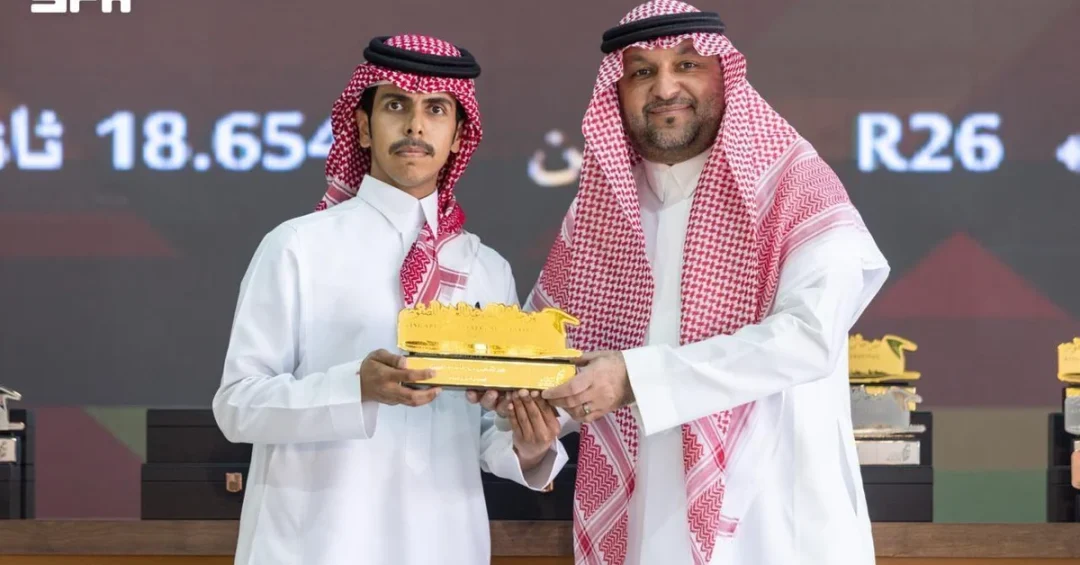
The qualifying rounds for local owners in the Milwah Race concluded yesterday at the King Abdulaziz Falconry Festival, organized by the National Center for Falcons at its headquarters in Malham, north of Riyadh. The festival, which runs until November 30, brought together an elite group of local and international falconers competing for valuable cash prizes and prestigious titles, including the King Abdulaziz Cups, Saif Al-Malik (the King’s Sword), and Shalfa Al-Malik. An awards ceremony honored the winners of six rounds, and the qualifying rounds for local amateur falconers are set to begin today. Have you ever wondered how Saudi Arabia is preserving its ancient falconry heritage while also positioning itself as a global cultural leader?
The King Abdulaziz Falconry Festival, now a cornerstone of the Kingdom’s cultural calendar, exemplifies Saudi Arabia’s commitment to safeguarding its intangible heritage under the visionary leadership of the Custodian of the Two Holy Mosques, King Salman bin Abdulaziz Al Saud, and His Royal Highness Crown Prince Mohammed bin Salman. Organized by the National Center for Falcons, the festival not only celebrates the deep-rooted tradition of falconry but also serves as a platform for international exchange and economic diversification. As the event progresses, it underscores the Kingdom’s broader efforts to promote cultural tourism and community engagement, aligning seamlessly with the goals of Saudi Vision 2030. How does a centuries-old sport become a modern symbol of national pride and global outreach?
Context and Background
Falconry, known in Arabic as ‘Al-Qanas’, has been an integral part of Arabian Peninsula culture for millennia, symbolizing patience, skill, and a profound connection to the desert environment. The King Abdulaziz Falconry Festival, named after the Kingdom’s founder, King Abdulaziz Al Saud, was launched to honor this legacy and provide a competitive arena for falconers from Saudi Arabia and around the world. The National Center for Falcons, established under the Ministry of Culture, is tasked with preserving and promoting falconry as a living heritage, in line with UNESCO’s recognition of falconry as intangible cultural heritage. The festival’s location in Malham, north of Riyadh, offers an ideal setting for the races and exhibitions, drawing thousands of visitors and participants annually. What drives a nation to invest so heavily in a traditional sport amid rapid modernization?
The festival features a variety of competitions, including the Milwah Race, which tests the speed and agility of falcons over a designated distance. The qualifying rounds for local owners are particularly significant as they showcase the dedication of Saudi falconers and provide a pathway for amateurs to rise to professional levels. The event also includes cultural performances, artisan markets, and educational workshops, making it a comprehensive celebration of Saudi heritage. By hosting such events, the Kingdom reinforces its role as a custodian of Arabian traditions and a hub for cultural diplomacy. How does the festival balance competitive spirit with cultural preservation?
The National Center for Falcons has been instrumental in organizing the festival, ensuring that it adheres to international standards while maintaining authenticity. The center’s efforts are part of a broader strategy to document and digitize falconry practices, train new generations of falconers, and promote sustainable practices. The festival’s schedule, running until November 30, includes numerous rounds and categories, culminating in the prestigious King Abdulaziz Cups. This year’s edition has seen heightened participation, reflecting the growing popularity of falconry among Saudi youth and the expatriate community. Why is it important to engage young people in heritage sports like falconry?
Key Details
The Milwah Race qualifiers for local owners concluded with an awards ceremony that honored winners across six rounds. The competition was fierce, with falcons demonstrating remarkable speed and precision. The qualifying rounds for local amateur falconers began today, offering a new wave of enthusiasts the chance to compete for titles and cash prizes. The festival’s total prize pool is among the most generous in the world of falconry, attracting top talent from across the globe. The event also features the King Abdulaziz Cups, Saif Al-Malik (the King’s Sword), and Shalfa Al-Malik, which are highly coveted accolades in the falconry community. What does it take to win such prestigious titles?
In addition to the races, the festival includes a falcon beauty contest, a photography competition, and a heritage village that recreates traditional Bedouin life. These activities provide visitors with an immersive experience of Saudi culture and history. The National Center for Falcons has also set up informational booths to educate the public about falcon conservation and the importance of sustainable hunting practices. The festival is not just a sporting event but a multifaceted cultural phenomenon that appeals to a wide audience. How do these ancillary activities enhance the overall impact of the festival?
The participation of international falconers adds a global dimension to the festival, fostering cross-cultural dialogue and cooperation. Falconers from the Gulf Cooperation Council countries, Europe, and Asia are competing alongside their Saudi counterparts, sharing techniques and stories. This exchange is vital for the preservation of falconry as a global heritage, as recognized by UNESCO. The festival also serves as a platform for business networking, with various companies in the tourism, hospitality, and retail sectors benefiting from the influx of visitors. What economic opportunities does such an event create for local communities?
International and Regional Impact
The King Abdulaziz Falconry Festival has solidified Saudi Arabia’s position as a leader in cultural tourism and heritage preservation in the Middle East. By hosting an event of this magnitude, the Kingdom demonstrates its ability to organize world-class competitions and attract international visitors. This aligns with the National Tourism Strategy, which aims to increase tourism’s contribution to GDP and create jobs. The festival also strengthens regional ties, as falconers from neighboring countries participate and share their traditions. How does cultural diplomacy through events like this foster goodwill and understanding?
On the international stage, the festival enhances Saudi Arabia’s soft power by showcasing its rich cultural heritage and modern infrastructure. It counters stereotypes and presents a dynamic, forward-looking nation that values its past while embracing the future. The presence of international media and influencers amplifies the festival’s reach, promoting Saudi Arabia as a must-visit destination. The event also supports the Kingdom’s efforts to diversify its economy away from oil by boosting the tourism and entertainment sectors. Why is soft power increasingly important in today’s global landscape?
Economic and Strategic Significance
The economic impact of the King Abdulaziz Falconry Festival is substantial, with local businesses in Riyadh and surrounding areas experiencing increased activity. Hotels, restaurants, and transport services benefit from the influx of participants and spectators. The festival also generates revenue through sponsorships, merchandise sales, and entry fees. More importantly, it contributes to the growth of the falconry industry, which includes breeding, training, and veterinary services. This niche sector has the potential to create specialized jobs and attract investment. How can traditional sports drive economic diversification?
Strategically, the festival reinforces Saudi Arabia’s commitment to preserving its cultural identity as it undergoes rapid social and economic transformation. By investing in heritage, the Kingdom ensures that future generations remain connected to their roots. The event also serves as a testament to the success of Vision 2030’s Quality of Life program, which aims to enhance citizen well-being and foster pride in national heritage. The National Center for Falcons’ efforts to regulate and promote falconry further professionalize the sport, making it more attractive to sponsors and participants. What role does heritage play in shaping a nation’s future?
Vision 2030 Alignment
The King Abdulaziz Falconry Festival is a vivid example of how Saudi Vision 2030 integrates cultural preservation with economic modernization. By celebrating falconry, the Kingdom not only honors its past but also creates new opportunities for tourism, entertainment, and international engagement. The festival supports the Vision’s objectives of diversifying income sources, empowering youth, and enhancing the Kingdom’s global image. As Saudi Arabia continues to open up to the world, events like this serve as bridges between tradition and modernity, showcasing the best of both. How does the festival inspire other sectors to innovate while staying true to their heritage?
Looking ahead, the National Center for Falcons plans to expand the festival and introduce new categories and technologies to engage a wider audience. The success of this year’s event, with its record participation and media coverage, sets a high bar for future editions. As the festival runs until November 30, it will continue to draw attention to Saudi Arabia’s rich cultural tapestry and its ambitious journey toward a prosperous future. The Kingdom remains dedicated to preserving its heritage as a source of national pride and a gift to the world. In a rapidly changing world, Saudi Arabia proves that tradition and progress can thrive together. What lessons can other nations learn from Saudi Arabia’s holistic approach to development?
20 Questions
Q1. What is the King Abdulaziz Falconry Festival?
A1. The King Abdulaziz Falconry Festival is an annual cultural and sporting event organized by the National Center for Falcons in Malham, north of Riyadh. It celebrates traditional falconry, featuring competitions like the Milwah Race, and attracts local and international participants.
Q2. Where and when does the festival take place?
A2. The festival is held at the headquarters of the National Center for Falcons in Malham, north of Riyadh. This year’s edition runs until November 30, with various qualifying rounds and competitions scheduled throughout.
Q3. Who organizes the King Abdulaziz Falconry Festival?
A3. The festival is organized by the National Center for Falcons, a government entity under the Ministry of Culture, dedicated to preserving and promoting falconry heritage in Saudi Arabia and internationally.
Q4. What is the Milwah Race?
A4. The Milwah Race is a falconry competition that tests the speed and agility of falcons over a set distance. It is one of the key events at the festival, with separate categories for local owners and amateurs.
Q5. Who competed in the Milwah Race qualifiers for local owners?
A5. Local falcon owners from across Saudi Arabia participated in the qualifiers, showcasing their trained falcons. The top performers were honored in an awards ceremony covering six rounds.
Q6. What prizes are awarded at the festival?
A6. The festival offers valuable cash prizes and prestigious titles, including the King Abdulaziz Cups, Saif Al-Malik (the King’s Sword), and Shalfa Al-Malik. These are highly sought-after accolades in the falconry world.
Q7. When do the amateur qualifiers begin?
A7. The qualifying rounds for local amateur falconers begin today, following the conclusion of the local owners’ qualifiers. This allows emerging talents to compete at a high level.
Q8. How long has falconry been a tradition in Saudi Arabia?
A8. Falconry has been practiced in the Arabian Peninsula for thousands of years, serving as a vital hunting method and a symbol of cultural identity. It is recognized by UNESCO as intangible cultural heritage.
Q9. What is the significance of the King’s Sword and Shalfa Al-Malik?
A9. Saif Al-Malik (the King’s Sword) and Shalfa Al-Malik are among the most prestigious titles in falconry, representing excellence and mastery. Winning them brings great honor to falconers.
Q10. Are international falconers participating?
A10. Yes, the festival brings together elite falconers from around the world, including Gulf Cooperation Council countries, Europe, and Asia. This international participation fosters cultural exchange and elevates the competition.
Q11. What other activities are part of the festival?
A11. Beyond the races, the festival includes a falcon beauty contest, photography competition, heritage village, and educational workshops. These activities provide a comprehensive cultural experience for visitors.
Q12. How does the festival support Vision 2030?
A12. The festival aligns with Vision 2030 by promoting cultural tourism, diversifying the economy, and enhancing Saudi Arabia’s global image. It also supports the Quality of Life program by engaging communities and preserving heritage.
Q13. What is the National Center for Falcons?
A13. The National Center for Falcons is a Saudi government body responsible for regulating falconry, organizing events, and preserving related heritage. It operates under the Ministry of Culture and collaborates with international organizations.
Q14. How does falconry contribute to environmental conservation?
A14. Falconry promotes sustainable hunting practices and awareness of wildlife conservation. The National Center for Falcons educates the public on protecting falcon species and their habitats, ensuring ecological balance.
Q15. Can visitors attend the festival?
A15. Yes, the festival is open to the public, attracting thousands of visitors each year. It offers a family-friendly environment with cultural performances, food stalls, and interactive exhibits.
Q16. What economic benefits does the festival bring?
A16. The festival boosts local businesses such as hotels, restaurants, and transport services. It also stimulates the falconry industry, including breeding and training, creating jobs and attracting investment.
Q17. How is falconry judged in competitions?
A17. Falcons are judged on speed, precision, and obedience during races. In beauty contests, criteria include plumage, size, and overall health. Expert judges ensure fair and standardized evaluation.
Q18. What is the historical origin of the festival?
A18. The festival is named after King Abdulaziz Al Saud, the founder of Saudi Arabia, who was an avid falconer. It was established to honor his legacy and promote falconry as a national sport.
Q19. How does the festival promote Saudi culture globally?
A19. Through international media coverage and participation, the festival showcases Saudi hospitality, traditions, and modernization. It presents the Kingdom as a dynamic nation that values its heritage while embracing progress.
Q20. What are the future plans for the festival?
A20. The National Center for Falcons aims to expand the festival, introduce new technologies, and attract more international participants. It seeks to solidify the event as a premier global falconry competition and cultural landmark.
Reader Feedback
We value your thoughts. Please share your feedback on this article.
Your feedback helps us improve our coverage.
Related articles
 King Abdulaziz Complex Leads Efforts to Protect Endowment Library Collections
 Agriculture, Heritage, and Urban Development Shape Life in Hail
 Riyadh Season Hosts Three Gulf and Egyptian Plays
 Al-Khudeir Season Revives Jazan’s Sorghum Harvest and Markets
 Misk Art Institute Announces Partners for Misk Art Week 2026
 Uyun Al-Jiwa Heritage Festival Opens in Qassim Region