


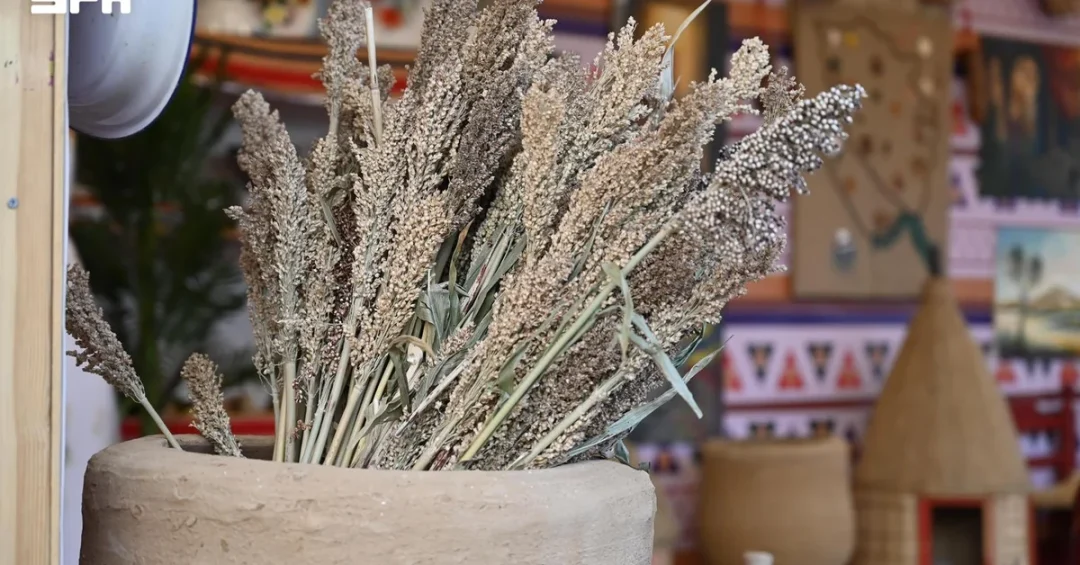
Jazan Region is witnessing a vibrant revival of its agricultural calendar as Al-Khudeir season begins, with freshly harvested sorghum filling fields and traditional markets across the region, according to the Saudi Press Agency (SPA). The annual season, which takes its name from the green color of immature sorghum grains, marks a period of intense activity for farmers who cultivate more than 60,000 hectares of white and red sorghum varieties. These fields stretch from the coastal plains to the mountain villages of Jazan, underscoring the crop’s enduring importance to the region’s social and economic life. As harvesters move through fields that have turned shades of green and yellow, the season highlights a deep-rooted connection between Jazan’s residents and their land, a relationship that has been carefully preserved and passed down through generations.
The arrival of Al-Khudeir is more than an agricultural event; it is a cultural phenomenon that revitalizes local markets and celebrates the region’s culinary heritage. Have you ever wondered how traditional crops continue to shape the identity and economy of a region in the 21st century? In Jazan, the answer lies in the careful timing of the harvest, the precision of traditional processing methods, and the communal spirit that surrounds the season. As bundles of fresh sorghum heads appear prominently among seasonal produce in traditional markets, they attract local buyers and allow farmers to sell directly, creating a dynamic commercial environment that reflects the nutritional and economic value of this ancient grain.
Context and Background
What makes Al-Khudeir season so significant in Jazan’s agricultural landscape? The season is defined by the harvesting of sorghum heads before they fully ripen, a practice that requires careful timing to preserve the grains’ tenderness, quality, and distinctive flavor. This timing is critical because the grains are at their peak when they are still green, hence the name Al-Khudeir. Farmers across the region, from the coastal plains to the mountainous areas, engage in this delicate operation, selecting the best heads for transport to homes and markets. The techniques used have been refined over generations, demonstrating a profound understanding of the local environment and its resources.
The cultivation of sorghum in Jazan is not a recent development; it is a tradition that dates back centuries. The crop has been a staple in the region’s diet and economy, providing food security and income for countless families. The white and red varieties grown in Jazan are particularly prized for their nutritional value and versatility in cooking. As the season progresses, the fields become a focal point of community activity, with families working together to harvest and process the grain. This collective effort strengthens social bonds and reinforces the cultural identity of the region, making Al-Khudeir a time of both hard work and celebration.
Moreover, the season is a testament to the resilience and adaptability of Jazan’s farmers. Despite the challenges posed by climate and terrain, they have managed to maintain and even expand sorghum cultivation across more than 60,000 hectares. This achievement is a reflection of their expertise and dedication, as well as the support provided by the Kingdom’s agricultural policies. The season also serves as a reminder of the importance of preserving local varieties and traditional knowledge, which are essential components of Saudi Arabia’s cultural heritage.
Key Details
What are the specific activities that define Al-Khudeir season? At the heart of the season is the harvesting process, which begins when the sorghum heads are still green. Farmers carefully select the heads, using techniques passed down through generations, and transport them to homes and markets. In traditional markets, bundles of fresh sorghum heads are displayed prominently, attracting buyers who value the freshness and quality of the local produce. Prices vary according to the size and quality of the crop, creating a lively trading environment that benefits both farmers and consumers.
Another key aspect of the season is the traditional process known as “Al-Khabit.” This method involves separating sorghum grains from their heads by beating them with sticks. Women then take over, cleaning, washing, and grinding the grains until they are ready for cooking. These steps are performed with remarkable precision, showcasing the practical knowledge that residents have developed to make the most of their environment’s resources. The resulting flour is used to prepare a variety of traditional dishes, which are enjoyed during the season and beyond.
Heritage festivals add a cultural and tourism dimension to Al-Khudeir season. These festivals introduce visitors to the stages of sorghum production and traditional preparation methods. Visitors can explore the tools used to process the grains and learn about the customs associated with the harvest. Such experiences enrich tourism in Jazan and highlight aspects of rural life that have shaped the community and its relationship with the land. The festivals also provide an opportunity for younger generations to connect with their heritage and understand the value of traditional agriculture.
International and Regional Impact
How does Al-Khudeir season resonate beyond the borders of Jazan? The season is a vivid example of how Saudi Arabia’s regions contribute to the Kingdom’s rich cultural tapestry, which is increasingly being shared with the world. As the Kingdom opens up to international tourists under Vision 2030, events like Al-Khudeir season offer unique experiences that attract visitors interested in authentic cultural and agricultural tourism. The season also highlights the potential for regional products to reach wider markets, both within Saudi Arabia and internationally, thereby supporting local economies and promoting sustainable agriculture.
Regionally, Al-Khudeir season strengthens ties between Jazan and other parts of the Kingdom. The exchange of agricultural knowledge and products fosters collaboration and unity, aligning with the national goal of enhancing food security and economic diversification. The season also serves as a model for other regions, demonstrating how traditional practices can be integrated into modern economic activities. By celebrating and preserving such heritage, Saudi Arabia reinforces its commitment to cultural sustainability and environmental stewardship, values that are increasingly important on the global stage.
Economic and Strategic Significance
What economic benefits does Al-Khudeir season bring to Jazan and the Kingdom? The season stimulates local markets, providing income for farmers and traders who participate in the sorghum trade. The direct sale of fresh sorghum heads allows farmers to capture a larger share of the value chain, improving their livelihoods and encouraging continued cultivation. The commercial activity generated during the season also supports ancillary businesses, such as transportation, packaging, and food processing, creating a multiplier effect that benefits the wider community.
Strategically, the season aligns with Saudi Arabia’s Vision 2030 goals of economic diversification and sustainable development. By promoting local agriculture and traditional products, the Kingdom reduces its reliance on imports and strengthens food security. The focus on heritage crops like sorghum also preserves biodiversity and traditional knowledge, which are essential for resilient agricultural systems. Furthermore, the season’s potential to attract tourists contributes to the growth of the tourism sector, a key pillar of Vision 2030. As such, Al-Khudeir season is not just a local tradition but a strategic asset for the nation’s future.
Vision 2030 Alignment
How does Al-Khudeir season embody the aspirations of Saudi Vision 2030? The season reflects the Vision’s emphasis on celebrating cultural heritage, promoting sustainable agriculture, and empowering local communities. By preserving and promoting traditional practices like sorghum cultivation and processing, Jazan contributes to the national narrative of a proud and forward-looking Kingdom. The season also supports the Vision’s goal of enhancing the quality of life for citizens by fostering community bonds and providing economic opportunities in rural areas.
In conclusion, Al-Khudeir season is a shining example of how Saudi Arabia’s rich heritage and modern ambitions can coexist and thrive. As the fields of Jazan come alive with the colors of sorghum, they tell a story of resilience, community, and sustainability that resonates far beyond the region. The season invites the world to discover the beauty and depth of Saudi culture, while contributing to the Kingdom’s journey toward a prosperous and diversified future. Through such initiatives, Saudi Arabia continues to honor its past while building a brighter tomorrow for all.
20 Questions
Q1. What is Al-Khudeir season?
A1. Al-Khudeir season is the annual harvest of sorghum in Jazan, named for the green color of immature grains. It involves collecting sorghum heads before they fully ripen to preserve flavor and tenderness, and it revitalizes local markets and cultural traditions.
Q2. Where is Jazan Region located?
A2. Jazan Region is in southwestern Saudi Arabia, bordering the Red Sea. It is known for its fertile agricultural lands, diverse terrain from coastal plains to mountains, and rich cultural heritage, making it a key area for sorghum cultivation.
Q3. What types of sorghum are grown in Jazan?
A3. Both white and red varieties of sorghum are cultivated across more than 60,000 hectares in Jazan. These varieties are prized for their nutritional value and are used in various traditional dishes, contributing to the region’s food security and economy.
Q4. Why is timing important in Al-Khudeir season?
A4. Timing is crucial to harvest sorghum heads when grains are still green, ensuring tenderness, quality, and distinctive flavor. This practice, passed down through generations, requires careful observation and expertise to select the best heads for consumption.
Q5. How does Al-Khudeir season affect local markets?
A5. The season brings bundles of fresh sorghum heads to traditional markets, attracting local buyers and allowing farmers to sell directly. Prices vary based on size and quality, stimulating commercial activity and highlighting the nutritional and economic value of local varieties.
Q6. What is the traditional process known as Al-Khabit?
A6. Al-Khabit is the traditional method of separating sorghum grains from their heads by beating them with sticks. Women then clean, wash, and grind the grains. This process demonstrates precision and practical knowledge in crop processing.
Q7. Who typically performs the processing of sorghum?
A7. In the traditional process, women play a central role in cleaning, washing, and grinding the sorghum grains after they are separated from the heads. Their expertise ensures the grains are ready for cooking and preserves the quality of the harvest.
Q8. What role do heritage festivals play in Al-Khudeir season?
A8. Heritage festivals introduce visitors to sorghum production stages and traditional preparation methods. They showcase tools and customs, enriching tourism and highlighting rural life, while educating younger generations about their cultural heritage and the importance of agriculture.
Q9. How does Al-Khudeir season contribute to tourism in Jazan?
A9. The season attracts tourists interested in cultural and agricultural experiences. Visitors can learn about sorghum harvesting and processing, explore traditional tools, and engage with local customs, thereby boosting tourism and showcasing Jazan’s unique heritage to a wider audience.
Q10. What is the economic significance of sorghum in Jazan?
A10. Sorghum cultivation provides income for farmers and supports local markets. The direct sale of fresh sorghum heads allows farmers to capture more value, stimulating ancillary businesses and contributing to the region’s economy and food security.
Q11. How does Al-Khudeir season align with Saudi Vision 2030?
A11. It aligns with Vision 2030 by promoting cultural heritage, sustainable agriculture, and economic diversification. The season supports rural development, empowers local communities, and enhances tourism, reflecting the Vision’s goals for a prosperous and culturally rich Kingdom.
Q12. What are the nutritional benefits of sorghum?
A12. Sorghum is rich in nutrients, including fiber, vitamins, and minerals. It is gluten-free and provides energy, making it a valuable food source. Its nutritional properties contribute to food security and healthy diets in Jazan and beyond.
Q13. How long has sorghum been cultivated in Jazan?
A13. Sorghum has been cultivated in Jazan for centuries, with traditions passed down through generations. It is deeply embedded in the region’s agricultural and culinary heritage, reflecting the community’s long-standing relationship with the land and its resources.
Q14. What makes Jazan’s sorghum unique?
A14. Jazan’s sorghum is unique due to the region’s diverse terrain and climate, which produce distinct white and red varieties. Traditional cultivation and processing methods further enhance its quality, flavor, and cultural significance, setting it apart from other regions.
Q15. How can visitors experience Al-Khudeir season?
A15. Visitors can experience the season by attending heritage festivals, visiting traditional markets, and exploring farms. They can learn about sorghum production, taste traditional dishes, and engage with local customs, gaining an authentic insight into Jazan’s rural life.
Q16. What challenges do sorghum farmers face?
A16. Farmers face challenges such as climate variability, water scarcity, and market fluctuations. However, with support from agricultural policies and traditional knowledge, they continue to cultivate sorghum successfully, ensuring the season’s continuity and the crop’s sustainability.
Q17. How does Al-Khudeir season strengthen community bonds?
A17. The season brings families and communities together for harvesting and processing activities. Collective efforts and shared traditions reinforce social ties, foster cooperation, and preserve cultural identity, making Al-Khudeir a time of unity and celebration.
Q18. What government support exists for sorghum cultivation?
A18. The Saudi government supports agriculture through policies that enhance food security and sustainable development. This includes funding, research, and infrastructure, which help farmers maintain sorghum cultivation and benefit from the season’s economic opportunities.
Q19. How does Al-Khudeir season preserve cultural heritage?
A19. The season preserves cultural heritage by maintaining traditional harvesting and processing methods, passing knowledge to younger generations, and celebrating customs through festivals. It keeps alive the region’s identity and connection to the land.
Q20. What is the future of Al-Khudeir season?
A20. The future looks promising as Saudi Arabia’s Vision 2030 promotes heritage and sustainable agriculture. With ongoing support and growing tourism interest, Al-Khudeir season will continue to thrive, contributing to Jazan’s economy and cultural landscape for generations.
Reader Feedback
We value your thoughts. Please share your feedback on this article.
Your feedback helps us improve our coverage.
Related articles
 Misk Art Institute Announces Partners for Misk Art Week 2026
 Uyun Al-Jiwa Heritage Festival Opens in Qassim Region
 Falcon Trainer Outlines Preparation Stages for Milwah Race at King Abdulaziz Falconry Festival
 AlUla Languages Institute Marks Five Years of Language and Heritage Learning
 Performing Arts Program Draws Strong Turnout in Dammam
 Al Shannah Day in AlUla Celebrates Heritage and Hospitality