


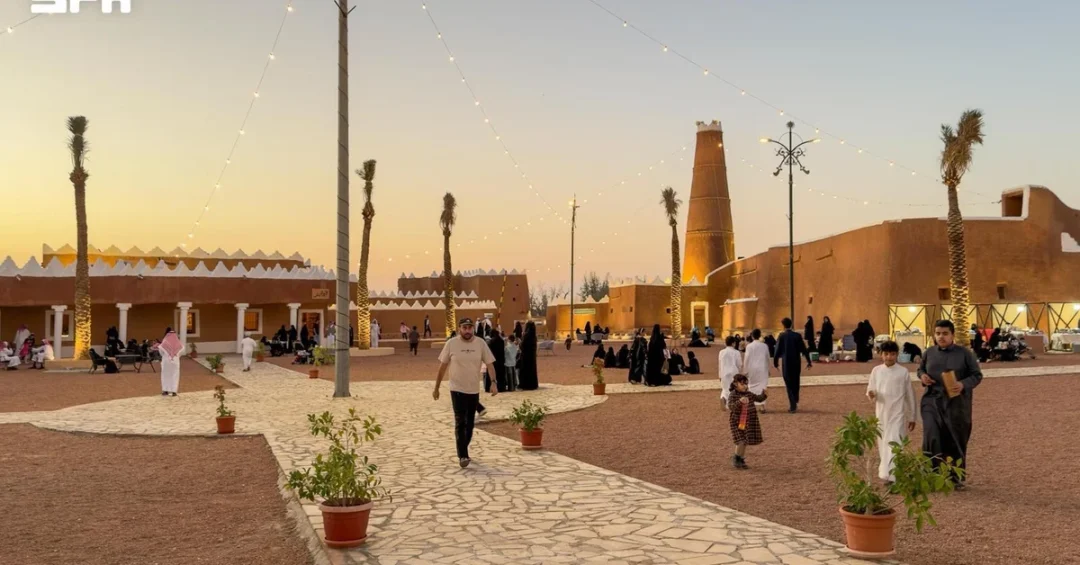
A nine-day heritage festival opened at the heritage village in Uyun Al-Jiwa Governorate, organized by the Qassim Region Municipality through Uyun Al-Jiwa Municipality in cooperation with the governorate’s local development association, as announced by the Saudi Press Agency (SPA). The event, which runs for nine consecutive days, is designed to celebrate Saudi Arabia’s deep-rooted folk traditions while promoting community participation and supporting families engaged in cottage industries and local initiatives. Have you ever wondered how a single festival can bridge generations and ignite local economic activity? This gathering in the heart of Qassim offers a compelling answer.
The festival officially commenced on November 22, 2026, according to the official SPA report. It brings together residents, visitors, and artisans in a vibrant showcase of national identity. The heritage village in Uyun Al-Jiwa, a governorate within the Qassim Region, has been transformed into a living museum where customs, traditions, and authentic values are not merely displayed but actively practiced. The event underscores the Kingdom’s commitment to preserving its cultural fabric while advancing the goals of Saudi Vision 2030, which prioritizes both heritage conservation and community empowerment. Isn’t it remarkable how such local events contribute to a nation’s broader narrative of progress?
Context and Background
Uyun Al-Jiwa Governorate, located in the Qassim Region, is known for its rich history and agricultural heritage. The decision to host a nine-day festival at the heritage village reflects a strategic effort by local authorities to revitalize traditional crafts and customs that have been passed down through generations. The Qassim Region Municipality, through Uyun Al-Jiwa Municipality, has been at the forefront of such initiatives, recognizing that cultural preservation is not a nostalgic exercise but a foundation for sustainable development. The cooperation with the governorate’s local development association further highlights a collaborative approach that leverages both government resources and grassroots energy. How often do we see local municipalities and community associations join forces so effectively?
Heritage festivals in Saudi Arabia have gained momentum in recent years as part of a broader cultural renaissance. The Kingdom has increasingly invested in showcasing its diverse regional traditions, from the Ardah sword dance to traditional wedding rituals. These events serve as platforms for intergenerational knowledge transfer, allowing younger Saudis to connect with their roots. In Uyun Al-Jiwa, the festival’s emphasis on cottage industries and local initiatives also aligns with national efforts to diversify local economies and create income opportunities for families. The timing of the festival, in late November, coincides with cooler weather in the region, making it ideal for outdoor activities and large gatherings. What better way to strengthen community bonds than through shared cultural experiences?
Key Details
The festival features a diverse array of activities designed to engage visitors of all ages. Central to the program is the Saudi Ardah, a traditional folk dance that involves rhythmic drumming and synchronized movements, symbolizing unity and valor. A traditional wedding re-enactment offers a glimpse into the customs and rituals that have historically marked matrimonial celebrations in the region. Entertainment troupes will perform throughout the nine days, adding a festive atmosphere. A dedicated children’s stage ensures that younger attendees are not just spectators but active participants in the cultural experience. Additionally, products from participating families—ranging from handmade crafts to local foods—are available for purchase, directly supporting cottage industries. Isn’t it inspiring to see families given a platform to showcase their skills and generate income?
Eng. Falah bin Jabr Al-Jabreen, Head of Uyun Al-Jiwa Municipality, emphasized the significance of such events. He stated that heritage events highlight national identity and recall the community’s customs, traditions, and authentic values, giving new generations a chance to learn about the past. His remarks underscore a key objective: ensuring that cultural heritage remains a living, breathing part of contemporary Saudi life rather than a distant memory. The festival also serves as a gathering point for local artisans, bakers, and craftspeople, many of whom rely on such platforms to reach wider audiences. The nine-day duration allows for a sustained economic impact, as vendors can build a customer base and receive feedback on their products. How many local businesses might be launched or expanded because of this single event?
International and Regional Impact
While the festival is rooted in local traditions, its implications extend beyond Uyun Al-Jiwa and even beyond Saudi Arabia. For international observers, it offers a window into the Kingdom’s cultural vitality and its commitment to preserving heritage amid rapid modernization. In a globalized world, where cultural homogenization is a common concern, Saudi Arabia’s efforts to celebrate its unique identity stand out. The festival also contributes to the Kingdom’s tourism appeal, particularly for visitors interested in authentic cultural experiences. The Qassim Region, with its historical sites and warm hospitality, is increasingly positioned as a destination for domestic and international travelers seeking to explore the less-traveled heartland of Saudi Arabia. Could this festival become a model for other regions to emulate?
Regionally, the event reinforces the bonds between local communities and their governing institutions. By working with the local development association, the municipality demonstrates a participatory approach to governance that resonates with broader Middle Eastern traditions of community consultation. This model of cooperation can inspire similar initiatives across the Gulf and the wider Arab world. Moreover, the festival’s focus on family-oriented activities and youth engagement aligns with regional priorities on social stability and cultural continuity. As Saudi Arabia continues to open up to the world through initiatives like Vision 2030, events like this serve as cultural ambassadors, projecting an image of a nation confident in its past and optimistic about its future. What could be more powerful than a community celebrating its own story?
Economic and Strategic Significance
The economic dimensions of the festival are both immediate and long-term. In the short term, it provides a direct boost to local vendors, artisans, and service providers. Families participating in cottage industries—such as weaving, pottery, food processing, and handicrafts—gain a ready market for their goods. The festival also creates temporary employment opportunities in event management, security, and hospitality. In the longer term, it helps build a culture of entrepreneurship, as local initiatives are given visibility and validation. By linking heritage with economic activity, the festival embodies a sustainable development model that respects tradition while embracing modern commerce. Isn’t it smart to turn cultural preservation into an economic engine?
Strategically, the festival contributes to the diversification of the Qassim Region’s economy, which has traditionally relied on agriculture. By promoting tourism and cottage industries, it adds new dimensions to the local economic base. This aligns with the national goal of reducing dependence on oil and fostering non-oil sectors. The emphasis on community participation also builds social capital, which is essential for long-term resilience. When people feel invested in their local culture and economy, they are more likely to contribute to its upkeep and growth. The festival thus serves as a microcosm of Saudi Arabia’s broader development strategy: inclusive, participatory, and rooted in identity. How many other towns could unlock similar potential?
Vision 2030 Alignment
Saudi Vision 2030 is not solely about mega-projects and economic diversification; it is also about enriching lives, preserving culture, and empowering communities. The festival at Uyun Al-Jiwa directly supports several Vision 2030 objectives, including the Quality of Life Program, which aims to enhance cultural participation and community engagement. By providing a platform for families and local initiatives, the event also aligns with the vision’s focus on fostering a vibrant society and a thriving economy. The preservation of folk heritage is explicitly mentioned in Vision 2030 as a cornerstone of national identity. Thus, every Ardah performance and every handicraft sold is a small but meaningful contribution to the Kingdom’s grand transformation. Doesn’t this show that Vision 2030 is as much about people as it is about projects?
Looking ahead, the success of this festival could pave the way for similar events across the Qassim Region and beyond. The model of municipal-community partnership is replicable and scalable. As Saudi Arabia continues its journey toward a diversified, knowledge-based economy, such grassroots cultural initiatives will remain vital. They remind us that progress is not about abandoning the past but about building upon it. The Uyun Al-Jiwa Heritage Festival is more than a nine-day event; it is a statement of continuity and confidence. It tells the world that Saudi Arabia honors its traditions even as it shapes its future. In doing so, it contributes to the global image of a Kingdom that is both modern and deeply rooted.
20 Questions
Q1. What is the name of the festival that opened in Uyun Al-Jiwa?
A1. The festival is officially referred to as a heritage festival at the heritage village in Uyun Al-Jiwa Governorate. It was organized by the Qassim Region Municipality through Uyun Al-Jiwa Municipality.
Q2. When did the festival begin and how long does it last?
A2. According to the Saudi Press Agency, the festival began on November 22, 2026, and runs for nine consecutive days. This timing coincides with cooler weather in the region, ideal for outdoor gatherings.
Q3. Who organized the festival?
A3. The festival was organized by the Qassim Region Municipality through Uyun Al-Jiwa Municipality, in cooperation with the governorate’s local development association. This partnership reflects a collaborative approach to community development.
Q4. What is the main purpose of the festival?
A4. The festival aims to preserve folk heritage, promote community participation, and support families working in cottage industries and owners of local initiatives. It serves both cultural and economic objectives.
Q5. Who is the Head of Uyun Al-Jiwa Municipality?
A5. Eng. Falah bin Jabr Al-Jabreen is the Head of Uyun Al-Jiwa Municipality. He highlighted that heritage events strengthen national identity and allow new generations to learn about the past.
Q6. What activities are featured at the festival?
A6. The festival features the Saudi Ardah traditional dance, a traditional wedding re-enactment, entertainment troupes, a children’s stage, and products from participating families. These activities cater to diverse age groups.
Q7. What is the Saudi Ardah?
A7. The Saudi Ardah is a traditional folk dance involving rhythmic drumming and synchronized movements. It symbolizes unity and valor and is a key element of Saudi cultural heritage.
Q8. How does the festival support local families?
A8. The festival provides a platform for families in cottage industries to sell their products, from handicrafts to foods. This direct market access helps generate income and build customer bases for local artisans.
Q9. Where is Uyun Al-Jiwa located?
A9. Uyun Al-Jiwa is a governorate within the Qassim Region of Saudi Arabia. The region is known for its agricultural heritage and historical significance, making it an ideal location for cultural events.
Q10. Why is the festival important for new generations?
A10. It gives younger Saudis a chance to learn about their community’s customs, traditions, and authentic values. This intergenerational knowledge transfer helps preserve national identity in a rapidly modernizing society.
Q11. How does the festival align with Saudi Vision 2030?
A11. The festival supports Vision 2030’s Quality of Life Program by enhancing cultural participation and community engagement. It also aligns with the vision’s focus on preserving heritage and empowering local economies.
Q12. What role does the local development association play?
A12. The local development association cooperates with the municipality to organize the festival. Its involvement ensures grassroots participation and helps channel resources to community-based initiatives effectively.
Q13. What economic benefits does the festival bring?
A13. The festival boosts local vendors, artisans, and service providers through direct sales and temporary employment. It also fosters entrepreneurship by giving visibility to local initiatives and cottage industries.
Q14. Is the festival open to international visitors?
A14. While primarily a community event, the festival welcomes all visitors. It offers international guests an authentic glimpse into Saudi culture, contributing to the Kingdom’s growing tourism appeal in the Qassim Region.
Q15. What is a traditional wedding re-enactment?
A15. It is a performance that recreates the customs and rituals of a traditional Saudi wedding. This allows attendees to experience the rich matrimonial traditions of the region in an engaging and educational manner.
Q16. How does the festival promote community participation?
A16. By involving local families, artisans, and associations in organizing and running the event, the festival fosters a sense of ownership and collective effort. This participatory approach strengthens social bonds and local pride.
Q17. What kinds of products are sold at the festival?
A17. Products include handmade crafts, traditional foods, textiles, pottery, and other cottage industry goods. These items reflect the region’s heritage and provide income for participating families.
Q18. How does the festival reflect Saudi national identity?
A18. Through activities like the Ardah and wedding re-enactment, the festival showcases customs and values that define Saudi identity. It reinforces pride in the nation’s history and cultural continuity.
Q19. Will there be similar festivals in other regions?
A19. The success of this festival could inspire similar events across the Qassim Region and beyond. The model of municipal-community partnership is replicable and scalable for other governorates.
Q20. What is the long-term significance of this festival?
A20. It demonstrates that cultural preservation and economic development can go hand in hand. The festival contributes to Saudi Arabia’s broader goals of diversifying the economy and enriching society, in line with Vision 2030.
Reader Feedback
We value your thoughts. Please share your feedback on this article.
Your feedback helps us improve our coverage.
Related articles
 Falcon Trainer Outlines Preparation Stages for Milwah Race at King Abdulaziz Falconry Festival
 AlUla Languages Institute Marks Five Years of Language and Heritage Learning
 Performing Arts Program Draws Strong Turnout in Dammam
 Al Shannah Day in AlUla Celebrates Heritage and Hospitality
 Anti-Doping Procedures Safeguard Integrity of Milwah Races at King Abdulaziz Falconry Festival
 AlUla Date Season Concludes with ‘Al Shannah Day’