


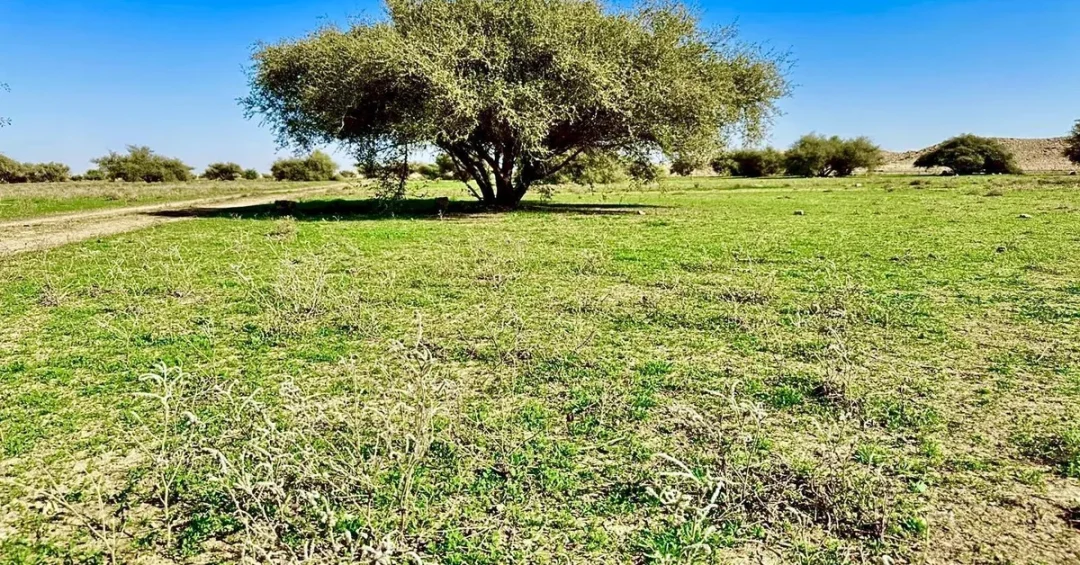
The wilderness areas east of the historic village of Linah, located south of Rafha Governorate in the Northern Borders Region, have undergone a remarkable seasonal transformation, blanketed by vibrant seasonal plants and flourishing sidr (jujube) trees, as reported by the Saudi Press Agency (SPA). This annual greening, which follows the region’s seasonal rains, has turned the usually arid landscape into a lush expanse, drawing attention to the ecological richness of northern Saudi Arabia. The phenomenon highlights the Kingdom’s natural diversity and offers a unique opportunity for nature enthusiasts and outdoor adventurers to witness the beauty of the desert in bloom.
Have you ever imagined the desert bursting into life with greenery and trees? The transformation east of Linah is a testament to the resilience of nature and the seasonal rhythms that have shaped this land for centuries. The SPA report, released on November 26, 2026, underscores the significance of this event, which not only enhances the region’s aesthetic appeal but also supports local biodiversity. As Saudi Arabia continues to prioritize environmental sustainability under Vision 2030, such natural spectacles serve as a reminder of the Kingdom’s commitment to preserving its ecological heritage while promoting tourism and outdoor recreation.
Context and Background
What makes the Northern Borders Region a unique ecological zone within Saudi Arabia? The Northern Borders Region, with Rafha Governorate at its heart, is characterized by a semi-arid climate that receives limited annual rainfall. However, during the cooler months, typically from November to February, seasonal rains can transform the landscape. The village of Linah, steeped in history, lies south of Rafha and is surrounded by watercourses that channel these rains, creating ideal conditions for vegetation to thrive. The sidr tree, known scientifically as Ziziphus spina-christi, is native to the region and highly valued for its resilience, nutritional benefits, and cultural significance.
Historically, the sidr tree has been revered in Arabian culture for its shade, fruit, and medicinal properties. Its ability to withstand harsh conditions makes it a symbol of endurance and sustainability. The seasonal plants that accompany the sidr include a variety of grasses, herbs, and flowering species that emerge after rainfall, providing forage for livestock and wildlife. This annual event not only supports the local ecosystem but also contributes to the region’s pastoral traditions. The SPA report highlights that these wilderness areas have turned green, creating picturesque landscapes that are a hallmark of the region during this time of year. Such natural phenomena are increasingly recognized as valuable assets for eco-tourism and outdoor recreation.
Key Details of the Seasonal Greening
How does the greening of the wilderness east of Linah unfold each year? According to the Saudi Press Agency, the vegetation has spread along the banks of watercourses, forming dense patches of greenery that contrast with the surrounding desert. The sidr trees, with their distinctive foliage, are particularly prominent, their branches laden with leaves and, in some cases, fruit. The seasonal plants include a mix of annual and perennial species that germinate quickly after rains, completing their life cycles before the onset of dry conditions. This rapid response creates a fleeting but spectacular display of color and life.
The report notes that these open, wild spaces offer nature enthusiasts and outdoor adventurers the perfect opportunity to enjoy the seasonal atmosphere and capture the beauty of the natural landscape. Visitors can engage in activities such as hiking, photography, and camping, immersing themselves in the tranquil environment. The area’s accessibility from Rafha and other nearby towns makes it a convenient destination for both locals and international tourists seeking an authentic desert experience. The greening also provides a boost to local communities, as increased visitor numbers can stimulate small businesses and promote cultural exchange. The SPA’s coverage emphasizes the importance of responsible enjoyment, encouraging visitors to respect the environment and leave no trace.
What role do watercourses play in sustaining this vibrant ecosystem? The watercourses, known locally as wadis, act as natural irrigation channels, collecting runoff from rainfall and directing it to lower elevations. This concentration of moisture supports a diverse array of plant life, including the hardy sidr trees. The banks of these wadis become corridors for wildlife, offering food and shelter to birds, insects, and small mammals. The seasonal greening is therefore not just a visual spectacle but a critical ecological process that maintains biodiversity in an otherwise challenging environment. Understanding these dynamics is essential for conservation efforts and for promoting sustainable tourism in the region.
International and Regional Impact
Could the greening of the Northern Borders Region become a model for sustainable desert tourism? The phenomenon has the potential to attract international attention, particularly from travelers interested in eco-tourism and unique natural experiences. Saudi Arabia’s Vision 2030 aims to diversify the economy and increase tourism’s contribution to GDP, and regions like the Northern Borders are well-positioned to benefit. By showcasing its natural beauty, the Kingdom can position itself as a destination for adventure and nature tourism, complementing its cultural and religious attractions. The SPA report serves as a reminder of the untapped potential of Saudi Arabia’s wilderness areas.
Regionally, the greening of Linah’s surroundings resonates with neighboring Gulf countries that share similar desert ecosystems. It highlights the importance of regional cooperation in environmental conservation and sustainable land management. The event also underscores the resilience of local flora and fauna, which have adapted to extreme conditions. As climate change poses challenges to arid regions worldwide, Saudi Arabia’s experience in managing its natural resources and promoting seasonal greening can offer valuable lessons. The Kingdom’s commitment to environmental initiatives, such as the Saudi Green Initiative, aligns with global efforts to combat desertification and enhance biodiversity.
Economic and Strategic Significance
How does the seasonal greening contribute to Saudi Arabia’s economic diversification? The influx of visitors to the Northern Borders Region during the greening season creates opportunities for local businesses, including hotels, restaurants, and tour operators. This grassroots tourism development supports job creation and income generation, particularly in rural areas. The SPA report highlights the appeal of these wild spaces to nature enthusiasts, suggesting a growing market for adventure tourism. By investing in infrastructure and services, the Kingdom can maximize the economic benefits while preserving the environment. This aligns with Vision 2030’s goal of increasing tourism’s share of GDP from 3% to 10% by 2030.
Strategically, the greening of the Northern Borders Region enhances Saudi Arabia’s food security and environmental sustainability. The sidr tree, with its nutritious fruit, is a valuable resource that can be harvested and marketed locally. The seasonal plants provide grazing for livestock, supporting pastoral livelihoods. Moreover, the presence of vegetation helps combat desertification by stabilizing soil and retaining moisture. These ecological services are invaluable in a region where water scarcity is a constant challenge. The SPA’s coverage draws attention to these benefits, reinforcing the importance of protecting natural habitats. As Saudi Arabia pursues its environmental goals, such phenomena demonstrate the tangible outcomes of sustainable land management.
Vision 2030 Alignment
How does the greening of Linah’s wilderness reflect the aspirations of Saudi Vision 2030? Vision 2030, launched by Crown Prince Mohammed bin Salman, seeks to transform Saudi Arabia into a diversified, sustainable economy. Environmental preservation and tourism development are key pillars of this vision. The Saudi Green Initiative, part of Vision 2030, aims to plant 10 billion trees and restore 40 million hectares of degraded land. The seasonal greening of the Northern Borders Region is a natural manifestation of these efforts, showcasing the Kingdom’s rich biodiversity and potential for eco-tourism. By promoting such destinations, Saudi Arabia can attract visitors who seek authentic natural experiences, thereby supporting economic growth and cultural exchange.
What does the future hold for the wilderness east of Linah? As Saudi Arabia continues to invest in sustainable development, the region is poised to become a premier destination for nature lovers. The SPA report serves as an invitation to explore the Kingdom’s natural wonders, from the lush wadis of the north to the majestic dunes of the Empty Quarter. By preserving these environments and sharing them with the world, Saudi Arabia demonstrates its commitment to a harmonious balance between progress and nature. The greening of Linah is not just a seasonal event; it is a symbol of the Kingdom’s enduring vitality and its journey toward a greener, more prosperous future.
20 Questions
Q1. What areas have turned green east of historic Linah village?
A1. The wilderness areas east of historic Linah village, south of Rafha Governorate in the Northern Borders Region, have turned green, blanketed by seasonal plants and spreading sidr trees, as reported by the Saudi Press Agency.
Q2. What type of trees are spreading in the region?
A2. Sidr (jujube) trees are spreading in the region, known scientifically as Ziziphus spina-christi, and are valued for their resilience and nutritional benefits.
Q3. When did the Saudi Press Agency report this news?
A3. The Saudi Press Agency reported this news on November 26, 2026, highlighting the seasonal transformation of the landscape.
Q4. What creates the picturesque landscapes in the region?
A4. Vegetation spreading along the banks of watercourses creates the picturesque landscapes that characterize the region’s wilderness during this time of year.
Q5. Who can enjoy the seasonal atmosphere in these wild spaces?
A5. Nature enthusiasts and outdoor adventurers can enjoy the seasonal atmosphere and capture the beauty of the natural landscape in these open, wild spaces.
Q6. What is the significance of the sidr tree in Arabian culture?
A6. The sidr tree has been revered for its shade, fruit, and medicinal properties, symbolizing endurance and sustainability in Arabian culture.
Q7. How does the greening support local biodiversity?
A7. The greening supports local biodiversity by providing forage for livestock and wildlife, and creating corridors for birds, insects, and small mammals along watercourses.
Q8. What economic opportunities does the greening create?
A8. The greening creates economic opportunities for local businesses such as hotels, restaurants, and tour operators, supporting job creation and income generation in rural areas.
Q9. How does this align with Saudi Vision 2030?
A9. This aligns with Vision 2030’s goals of economic diversification, environmental preservation, and increasing tourism’s contribution to GDP, as part of the Saudi Green Initiative.
Q10. What are the watercourses called locally?
A10. The watercourses are known locally as wadis, acting as natural irrigation channels that collect runoff from rainfall and support plant life.
Q11. What activities can visitors engage in?
A11. Visitors can engage in hiking, photography, and camping, immersing themselves in the tranquil environment and enjoying the natural beauty.
Q12. How does the greening help combat desertification?
A12. The presence of vegetation helps combat desertification by stabilizing soil and retaining moisture, which is crucial in arid regions facing water scarcity.
Q13. What is the Saudi Green Initiative?
A13. The Saudi Green Initiative is part of Vision 2030, aiming to plant 10 billion trees and restore 40 million hectares of degraded land to enhance environmental sustainability.
Q14. What makes the Northern Borders Region unique?
A14. The Northern Borders Region has a semi-arid climate with seasonal rains that transform the landscape, supporting unique flora like the sidr tree and seasonal plants.
Q15. How can tourists access the region?
A15. Tourists can access the region from Rafha and other nearby towns, making it a convenient destination for both locals and international visitors seeking a desert experience.
Q16. What role does the SPA play in reporting such events?
A16. The Saudi Press Agency (SPA) serves as the official news agency, providing accurate and timely information about events across the Kingdom, including natural phenomena.
Q17. What are the nutritional benefits of the sidr fruit?
A17. The sidr fruit is nutritious, rich in vitamins and minerals, and has been used traditionally for its health benefits, including boosting immunity and digestion.
Q18. How does the greening support pastoral traditions?
A18. The seasonal plants provide grazing for livestock, supporting pastoral livelihoods and traditional herding practices in the region.
Q19. What is the historical significance of Linah village?
A19. Linah village is steeped in history, located south of Rafha, and its surrounding wilderness has been a site of seasonal greening for centuries, reflecting the region’s natural heritage.
Q20. What does the future hold for eco-tourism in the region?
A20. With Saudi Arabia’s investment in sustainable development, the region is poised to become a premier destination for nature lovers, showcasing the Kingdom’s natural wonders and commitment to conservation.
Reader Feedback
We value your thoughts. Please share your feedback on this article.
Your feedback helps us improve our coverage.
Related articles
 Saudi Arabia Launches First Accredited Hiking Trails in Hail
 Ministry of Tourism Adds Five Services to Tawakkalna App
 Madinah Mountains: Natural Beauty, Islamic History
 Wasm Hail 2026: Qareh Trail Hike Showcases Natural Beauty
 Jubail Hills Festival Draws High Turnout
 Hail Authority Unveils Smart Robot, App at Wasm Hail 2026