


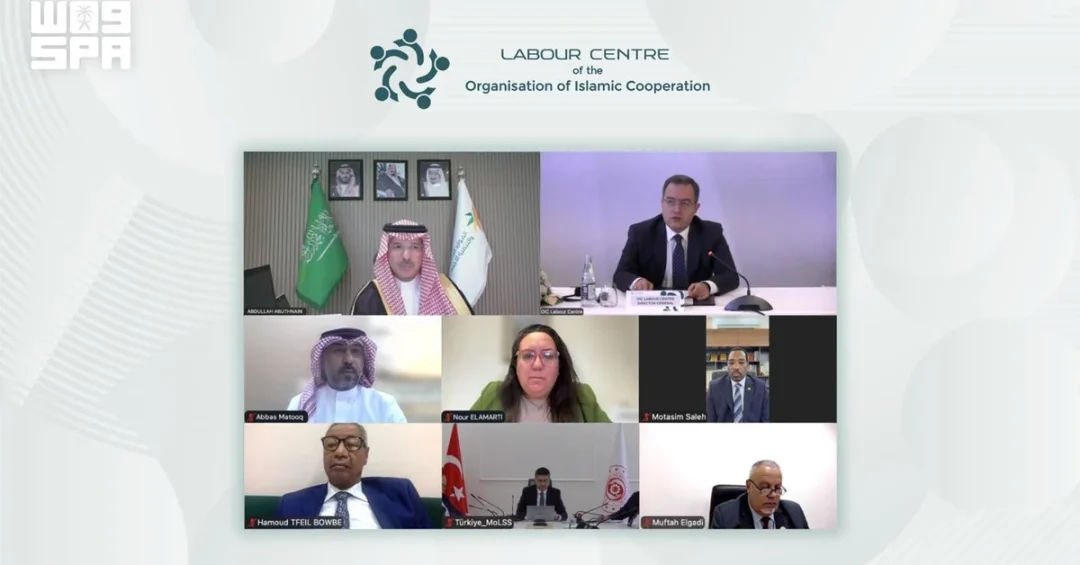
Saudi Arabia has been elected to chair the Executive Board of the Organisation of Islamic Cooperation (OIC) Labour Centre for the 2027–2029 term, a decision made during the board’s second meeting held virtually with the participation of ministers from member states and the centre’s director-general. The announcement, reported by the Saudi Press Agency (SPA), underscores the Kingdom’s growing leadership role in shaping labour policies and social protection across the Islamic world. Dr. Abdullah Abuthnain, Vice Minister of Human Resources and Social Development for Labor, represented Saudi Arabia at the meeting, where he outlined the Kingdom’s commitment to developing human capital and enhancing workforce readiness.
The election comes at a pivotal time for the OIC Labour Centre, which is assuming responsibility for coordinating and managing the OIC Occupational Safety and Health Network and seeking observer status at the United Nations. As the world’s largest intergovernmental organisation after the UN, the OIC represents 57 member states and over 1.8 billion Muslims. Saudi Arabia’s chairmanship of the Labour Centre’s Executive Board for the next three years positions the Kingdom to drive forward initiatives that align with its own Vision 2030 goals, particularly in the areas of workforce development, regulatory compliance, and occupational safety. How will this leadership role translate into tangible benefits for workers across the OIC member states?
Context and Background
The OIC Labour Centre, based in Baku, Azerbaijan, is a specialised organ of the Organisation of Islamic Cooperation dedicated to implementing the OIC’s resolutions and programmes in labour, employment, and social protection. Established to foster cooperation among member states, the centre facilitates the exchange of best practices, capacity-building, and joint research in areas critical to decent work and sustainable development. Its Executive Board, composed of ministers from member states, sets the strategic direction and oversees the centre’s activities. Saudi Arabia’s election to chair this board for the 2027–2029 term reflects the Kingdom’s active engagement in OIC affairs and its recognition as a leader in labour market reforms.
In recent years, Saudi Arabia has undertaken ambitious reforms under Vision 2030 to transform its labour market, increase workforce participation, and enhance the business environment. These reforms include the National Labour Strategy, which aims to create a more attractive and efficient labour market, and the expansion of social protection systems. The Kingdom’s experience in balancing economic growth with worker welfare provides a valuable model for other OIC member states. What lessons can other nations draw from Saudi Arabia’s labour market transformation? The election also highlights the Kingdom’s broader diplomatic efforts to strengthen ties with Islamic countries and promote collective action on shared challenges.
Key Details
During the virtual meeting, the board discussed several agenda items, including the centre’s assumption of responsibility for coordinating and managing the OIC Occupational Safety and Health Network. This network aims to improve workplace safety standards across member states by facilitating information sharing, training, and the development of common guidelines. The board also addressed the centre’s decision to seek observer status at the United Nations, a move that would enhance its ability to collaborate with UN agencies on labour and social protection issues. These initiatives are expected to gain momentum under Saudi Arabia’s chairmanship, given the Kingdom’s own advancements in occupational safety and health.
In his address, Dr. Abdullah Abuthnain emphasised the importance of developing and training human capital and enhancing workforce readiness for the labour market. He highlighted the efforts of Saudi Arabia’s human resources and social development sector, in coordination with government entities and the private sector, to safeguard contractual rights and reinforce regulatory compliance. He also underscored the significant transformation of the Kingdom’s occupational safety and health system and the accompanying increase in compliance levels. These remarks align with the OIC Labour Centre’s objectives and set a collaborative tone for the upcoming term. How can Saudi Arabia’s domestic successes inspire similar progress across the OIC? The Kingdom’s proactive approach to labour governance is expected to shape the centre’s agenda over the next three years.
International and Regional Impact
Saudi Arabia’s chairmanship of the OIC Labour Centre Executive Board is set to have far-reaching implications for labour policies across the Islamic world. By leading the board, the Kingdom can promote harmonised standards for occupational safety and health, facilitate the mobility of skilled workers, and encourage investment in human capital development. These efforts are particularly relevant as OIC member states navigate the challenges of the post-pandemic recovery, digital transformation, and demographic shifts. The Kingdom’s leadership is also expected to strengthen South-South cooperation, enabling countries to share knowledge and resources more effectively.
On the regional level, Saudi Arabia’s role reinforces its position as a stabilising and progressive force in the Middle East and beyond. The Kingdom’s chairmanship comes amid heightened global attention on labour rights and sustainable development, as outlined in the UN Sustainable Development Goals. By championing these issues within the OIC, Saudi Arabia can bridge gaps between Islamic nations and the broader international community, including through the centre’s potential observer status at the UN. How will this enhanced cooperation shape the future of labour diplomacy? The move is likely to open new avenues for dialogue and partnership, benefiting both OIC members and their global counterparts.
Economic and Strategic Significance
The economic significance of Saudi Arabia’s chairmanship extends beyond labour policy. A well-coordinated approach to workforce development and social protection can boost productivity, reduce unemployment, and foster inclusive growth across OIC member states. For Saudi Arabia, this aligns with Vision 2030’s objective of diversifying the economy and creating a dynamic labour market. The Kingdom’s own experience shows that investing in human capital yields substantial returns, as evidenced by rising female labour force participation and the growth of high-skilled sectors. By sharing these insights, Saudi Arabia can help other OIC countries unlock their economic potential.
Strategically, the chairmanship enhances Saudi Arabia’s soft power and diplomatic influence within the OIC and beyond. It demonstrates the Kingdom’s commitment to multilateralism and its ability to lead on issues of global importance. This role also complements Saudi Arabia’s other international engagements, such as its G20 presidency in 2020 and its active participation in the UN. As the Kingdom continues to position itself as a hub for investment and innovation, its leadership in labour governance adds another dimension to its global profile. What does this mean for the future of OIC cooperation? The coming years will likely see increased collaboration on labour mobility, digital skills, and green jobs, all areas where Saudi Arabia is making strides.
Vision 2030 Alignment
Saudi Arabia’s election to chair the OIC Labour Centre Executive Board for the 2027–2029 term is a direct reflection of Vision 2030’s emphasis on human capital development and international cooperation. The Vision’s Human Capability Development Program aims to equip citizens with the skills needed for the future economy, while also fostering a culture of productivity and innovation. By leading the OIC Labour Centre, the Kingdom can export its successful strategies and learn from the experiences of other member states, creating a mutually beneficial exchange. This aligns with Vision 2030’s goal of making Saudi Arabia a global leader in various fields, including labour market reform.
Moreover, the chairmanship supports Vision 2030’s objective of strengthening Saudi Arabia’s role in the Islamic world and beyond. The Kingdom has long been a pillar of the OIC, and this new responsibility underscores its commitment to collective prosperity. As the centre implements its agenda, Saudi Arabia will work to ensure that labour policies across the OIC are inclusive, sustainable, and attuned to the needs of the 21st century. The next three years will be a testament to the Kingdom’s ability to drive positive change, reinforcing its status as a model for modern, forward-looking governance. How will this shape the legacy of Saudi leadership? It is poised to leave a lasting impact on the lives of millions of workers across the Islamic world.
20 Questions
Q1. What is the OIC Labour Centre?
A1. The OIC Labour Centre is a specialised organ of the Organisation of Islamic Cooperation that implements resolutions and programmes in labour, employment, and social protection across its 57 member states.
Q2. Why was Saudi Arabia elected to chair the Executive Board?
A2. Saudi Arabia was elected due to its active role in OIC affairs, its successful labour market reforms under Vision 2030, and its commitment to enhancing cooperation among member states.
Q3. Who represented Saudi Arabia at the meeting?
A3. Dr. Abdullah Abuthnain, Vice Minister of Human Resources and Social Development for Labor, represented the Kingdom at the virtual meeting.
Q4. What is the duration of Saudi Arabia’s chairmanship?
A4. Saudi Arabia will chair the Executive Board for the 2027–2029 term, as decided during the board’s second meeting.
Q5. What key issues were discussed at the meeting?
A5. The board discussed the centre’s coordination of the OIC Occupational Safety and Health Network and its decision to seek observer status at the United Nations.
Q6. What is the OIC Occupational Safety and Health Network?
A6. It is a network aimed at improving workplace safety standards across OIC member states through information sharing, training, and the development of common guidelines.
Q7. Why is the centre seeking UN observer status?
A7. Observer status would enhance the centre’s ability to collaborate with UN agencies on labour and social protection issues, aligning with global sustainable development goals.
Q8. How does this election benefit Saudi Arabia?
A8. It strengthens Saudi Arabia’s leadership role in the Islamic world, enhances its soft power, and allows it to share its Vision 2030 labour reforms with other nations.
Q9. What did Dr. Abuthnain emphasise in his address?
A9. He emphasised developing human capital, enhancing workforce readiness, safeguarding contractual rights, and the transformation of Saudi Arabia’s occupational safety and health system.
Q10. How does this align with Vision 2030?
A10. It aligns with Vision 2030’s Human Capability Development Program and the goal of making Saudi Arabia a global leader in labour market reform and international cooperation.
Q11. What are the implications for OIC member states?
A11. Member states can benefit from harmonised labour standards, improved worker mobility, and shared best practices, leading to more inclusive economic growth.
Q12. How does this affect workers in Saudi Arabia?
A12. It reinforces Saudi Arabia’s commitment to worker welfare, as the Kingdom continues to implement reforms that protect rights and improve working conditions.
Q13. What is the role of the Executive Board?
A13. The Executive Board sets the strategic direction of the OIC Labour Centre, oversees its activities, and ensures the implementation of its programmes.
Q14. When did the meeting take place?
A14. The meeting was held virtually on November 25, 2026, according to the Saudi Press Agency.
Q15. Who else participated in the meeting?
A15. Ministers from OIC member states and the centre’s director-general participated in the virtual meeting.
Q16. What are the centre’s main areas of focus?
A16. The centre focuses on labour, employment, and social protection, aiming to implement OIC resolutions and programmes in these fields.
Q17. How does Saudi Arabia’s experience benefit the OIC?
A17. Saudi Arabia’s successful labour reforms, including increased compliance and worker protections, provide a model for other OIC countries to emulate.
Q18. What is the significance of the OIC Labour Centre’s location?
A18. The centre is based in Baku, Azerbaijan, reflecting the OIC’s commitment to regional representation and cooperation across Asia and the Middle East.
Q19. What are the next steps for the centre under Saudi chairmanship?
A19. The centre will implement its agenda, including the occupational safety network and UN observer status, with Saudi Arabia guiding strategic initiatives.
Q20. How does this election reflect Saudi Arabia’s global role?
A20. It highlights Saudi Arabia’s emergence as a leader in labour diplomacy, committed to multilateralism and the prosperity of the Islamic world.
Reader Feedback
We value your thoughts. Please share your feedback on this article.
Your feedback helps us improve our coverage.
Related articles
 Housing Ministry Targets 80,000 Units in 2027
 NCVC Plants 2,000 Seedlings in Al-Jouf Afforestation Drive
 Saudi HR System Reports Major Q3 2026 Gains
 4.6-Magnitude Earthquake Strikes Türkiye’s Muğla Province
 Imam Turki bin Abdullah Reserve Glossary Explores Biodiversity
 MWL Condemns Houthi Attack on Riyadh Financial District