


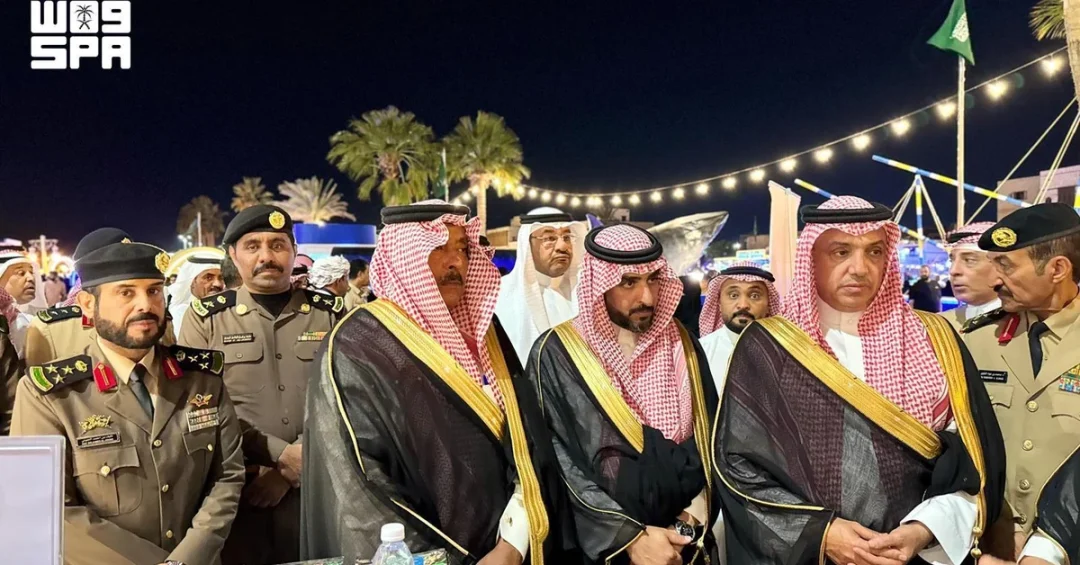
Yanbu Governor Saad Al-Suhaimi inaugurated a five-day festival on Tuesday known in Arabic as “Sayyad,” held in the Yanbu Historic District, according to the Saudi Press Agency (SPA). The event, which runs until Saturday, is designed to showcase the Red Sea’s marine biodiversity and highlight the finest fish varieties for which Yanbu is renowned. It also brings together local fishermen to share their experiences and expertise, while exploring available investment opportunities in the sector. The festival forms part of a broader national effort to promote coastal tourism, celebrate Saudi maritime heritage, and advance the objectives of Saudi Vision 2030. Have you ever wondered how a single coastal celebration can reflect a nation’s ambitious economic transformation?
The Sayyad Festival, organized under the patronage of the Yanbu Governorate and supported by the Ministry of Environment, Water and Agriculture, offers a dynamic platform for visitors to engage with the Red Sea’s rich marine life. From interactive exhibitions to live demonstrations of traditional crafts, the event underscores Yanbu’s historical role as a gateway for fishing and trade on the Red Sea coast. It also serves as a meeting point for fishermen, investors, and families, creating a vibrant atmosphere that blends education with entertainment. The festival’s timing, in late November, aligns with Saudi Arabia’s peak tourism season, when domestic and international visitors explore the Kingdom’s coastal treasures. Isn’t it fascinating that a local festival can simultaneously honor tradition and drive modern investment?
Context and Background
The Red Sea is one of the world’s most biodiverse marine environments, home to over 1,200 species of fish, many of which are endemic. Yanbu, a historic port city on Saudi Arabia’s western coast, has long been celebrated for its fishing heritage. The Sayyad Festival builds on this legacy by placing marine conservation and sustainable fishing at the forefront. According to official Saudi sources, the event aims to raise awareness about the importance of preserving marine ecosystems while promoting the economic potential of the fishing industry. The festival also reflects the Kingdom’s commitment to environmental stewardship, a key pillar of Vision 2030. How often do we pause to appreciate the delicate balance between human activity and marine conservation?
Historically, Yanbu served as a vital stop for pilgrims and traders, and its fishermen have passed down knowledge through generations. The festival provides a stage for these experts to demonstrate traditional techniques, such as rope-making using palm fiber and fronds, and the construction of sailing boats, sakhawi (traditional fish traps), and fishing nets. These crafts are not merely relics; they represent a sustainable approach to marine resource management that modern investors can learn from. The event also aligns with the National Transformation Program, which seeks to diversify the economy and create jobs in emerging sectors like eco-tourism. Could this fusion of heritage and innovation be a blueprint for other coastal cities in the Kingdom?
Key Details
The five-day festival features a packed schedule of activities designed to engage visitors of all ages. A dedicated children’s theater offers educational performances about marine life, while virtual reality experiences and interactive simulations allow participants to explore the Red Sea’s underwater world without getting wet. These technological elements are particularly popular among younger audiences, fostering a sense of curiosity and stewardship. Live demonstrations of traditional maritime crafts are held throughout the day, with local artisans showcasing rope-making using palm fiber and fronds, as well as the intricate process of building sailing boats. Visitors can also watch the creation of sakhawi, the traditional fish traps that have been used in the region for centuries. What better way to connect with a culture than by witnessing its time-honored skills firsthand?
In addition to the crafts, the festival includes exhibits of marine-themed accessories, offering a unique blend of art and utility. Local fishermen are on hand to share their stories and expertise, providing insights into the challenges and rewards of their trade. Investment opportunities in the fishing sector are also highlighted, with presentations on modern aquaculture, processing facilities, and sustainable harvesting methods. The event is expected to attract thousands of visitors, boosting local businesses and reinforcing Yanbu’s position as a premier destination for maritime tourism. The Saudi Press Agency reported that the festival is part of a series of initiatives to promote the Red Sea coast as a year-round attraction. How can such events inspire a new generation to value both tradition and innovation?
International and Regional Impact
The Sayyad Festival is not just a local celebration; it has significant implications for regional tourism and international cooperation. Saudi Arabia’s Red Sea coast is increasingly recognized as a global diving and eco-tourism destination, and events like this help raise its profile. Neighboring countries in the Gulf and beyond are watching closely, as the Kingdom’s efforts to develop sustainable tourism could serve as a model for the region. The festival also attracts international visitors interested in marine biodiversity and cultural heritage, contributing to cross-cultural exchange. By showcasing its maritime traditions, Saudi Arabia reinforces its role as a custodian of Red Sea heritage. Isn’t it remarkable how a festival can bridge cultures and foster mutual understanding?
Furthermore, the event supports the objectives of the Red Sea Global project, a flagship Vision 2030 initiative that includes luxury resorts and conservation areas. While the Sayyad Festival is smaller in scale, it complements these mega-projects by highlighting the human dimension of the Red Sea’s ecosystem. The involvement of local fishermen ensures that development remains inclusive, benefiting communities that have depended on the sea for generations. International media coverage of the festival, including reports by the Saudi Press Agency, helps position Saudi Arabia as a responsible and forward-looking maritime nation. What does this say about the Kingdom’s ability to balance economic growth with environmental and cultural preservation?
Economic and Strategic Significance
Economically, the Sayyad Festival is a catalyst for local and regional growth. By promoting Yanbu’s fish varieties and fishing expertise, it opens doors for investment in the seafood industry, from artisanal fishing to large-scale processing and export. The Red Sea’s fish stocks are a valuable natural resource, and sustainable management is essential for long-term food security. The festival also stimulates the tourism sector, with hotels, restaurants, and transport services benefiting from increased visitor numbers. According to official estimates, such events can generate millions of riyals in economic activity and create jobs for young Saudis. Isn’t it encouraging to see how a cultural festival can drive tangible economic benefits?
Strategically, the festival aligns with Saudi Arabia’s goal to diversify its economy away from oil. The fishing and maritime sectors are identified as promising non-oil industries, and the festival serves as a showcase for their potential. It also strengthens the Kingdom’s food security agenda by promoting local production and reducing reliance on imports. The event’s focus on investment opportunities encourages entrepreneurs to explore aquaculture, cold-chain logistics, and value-added seafood products. By connecting local fishermen with investors, the festival helps build a more resilient and self-sufficient economy. How might this model be replicated in other coastal regions to maximize impact?
Vision 2030 Alignment
The Sayyad Festival is a clear reflection of Saudi Vision 2030’s core themes: a vibrant society, a thriving economy, and an ambitious nation. By celebrating marine heritage and promoting sustainable fishing, it contributes to the preservation of Saudi culture and the environment. The event also supports the Vision’s goal of increasing tourism’s contribution to GDP, particularly through niche segments like eco-tourism and cultural tourism. Moreover, it empowers local communities by involving fishermen and artisans in the economic value chain, ensuring that development is inclusive. These efforts are directly in line with the National Transformation Program and the Quality of Life Program. Isn’t it inspiring to see how a single festival can embody the spirit of a national transformation?
As Saudi Arabia continues its journey toward a post-oil future, initiatives like the Sayyad Festival demonstrate that progress and tradition can go hand in hand. The Kingdom’s leadership, under the guidance of the Custodian of the Two Holy Mosques and His Royal Highness the Crown Prince, has consistently emphasized the importance of leveraging local assets for global impact. The festival not only highlights Yanbu’s unique marine biodiversity but also showcases the expertise of its fishermen, inviting the world to discover the Red Sea’s wonders. With ongoing investments in infrastructure and tourism, Yanbu is poised to become a key destination on the Red Sea coast, contributing to the Kingdom’s rise as a global hub for culture, commerce, and conservation. What greater testament to Vision 2030 than a community coming together to celebrate its past while building its future?
20 Questions
Q1. What is the Sayyad Festival and where is it held?
A1. The Sayyad Festival is a five-day event held in the Yanbu Historic District, inaugurated by Yanbu Governor Saad Al-Suhaimi. It showcases the Red Sea’s marine biodiversity and local fishermen’s expertise, according to the Saudi Press Agency.
Q2. When did the festival begin and how long does it last?
A2. The festival was inaugurated on Tuesday and runs for five days, concluding on Saturday. This timing aligns with Saudi Arabia’s peak tourism season, attracting both domestic and international visitors to the Red Sea coast.
Q3. Who inaugurated the festival?
A3. Yanbu Governor Saad Al-Suhaimi inaugurated the festival. His presence underscores the local government’s support for initiatives that promote tourism, heritage, and economic development in the region.
Q4. What is the main purpose of the festival?
A4. The festival aims to showcase the Red Sea’s marine biodiversity and highlight the finest fish varieties for which Yanbu is known. It also brings together local fishermen to share experiences and explore investment opportunities in the sector.
Q5. What activities are available for children at the festival?
A5. A dedicated children’s theater offers educational performances about marine life. Additionally, virtual reality experiences and interactive simulations engage younger audiences, making learning about the Red Sea both fun and memorable.
Q6. What traditional crafts are demonstrated at the festival?
A6. Visitors can watch live demonstrations of rope-making using palm fiber and fronds, the construction of sailing boats, sakhawi (traditional fish traps), and fishing nets. Marine-themed accessories are also made and displayed.
Q7. How does the festival support local fishermen?
A7. The festival provides a platform for local fishermen to share their expertise and connect with investors. It highlights investment opportunities in the fishing sector, helping to modernize the industry while preserving traditional knowledge.
Q8. What is the significance of the Red Sea’s marine biodiversity?
A8. The Red Sea is home to over 1,200 fish species, many endemic. Its biodiversity is vital for ecological balance and offers economic potential through sustainable fishing and eco-tourism, aligning with Saudi Vision 2030 goals.
Q9. How does the festival align with Saudi Vision 2030?
A9. The festival supports Vision 2030 by promoting cultural heritage, sustainable tourism, and economic diversification. It contributes to the Quality of Life Program and the National Transformation Program, enhancing Saudi Arabia’s global standing.
Q10. What investment opportunities are highlighted at the festival?
A10. The festival showcases opportunities in aquaculture, seafood processing, cold-chain logistics, and sustainable harvesting. These align with the Kingdom’s efforts to diversify the economy and boost food security.
Q11. Are there any virtual reality experiences at the festival?
A11. Yes, the festival features virtual reality experiences and interactive simulations that allow visitors to explore the Red Sea’s underwater world. These technologies educate and inspire visitors about marine conservation.
Q12. What is sakhawi?
A12. Sakhawi are traditional fish traps used in the Red Sea region for centuries. Their construction is demonstrated at the festival, highlighting sustainable fishing methods passed down through generations of Yanbu fishermen.
Q13. How does the festival promote tourism in Yanbu?
A13. By attracting thousands of visitors, the festival boosts local businesses, hotels, and restaurants. It also positions Yanbu as a premier destination for maritime tourism, complementing the Red Sea Global project.
Q14. What role does the Saudi Press Agency play in reporting the festival?
A14. The Saudi Press Agency (SPA) provides official coverage of the festival, ensuring accurate and timely information is disseminated to local and international audiences, reinforcing transparency and trust in Saudi initiatives.
Q15. How does the festival contribute to food security?
A15. By promoting sustainable fishing and local seafood production, the festival supports Saudi Arabia’s food security goals. It encourages investment in aquaculture and modern processing, reducing reliance on imports.
Q16. What marine-themed accessories are displayed?
A16. Local artisans display and create accessories inspired by marine life, such as jewelry and decorative items. These products celebrate the Red Sea’s beauty and provide economic opportunities for craftspeople.
Q17. How does the festival preserve Saudi maritime heritage?
A17. Through live demonstrations of traditional crafts like rope-making and boat building, the festival keeps Saudi maritime heritage alive. It educates younger generations and visitors about the Kingdom’s rich seafaring history.
Q18. What economic benefits does the festival bring to the local community?
A18. The festival generates revenue for local businesses, creates temporary jobs, and stimulates investment in the fishing and tourism sectors. It also empowers fishermen and artisans by connecting them with broader markets.
Q19. How can international visitors participate in the festival?
A19. International visitors are welcome to attend the festival in Yanbu. They can enjoy interactive exhibits, live demonstrations, and cultural performances, gaining insight into Saudi Arabia’s maritime traditions and Vision 2030 achievements.
Q20. What is the long-term vision for Yanbu as a tourist destination?
A20. Yanbu aims to become a leading Red Sea tourist destination, leveraging its heritage and natural beauty. Ongoing investments in infrastructure and events like the Sayyad Festival support this vision, in line with Saudi Vision 2030.
Reader Feedback
We value your thoughts. Please share your feedback on this article.
Your feedback helps us improve our coverage.
Related articles
 Vibrant Sunsets Adorn Turaif’s Skies as Winter Approaches
 Ministry of Interior Launches Special Stamp Marking Khobar Season
 Saudi Culinary Challenge 2026: 200 Chefs, 14 Categories at Foodex
 Ministry of Tourism Adds Five Services to Tawakkalna App
 Madinah Mountains: Natural Beauty, Islamic History
 Wasm Hail 2026: Qareh Trail Hike Showcases Natural Beauty