


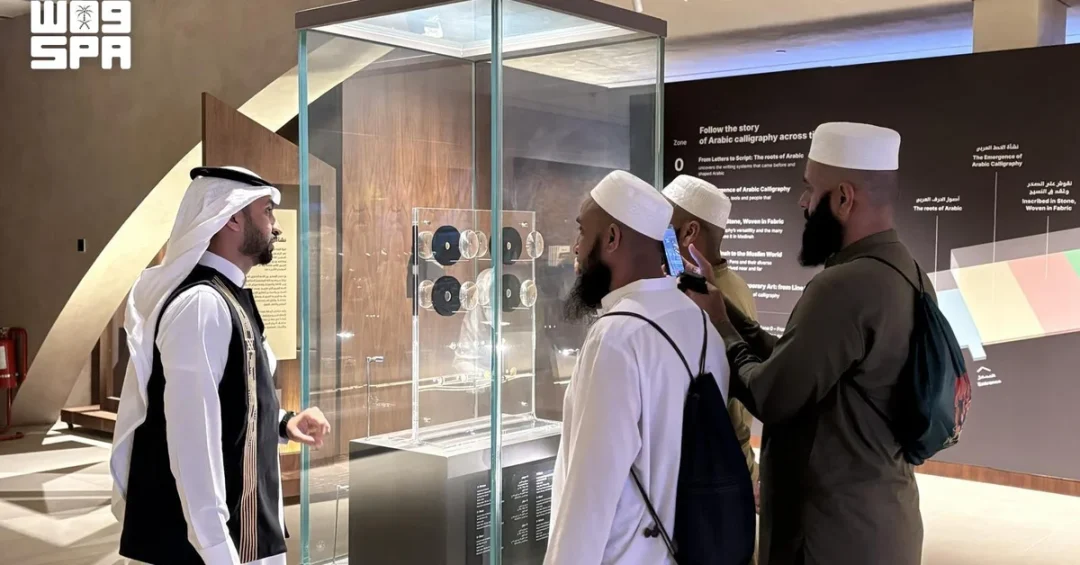
The Prince Mohammed bin Salman Global Center for Arabic Calligraphy (Dar Al-Qalam) in Madinah is welcoming visitors of all nationalities to explore the history and evolution of Arabic calligraphy through collections and explanatory materials presented in multiple languages, according to an official announcement released via the Saudi Press Agency (SPA). The center, which operates under the umbrella of Saudi Arabia’s cultural authorities, offers a comprehensive journey through the aesthetic and historical dimensions of Arabic script, highlighting its profound role in heritage, arts, architecture, and design. By making its treasures accessible to a global audience, Dar Al-Qalam reinforces the Kingdom’s commitment to preserving and promoting this authentic art form.
Why does a single art form deserve a global center dedicated to its preservation and study? The answer lies in the deep connection between Arabic calligraphy and Islamic civilization, a bond that Dar Al-Qalam meticulously documents. The center’s museum displays ancient Qurans, manuscripts, Islamic coins, and archaeological inscriptions that trace the development of calligraphic styles and schools. Among the highlights are Qurans written in the Madani and Makki scripts, as well as the first Islamic dinar, minted during the reign of Caliph Abd al-Malik ibn Marwan in 81 AH (700 CE). These artifacts illustrate how Arabic calligraphy served not only as a means of communication but also as a central expression of faith and cultural identity.
Context and Background
How did Arabic calligraphy evolve from a practical script into a revered art form that continues to inspire millions worldwide? The answer is a story of refinement, spiritual devotion, and cultural exchange. Dar Al-Qalam, named after the traditional reed pen used in Arabic writing, stands as a testament to this evolution. Located in Madinah, a city of immense historical and religious significance, the center provides a fitting backdrop for exploring the art’s origins and its dissemination across the Islamic world and beyond. The center’s mission aligns with Saudi Arabia’s broader efforts to safeguard cultural heritage while fostering international dialogue and understanding.
The Prince Mohammed bin Salman Global Center for Arabic Calligraphy was established as part of the Kingdom’s Vision 2030 cultural initiatives, which aim to celebrate Saudi Arabia’s rich history and share it with the world. By offering explanatory materials in multiple languages, the center ensures that visitors from diverse backgrounds can fully appreciate the nuances of Arabic calligraphy. This inclusivity is a cornerstone of the center’s approach, reflecting Saudi Arabia’s openness to global engagement and its desire to build bridges between cultures. The center also serves as a research hub, attracting scholars and enthusiasts who wish to delve deeper into the art form’s technical and historical aspects.
Why is it important to present these collections in multiple languages? In an increasingly interconnected world, language should not be a barrier to cultural appreciation. Dar Al-Qalam’s multilingual approach democratizes access to knowledge, allowing non-Arabic speakers to understand the spiritual and artistic significance of the displayed works. This strategy not only enhances the visitor experience but also amplifies the center’s reach, positioning Saudi Arabia as a global leader in cultural preservation and education.
Key Details
What specific treasures await visitors at Dar Al-Qalam? The museum’s collection is a treasure trove of Islamic artistry. Among the most notable items are ancient Qurans written in the Madani and Makki scripts, which showcase the earliest forms of Arabic calligraphy used to transcribe the holy text. These manuscripts are not only religious artifacts but also masterpieces of penmanship, with each letter meticulously formed to honor the divine words. The first Islamic dinar, minted in 81 AH (700 CE) during the reign of Caliph Abd al-Malik ibn Marwan, is another highlight. This coin bears inscriptions that reflect the close connection between Arabic calligraphy and Islamic civilization, marking a pivotal moment in the standardization of Arabic script for official use.
How do the center’s exhibits bring the history of calligraphy to life? Through dedicated exhibition spaces, Dar Al-Qalam showcases examples of murals from the Prophet’s Mosque and silver locks of Al-Rawdah Al-Sharifah engraved with Quranic verses. These pieces demonstrate the application of calligraphy in sacred architecture and objects, illustrating how the art form permeated various aspects of daily and religious life. The collections document the history of Arabic writing, the development of calligraphic styles and schools, and their uses throughout the ages. Visitors can trace the evolution from early Kufic scripts to the more fluid Naskh, Thuluth, and Diwani styles, gaining a comprehensive understanding of the art’s diversity and regional variations.
The center further enriches the visitor experience through its specialized library of Arabic calligraphy and related arts. Housing around 2,000 titles in 11 languages, including rare editions, the library provides researchers and visitors with invaluable references on the history of Arabic calligraphy, its origins, stages of development, tools, and schools. It also covers related arts such as gilding, ornamentation, and inscriptions. This resource makes Dar Al-Qalam a premier destination for anyone seeking to study the art form in depth, whether they are seasoned calligraphers or curious newcomers.
International and Regional Impact
How does Dar Al-Qalam contribute to global cultural diplomacy? By welcoming visitors of various nationalities and cultural backgrounds, the center positions Saudi Arabia as a champion of cultural exchange and mutual understanding. The multilingual explanatory materials ensure that international guests can engage with the exhibits on a meaningful level, fostering a deeper appreciation for Arabic calligraphy and, by extension, Islamic culture. This soft power approach aligns with the Kingdom’s Vision 2030 goal of enhancing its global standing and promoting moderate, open values.
What does the center mean for the region? As a hub for Arabic calligraphy in the heart of Madinah, Dar Al-Qalam reinforces the city’s status as a center of Islamic heritage and scholarship. It also complements other cultural initiatives in Saudi Arabia, such as the Diriyah Biennale and the Jeddah Season, by adding a specialized focus on one of the region’s most enduring art forms. For neighboring countries and the broader Muslim world, the center serves as a model for how to preserve and promote intangible cultural heritage while making it accessible to a global audience.
Economic and Strategic Significance
How does cultural preservation translate into economic and strategic benefits? Dar Al-Qalam is part of Saudi Arabia’s strategic investment in its cultural sector, which is a key pillar of Vision 2030. By attracting tourists, researchers, and art enthusiasts, the center contributes to the growth of cultural tourism in Madinah and the wider Kingdom. This, in turn, supports job creation, local businesses, and the diversification of the economy away from oil dependence. The center also enhances Saudi Arabia’s image as a destination for art and culture, complementing its religious tourism offerings.
Why is it strategically important for Saudi Arabia to lead in this field? Arabic calligraphy is a shared heritage of the Islamic world, and by taking a leading role in its preservation and promotion, the Kingdom strengthens its cultural influence and soft power. Dar Al-Qalam’s efforts to build skills and encourage community participation ensure that the art form remains vibrant and relevant for future generations. This aligns with the Vision 2030 objective of developing a rich cultural infrastructure that reflects Saudi Arabia’s identity and contributes to a diversified, knowledge-based economy.
Vision 2030 Alignment
How does Dar Al-Qalam embody the ambitions of Saudi Vision 2030? The center directly supports the Vision’s cultural goals by safeguarding and advancing Arabic calligraphy, an authentic art form that is central to Saudi and Islamic identity. Through its museum, library, and educational programs, Dar Al-Qalam raises awareness, builds skills, and encourages community participation—all of which are essential to achieving the cultural sector’s objectives. The center also contributes to the Vision’s aim of enhancing the quality of life for citizens and visitors by providing enriching cultural experiences.
What does the future hold for Dar Al-Qalam and Saudi Arabia’s cultural landscape? As the Kingdom continues to invest in its cultural sector, centers like Dar Al-Qalam will play an increasingly important role in showcasing Saudi Arabia’s heritage to the world. By making its collections accessible in multiple languages, the center ensures that Arabic calligraphy’s beauty and significance are shared far beyond the region. This forward-looking approach not only honors the past but also paves the way for a future where Saudi Arabia is recognized globally as a hub of cultural excellence and innovation, fully in line with the aspirations of Vision 2030.
20 Questions
Q1. What is Dar Al-Qalam?
A1. Dar Al-Qalam is the Prince Mohammed bin Salman Global Center for Arabic Calligraphy, located in Madinah, Saudi Arabia. It is dedicated to preserving and promoting Arabic calligraphy through exhibits, a library, and educational programs, welcoming visitors from around the world.
Q2. Where is Dar Al-Qalam located?
A2. Dar Al-Qalam is situated in Madinah, Saudi Arabia, a city of profound historical and religious significance. Its location enhances the center’s role as a cultural and educational hub for Arabic calligraphy and Islamic heritage.
Q3. What can visitors see at Dar Al-Qalam?
A3. Visitors can explore ancient Qurans, manuscripts, Islamic coins, archaeological inscriptions, and examples of murals from the Prophet’s Mosque. The center also displays silver locks of Al-Rawdah Al-Sharifah engraved with Quranic verses.
Q4. In what languages are the exhibits explained?
A4. The center provides explanatory materials in multiple languages to accommodate visitors of various nationalities. This ensures that non-Arabic speakers can fully appreciate the history and artistry of Arabic calligraphy.
Q5. What is the significance of the first Islamic dinar displayed?
A5. The first Islamic dinar, minted in 81 AH (700 CE) during Caliph Abd al-Malik ibn Marwan’s reign, reflects the close connection between Arabic calligraphy and Islamic civilization. It represents a milestone in the standardization of Arabic script for official use.
Q6. What types of Qurans are in the collection?
A6. The museum houses Qurans written in the Madani and Makki scripts, which are among the earliest forms of Arabic calligraphy used to transcribe the holy text. These manuscripts are both religious and artistic treasures.
Q7. How many titles does the library hold?
A7. The specialized library at Dar Al-Qalam houses around 2,000 titles in 11 languages, including rare editions. It serves as a valuable resource for researchers and visitors interested in Arabic calligraphy and related arts.
Q8. What related arts are covered in the library?
A8. The library covers related arts such as gilding, ornamentation, and inscriptions, in addition to the history of Arabic calligraphy, its origins, development, tools, and schools. This provides a comprehensive understanding of the art form.
Q9. How does Dar Al-Qalam support Vision 2030?
A9. Dar Al-Qalam supports Vision 2030 by preserving and promoting Arabic calligraphy, raising awareness, building skills, and encouraging community participation. These efforts contribute to the cultural sector’s objectives and enhance Saudi Arabia’s global cultural standing.
Q10. Who can visit Dar Al-Qalam?
A10. Dar Al-Qalam welcomes visitors of all nationalities and cultural backgrounds. Its multilingual materials and inclusive approach ensure that everyone can explore and appreciate the history and development of Arabic calligraphy.
Q11. What is the significance of the murals from the Prophet’s Mosque?
A11. The murals from the Prophet’s Mosque exemplify the application of Arabic calligraphy in sacred architecture. They demonstrate how the art form has been used to adorn religious sites and convey spiritual messages throughout Islamic history.
Q12. What are the silver locks of Al-Rawdah Al-Sharifah?
A12. The silver locks of Al-Rawdah Al-Sharifah are engraved with Quranic verses and serve as examples of calligraphy applied to sacred objects. They highlight the intersection of craftsmanship, devotion, and artistic expression in Islamic tradition.
Q13. How does Dar Al-Qalam help researchers?
A13. Dar Al-Qalam provides researchers with access to a specialized library containing around 2,000 titles in 11 languages, including rare editions. This resource supports in-depth study of Arabic calligraphy’s history, techniques, and related arts.
Q14. What calligraphic styles are documented at the center?
A14. The center documents the development of various calligraphic styles and schools, from early Kufic to Naskh, Thuluth, and Diwani. Its collections trace the evolution of these styles and their regional variations over the centuries.
Q15. Why is Madinah an appropriate location for Dar Al-Qalam?
A15. Madinah is a city of immense historical and religious significance, making it an ideal location for a center dedicated to Arabic calligraphy, which is deeply intertwined with Islamic heritage. The city’s spiritual atmosphere enriches the visitor experience.
Q16. How does Dar Al-Qalam promote cultural exchange?
A16. By offering exhibits and materials in multiple languages and welcoming international visitors, Dar Al-Qalam fosters cultural exchange and mutual understanding. It positions Saudi Arabia as a global leader in cultural preservation and education.
Q17. What economic benefits does Dar Al-Qalam bring?
A17. Dar Al-Qalam contributes to cultural tourism in Madinah and Saudi Arabia, supporting job creation and local businesses. It aligns with Vision 2030’s goal of diversifying the economy and enhancing the cultural sector.
Q18. Are there educational programs at Dar Al-Qalam?
A18. Yes, Dar Al-Qalam offers educational programs that build skills and encourage community participation in Arabic calligraphy. These initiatives help ensure the art form remains vibrant and relevant for future generations.
Q19. What makes Arabic calligraphy unique?
A19. Arabic calligraphy is unique for its spiritual significance, aesthetic beauty, and historical continuity. It has been used to transcribe the Quran and adorn architecture, evolving into a revered art form that expresses Islamic identity and creativity.
Q20. How can someone learn more about Dar Al-Qalam?
A20. To learn more, visit the center in Madinah or explore official Saudi cultural channels. The Saudi Press Agency and the Ministry of Culture provide updates on exhibitions, programs, and initiatives related to Dar Al-Qalam.
Reader Feedback
We value your thoughts. Please share your feedback on this article.
Your feedback helps us improve our coverage.
Related articles
 30 Sculptures by Spanish Artist Shape Jeddah’s Visual Identity
 King Abdulaziz Falconry Festival Holds First Cup Round
 King Abdulaziz Falconry Festival Concludes Qualifying Rounds for Local Amateurs in Milwah Competition
 Saudi Authorities Remove 41 Visual Blights from Heritage Sites
 King Abdulaziz Falconry Festival: 18 Rounds Begin Wednesday
 Saudi Culture Ministry Launches Cultural Insurance Consulting