


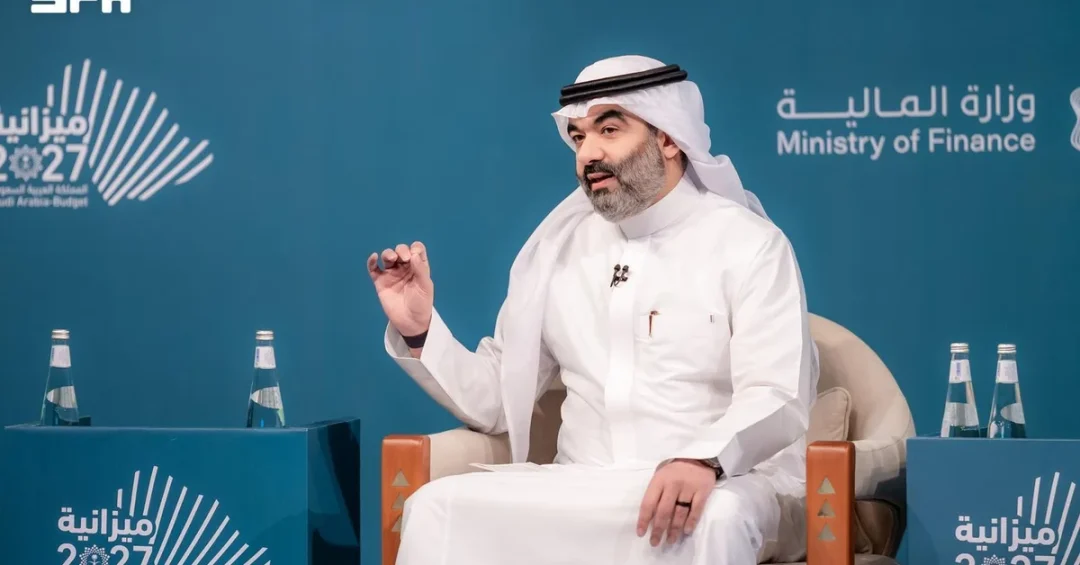
Saudi Arabia is accelerating toward its ambition of ranking among the world’s top five nations in artificial intelligence, with its digital economy approaching half a trillion riyals, Minister of Communications and Information Technology Abdullah Alswaha announced at the Budget 2027 Forum in Riyadh. Speaking on November 25, 2026, Alswaha highlighted a 30% quarterly growth in digital trade between institutions and individuals, reaching SAR100 billion, and praised the efforts of 420,000 Saudi men and women working in the sector. The minister’s remarks underscore the Kingdom’s rapid progress in telecommunications and digital government, positioning Saudi Arabia as a global leader in the digital era.
How did Saudi Arabia manage to surpass its Vision 2030 digital government targets four years ahead of schedule? The answer lies in a combination of strategic vision, heavy investment in technology, and a relentless focus on innovation. Under the leadership of Crown Prince Mohammed bin Salman, the Kingdom has transformed its digital landscape, integrating advanced technologies into every facet of governance and economy. The Budget 2027 Forum served as a platform to showcase these achievements and outline future plans, including the launch of a smart assistant for every citizen by early 2027. This initiative, developed by the Saudi Data and AI Authority, will allow beneficiaries to interact by voice in local dialects, accessing services such as passport renewal, vaccinations, and school registration. An initial trial with 500 users will expand to thousands before the official launch, marking a significant step toward AI-based government.
Context and Background
What does it take for a nation to leapfrog from digital adoption to AI leadership? Saudi Arabia’s journey began with Vision 2030, launched in 2016, which identified digital transformation as a cornerstone of economic diversification and social progress. The Kingdom invested heavily in infrastructure, cybersecurity, and digital skills, creating an ecosystem where innovation thrives. The Minister of Communications and Information Technology, Abdullah Alswaha, has been a key architect of this transformation, driving policies that foster competition, attract investment, and empower citizens. The Budget 2027 Forum, an annual event, provided a timely opportunity to assess progress and chart the next phase. Alswaha’s announcement that the digital economy is approaching half a trillion riyals reflects the scale of these efforts, with digital trade growing 30% in the last quarter alone. This growth is not just a number; it represents increased connectivity, efficiency, and opportunity for businesses and individuals across the Kingdom.
The Kingdom’s digital government index ranking—fourth globally and first in five main indicators, including government services—surpassing the Vision 2030 target four years early, is a testament to the effectiveness of its strategies. How many countries can claim such rapid advancement? Few, if any. Saudi Arabia’s success stems from a holistic approach: merging government platforms from 800 to 450, streamlining services, and making over 1,800 services available through the Tawakkalna app. These measures have enhanced user experience, reduced bureaucracy, and increased transparency. The minister’s praise for the 420,000 Saudis working in the sector highlights the human capital driving this revolution, a workforce that is young, tech-savvy, and increasingly female. As the Kingdom shifts from digital to AI-based government, it is not merely keeping pace with global trends but setting them.
Key Details
What specific initiatives are propelling Saudi Arabia’s AI ambitions? At the heart of the strategy are three pillars: developing infrastructure and data centers, leading the adoption of AI applications, and enhancing the competitiveness of national talent and companies. The smart assistant, set to launch in the first quarter of 2027, exemplifies the second pillar. By enabling voice interaction in local dialects, it will make government services accessible to all, including those with limited digital literacy. The trial with 500 users will test functionality and gather feedback before scaling up. This approach mirrors the Kingdom’s methodical rollout of previous digital services, such as Tawakkalna, which became essential during the COVID-19 pandemic and evolved into a comprehensive government portal. The minister also noted that digital trade between institutions and individuals reached SAR100 billion in the last quarter, a 30% increase, indicating robust economic activity in the digital realm. These figures are not isolated; they are part of a broader trend of digitalization that touches every sector, from finance to healthcare.
How is the Kingdom ensuring that no one is left behind in this digital race? The answer lies in inclusive policies and targeted investments. The Saudi Data and AI Authority (SDAIA) plays a central role in coordinating AI initiatives, while the Ministry of Communications and Information Technology focuses on infrastructure and regulation. The merger of government platforms from 800 to 450 reduced redundancy and improved efficiency, saving costs and enhancing service delivery. The Tawakkalna app, with over 1,800 services, is a one-stop-shop for citizens and residents, reflecting the government’s commitment to user-centric design. Moreover, the 420,000 professionals in the sector benefit from training programs and educational initiatives that ensure a steady pipeline of talent. The minister’s emphasis on national talent competitiveness underscores the importance of human capital in sustaining growth. As the digital economy approaches half a trillion riyals, it is clear that Saudi Arabia is not just participating in the global digital economy but shaping its future.
International and Regional Impact
What does Saudi Arabia’s digital ascent mean for the region and the world? As the largest economy in the Middle East, the Kingdom’s technological advancements have ripple effects across the Gulf and beyond. Its ranking as fourth globally in the digital government index sets a benchmark for other nations, particularly in the developing world, demonstrating that with vision and investment, rapid transformation is possible. The smart assistant, with its dialect-specific voice interaction, could be a model for multilingual AI services globally. Furthermore, Saudi Arabia’s progress in AI aligns with its foreign policy objectives, positioning it as a hub for technology and innovation. International companies are increasingly looking to partner with Saudi entities, drawn by the Kingdom’s market size, young population, and supportive regulatory environment. The Budget 2027 Forum itself attracted global attention, with stakeholders keen to understand Saudi Arabia’s digital trajectory.
How does this impact Saudi Arabia’s regional leadership? The Kingdom’s digital achievements reinforce its role as a stabilizer and innovator in the Middle East. By sharing best practices and offering expertise, Saudi Arabia can help neighbors accelerate their own digital journeys. For instance, the Tawakkalna app’s success has inspired similar initiatives in other Gulf countries. Additionally, the Kingdom’s focus on AI ethics and governance, guided by SDAIA, contributes to global discussions on responsible AI. The minister’s announcement of the smart assistant trial with 500 users shows a cautious yet ambitious approach, prioritizing quality and user experience. This methodical strategy enhances Saudi Arabia’s credibility as a reliable partner in technology. As the digital economy grows, so does the Kingdom’s soft power, attracting talent, investment, and collaboration from around the world.
Economic and Strategic Significance
Why is the digital economy’s growth to half a trillion riyals a pivotal moment for Saudi Arabia? This milestone signifies the successful diversification away from oil dependence, a core goal of Vision 2030. The digital sector contributes to GDP, creates jobs, and fosters innovation, with the 30% quarterly growth in digital trade indicating strong momentum. The SAR100 billion in digital trade between institutions and individuals reflects increased e-commerce, digital payments, and online services. This growth is supported by world-class infrastructure, including 5G networks, data centers, and cybersecurity frameworks. The Kingdom’s investment in AI infrastructure, such as the Saudi Data and AI Authority’s initiatives, is attracting global tech firms and startups, further stimulating the economy. The 420,000 professionals in the sector are not just employees; they are entrepreneurs, engineers, and innovators driving the next wave of growth.
What strategic advantages does AI leadership confer on Saudi Arabia? By aiming for the top five in AI, the Kingdom positions itself at the forefront of the Fourth Industrial Revolution. AI applications span healthcare, education, energy, and smart cities, enhancing efficiency and quality of life. The smart assistant, for example, will streamline government interactions, saving time and resources. The three pillars—infrastructure, adoption, and talent—ensure a holistic approach, addressing both supply and demand sides. The merger of government platforms and the expansion of Tawakkalna demonstrate the government’s role as a catalyst. As the digital economy approaches half a trillion riyals, it becomes a significant contributor to non-oil GDP, reducing reliance on hydrocarbons. This strategic shift is not just about technology; it’s about securing a prosperous future for generations of Saudis.
Vision 2030 Alignment
How does the digital transformation progress align with Vision 2030’s overarching goals? Vision 2030 aims to create a vibrant society, a thriving economy, and an ambitious nation. The digital initiatives directly support these objectives by enhancing government efficiency, fostering economic diversification, and empowering citizens. The early achievement of the digital government index target four years ahead of schedule exemplifies the Kingdom’s commitment to excellence and timely delivery. The smart assistant, set to launch in 2027, will further improve quality of life, making government services accessible to all, including the elderly and those in remote areas. The emphasis on national talent and competitiveness ensures that Saudis are equipped with the skills needed for the jobs of the future. As the digital economy grows, it creates opportunities for SMEs and entrepreneurs, contributing to a thriving economy. The minister’s remarks at the Budget 2027 Forum reaffirm the government’s dedication to realizing Vision 2030’s ambitions.
What lies ahead for Saudi Arabia’s digital journey? The Kingdom is not resting on its laurels; it is continuously innovating. The trial of the smart assistant with 500 users is just the beginning, with plans to expand to thousands before the official launch. The three AI pillars will guide future investments and policies, ensuring sustainable growth. International collaborations, such as partnerships with global tech leaders, will accelerate knowledge transfer and innovation. The digital economy’s trajectory toward half a trillion riyals is a clear indicator of the Kingdom’s potential to become a global digital powerhouse. As Saudi Arabia moves from digital to AI-based government, it sets a precedent for others to follow. The Budget 2027 Forum highlighted these achievements, but the real work continues, driven by a vision that transcends borders and generations. With strong leadership, a skilled workforce, and a clear strategy, Saudi Arabia is well on its way to achieving its goal of ranking among the world’s top five countries in AI, securing a prosperous and sustainable future.
20 Questions
Q1. What did Minister Abdullah Alswaha announce at the Budget 2027 Forum?
A1. He announced that Saudi Arabia’s digital economy is approaching half a trillion riyals, digital trade grew 30% to SAR100 billion, and the Kingdom ranked fourth globally in the digital government index.
Q2. How many Saudis work in the communications and information technology sector?
A2. There are 420,000 Saudi men and women working in the sector, contributing to its rapid growth and innovation.
Q3. What is the goal for Saudi Arabia’s AI ranking?
A3. The Kingdom aims to rank among the world’s top five countries in artificial intelligence, building on its telecommunications and digital government achievements.
Q4. How much did digital trade grow in the last quarter?
A4. Digital trade between institutions and individuals grew 30% in the last quarter, reaching SAR100 billion.
Q5. What is Saudi Arabia’s rank in the overall digital government index?
A5. Saudi Arabia ranked fourth globally in the overall digital government index and first in five main indicators, including government services.
Q6. Did Saudi Arabia meet its Vision 2030 digital government target early?
A6. Yes, the Kingdom surpassed its Vision 2030 target for digital government four years ahead of schedule.
Q7. How many government platforms were merged, and what is the new number?
A7. Government platforms were merged, reducing their number from 800 to 450, streamlining services and improving efficiency.
Q8. How many services are available through the Tawakkalna app?
A8. More than 1,800 services are now available through the Tawakkalna app, providing a comprehensive digital government experience.
Q9. What is the smart assistant initiative?
A9. The smart assistant, to be launched in Q1 2027 by the Saudi Data and AI Authority, will allow citizens to interact by voice in local dialects for government services.
Q10. When will the smart assistant be launched?
A10. It is planned for launch in the first quarter of 2027, following an initial trial with 500 users.
Q11. What government services will the smart assistant cover?
A11. It will cover services such as passport renewal, vaccinations, and school registration, among others.
Q12. How many users will be in the initial trial of the smart assistant?
A12. The initial trial will involve 500 users and will expand to thousands before the official launch.
Q13. What are the three AI pillars Saudi Arabia is working on?
A13. The three pillars are developing infrastructure and data centers, leading the adoption of AI applications, and enhancing the competitiveness of national talent and companies.
Q14. Which authority is responsible for the smart assistant?
A14. The Saudi Data and AI Authority (SDAIA) is responsible for developing and launching the smart assistant.
Q15. How does the digital transformation align with Vision 2030?
A15. It supports economic diversification, enhances government efficiency, and empowers citizens, directly contributing to Vision 2030’s goals of a vibrant society and thriving economy.
Q16. What is the significance of the digital economy approaching half a trillion riyals?
A16. It signifies successful economic diversification away from oil, creating jobs and fostering innovation, and is a major contributor to non-oil GDP.
Q17. How does Saudi Arabia’s digital government ranking compare globally?
A17. Saudi Arabia ranks fourth globally overall and first in five key indicators, surpassing many developed nations.
Q18. What impact does Saudi Arabia’s digital progress have on the region?
A18. It sets a benchmark for other nations, inspires similar initiatives, and reinforces Saudi Arabia’s role as a regional leader in technology and innovation.
Q19. What is the role of the Ministry of Communications and Information Technology?
A19. The ministry, led by Minister Abdullah Alswaha, drives policies, infrastructure, and regulation to foster digital transformation and AI adoption.
Q20. What are the future plans for Saudi Arabia’s digital sector?
A20. The Kingdom will continue investing in AI, expand the smart assistant, and work toward top five AI ranking, ensuring sustainable growth and global leadership.
Reader Feedback
We value your thoughts. Please share your feedback on this article.
Your feedback helps us improve our coverage.
Related articles
 SDAIA Builds National Data and AI Ecosystem in Record Time
 Supermoon Graces Skies of Northern Borders Region
 Supermoon Offers a Celestial Spectacle Over Jazan Tonight
 Saudi Arabia Ranks 4th in UN Digital Government Index 2026
 NCVC and New Space Group Sign MoU to Boost Digital Transformation
 Qassim Science Center: Fostering Innovation in Unaizah