


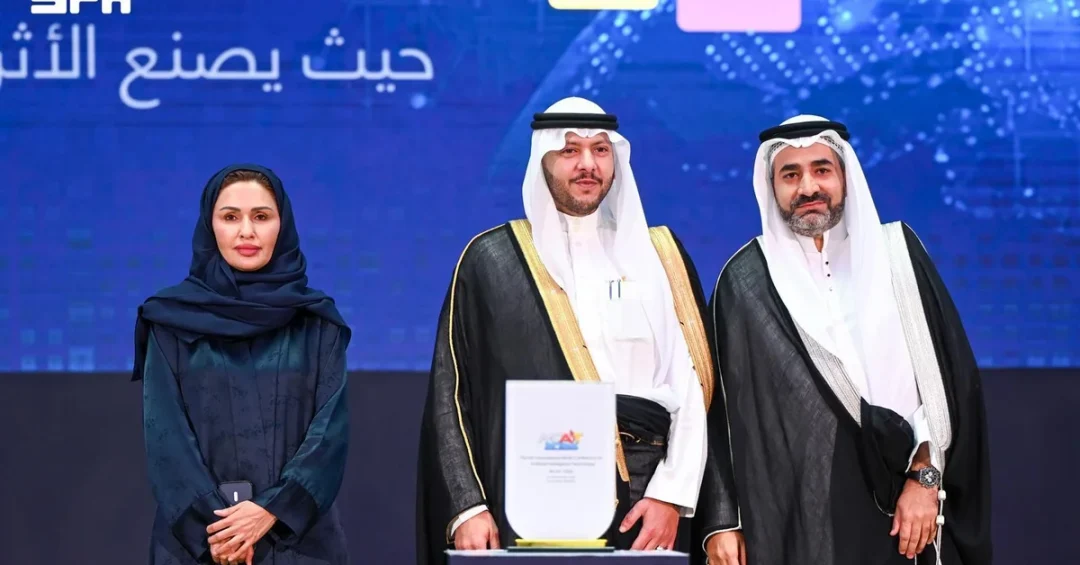
Madinah Deputy Governor Prince Saud bin Nahar bin Saud bin Abdulaziz officially inaugurated the sixth International Multi-Conference on Artificial Intelligence Technology (MCAIT 2026) at Taibah University on November 3, 2026, under the patronage of Madinah Region Governor Prince Salman bin Sultan bin Abdulaziz. The landmark event, hosted in partnership with Universiti Kebangsaan Malaysia (UKM), brings together researchers, academics, and specialized experts from 37 countries to explore the latest advancements in artificial intelligence and its applications across diverse fields. The conference underscores Saudi Arabia’s growing role as a global hub for technological innovation and academic collaboration, aligning with the Kingdom’s Vision 2030 objectives to diversify the economy and foster a knowledge-based society.
Have you ever wondered how international partnerships are accelerating the development of artificial intelligence in the Middle East? The MCAIT 2026 conference, held for the first time outside Malaysia, marks a significant milestone in the history of the event and reflects the deepening academic ties between Saudi Arabia and Malaysia. The opening ceremony, attended by dignitaries, scholars, and industry leaders, highlighted the importance of cross-border research collaboration in harnessing AI technologies to serve humanity. As the world stands on the brink of a new technological era, Saudi Arabia is positioning itself at the forefront of this transformation, leveraging its educational institutions and strategic partnerships to drive innovation and sustainable development.
Context and Background
Why has Taibah University become a focal point for international AI conferences? The sixth International Multi-Conference on Artificial Intelligence Technology (MCAIT 2026) builds on a legacy of academic excellence and global cooperation. Established in partnership with Universiti Kebangsaan Malaysia (UKM), the conference series has evolved into a premier platform for researchers to share findings, discuss challenges, and forge collaborations. This year’s edition is particularly notable as it is the first time the event is held outside Malaysia, a testament to the strong academic partnership between the two universities and the growing reputation of Saudi Arabia’s higher education sector.
Taibah University, located in the holy city of Madinah, has emerged as a hub for technological research and innovation. The university’s College of Computer Science and Engineering, led by Dean Dr. Ahmad Shuwail, has been instrumental in promoting scientific research and international partnerships. Dr. Shuwail emphasized the importance of MCAIT 2026 in showcasing the latest applications of artificial intelligence across various fields, from healthcare to smart cities. The conference provides a unique opportunity for Saudi students and faculty to engage with global experts, exchange ideas, and contribute to the advancement of AI technology. This aligns with the Kingdom’s Vision 2030, which seeks to diversify the economy, enhance education, and foster a culture of innovation.
The partnership with UKM, a leading Malaysian research university, highlights the importance of international collaboration in addressing global challenges. Malaysia has made significant strides in AI research and development, and its expertise complements Saudi Arabia’s ambitious plans for digital transformation. By hosting MCAIT 2026, Taibah University not only elevates its academic profile but also strengthens the bilateral relationship between Saudi Arabia and Malaysia. This collaboration is expected to yield joint research projects, student exchanges, and technology transfer initiatives that will benefit both nations and the broader global community.
Key Details
What specific topics and outcomes are expected from MCAIT 2026? The conference features a comprehensive agenda covering key areas such as machine learning, natural language processing, robotics, computer vision, and AI ethics. Over the course of several days, participants from 37 countries will present their research, participate in panel discussions, and attend workshops. The event also includes a dedicated session on the ethical implications of AI, reflecting the global concern for responsible innovation. Dean Shuwail noted that the conference aims to foster interdisciplinary dialogue and identify practical solutions to real-world problems.
In his address, Professor Shahrul Azman Mohamed Noah, Dean of the Faculty of Information Science and Technology at UKM, described the conference as a significant milestone in its history. He emphasized the importance of research collaboration and harnessing AI technologies to serve people and society. Professor Shahrul highlighted that the conference provides a platform for young researchers to showcase their work and learn from established experts. He also praised Taibah University for its excellent organization and hospitality, noting that the partnership between the two universities has grown stronger over the years.
The conference includes several keynote speeches by renowned AI experts, paper presentations, and poster sessions. A special track on AI for social good focuses on applications that address challenges such as healthcare, education, and environmental sustainability. Participants will also have the opportunity to network and explore potential collaborations. The event is expected to produce a set of recommendations that will be shared with policymakers and industry leaders to guide future AI development in the region.
International and Regional Impact
How does MCAIT 2026 influence the global AI landscape? The presence of researchers from 37 countries underscores the conference’s international significance. By bringing together diverse perspectives, MCAIT 2026 facilitates the exchange of knowledge and best practices that can accelerate AI innovation worldwide. The conference also serves as a platform for Saudi Arabia to showcase its progress in AI and attract global talent and investment. This is particularly important as the Kingdom seeks to become a leader in emerging technologies and reduce its dependence on oil revenues.
Regionally, the conference reinforces Saudi Arabia’s position as a technological hub in the Middle East. The participation of experts from across the Arab world and beyond highlights the Kingdom’s role in fostering regional cooperation. The outcomes of MCAIT 2026 are expected to inform AI strategies in various sectors, from energy to tourism, contributing to the region’s digital transformation. Moreover, the conference strengthens people-to-people ties between Saudi Arabia and Malaysia, paving the way for future collaborations in education, research, and trade.
Economic and Strategic Significance
What economic benefits can Saudi Arabia reap from hosting such a conference? The MCAIT 2026 conference is more than an academic gathering; it is a strategic investment in the Kingdom’s future. By fostering AI research and innovation, Saudi Arabia is building a knowledge-based economy that will create high-skilled jobs and attract foreign investment. The conference also provides a platform for Saudi startups and tech companies to showcase their solutions to an international audience, potentially leading to partnerships and funding opportunities.
Furthermore, the event supports the goals of Vision 2030 by promoting education, research, and technological advancement. The Kingdom has been actively investing in AI through initiatives such as the Saudi Data and AI Authority (SDAIA) and the National Center for Artificial Intelligence. These efforts aim to position Saudi Arabia as a global leader in AI by 2030. MCAIT 2026 contributes to this vision by facilitating knowledge transfer and capacity building, ensuring that Saudi youth are equipped with the skills needed to thrive in the digital economy.
Vision 2030 Alignment
How does MCAIT 2026 embody the spirit of Vision 2030? The conference is a clear manifestation of Saudi Arabia’s commitment to diversifying its economy and fostering innovation. Vision 2030 emphasizes the development of human capital, the expansion of non-oil sectors, and the creation of a vibrant knowledge economy. By hosting an international AI conference, Taibah University and its partners are directly contributing to these objectives. The event also promotes the Kingdom’s cultural and academic openness, showcasing Madinah as a center of learning and progress.
As Saudi Arabia continues its journey towards a prosperous future, initiatives like MCAIT 2026 will play a crucial role in driving sustainable development and global engagement. The conference not only advances AI technology but also strengthens the Kingdom’s international partnerships and enhances its reputation as a hub for innovation. With the support of its leadership and the dedication of its academic institutions, Saudi Arabia is well on its way to achieving the ambitious goals of Vision 2030 and building a brighter future for all.
20 Questions
Q1. What is MCAIT 2026 and where was it held?
A1. MCAIT 2026 is the sixth International Multi-Conference on Artificial Intelligence Technology, held at Taibah University in Madinah, Saudi Arabia, from November 3, 2026. It is organized in partnership with Universiti Kebangsaan Malaysia.
Q2. Who inaugurated the conference?
A2. Madinah Deputy Governor Prince Saud bin Nahar bin Saud bin Abdulaziz inaugurated the conference under the patronage of Madinah Region Governor Prince Salman bin Sultan bin Abdulaziz.
Q3. How many countries are participating in MCAIT 2026?
A3. Researchers, academics, and experts from 37 countries are participating in the conference, making it a truly international event.
Q4. What is the significance of holding the conference outside Malaysia for the first time?
A4. It marks a significant milestone in the conference’s history and reflects the strong academic partnership between Taibah University and Universiti Kebangsaan Malaysia, enhancing global collaboration.
Q5. Who is Dr. Ahmad Shuwail and what did he say?
A5. Dr. Ahmad Shuwail is the Dean of the College of Computer Science and Engineering at Taibah University. He highlighted the conference’s role in promoting scientific research and international partnerships.
Q6. What did Professor Shahrul Azman Mohamed Noah emphasize?
A6. Professor Shahrul, Dean of the Faculty of Information Science and Technology at UKM, emphasized the importance of research collaboration and harnessing AI to serve people and society.
Q7. What topics are covered at MCAIT 2026?
A7. The conference covers machine learning, natural language processing, robotics, computer vision, AI ethics, and AI for social good, among other key areas.
Q8. How does MCAIT 2026 align with Saudi Vision 2030?
A8. It supports Vision 2030 by fostering innovation, education, and international partnerships, contributing to a knowledge-based economy and technological leadership.
Q9. What is the expected outcome of the conference?
A9. The conference aims to produce recommendations for policymakers and industry leaders, and to facilitate joint research projects and collaborations among participants.
Q10. How does the conference benefit Saudi students and researchers?
A10. It provides them with opportunities to engage with global experts, showcase their work, and gain insights into the latest AI advancements, enhancing their skills and knowledge.
Q11. What role does Taibah University play in AI research?
A11. Taibah University, through its College of Computer Science and Engineering, is a hub for AI research and innovation, promoting scientific excellence and international collaboration.
Q12. Why is Madinah an important location for this conference?
A12. Madinah is a city of historical and cultural significance, and hosting the conference there showcases Saudi Arabia’s commitment to education and technology in all regions.
Q13. What is Universiti Kebangsaan Malaysia’s role in the conference?
A13. UKM is a co-organizer and partner, contributing expertise and facilitating international participation, thereby strengthening academic ties between Malaysia and Saudi Arabia.
Q14. How does the conference address AI ethics?
A14. MCAIT 2026 includes dedicated sessions on AI ethics, emphasizing responsible innovation and the ethical implications of AI technologies.
Q15. What economic benefits does the conference bring to Saudi Arabia?
A15. It attracts global talent and investment, fosters startups, and promotes a knowledge-based economy, aligning with Vision 2030’s economic diversification goals.
Q16. How many editions of MCAIT have been held so far?
A16. MCAIT 2026 is the sixth edition of the conference, building on the success of previous events held primarily in Malaysia.
Q17. What is the theme of MCAIT 2026?
A17. The conference focuses on the latest applications of artificial intelligence across various fields, with an emphasis on research collaboration and societal benefit.
Q18. Who are the keynote speakers at MCAIT 2026?
A18. The conference features renowned AI experts from around the world, though specific names were not provided in the official announcement.
Q19. How does the conference promote gender diversity in AI?
A19. MCAIT 2026 encourages participation from female researchers and academics, reflecting Saudi Arabia’s efforts to empower women in STEM fields.
Q20. What is the future outlook for AI in Saudi Arabia?
A20. Saudi Arabia is committed to becoming a global leader in AI, with continued investments in research, education, and infrastructure to drive innovation and achieve Vision 2030 goals.
Reader Feedback
We value your thoughts. Please share your feedback on this article.
Your feedback helps us improve our coverage.
Related articles
 Moon and Jupiter Conjunction Dazzles Northern Borders Skies
 Saudi Project to Cultivate Microalgae for Feed, Pharma
 Estidamah Advances Research on Jazan Jasmine Aroma
 Madinah Ethical AI Competition Opens Registration for Developers Worldwide
 NCVC Launches Native Seed Sowing Campaign in Jubail
 GASTAT: Internet Use Reaches 99.6% Among Individuals Aged 15 to 74 in Saudi Arabia