


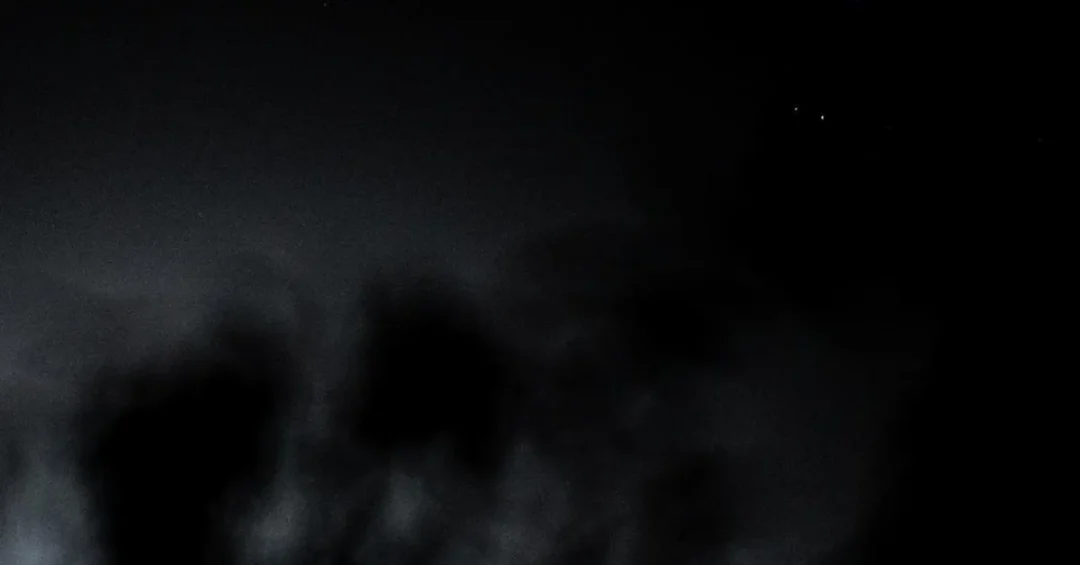
The skies over Saudi Arabia witnessed a remarkable astronomical event on Tuesday as the Pleiades star cluster appeared in close conjunction with the Moon, a phenomenon known locally as “Qiran 15.” According to the Saudi Press Agency (SPA), this celestial alignment is traditionally regarded by Bedouin communities and farmers across the Kingdom as a key seasonal marker, signaling the start of the third and final phase of the Wasm season, known as “Wasm al-Jawza.” This period coincides with the end of autumn and the onset of winter, carrying deep cultural and agricultural significance for many Saudis.
The event, observed by stargazers and heritage enthusiasts, highlights the enduring connection between Saudi Arabia’s natural environment and its rich cultural traditions. As the Kingdom continues to embrace modernization under Vision 2030, such astronomical occurrences serve as a reminder of the timeless knowledge passed down through generations. The conjunction not only marks a shift in seasons but also underscores the importance of rainfall for agriculture and the environment, themes that resonate with Saudi Arabia’s sustainability goals. How does this ancient practice inform contemporary life in the Kingdom?
Context and Background
Have you ever wondered how ancient civilizations tracked time without modern technology? In Saudi Arabia, the answer lies in the stars. The Wasm season, a traditional Arabian calendar system, is divided into phases that guide agricultural and pastoral activities. The final phase, Wasm al-Jawza, begins with the conjunction of the Pleiades and the Moon, known as Qiran 15. This event has been observed for centuries by Arab communities, who relied on the movements of stars and lunar mansions to predict weather patterns and determine optimal times for farming and grazing.
Mohammed Al-Huzaimi from the Astronomy and Space Club explained that Qiran 15 is one of the traditional time markers that Arabs historically used to track the changing seasons and weather conditions. He noted that the final phase of the Wasm season includes a period known in local folklore as “Juwairid,” which coincides with the last week of autumn and the beginning of winter. This knowledge, passed down orally, reflects a deep understanding of the natural world that continues to be valued in Saudi society.
The Wasm season, across its various phases, remains of particular interest to Bedouin communities, farmers, and those interested in traditional heritage. It is associated with seasonal weather changes, anticipation of rainfall, the first signs of spring, and the greening of natural pastures. As Saudi Arabia balances rapid development with cultural preservation, these traditions are being documented and celebrated, ensuring they remain part of the national identity. Isn’t it fascinating how ancient wisdom can still guide modern practices?
Key Details of the Astronomical Event
The conjunction of the Pleiades star cluster and the Moon, which occurred on Tuesday, November 25, 2026, was visible across Saudi Arabia. The Pleiades, also known as the Seven Sisters, is a prominent star cluster in the constellation Taurus. Its close alignment with the Moon is a rare and visually striking event that has captured human imagination for millennia. According to Al-Huzaimi, this conjunction has attracted Arabs’ attention since ancient times, serving as a vital marker for seasonal transitions.
Al-Huzaimi said Wasm al-Jawza lasts approximately 27 days. During this period, rainfall is particularly important for the growth of wild grasses and plants and for creating favorable environmental conditions for the growth of truffles, including the Zubaidi and Jaba (Khalasi) varieties. These truffles are not only a delicacy but also a source of income for many rural communities. The timing of the rains during Wasm al-Jawza can significantly impact the abundance of these natural resources, making the conjunction a critical event for those who depend on the land.
The event also marks the beginning of “Juwairid,” a sub-period within Wasm al-Jawza that aligns with the last week of autumn and the first days of winter. This transition is characterized by cooler temperatures and increased chances of precipitation, which are essential for replenishing groundwater and supporting vegetation. For Bedouin communities, this is a time of anticipation and preparation, as they move their herds to areas where fresh pastures are expected to emerge. How does this traditional knowledge complement modern meteorological forecasts?
International and Regional Impact
While the Pleiades-Moon conjunction is a local phenomenon, its implications extend beyond Saudi Arabia’s borders. The Arabian Peninsula has long been a crossroads of civilizations, and its astronomical traditions have influenced neighboring regions. The Wasm season and its markers are part of a shared heritage across the Gulf and the broader Middle East. By preserving and promoting this knowledge, Saudi Arabia contributes to the global understanding of humanity’s relationship with the cosmos.
Moreover, the event highlights the Kingdom’s growing role in astronomy and space science. Saudi Arabia has been investing in space exploration and research as part of Vision 2030, aiming to diversify its economy and foster innovation. The Astronomy and Space Club, represented by experts like Al-Huzaimi, plays a vital role in engaging the public and documenting traditional astronomical knowledge. This blend of heritage and modernity positions Saudi Arabia as a leader in both cultural preservation and scientific advancement. Could this ancient practice inspire new generations of Saudi scientists?
Regionally, the conjunction serves as a unifying theme among Gulf Cooperation Council (GCC) countries, which share similar climatic and cultural contexts. Collaborative efforts in meteorology, agriculture, and heritage conservation could be strengthened through the shared observance of such events. As Saudi Arabia hosts major international events and attracts global attention, its ability to showcase its unique cultural and natural heritage adds depth to its soft power. Isn’t it remarkable how a celestial event can bridge past and present, local and global?
Economic and Strategic Significance
The Wasm season is not only a cultural phenomenon but also an economic driver for rural communities. The rains associated with Wasm al-Jawza support the growth of truffles, which are highly prized in Saudi cuisine and beyond. The Zubaidi and Jaba varieties are particularly sought after, and their harvest provides a seasonal income for many families. Additionally, the greening of pastures supports livestock grazing, a traditional livelihood for Bedouin communities. By understanding and predicting these seasonal changes, farmers and herders can optimize their activities, contributing to food security and rural development.
From a strategic perspective, Saudi Arabia’s focus on environmental sustainability and climate resilience aligns with the goals of Vision 2030. The Kingdom is investing in water management, renewable energy, and agricultural technology to ensure a prosperous future. Traditional knowledge, such as that embodied in the Wasm season, offers valuable insights that can complement modern science. For instance, historical rainfall patterns associated with Qiran 15 could inform climate models and adaptation strategies. How can ancient wisdom and modern innovation work together to build a sustainable future?
Furthermore, the event underscores the importance of preserving natural ecosystems. The growth of wild grasses and truffles depends on healthy soils and biodiversity. Saudi Arabia’s environmental initiatives, including the Saudi Green Initiative and the Middle East Green Initiative, aim to combat desertification and restore degraded lands. By celebrating events like the Pleiades-Moon conjunction, the Kingdom raises awareness about the interconnectedness of nature and culture, encouraging responsible stewardship of the environment.
Vision 2030 Alignment
How does a celestial event like the Pleiades-Moon conjunction relate to Saudi Arabia’s Vision 2030? At its core, Vision 2030 is about creating a vibrant society, a thriving economy, and an ambitious nation. The preservation of cultural heritage is a key pillar of a vibrant society, as it strengthens national identity and fosters pride. By documenting and promoting traditional astronomical knowledge, Saudi Arabia ensures that future generations remain connected to their roots while embracing modernity.
In terms of a thriving economy, the Wasm season’s agricultural and economic aspects contribute to rural development and food security, aligning with the Vision’s goal of diversifying income sources. The event also highlights the potential for astro-tourism, as visitors from around the world may be drawn to witness such phenomena and learn about Saudi Arabia’s rich heritage. This can create new opportunities for local businesses and promote the Kingdom as a unique destination. As Saudi Arabia continues to open up to the world, its cultural and natural treasures will play an increasingly important role in attracting global attention. Isn’t it exciting to see how a simple conjunction of stars and Moon can illuminate the path to a brighter future?
20 Questions
Q1. What is the Pleiades-Moon conjunction known as in Saudi Arabia?
A1. The conjunction is known as “Qiran 15” in Saudi Arabia. It refers to the close alignment of the Pleiades star cluster with the Moon, a traditional marker used by Arabs to track seasonal changes.
Q2. What is the Wasm season?
A2. The Wasm season is a traditional Arabian calendar period divided into phases, used to predict weather and guide agricultural activities. It is particularly important for Bedouin communities and farmers across the Kingdom.
Q3. What is Wasm al-Jawza?
A3. Wasm al-Jawza is the third and final phase of the Wasm season, lasting approximately 27 days. It begins with the Pleiades-Moon conjunction and coincides with the end of autumn and the onset of winter.
Q4. Who explained the significance of Qiran 15?
A4. Mohammed Al-Huzaimi from the Astronomy and Space Club explained that Qiran 15 is a traditional time marker used by Arabs historically to track seasons and weather conditions.
Q5. What is “Juwairid”?
A5. Juwairid is a period within Wasm al-Jawza, occurring in the last week of autumn and the beginning of winter. It is associated with cooler temperatures and increased chances of rainfall.
Q6. How long does Wasm al-Jawza last?
A6. Wasm al-Jawza lasts approximately 27 days. During this period, rainfall is crucial for the growth of wild grasses, plants, and truffles.
Q7. Why is rainfall during Wasm al-Jawza important?
A7. Rainfall during Wasm al-Jawza supports the growth of wild grasses and plants, and creates favorable conditions for truffles, including the Zubaidi and Jaba varieties, which are economically valuable.
Q8. What are Zubaidi and Jaba truffles?
A8. Zubaidi and Jaba (Khalasi) are varieties of truffles that grow in the Arabian desert after sufficient rainfall. They are considered a delicacy and provide seasonal income for rural communities.
Q9. How did ancient Arabs use the Pleiades-Moon conjunction?
A9. Ancient Arabs relied on the movements of stars and lunar mansions, including the Pleiades-Moon conjunction, to track seasons, identify beginnings and ends of seasonal periods, and determine suitable times for farming and grazing.
Q10. What is the Astronomy and Space Club?
A10. The Astronomy and Space Club is a Saudi organization dedicated to promoting astronomy and space science. Experts like Mohammed Al-Huzaimi engage the public and document traditional astronomical knowledge.
Q11. How does the Wasm season benefit Bedouin communities?
A11. The Wasm season helps Bedouin communities predict weather changes, anticipate rainfall, and determine optimal times for grazing and moving herds. It is integral to their traditional livelihood and cultural heritage.
Q12. What is the significance of the Pleiades star cluster?
A12. The Pleiades, also known as the Seven Sisters, is a prominent star cluster in the constellation Taurus. Its conjunction with the Moon has been observed for millennia and holds cultural significance in many societies.
Q13. How does the event relate to Saudi Vision 2030?
A13. The event aligns with Vision 2030 by preserving cultural heritage, promoting sustainable agriculture, and potentially boosting astro-tourism. It reflects the Kingdom’s commitment to a vibrant society and a thriving economy.
Q14. What is the role of the Saudi Press Agency in reporting this event?
A14. The Saudi Press Agency (SPA) reported the event, highlighting its cultural and agricultural significance. SPA serves as an official source of news and information for the Kingdom.
Q15. Can the Pleiades-Moon conjunction be seen elsewhere?
A15. Yes, the conjunction is visible in many parts of the world, but its cultural interpretation as Qiran 15 is specific to the Arabian Peninsula and its traditional calendar systems.
Q16. What is the traditional Arabian calendar based on?
A16. The traditional Arabian calendar is based on lunar mansions and star movements. It divides the year into seasons and phases like the Wasm season, guiding agricultural and pastoral activities.
Q17. How does modern Saudi Arabia preserve such traditions?
A17. Modern Saudi Arabia preserves these traditions through cultural festivals, heritage documentation, and organizations like the Astronomy and Space Club. Vision 2030 emphasizes the importance of cultural preservation.
Q18. What are the environmental benefits of the Wasm season rains?
A18. The rains replenish groundwater, support vegetation growth, and sustain biodiversity. They are vital for combating desertification and maintaining ecological balance in the region.
Q19. Are there any other astronomical events significant to Saudi culture?
A19. Yes, other lunar mansions and star conjunctions are used to mark different seasons and agricultural activities. These include the rising of specific stars that signal planting or harvest times.
Q20. How can the public learn more about Saudi astronomical heritage?
A20. The public can learn more through the Astronomy and Space Club, cultural heritage centers, and official Saudi media. These platforms provide resources and organize events to engage the community.
Reader Feedback
We value your thoughts. Please share your feedback on this article.
Your feedback helps us improve our coverage.
Related articles
 30 Sculptures by Spanish Artist Shape Jeddah’s Visual Identity
 King Abdulaziz Falconry Festival Holds First Cup Round
 King Abdulaziz Falconry Festival Concludes Qualifying Rounds for Local Amateurs in Milwah Competition
 Saudi Authorities Remove 41 Visual Blights from Heritage Sites
 King Abdulaziz Falconry Festival: 18 Rounds Begin Wednesday
 Saudi Culture Ministry Launches Cultural Insurance Consulting