


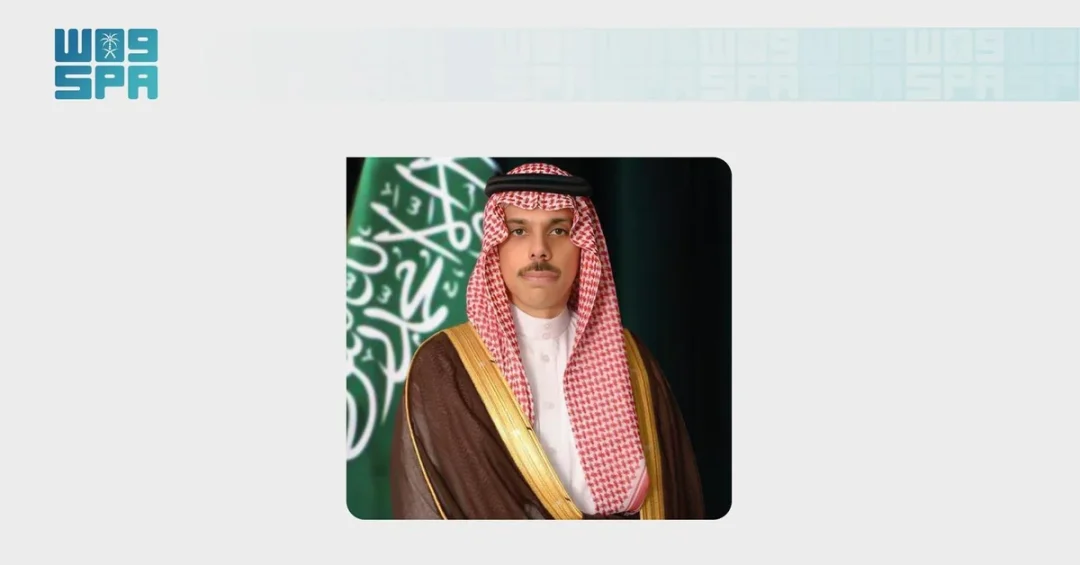
Saudi Minister of Foreign Affairs Prince Faisal bin Farhan bin Abdullah received separate phone calls from Bahraini Minister of Foreign Affairs Dr. Abdullatif bin Rashid Al Zayani and Egyptian Minister of Foreign Affairs, International Cooperation, and Egyptian Expatriates Dr. Badr Abdelatty on November 25, 2026, according to the Saudi Press Agency. During the calls, the ministers discussed regional developments and condemned the continued attacks by the terrorist Houthi militia on civilians and civilian objects in Saudi Arabia and Yemen. They also reviewed efforts to de-escalate tensions and enhance regional security and stability. The consultations underscore Saudi Arabia’s central role in coordinating diplomatic responses to shared security challenges and its commitment to protecting civilian life and infrastructure.
These high-level exchanges reflect the ongoing coordination among Arab states to address threats posed by the Houthi militia, which has repeatedly targeted civilian areas in the Kingdom and Yemen. The phone calls also highlight the importance of joint diplomatic efforts to reduce tensions and promote stability in the region. Saudi Arabia, under the leadership of the Custodian of the Two Holy Mosques King Salman bin Abdulaziz Al Saud and Crown Prince Mohammed bin Salman, continues to lead regional initiatives aimed at achieving lasting peace and security, in line with Vision 2030’s goals of a prosperous and secure nation. How can such diplomatic coordination effectively deter terrorist activities and foster a safer environment for all? The discussions between the foreign ministers signal a unified stance against terrorism and a shared commitment to regional peace.
Context and Background
What drives the urgency of these diplomatic consultations between Saudi Arabia, Bahrain, and Egypt? The persistent attacks by the Houthi militia on civilian targets in Saudi Arabia and Yemen have been a major source of instability in the region. The Houthis, backed by external parties, have launched numerous missile and drone strikes on Saudi cities, airports, and oil facilities, causing loss of life and property damage. These acts of aggression violate international law and threaten the security of the entire region. In response, Saudi Arabia has consistently called for international action to hold the perpetrators accountable and to support Yemen’s legitimate government in restoring peace. The phone calls between Prince Faisal bin Farhan and his Bahraini and Egyptian counterparts are part of a broader diplomatic effort to galvanize support for these objectives.
Bahrain and Egypt are key allies of Saudi Arabia in the Arab world, sharing similar security concerns and a commitment to combating terrorism. Bahrain, as a member of the Gulf Cooperation Council (GCC), has been a steadfast partner in regional security initiatives, including the Saudi-led Coalition to Restore Legitimacy in Yemen. Egypt, with its significant diplomatic and military influence, plays a crucial role in mediating conflicts and promoting stability in the Arab world. The trilateral discussions thus reinforce the collective approach to addressing common threats. The timing of these calls, shortly after recent Houthi attacks, underscores the need for continuous coordination and a unified response. How can regional alliances be strengthened further to prevent future aggressions? The ministers’ dialogue is a step toward a more cohesive strategy.
Key Details of the Discussions
What specific outcomes emerged from these high-level phone calls? According to the Saudi Press Agency, the ministers condemned the Houthi militia’s continued attacks on civilians and civilian objects in Saudi Arabia and Yemen. They reviewed efforts to de-escalate tensions and enhance regional security and stability. While the exact measures discussed were not disclosed, the conversation likely covered intelligence sharing, diplomatic initiatives, and potential joint actions to deter further aggression. The ministers also emphasized the importance of supporting Yemen’s legitimate government and alleviating the humanitarian crisis in the country. These discussions align with Saudi Arabia’s Vision 2030, which seeks to ensure a secure and stable environment for economic growth and social development.
The calls also provided an opportunity to reaffirm the strong fraternal ties between the three nations. Prince Faisal bin Farhan expressed Saudi Arabia’s appreciation for Bahrain and Egypt’s unwavering support in confronting terrorism. In turn, the Bahraini and Egyptian ministers reiterated their countries’ solidarity with the Kingdom and their commitment to joint efforts to maintain regional peace. Such diplomatic engagements are vital for building consensus and coordinating responses to shared challenges. How do these conversations translate into tangible actions on the ground? They pave the way for enhanced cooperation in defense, intelligence, and humanitarian assistance, ensuring a comprehensive approach to regional security.
International and Regional Impact
What are the broader implications of these diplomatic consultations for the region and beyond? The phone calls between Saudi Arabia, Bahrain, and Egypt send a strong message to the international community about the resolve of Arab states to combat terrorism and uphold international law. They also highlight the failure of the Houthi militia to comply with international calls for cessation of hostilities. By presenting a united front, these nations increase pressure on the Houthis and their backers to cease attacks and engage in peaceful dialogue. Furthermore, the coordination demonstrates the effectiveness of multilateral diplomacy in addressing complex security issues. The international community, including the United Nations and major powers, has repeatedly condemned Houthi attacks and called for a political solution to the Yemen conflict. These calls reinforce those efforts.
Regionally, the discussions contribute to the broader goal of stability in the Middle East, which is essential for economic prosperity and social development. Saudi Arabia’s leadership in these efforts is widely recognized, and its partnerships with Bahrain and Egypt are pillars of regional security. The calls also come amid ongoing tensions in the Red Sea and Gulf of Aden, where Houthi attacks on shipping have threatened global trade routes. By coordinating their positions, the three nations can better protect maritime security and ensure the free flow of commerce. How can the international community support these regional efforts more effectively? Increased diplomatic pressure, humanitarian aid, and capacity-building for local forces are essential components. The trilateral dialogue sets a precedent for other nations to join in a collective defense of peace.
Economic and Strategic Significance
Why are these diplomatic efforts economically and strategically vital for Saudi Arabia and its allies? The Houthi attacks not only endanger lives but also disrupt economic activities, including oil exports and infrastructure projects. Saudi Arabia’s Vision 2030 aims to diversify the economy and attract foreign investment, which requires a stable and secure environment. By working with Bahrain and Egypt to counter these threats, the Kingdom protects its economic interests and ensures the success of its development plans. The strategic location of the Red Sea and the Bab-el-Mandeb Strait makes maritime security a top priority for global trade. Saudi Arabia has invested heavily in port infrastructure and logistics under Vision 2030, and any disruption to shipping lanes could have far-reaching consequences. The coordination with Bahrain and Egypt helps safeguard these critical assets.
Moreover, the phone calls underscore the strategic alignment of the three nations in countering Iran’s destabilizing activities in the region. The Houthi militia is widely seen as a proxy of Iran, and the joint condemnation serves as a warning that such aggression will not be tolerated. Saudi Arabia’s leadership in forming alliances and promoting collective security is a key component of its foreign policy. The discussions also open avenues for economic cooperation, such as joint investments in renewable energy, technology, and infrastructure. By enhancing security, these nations create an environment conducive to trade and investment, benefiting their peoples and contributing to regional prosperity. How can economic integration further solidify these security partnerships? The prospects are promising, as Vision 2030 encourages diversification and international collaboration.
Vision 2030 Alignment
How do these diplomatic engagements align with Saudi Arabia’s Vision 2030? Vision 2030 is a comprehensive plan to transform the Kingdom into a global hub for trade, tourism, and innovation, while ensuring a high quality of life for its citizens. A stable and secure region is a prerequisite for achieving these goals. The phone calls between Prince Faisal bin Farhan and his counterparts demonstrate Saudi Arabia’s proactive diplomacy in safeguarding its interests and promoting peace. By strengthening ties with Bahrain and Egypt, the Kingdom reinforces the foundations of regional stability that are essential for economic growth. Vision 2030 also emphasizes the importance of international partnerships, and these consultations are a testament to Saudi Arabia’s role as a responsible global player.
Furthermore, the discussions reflect the values of moderation and dialogue that Saudi Arabia champions on the world stage. The Kingdom’s efforts to de-escalate tensions and enhance security are in line with its commitment to peaceful resolution of conflicts. As Saudi Arabia continues to implement Vision 2030, such diplomatic initiatives will remain crucial in creating an enabling environment for investment, tourism, and cultural exchange. The phone calls are not just a response to immediate threats but also a strategic investment in a peaceful future. How will these efforts shape the next decade of Saudi foreign policy? They will undoubtedly strengthen the Kingdom’s position as a leader in regional and global affairs, driving progress toward a prosperous and secure Vision 2030.
20 Questions
Q1. Who received the phone calls from the Bahraini and Egyptian foreign ministers?
A1. Saudi Minister of Foreign Affairs Prince Faisal bin Farhan bin Abdullah received the separate phone calls on November 25, 2026, as reported by the Saudi Press Agency.
Q2. What was the main topic of discussion during the phone calls?
A2. The ministers discussed regional developments and condemned the terrorist Houthi militia’s continued attacks on civilians and civilian objects in Saudi Arabia and Yemen.
Q3. Which countries’ foreign ministers participated in these calls?
A3. The foreign ministers of Bahrain, Dr. Abdullatif bin Rashid Al Zayani, and Egypt, Dr. Badr Abdelatty, held separate calls with Prince Faisal bin Farhan.
Q4. What did the ministers condemn during their conversations?
A4. They condemned the terrorist Houthi militia’s repeated attacks on civilians and civilian infrastructure in Saudi Arabia and Yemen, which violate international law.
Q5. What efforts did the ministers review?
A5. They reviewed efforts to de-escalate tensions and enhance regional security and stability, focusing on diplomatic and cooperative measures.
Q6. How does Saudi Arabia’s leadership role manifest in these discussions?
A6. Saudi Arabia is coordinating diplomatic responses to shared security challenges, demonstrating its central role in promoting regional peace and stability.
Q7. Why are Bahrain and Egypt key allies in this context?
A7. Both nations share security concerns and have been steadfast partners in regional initiatives, including the Saudi-led Coalition to Restore Legitimacy in Yemen.
Q8. What is the significance of these calls for regional security?
A8. They signal a unified stance against terrorism and a commitment to joint efforts to maintain peace, deterring further aggression by the Houthi militia.
Q9. How do these discussions align with Vision 2030?
A9. They support Vision 2030’s goals by fostering a secure environment necessary for economic diversification, investment, and social development.
Q10. What impact do Houthi attacks have on Saudi Arabia’s economy?
A10. The attacks disrupt oil exports and infrastructure projects, threatening economic stability and the success of Vision 2030 initiatives.
Q11. How does Saudi Arabia protect maritime security in the region?
A11. Through coordination with allies like Bahrain and Egypt, Saudi Arabia works to safeguard shipping lanes in the Red Sea and Gulf of Aden.
Q12. What role does Egypt play in regional diplomacy?
A12. Egypt, with its significant diplomatic and military influence, mediates conflicts and promotes stability, complementing Saudi Arabia’s efforts.
Q13. What message do these calls send to the international community?
A13. They demonstrate Arab states’ resolve to combat terrorism and uphold international law, increasing pressure on the Houthis and their backers.
Q14. How can other nations support these regional efforts?
A14. Through diplomatic pressure, humanitarian aid, and capacity-building for local forces to counter terrorism and restore peace.
Q15. What are the strategic implications of the Red Sea for Saudi Arabia?
A15. The Red Sea is vital for global trade and Saudi Arabia’s Vision 2030 port infrastructure, making its security a top priority.
Q16. How do these consultations strengthen Arab solidarity?
A16. They reinforce fraternal ties and a collective approach to addressing common threats, showcasing unity among Arab nations.
Q17. What humanitarian aspects were likely discussed?
A17. Supporting Yemen’s legitimate government and alleviating the humanitarian crisis, ensuring aid reaches those in need.
Q18. How does Saudi Arabia’s foreign policy reflect moderation?
A18. By championing dialogue and peaceful resolution of conflicts, Saudi Arabia promotes stability and cooperation in the region.
Q19. What future actions might result from these calls?
A19. Enhanced cooperation in defense, intelligence, and humanitarian assistance, paving the way for joint initiatives to counter terrorism.
Q20. How do these diplomatic efforts contribute to global peace?
A20. By fostering regional stability, they help ensure global trade routes remain open and reduce the spread of extremism, benefiting the international community.
Reader Feedback
We value your thoughts. Please share your feedback on this article.
Your feedback helps us improve our coverage.
Related articles
 Pakistan Condemns Houthi Attack on Riyadh Financial District
 Coalition Urges Civilians to Evacuate Hodeidah Port
 Border Guard Holds Maritime Safety Exhibition in Jubail
 4.6-Magnitude Earthquake Strikes Türkiye’s Muğla Province
 Imam Turki bin Abdullah Reserve Glossary Explores Biodiversity
 MWL Condemns Houthi Attack on Riyadh Financial District