


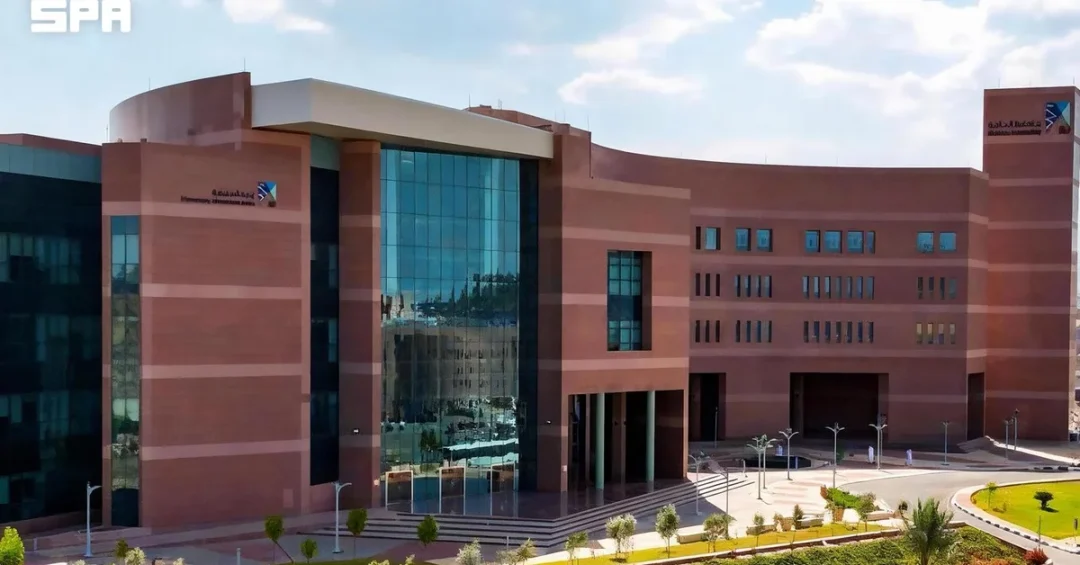
Al-Baha University has been awarded four silver medals and a special award at the Security and Innovation Fair (SAIF 2026), held as part of the Global Security and Technology Summit in Riyadh, according to an announcement carried by the Saudi Press Agency. The honors recognized four distinct student projects that delivered innovative technological and engineering solutions across cybersecurity, smart education, forest monitoring and early warning systems, and non-visual surveillance technologies. The achievement places the university’s student researchers squarely on an international stage and reflects the breadth of applied research emerging from Saudi Arabia’s higher education sector.
The recognition arrives at a moment when the Kingdom is accelerating its push toward a diversified, knowledge-driven economy, and when Saudi universities are being positioned as engines of innovation rather than passive centers of learning. For a relatively young institution serving the southwestern Al-Baha region, winning four silver medals and a special award at a summit of this scale represents far more than a ceremonial honor. Could any single event better illustrate how regional universities are now competing alongside the Kingdom’s largest institutions? The results suggest that excellence in research and innovation is spreading across the country’s academic landscape, not confined to a handful of metropolitan campuses.
Context and Background
The Security and Innovation Fair (SAIF 2026) was staged within the broader Global Security and Technology Summit in Riyadh, a gathering that brought together researchers, industry specialists, and government stakeholders to examine the future of security technologies and their applications. The fair functioned as a showcase for cutting-edge projects in related fields, giving student teams and institutions a platform to present working prototypes and applied solutions before an audience of specialists. Such events have become increasingly central to Saudi Arabia’s innovation ecosystem, where academic research is expected to translate into tangible tools that serve both public and private sectors.
Al-Baha University’s participation was not a symbolic gesture but a competitive entry across multiple technical domains, and its four silver medals confirm that the institution’s projects met rigorous standards of engineering and design. The university’s achievement also reflects the growing maturity of Saudi student research culture, in which teams move from classroom theory to field-tested prototypes with real community applications. Why does this matter beyond the campus gates? Because each of the four winning projects addresses a genuine operational challenge, from protecting digital infrastructure to detecting forest fires before they spread, and from rethinking how education is delivered to designing surveillance systems that operate without relying on conventional visual feeds.
The summit setting added a further layer of significance. By hosting SAIF 2026 in Riyadh as part of a global security and technology gathering, the Kingdom signaled that it intends to be a convening power in these fields, drawing international attention to the capabilities being built inside its own institutions. Al-Baha University’s success thus becomes part of a broader national narrative about capability, credibility, and the practical application of academic knowledge.
The Four Winning Projects
The four silver medals were awarded to student projects spanning cybersecurity, smart education, forest monitoring and early warning, and non-visual surveillance systems. Each discipline carries distinct weight in the contemporary security and technology landscape. In cybersecurity, Saudi institutions face the same intensifying threats as any advanced economy, and homegrown talent capable of designing protective systems is a strategic asset. The cybersecurity project recognized at SAIF 2026 demonstrates that students are engaging with real defensive challenges rather than abstract exercises.
The smart education project speaks to another national priority: modernizing how knowledge is delivered across schools and universities. As the Kingdom invests heavily in digital learning infrastructure, innovations that improve pedagogy through technology find ready application. The forest monitoring and early warning project carries obvious environmental and public safety value, particularly for a country with forested highland regions such as those around Al-Baha, where early detection of fires or ecological threats can protect lives, livelihoods, and ecosystems. The non-visual surveillance system rounds out the portfolio with a genuinely inventive approach, suggesting that the team explored sensing modalities beyond conventional cameras, an area with wide potential in security and infrastructure monitoring. Is it any surprise that a university rooted in a mountainous, forested region would produce a strong environmental monitoring solution? Regional context clearly informed the research agenda in meaningful ways.
Taken together, the four projects reflect the diversity of the university students’ research and innovation output and their ability to apply academic knowledge and modern tools to develop practical solutions that serve the community. This diversity is itself noteworthy, since it indicates a research culture that cultivates multiple disciplines rather than concentrating resources narrowly. The special award, presented alongside the medals, further underscores that evaluators saw something distinctive in the university’s overall presentation.
International and Regional Impact
The awards strengthen Al-Baha University’s presence at international science and technology events, a benefit that extends well beyond a single competition. Visibility of this kind attracts collaboration, exchange opportunities, and future partnerships with institutions and companies that attend such summits. For Saudi Arabia as a whole, each strong performance by a regional university adds credibility to the national claim that world-class research capacity now exists throughout the Kingdom, not only in Riyadh, Jeddah, or the Eastern Province.
Regionally, the achievement positions Al-Baha as a contributor to the security and technology conversation across the Gulf and the wider Middle East. As neighboring economies pursue their own digital transformation agendas, Saudi research output becomes a reference point and a potential source of joint ventures. The fact that the projects emerged from a university serving a smaller population center also carries symbolic weight, demonstrating that talent and innovation are distributed across the country. Should this not encourage other regional institutions to pursue ambitious research agendas of their own? The example set here is likely to be noticed by peers and policymakers alike.
Economic and Strategic Significance
The economic dimension of these awards lies in human capital. Saudi Arabia’s long-term prosperity depends on developing a workforce fluent in advanced technologies, and student competitions are one of the most effective mechanisms for identifying and honing that talent. The students behind the four silver-medal projects have demonstrated practical competence that employers in cybersecurity, education technology, environmental monitoring, and security systems will value highly. Their success contributes directly to the pipeline of skilled professionals the Kingdom needs as it diversifies away from hydrocarbon dependence.
Strategically, the projects align with national priorities around security, sustainability, and digital modernization. Early warning systems for forests support environmental stewardship and disaster resilience, while non-visual surveillance and cybersecurity research reinforce the security foundations on which economic activity depends. Smart education tools improve the productivity of the education system itself, multiplying the return on national investment in learning. The awards therefore represent more than accolades; they are indicators that the innovation ecosystem is producing outputs with real-world utility. How often do student projects map so cleanly onto national priorities? Here, the alignment is unusually strong, which helps explain why the recognition resonates.
Vision 2030 Alignment
The achievement sits comfortably within the framework of Saudi Vision 2030, which places education, innovation, and the cultivation of national talent at the center of the Kingdom’s transformation. Vision 2030 envisions a diversified economy powered by knowledge and skills, and universities are explicitly tasked with producing research that serves society. Al-Baha University’s four silver medals and special award at SAIF 2026 are a concrete demonstration of those objectives in action, translating policy ambition into measurable academic accomplishment on an international stage.
The recognition also supports the vision’s emphasis on balanced regional development, showing that institutions outside the major metropolitan centers can compete and win. As Saudi Arabia continues to invest in research infrastructure, partnerships between universities and industry, and opportunities for young people to engage with advanced technology, successes like this one will become the benchmark against which progress is measured. The university’s students have proven they can apply academic knowledge and modern tools to develop practical solutions that serve the community, and in doing so they have strengthened their institution’s presence at international science and technology events. That is precisely the kind of capability a forward-looking, globally engaged Saudi Arabia intends to build for decades to come.
20 Questions
Q1. What did Al-Baha University win at SAIF 2026?
A1. Al-Baha University won four silver medals and a special award at the Security and Innovation Fair (SAIF 2026), recognizing student projects in cybersecurity, smart education, forest monitoring and early warning, and non-visual surveillance systems.
Q2. Where was the fair held?
A2. The fair was held in Riyadh as part of the Global Security and Technology Summit, which brought together researchers, industry specialists, and government stakeholders to examine cutting-edge security technologies.
Q3. How many silver medals did the university receive?
A3. The university received four silver medals, one for each of the four recognized student projects presented at the fair, along with a special award acknowledging the overall distinction of its participation.
Q4. What field did the first winning project address?
A4. One of the recognized projects focused on cybersecurity, presenting an innovative technological solution designed to strengthen defenses against digital threats facing institutions and communities in the modern security landscape.
Q5. What was the focus of the smart education project?
A5. The smart education project presented an engineering solution aimed at modernizing how knowledge is delivered, using technology to improve learning outcomes and support the Kingdom’s investment in digital education infrastructure.
Q6. How does the forest monitoring project serve the community?
A6. The forest monitoring and early warning system helps detect ecological threats and fires early, protecting lives, livelihoods, and ecosystems in highland regions such as those around Al-Baha.
Q7. What is distinctive about the non-visual surveillance system?
A7. The non-visual surveillance project explores sensing technologies beyond conventional cameras, offering an inventive approach to monitoring that carries wide potential in security and infrastructure applications.
Q8. Why is this achievement important for Al-Baha University?
A8. The awards strengthen the university’s presence at international science and technology events, attracting collaboration, exchange opportunities, and partnerships, while showcasing the quality of its students’ applied research.
Q9. What does the achievement reflect about the students?
A9. It reflects the diversity of the students’ research and innovation projects and their ability to apply academic knowledge and modern tools to develop practical solutions that serve the community.
Q10. Who announced the results?
A10. The achievement was announced via the Saudi Press Agency, the Kingdom’s official news authority, which reported the awards following the conclusion of activities at the Global Security and Technology Summit in Riyadh.
Q11. What is the significance for Saudi Arabia’s regions?
A11. The success demonstrates that universities outside major metropolitan centers can compete internationally, supporting balanced regional development and showing that talent and innovation are distributed across the Kingdom.
Q12. How does this relate to Vision 2030?
A12. Vision 2030 places education, innovation, and national talent at the center of transformation. The awards translate these policy ambitions into measurable academic accomplishments on an international stage.
Q13. Which sectors benefit from these student innovations?
A13. Cybersecurity, education technology, environmental monitoring, and security systems all stand to benefit, as each project addresses genuine operational challenges with practical, field-tested solutions.
Q14. Why was hosting the fair in Riyadh significant?
A14. Hosting SAIF 2026 in Riyadh as part of a global summit signaled the Kingdom’s intent to be a convening power in security and technology, drawing attention to capabilities built inside its institutions.
Q15. Did the university’s location influence its research?
A15. The forest monitoring project suggests that regional context informed the research agenda, as Al-Baha’s mountainous, forested environment creates natural demand for early warning and environmental monitoring systems.
Q16. What economic value do such awards create?
A16. The awards highlight human capital development, identifying and honing students whose practical competence in advanced technologies will be highly valued by employers across key sectors of the Saudi economy.
Q17. How many student projects were recognized?
A17. Four student projects were recognized, each receiving a silver medal, and the university as a whole received an additional special award for its overall participation in the fair.
Q18. What does the special award recognize?
A18. The special award complements the four silver medals, underscoring that evaluators saw something distinctive in the university’s overall presentation and the broad quality of its research output.
Q19. What message does this send to other universities?
A19. It signals that ambitious research agendas are viable for regional institutions, likely encouraging peers and policymakers to invest further in student innovation and applied research programs.
Q20. What comes next for the winning students?
A20. The students’ demonstrated competence positions them well for future opportunities in industry, research, and advanced technology fields, contributing to the Kingdom’s growing pipeline of skilled professionals.
Reader Feedback
We value your thoughts. Please share your feedback on this article.
Your feedback helps us improve our coverage.
Related articles
 Taibah University Wins 10 Medals at SAIF 2026
 University of Hafr Al Batin Registers Space Sensor in UK
 Islamic University of Madinah Wins Five Medals at SAIF 2026
 KFU and China Agricultural University Explore Smart Agriculture Collaboration
 SDAIA Opens Public Consultation on Data Classification Policy
 SAIF Day 2 Showcases Global Security Tech Innovations