


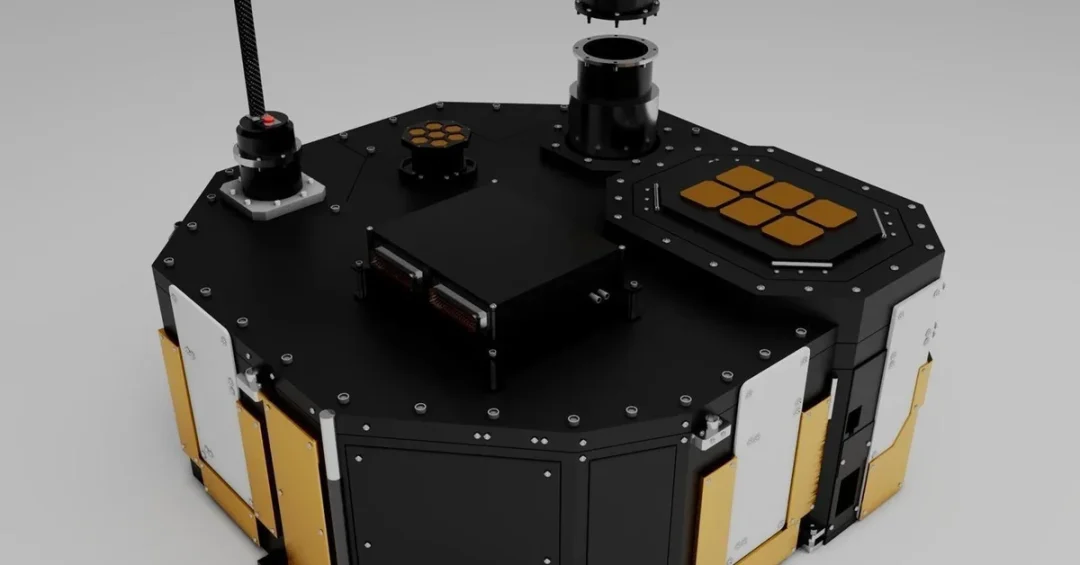
The University of Hafr Al Batin has registered a hybrid space sensor design with the UK Intellectual Property Office, marking a significant milestone in Saudi Arabia’s research and innovation landscape. The registration, announced via the Saudi Press Agency, stems from a joint research effort by Dr. Najoud Badawi and student Aydah Al-Mudhaibari, both from the university’s Department of Electrical Engineering. The achievement underscores the Kingdom’s growing capacity in advanced space technology and intellectual property creation, aligning with the national ambitions of Saudi Vision 2030.
This development is not an isolated success but a product of the university’s sustained efforts through its Student Excellence Center, which supports student talents, fosters research and innovation projects, and enables students to protect and register their innovations locally and internationally. By promoting a culture of innovation and developing students’ scientific capabilities, the University of Hafr Al Batin is enhancing the global competitiveness of Saudi youth. The registration with the UK Intellectual Property Office also signals international recognition of Saudi academic research, a key pillar of the Kingdom’s knowledge-based economy transition.
Context and Background
How does a relatively young Saudi university come to register a space sensor design in the United Kingdom? The University of Hafr Al Batin, established in 2014, has rapidly positioned itself as a hub for applied sciences and engineering in the northern region of Saudi Arabia. Its Student Excellence Center plays a pivotal role in identifying and nurturing promising researchers early in their academic careers. The center provides mentorship, resources, and administrative support for intellectual property registration, creating a pipeline from classroom learning to tangible innovation. This infrastructure reflects a broader national trend where Saudi universities are increasingly filing patents and registering designs abroad.
The hybrid space sensor design itself represents a convergence of multiple engineering disciplines. Hybrid sensors typically combine different sensing modalities—such as optical and thermal, or radar and lidar—to improve accuracy and reliability in the harsh environment of space. While the specific technical details remain confidential during the registration process, the fact that a student-faculty team achieved this milestone highlights the depth of talent being cultivated in the Kingdom. It also demonstrates that Saudi innovation is not confined to major metropolitan centers but is flourishing across the country’s academic institutions.
The timing of this registration is significant. Saudi Arabia has accelerated its space ambitions in recent years, establishing the Saudi Space Agency and launching initiatives to develop indigenous satellite technology. Universities are key partners in this national effort, providing the research backbone and skilled workforce needed to sustain long-term programs. The University of Hafr Al Batin’s success thus contributes directly to the Kingdom’s strategic goal of becoming a regional leader in space science and technology.
Key Details of the Registration
What exactly does the registration of a hybrid space sensor design entail? According to the Saudi Press Agency, the design was officially registered with the UK Intellectual Property Office, a move that grants the university and its researchers formal recognition and protection for their intellectual creation in a major international jurisdiction. The joint research effort involved Dr. Najoud Badawi, a faculty member in the Department of Electrical Engineering, and student Aydah Al-Mudhaibari. Their collaboration exemplifies the university’s emphasis on faculty-student mentorship in cutting-edge research.
The Student Excellence Center at the University of Hafr Al Batin has been instrumental in facilitating this achievement. The center’s mandate includes supporting student talents, fostering research and innovation projects, and enabling students to protect and register their innovations locally and internationally. By providing this support, the center ensures that students like Al-Mudhaibari can navigate the complex process of intellectual property protection, from initial disclosure to final registration. This hands-on experience is invaluable for building a generation of innovators who understand both the technical and legal dimensions of bringing ideas to market.
The registration also highlights the university’s commitment to international collaboration and standards. By choosing to register with the UK Intellectual Property Office, the team signals that their design meets rigorous criteria for novelty and utility. This international validation can open doors to further partnerships, licensing opportunities, and funding from global aerospace and technology companies. It also sets a precedent for other Saudi universities to pursue similar international protections for their research outputs.
International and Regional Impact
What does this achievement mean for Saudi Arabia’s standing in the global space community? The registration of a hybrid space sensor design in the UK positions the Kingdom as an emerging contributor to space technology innovation, not just a consumer of imported systems. It demonstrates that Saudi researchers can produce original, protectable intellectual property that meets international standards. This can enhance the Kingdom’s reputation as a serious player in space science and attract collaboration requests from foreign institutions and companies.
Regionally, the success of the University of Hafr Al Batin serves as a model for other Gulf universities. It shows that with the right support structures—such as student excellence centers—young researchers can achieve globally recognized milestones. This can spur friendly competition and knowledge sharing across the region, raising the overall quality of research and innovation. For Saudi Arabia, it reinforces the narrative of a diversifying economy where talent and creativity are the new engines of growth.
The international dimension is further underscored by the UK registration itself. The United Kingdom has a robust intellectual property regime and a thriving space sector, making it a strategic location for protecting space-related innovations. By securing rights there, the Saudi team gains a foothold in a key market and a platform for potential European collaborations. This aligns with Saudi Vision 2030’s goal of expanding international partnerships and enhancing the Kingdom’s global integration.
Economic and Strategic Significance
How does a single patent registration translate into economic value? Intellectual property is a foundational asset in the knowledge economy. By securing rights to the hybrid space sensor design, the University of Hafr Al Batin and its researchers can potentially license the technology to satellite manufacturers, aerospace firms, or research institutions. Licensing revenues could fund further research and student scholarships, creating a virtuous cycle of innovation. Even if the design is not immediately commercialized, the experience of registering it builds valuable expertise within the university and the national innovation ecosystem.
Strategically, this achievement supports Saudi Arabia’s efforts to localize high-tech industries. The space sector is a priority under Vision 2030, with targets to increase local content and develop indigenous capabilities. A patent portfolio in space sensors contributes to this goal by providing a basis for domestic manufacturing and reducing reliance on foreign technology. It also signals to investors and partners that Saudi Arabia has the human capital to support advanced technology ventures, which can attract foreign direct investment and joint ventures.
Furthermore, the registration enhances the employability of the student involved. Aydah Al-Mudhaibari’s participation in a successfully registered design demonstrates to future employers—whether in Saudi Arabia or abroad—that she possesses not only technical skills but also an understanding of intellectual property and international standards. This makes her a more competitive candidate in the global job market and a potential leader in the Kingdom’s space industry.
Vision 2030 Alignment
How does this milestone fit into the broader framework of Saudi Vision 2030? One of the vision’s core themes is building a diversified, knowledge-based economy that nurtures talent and innovation. The University of Hafr Al Batin’s achievement directly supports this by showcasing how Saudi educational institutions can produce world-class research and protect it internationally. The emphasis on student excellence and innovation aligns with the vision’s human capital development goals, ensuring that young Saudis are equipped to drive future growth.
Moreover, the space sector is explicitly identified as a strategic priority in Vision 2030. By registering a space sensor design, the university contributes to the Kingdom’s ambition to become a regional leader in space technology and to increase its share of high-tech exports. This success also reinforces the role of universities as engines of economic diversification, moving beyond traditional education to become hubs of applied research and commercialization.
As Saudi Arabia continues its transformation, achievements like this will become more common. The University of Hafr Al Batin’s registration with the UK Intellectual Property Office is a testament to the Kingdom’s investment in its youth and its commitment to innovation. It signals to the world that Saudi Arabia is not only a participant in the global knowledge economy but increasingly a contributor of original ideas and technologies. This forward-looking trajectory is exactly what Vision 2030 envisions: a nation empowered by its people’s creativity and driven by sustainable, innovation-led growth.
20 Questions
Q1. What did the University of Hafr Al Batin achieve recently?
A1. The university registered a hybrid space sensor design with the UK Intellectual Property Office, marking a significant milestone in Saudi research and innovation, as announced by the Saudi Press Agency.
Q2. Who were the researchers involved in this project?
A2. Dr. Najoud Badawi, a faculty member, and student Aydah Al-Mudhaibari, both from the Department of Electrical Engineering, collaborated on the joint research effort.
Q3. What is the role of the Student Excellence Center in this achievement?
A3. The center supports student talents, fosters research and innovation projects, and enables students to protect and register their innovations locally and internationally, promoting a culture of innovation.
Q4. Why is registering a design with the UK Intellectual Property Office significant?
A4. It provides international recognition and legal protection for the innovation, enhancing the university’s global competitiveness and opening doors to partnerships and licensing opportunities.
Q5. How does this achievement align with Saudi Vision 2030?
A5. It supports the vision’s goals of building a knowledge-based economy, nurturing talent, and advancing the space sector, contributing to economic diversification and global integration.
Q6. What is a hybrid space sensor design?
A6. A hybrid space sensor design combines multiple sensing modalities, such as optical and thermal, to improve accuracy and reliability in the harsh environment of space.
Q7. How does this registration benefit the student involved?
A7. It provides Aydah Al-Mudhaibari with valuable experience in intellectual property, enhances her employability, and positions her as a future leader in Saudi Arabia’s space industry.
Q8. What are the potential economic benefits of this registration?
A8. It can lead to licensing revenues, attract investment, and support the localization of high-tech industries, contributing to Saudi Arabia’s economic diversification.
Q9. How does this achievement impact Saudi Arabia’s global standing in space technology?
A9. It positions the Kingdom as an emerging innovator in space technology, demonstrating that Saudi researchers can produce internationally recognized intellectual property.
Q10. What support does the University of Hafr Al Batin provide for student innovation?
A10. Through its Student Excellence Center, the university offers mentorship, resources, and administrative support for research projects and intellectual property registration.
Q11. When was the University of Hafr Al Batin established?
A11. The university was established in 2014 and has rapidly become a hub for applied sciences and engineering in northern Saudi Arabia.
Q12. What is the significance of international intellectual property registration for Saudi universities?
A12. It validates the quality of Saudi research, protects innovations in key markets, and encourages further international collaboration and investment.
Q13. How does this project reflect the goals of the Saudi Space Agency?
A13. It contributes to the agency’s efforts to develop indigenous satellite technology and establish Saudi Arabia as a regional leader in space science.
Q14. What inspired the collaboration between Dr. Badawi and Al-Mudhaibari?
A14. The university’s emphasis on faculty-student mentorship and the Student Excellence Center’s support for joint research projects facilitated this collaboration.
Q15. What are the next steps for this hybrid space sensor design?
A15. The design may be further developed, licensed to industry partners, or used as a foundation for additional research and innovation within the university.
Q16. How does this achievement promote a culture of innovation in Saudi Arabia?
A16. It serves as an inspiring example for other students and researchers, demonstrating that with support, they can achieve internationally recognized milestones.
Q17. What role do Saudi universities play in Vision 2030?
A17. They are engines of research, innovation, and human capital development, helping to diversify the economy and build a knowledge-based society.
Q18. How can other Saudi universities replicate this success?
A18. By establishing similar support structures, such as student excellence centers, and encouraging faculty-student research collaborations with a focus on intellectual property.
Q19. What message does this send to the international community?
A19. It shows that Saudi Arabia is committed to innovation and is capable of producing original, protectable technologies that meet global standards.
Q20. How does this achievement contribute to Saudi Arabia’s long-term vision?
A20. It advances the Kingdom’s transition to a knowledge-based economy, enhances its global competitiveness, and supports the development of strategic sectors like space technology.
Reader Feedback
We value your thoughts. Please share your feedback on this article.
Your feedback helps us improve our coverage.
Related articles
 Islamic University of Madinah Wins Five Medals at SAIF 2026
 KFU and China Agricultural University Explore Smart Agriculture Collaboration
 SDAIA Opens Public Consultation on Data Classification Policy
 SAIF Day 2 Showcases Global Security Tech Innovations
 Cyberani Named Leader in IDC OT Security Assessment
 Saudi Digital Economy Nears Half a Trillion Riyals, Says Minister