


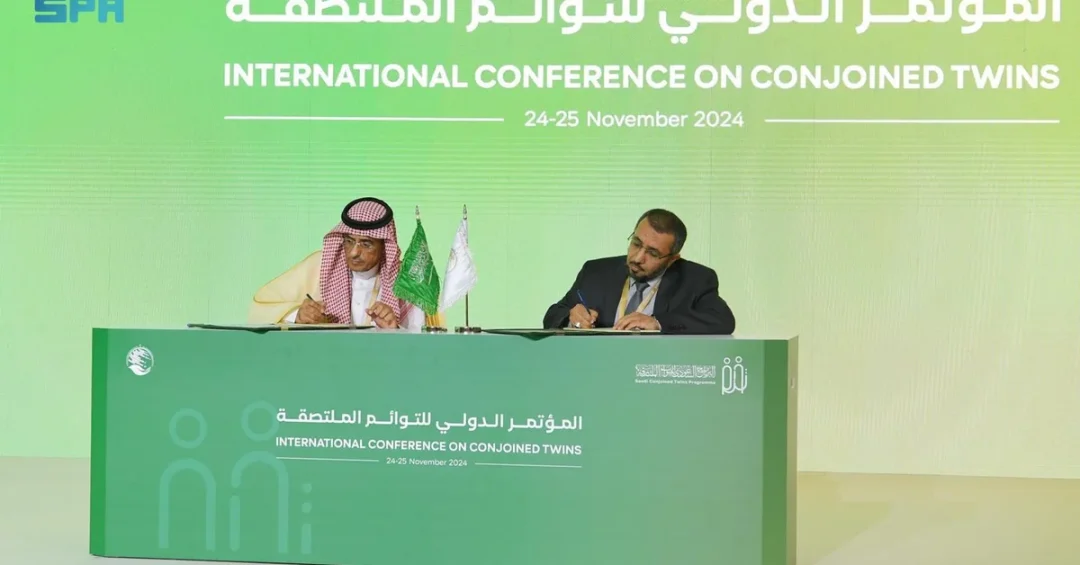
The King Salman Humanitarian Aid and Relief Centre (KSrelief) has signed an agreement to operate a prosthetic and rehabilitation center in Seiyun, Yemen, benefiting an estimated 6,825 individuals. The agreement was formalized with the International Wars and Disasters Victims Protection Association on the sidelines of the International Conference on Conjoined Twins held in Riyadh, underscoring Saudi Arabia’s ongoing commitment to humanitarian support in the region.
Context and Background
Yemen continues to face significant challenges in accessing quality healthcare, particularly for individuals who have suffered injuries from conflict or disease. The establishment of the prosthetic and rehabilitation center in Seiyun addresses a critical need for physical rehabilitation services, prosthetic fittings, and vocational training. This initiative is part of a broader series of humanitarian projects led by KSrelief, which has been active in Yemen since the onset of the crisis, aiming to alleviate suffering and rebuild communities.
Key Details
According to the agreement, KSrelief will provide comprehensive physical rehabilitation and prosthetic fittings for patients, alongside vocational training to help integrate them into society. A key component of the project includes training local medical staff to ensure the retention of specialized professionals in Yemen, thereby building local capacity and reducing dependency on external assistance. The center is expected to serve as a model for sustainable healthcare delivery in underserved areas.
International Impact
The agreement, signed during a prominent international medical conference, highlights Saudi Arabia’s role as a leader in global humanitarian efforts. By partnering with the International Wars and Disasters Victims Protection Association, KSrelief demonstrates its ability to collaborate with international organizations to deliver effective aid. This initiative also reinforces the Kingdom’s commitment to supporting stability and development in Yemen, contributing to regional peace and security.
Vision 2030 Alignment
This project aligns closely with Saudi Arabia’s Vision 2030, which emphasizes humanitarian leadership, sustainable development, and international cooperation. By investing in healthcare infrastructure and local training, KSrelief not only addresses immediate needs but also supports long-term goals of empowering communities and fostering self-reliance. As Saudi Arabia continues to expand its global humanitarian footprint, initiatives like the Seiyun center serve as tangible examples of the Kingdom’s dedication to building a better future for all.
20 Questions
Q1. What is the main purpose of the new center in Seiyun, Yemen?
A1. The center will provide prosthetic fittings, physical rehabilitation services, and vocational training to help Yemeni individuals recover from injuries and integrate into society. It is operated by KSrelief.
Q2. How many people are expected to benefit from this KSrelief project?
A2. The agreement states that the prosthetic and rehabilitation center in Seiyun will directly benefit approximately 6,825 people, including those in need of physical rehabilitation and vocational support.
Q3. Which organization signed the agreement with KSrelief for this project?
A3. The agreement was signed with the International Wars and Disasters Victims Protection Association, an organization that works to assist victims of conflict and natural disasters around the world.
Q4. Where was the agreement signed?
A4. The agreement was signed on the sidelines of the International Conference on Conjoined Twins held in Riyadh, Saudi Arabia, highlighting the Kingdom’s role as a hub for humanitarian and medical diplomacy.
Q5. What types of services will the center provide to patients?
A5. Services will include physical rehabilitation, prosthetic fittings, and vocational training. This comprehensive approach aims to restore mobility and provide skills for employment, improving quality of life.
Q6. How does this project support local medical capacity in Yemen?
A6. A key component is the training of local medical staff, which helps retain specialized professionals in Yemen and reduces reliance on foreign aid, building sustainable healthcare infrastructure.
Q7. Is this the first time KSrelief has worked in Yemen?
A7. No, KSrelief has been actively involved in Yemen for years, providing humanitarian aid such as food, healthcare, and education. This center is part of a long-term strategy to support stability.
Q8. What is the International Conference on Conjoined Twins?
A8. It is a medical conference hosted in Riyadh that brings together global experts to discuss advanced surgical techniques for conjoined twins, reflecting Saudi Arabia’s leadership in specialized healthcare.
Q9. Does this project align with Saudi Arabia’s Vision 2030?
A9. Yes, the project supports Vision 2030 goals of humanitarian leadership, sustainable development, and international cooperation, demonstrating the Kingdom’s commitment to global welfare.
Q10. How will the center help people with disabilities in Yemen?
A10. By providing prosthetic limbs and rehabilitation, the center restores mobility for those with amputations. Vocational training also helps them gain skills for employment, enhancing self-sufficiency.
Q11. What is the role of the International Wars and Disasters Victims Protection Association?
A11. The association partners with KSrelief to implement the project, leveraging its expertise in aiding victims of conflict and disasters to ensure effective delivery of prosthetic and rehab services.
Q12. Why was Seiyun chosen for this center?
A12. Seiyun is a key city in Hadramawt region, serving as a hub for access to healthcare for many Yemenis. Its selection ensures the center reaches a large number of conflict-affected individuals.
Q13. Will the center have any long-term impact on Yemen’s healthcare system?
A13. Yes, by training local professionals and building infrastructure, the center strengthens Yemen’s healthcare system, making it more resilient and capable of providing ongoing care without external help.
Q14. What is the estimated timeline for the center to become operational?
A14. The specific timeline is not detailed in the announcement, but KSrelief typically implements such projects efficiently, with operations expected to begin within months of the agreement signing.
Q15. Is this considered part of Saudi Arabia’s broader foreign policy?
A15. Yes, humanitarian aid through KSrelief is a core element of Saudi foreign policy, reflecting its commitment to neighboring countries and its role as a responsible global leader.
Q16. How does vocational training benefit patients?
A16. Vocational training provides patients with new skills, such as crafts or small business management, enabling them to earn a livelihood and contribute to their communities after recovery.
Q17. Will the center serve children as well as adults?
A17. Yes, the services are designed to benefit people of all ages who require prosthetic fittings or rehabilitation, including children affected by conflict or congenital conditions.
Q18. How does KSrelief ensure the quality of its projects?
A18. KSrelief follows strict international standards for humanitarian aid, monitors projects through local partners, and conducts evaluations to ensure effective and sustainable delivery of services.
Q19. What other KSrelief projects are active in Yemen currently?
A19. KSrelief operates numerous projects in Yemen, including food distribution, healthcare clinics, water sanitation, and education programs, all aimed at relieving human suffering and building resilience.
Q20. How can the international community support similar humanitarian efforts?
A20. The international community can support by donating to recognized humanitarian organizations like KSrelief, advocating for peaceful resolutions, and collaborating on sustainable development projects that address root causes of crises.
Reader Feedback
We value your thoughts. Please share your feedback on this article.
Your feedback helps us improve our coverage.