


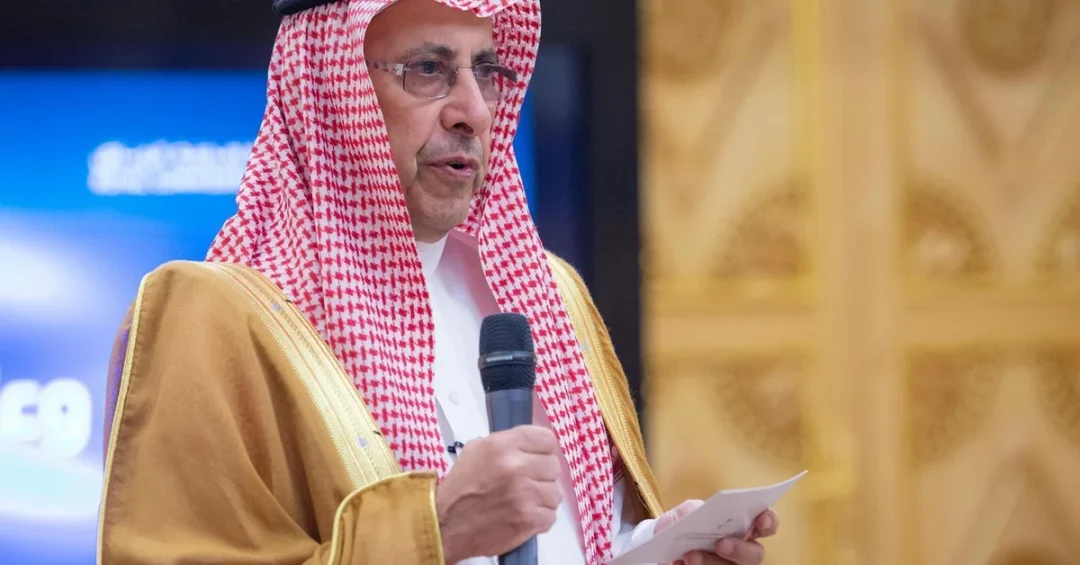
Minister of State and Royal Commission for Riyadh City (RCRC) Chief Executive, Eng. Ibrahim bin Muhammad Al-Sultan, has expressed profound gratitude to the Custodian of the Two Holy Mosques, King Salman bin Abdulaziz Al Saud, and His Royal Highness Prince Mohammed bin Salman bin Abdulaziz, Crown Prince and Prime Minister, for the inauguration of the Riyadh Metro. The transformative project, now operational, marks a milestone in the capital’s development under Saudi Arabia’s Vision 2030.
Context and Background
The Riyadh Metro is the largest public transport project ever built in a single phase, spanning 176 kilometers with 85 stations across six lines. Led by the Royal Commission for Riyadh City, the initiative aims to address the city’s rapid population growth, urban expansion, and increasing reliance on private vehicles. The metro system is designed to redefine Riyadh’s image and revolutionize mobility for both residents and visitors.
Key Details
Eng. Al-Sultan highlighted that the project was carefully planned, analyzing traffic volumes on major roads and intersections, as well as trip origins and destinations. Each metro line’s anticipated passenger capacity was evaluated to meet demand effectively, and travel times were assessed to enhance efficiency. The system, distinguished by high design and technical specifications, harmonizes with Riyadh’s economic, social, environmental, and urban characteristics.
Implications and Impact
The metro will contribute to a transformative shift in Riyadh’s transportation sector by increasing public transport use for daily trips and offering multiple mobility options. It will improve quality of life by encouraging healthy lifestyles through walkable environments and easy access to stations surrounded by commercial, cultural, and tourist attractions. The project also supports environmental sustainability by reducing car emissions, cutting fuel consumption, and utilizing advanced energy-saving technologies in trains, buses, and stations.
Vision 2030 Alignment
Eng. Al-Sultan noted that the project aligns with Saudi Arabia’s Vision 2030 objectives, particularly in enhancing urban living standards and sustainability. He thanked Riyadh residents for their cooperation during construction and extended gratitude to partners from public and private sectors, as well as the consultants, global consortiums, and local and international companies whose efforts ensured the project’s successful completion. This milestone positions Riyadh as a global city of the future.
20 Questions
Q1. Who expressed gratitude for the Riyadh Metro inauguration?
A1. Minister of State and Royal Commission for Riyadh City Chief Executive Eng. Ibrahim bin Muhammad Al-Sultan expressed gratitude to the Kingdom’s leadership for the Riyadh Metro inauguration.
Q2. To whom did Eng. Al-Sultan extend thanks?
A2. He extended thanks to the Custodian of the Two Holy Mosques, King Salman bin Abdulaziz Al Saud, and His Royal Highness Prince Mohammed bin Salman bin Abdulaziz, Crown Prince and Prime Minister.
Q3. What is the total length of the Riyadh Metro network?
A3. The Riyadh Metro network spans a total length of 176 kilometers, making it the largest metro project built in a single phase globally.
Q4. How many stations does the Riyadh Metro have?
A4. The Riyadh Metro features 85 stations distributed across its six-line network, serving residents and visitors throughout the capital.
Q5. What is the primary goal of the Riyadh Metro project?
A5. The project aims to deliver an efficient and sustainable public transport system that meets Riyadh’s current and future mobility demands.
Q6. How does the metro address Riyadh’s urban growth?
A6. It aligns with rapid population growth and urban expansion by providing a reliable alternative to private vehicles and reducing congestion.
Q7. What factors were considered in developing the metro?
A7. Factors included traffic volumes on major roads, trip origins and destinations, passenger capacity for each line, and travel time efficiency.
Q8. How will the metro improve quality of life in Riyadh?
A8. It encourages a healthy lifestyle by creating walkable environments and easy access to stations near commercial, cultural, and tourist attractions.
Q9. What environmental benefits does the metro offer?
A9. The metro reduces pollution from car emissions, cuts fuel consumption, and uses advanced technologies to lower energy consumption.
Q10. Which entity led the Riyadh Metro project?
A10. The Royal Commission for Riyadh City (RCRC) led the project, with oversight from its Chairman, His Royal Highness Prince Mohammed bin Salman.
Q11. How does the metro support Vision 2030?
A11. It aligns with Vision 2030 by promoting environmental sustainability, improving urban living standards, and enhancing Riyadh’s global competitiveness.
Q12. When did the Riyadh Metro operations begin?
A12. The Riyadh Metro began operations gradually following its inauguration in late November 2024, as announced by official Saudi sources.
Q13. What is the design focus of the metro stations?
A13. The stations feature high design and technical specifications that harmonize with Riyadh’s economic, social, environmental, and urban characteristics.
Q14. How will the metro reduce congestion?
A14. By offering an efficient public transport alternative, the metro reduces traffic on major roads, lowers fuel consumption, and decreases pollution.
Q15. Who are the project’s partners?
A15. Partners include public and private-sector entities in Riyadh, global consortiums, and local and international companies involved in implementation.
Q16. What thanks did Eng. Al-Sultan give to Riyadh residents?
A16. He thanked residents for their understanding and cooperation during construction, which impacted traffic flow at project sites.
Q17. How will the metro transform Riyadh’s image?
A17. It redefines the capital’s image by providing a modern, sustainable transportation system that supports urban development and global status.
Q18. What is the passenger capacity focus of the metro?
A18. Each metro line’s anticipated passenger capacity was carefully evaluated to ensure it meets demand effectively and efficiently.
Q19. How does the metro promote economic growth?
A19. It enhances connectivity, supports commercial areas, and attracts investment by improving mobility and accessibility across Riyadh.
Q20. What is the long-term impact of the metro on mobility?
A20. The metro increases public transport use for daily trips, offering diverse mobility options and reducing reliance on private cars in Riyadh.
Reader Feedback
We value your thoughts. Please share your feedback on this article.
Your feedback helps us improve our coverage.