


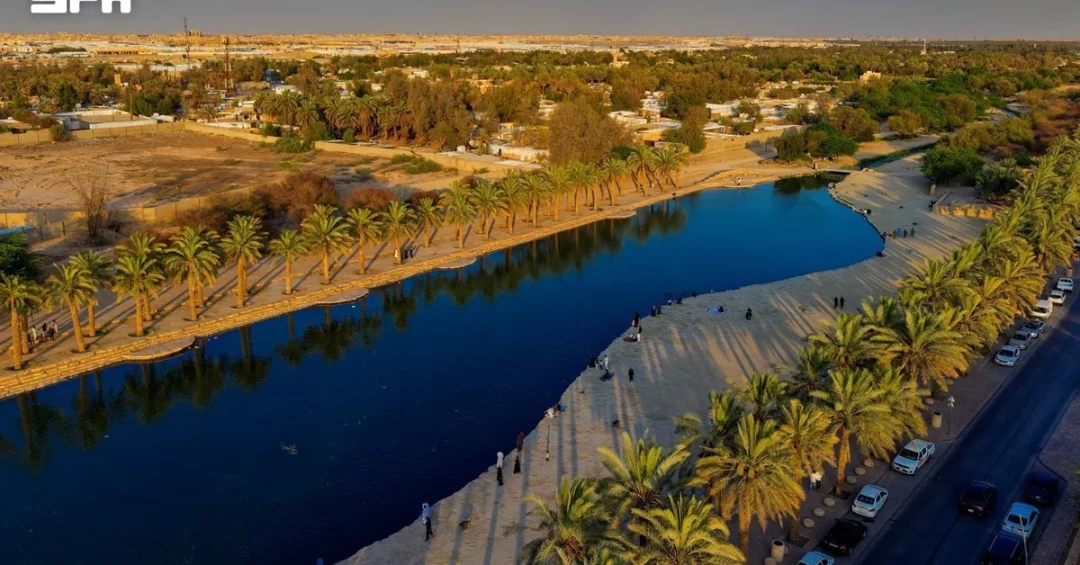
Riyad, 13 août 2026, SPA — Wadi Hanifah, the natural valley winding through the heart of Saudi Arabia’s capital, has emerged as a premier summer destination offering a serene escape from the urban bustle. As part of the national tourism initiative “Our Summer, Our Way” (Saudi Seasons), the wadi showcases the Kingdom’s commitment to developing diverse leisure and cultural experiences aligned with Vision 2030.
Context and Background
Wadi Hanifah stretches across vast areas of Riyadh, serving as a vital green artery that intertwines with the city’s history and urban development. Extensive rehabilitation efforts by Saudi authorities have preserved its environmental integrity while enhancing visitor amenities, including parks, walking trails, rest areas, and scenic viewpoints. The wadi has become a cherished destination for families, walkers, and outdoor enthusiasts, reflecting the Kingdom’s push to expand quality-of-life offerings.
Key Details
The Wadi Hanifah Dam and its surroundings rank among the most frequented spots, drawing visitors who seek a blend of calm, nature, and panoramic urban vistas. During the summer, the wadi experiences a notable influx of visitors, driven by a growing preference for natural and open-air destinations within Riyadh. The “Our Summer, Our Way” program curates a rich mix of events, activities, and natural, heritage, and recreational sites across the Kingdom, boosting domestic tourism and highlighting regional strengths.
Implications and Impact
The popularity of Wadi Hanifah underscores a broader shift toward sustainable tourism and environmental stewardship in Saudi Arabia. By investing in natural landmarks, the Kingdom diversifies its tourism portfolio, reduces reliance on oil revenues, and enhances its global image as a hub for eco-friendly travel. The wadi’s success also supports local businesses and creates jobs, aligning with the economic goals of Vision 2030.
Vision 2030 Alignment
Wadi Hanifah exemplifies Vision 2030’s commitment to improving quality of life, promoting environmental sustainability, and showcasing Saudi Arabia’s natural and cultural treasures. As the Kingdom continues to develop such destinations, it reinforces its role as a global tourism leader, inviting international visitors to experience the authentic and modern facets of Saudi Arabia. The ongoing enhancements at Wadi Hanifah signal a promising future where nature and progress coexist harmoniously.
20 Questions
Q1. What is Wadi Hanifah?
A1. Wadi Hanifah is a natural valley in Riyadh, Saudi Arabia, known for its green spaces, walking trails, and scenic views. It serves as a popular recreational destination that blends nature with urban life, reflecting the Kingdom’s commitment to environmental preservation and quality-of-life improvements under Vision 2030.
Q2. Where is Wadi Hanifah located?
A2. Wadi Hanifah runs through vast parts of Riyadh, the capital city of Saudi Arabia. It is one of the city’s most significant natural landmarks, historically and environmentally, and is easily accessible to both residents and tourists seeking outdoor leisure activities.
Q3. Why is Wadi Hanifah significant to Riyadh?
A3. Wadi Hanifah is significant as it preserves ecological balance in the urban area, provides a natural escape for residents, and stands as a testament to the city’s historical development. Its rehabilitation highlights Saudi Arabia’s dedication to sustainable urban planning and enhancing citizens’ quality of life.
Q4. What activities can visitors enjoy at Wadi Hanifah?
A4. Visitors can enjoy walking along designated trails, picnicking in green parks, relaxing in rest areas, and taking in panoramic viewpoints of the wadi. The site is ideal for families, nature enthusiasts, and those seeking peaceful outdoor recreation within the city.
Q5. How does Wadi Hanifah contribute to tourism in Saudi Arabia?
A5. As part of the “Our Summer, Our Way” program, Wadi Hanifah attracts both domestic and international tourists, showcasing the Kingdom’s natural beauty and leisure options. This boosts the tourism sector, a key pillar of Vision 2030’s economic diversification strategy.
Q6. What is the “Our Summer, Our Way” program?
A6. “Our Summer, Our Way” is a national initiative, also known as Saudi Seasons, that promotes domestic tourism by organizing events and highlighting destinations across the Kingdom. It aims to increase local tourism spending and introduce Saudis and expatriates to diverse recreational and cultural experiences.
Q7. How has Wadi Hanifah been developed for visitors?
A7. The wadi has undergone extensive rehabilitation projects that preserved its environmental features while adding amenities like parks, walking paths, and seating areas. These developments make it more accessible and enjoyable for visitors, aligning with Vision 2030’s goal to improve urban living conditions.
Q8. What historical importance does Wadi Hanifah hold?
A8. Wadi Hanifah has been central to Riyadh’s history, influencing the city’s urban growth and serving as a natural resource for centuries. Its rehabilitation is a nod to the past while securing its role in the city’s future development.
Q9. Are there any landmarks near Wadi Hanifah?
A9. The Wadi Hanifah Dam is a prominent landmark near the wadi, along with several parks and natural sites spread along its course. These landmarks contribute to the area’s appeal as a multimodal destination for leisure and recreation.
Q10. Why is Wadi Hanifah popular during summer?
A10. In summer, Wadi Hanifah offers a cooler microclimate due to its greenery and water features, providing relief from the high temperatures of Riyadh. Its popularity also stems from the growing interest in outdoor, natural destinations among residents and tourists seeking healthy leisure activities.
Q11. How does Wadi Hanifah benefit the environment?
A11. The wadi supports biodiversity, improves air quality, and helps manage floodwaters in the region. Its preservation reflects Saudi Arabia’s commitment to environmental sustainability, a core component of Vision 2030’s goal to create a greener future.
Q12. What infrastructure has been added to Wadi Hanifah?
A12. Infrastructure upgrades include designated walking paths, shaded rest areas, parking facilities, and informational signage. These additions enhance the visitor experience while maintaining the wadi’s natural look and feel.
Q13. Can families visit Wadi Hanifah?
A13. Absolutely. Wadi Hanifah is a family-friendly destination with spacious parks, play areas, and safe walkways. It provides a wholesome environment for family outings and is a favored weekend retreat for many residents of Riyadh.
Q14. Is Wadi Hanifah suitable for sports and fitness activities?
A14. Yes, the wadi’s extensive trail network is ideal for walking, jogging, and cycling. The peaceful setting and fresh air make it a popular spot for fitness enthusiasts aiming to exercise in a natural environment.
Q15. How does Wadi Hanifah support Vision 2030?
A15. Wadi Hanifah supports Vision 2030 by enhancing the quality of life in Saudi cities, promoting eco-tourism, and preserving natural heritage. It aligns with the Vision’s focus on developing sustainable leisure options and increasing domestic and international tourism.
Q16. What types of wildlife can be found at Wadi Hanifah?
A16. The wadi is home to various bird species, small mammals, and native plants. This biodiversity is preserved through careful management, offering visitors a chance to connect with nature in the heart of the capital.
Q17. Are there any restaurants or cafes at Wadi Hanifah?
A17. While Wadi Hanifah primarily offers natural settings, nearby urban areas provide a range of dining and refreshment options. Local vendors occasionally operate during events, enhancing the recreational experience without disturbing the environment.
Q18. How can tourists access Wadi Hanifah?
A18. Tourists can access Wadi Hanifah easily by car via major roads in Riyadh, with ample parking available. Public transportation, including the Riyadh Metro (once operational), will further ease access, reflecting the Kingdom’s investment in connectivity.
Q19. Has Wadi Hanifah received any awards or recognition?
A19. Wadi Hanifah gained international recognition in 2010 when it won the Aga Khan Award for Architecture for its restoration and development project. This award highlights the success of the rehabilitation efforts and the wadi’s significance as a model of urban sustainability.
Q20. What is the future outlook for Wadi Hanifah?
A20. The future looks promising, with continued investments in green spaces and eco-tourism as part of Vision 2030. Wadi Hanifah is set to become an even more integral part of Riyadh’s identity, offering a harmonious blend of nature, history, and modernity for generations to come.
Reader Feedback
We value your thoughts. Please share your feedback on this article.
Your feedback helps us improve our coverage.