


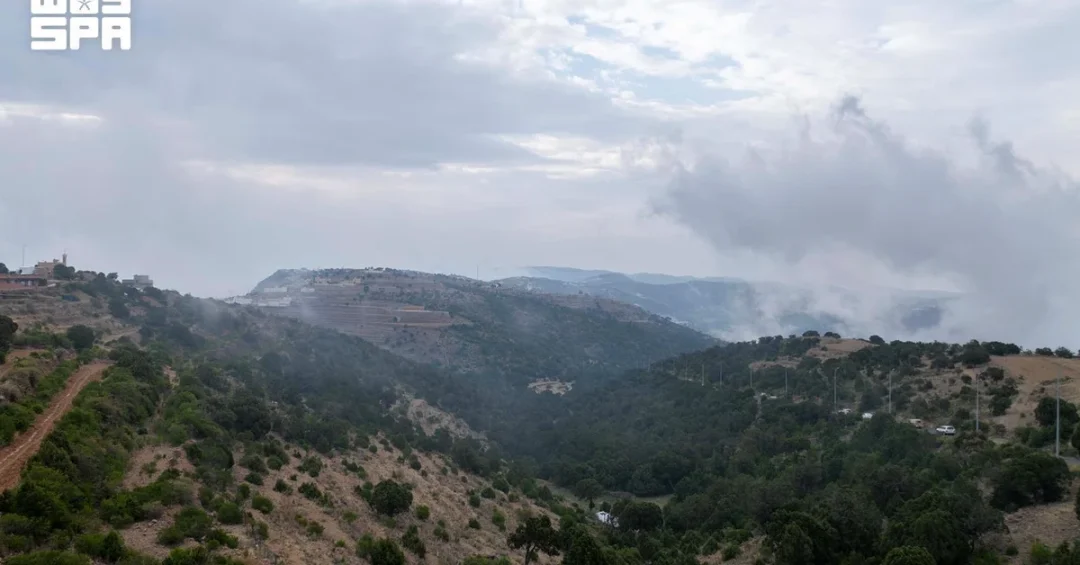
In the highlands of Saudi Arabia’s Aseer region, thick seasonal clouds embrace the mountain peaks, creating a breathtaking natural spectacle that has made the area a premier summer destination. The Saudi Press Agency (SPA) captured aerial footage on August 13, 2026, revealing a striking harmony between pristine white clouds and the rugged terrain, with historic villages and terraced farms emerging from the fog like islands in a vast white sea.
Context and Background
Aseer, located in the southwestern part of the Kingdom, is renowned for its moderate summer climate and dramatic landscapes. The annual phenomenon of low-lying clouds, locally known as the “sea of clouds,” occurs when moist air from the Red Sea meets the cool mountain air, enveloping the peaks in a dense, shifting fog. This natural display, captured by SPA drones, highlights the unique interplay between weather and geography that has shaped the region’s heritage for centuries.
Key Details
The SPA footage showcases the region’s historic agricultural terraces and traditional villages, which appear and disappear as the clouds drift along slopes and winding roads. For travelers, the experience is transformative, offering panoramic views of deep valleys and lush forests one moment, and mystical scenes hidden behind a veil of clouds the next. The Aseer Development Authority has invested in scenic viewpoints and tourism infrastructure to enhance visitor access, further solidifying the region’s reputation as a top summer getaway in 2026.
Implications and Impact
The “sea of clouds” phenomenon is not only a visual marvel but also an economic driver for the region. The influx of domestic and international tourists supports local businesses, including hospitality, dining, and guided tours. This aligns with Saudi Arabia’s broader strategy to diversify its economy beyond oil, with tourism playing a crucial role. The SPA’s coverage of the event on its official channels underscores the Kingdom’s commitment to promoting its natural and cultural assets to a global audience.
Vision 2030 Alignment
The development of Aseer as a premium tourist destination is a direct outcome of Saudi Vision 2030’s goal to boost the tourism sector and enhance the quality of life for citizens and residents. By investing in infrastructure, preserving heritage, and promoting sustainable tourism, the Kingdom is creating new opportunities for economic growth and cultural exchange. The sea of clouds, with its ethereal beauty, serves as a powerful symbol of Saudi Arabia’s natural wonders and its forward-looking vision for a thriving, diversified future.
20 Questions
Q1. What is the “sea of clouds” phenomenon in Aseer?
A1. The “sea of clouds” is a natural occurrence where thick clouds envelop the peaks of the Aseer Mountains, creating the illusion of a white ocean. It happens when moist air from the Red Sea condenses over the cooler highlands, a regular summer feature of the region.
Q2. Where is Aseer located?
A2. Aseer is a mountainous region in southwestern Saudi Arabia, bordered by the Red Sea to the west and Yemen to the south. Its highlands rise to over 3,000 meters, offering a cooler climate compared to the rest of the Kingdom.
Q3. How did the Saudi Press Agency capture the footage?
A3. The Saudi Press Agency used aerial drones to film the breathtaking views. The footage, released on August 13, 2026, shows clouds wrapping around peaks, terraces, and villages, highlighting the region’s beauty from a unique perspective.
Q4. Why is Aseer a popular summer destination?
A4. Aseer attracts visitors in summer due to its moderate temperatures, often 20-25°C lower than other Saudi cities. The cloudy, misty weather provides a refreshing escape, along with striking natural scenery and cultural heritage.
Q5. What are the agricultural terraces often seen in the footage?
A5. Agricultural terraces are step-like fields carved into mountain slopes, used for centuries to grow crops like coffee and fruits. They appear in the clouds, showcasing the ingenuity of local farmers in maximizing arable land.
Q6. How does the cloud phenomenon affect tourism?
A6. It significantly boosts tourism by drawing nature lovers, photographers, and adventure seekers. The unique visuals and cool climate increase hotel bookings, local spending, and international interest, aligning with Saudi Arabia’s tourism goals.
Q7. What does the SPA’s role in this coverage signify?
A7. The Saudi Press Agency’s comprehensive coverage promotes the Kingdom’s natural wonders to a global audience. It reflects a strategic effort to highlight tourism potential, enhancing Saudi Arabia’s image as a diverse travel destination.
Q8. Which government entities support Aseer’s tourism?
A8. The Aseer Development Authority, under the Ministry of Municipal and Rural Affairs and Housing, leads tourism development. It collaborates with the Ministry of Tourism to implement Vision 2030 strategies for regional growth.
Q9. Are there specific viewpoints for viewing the clouds?
A9. Yes, several scenic viewpoints exist along highland roads, such as Jabal Sawda and Al Soudah Park. These locations offer panoramic vantage points where visitors can watch clouds rise from valleys and engulf mountaintops.
Q10. What is the best time to experience the sea of clouds?
A10. The phenomenon is most common during the summer months, from June to August, when humidity and temperature contrasts peak. Early mornings and late afternoons offer the most dramatic cloud formations.
Q11. How do the clouds contribute to local biodiversity?
A11. The persistent moisture supports lush vegetation, including juniper forests and diverse wildlife. The clouds provide essential hydration, helping maintain the region’s ecological balance and making it a biodiversity hotspot in Arabia.
Q12. What challenges do clouds pose to residents and travelers?
A12. Dense fog can reduce visibility, especially on mountain roads, requiring careful driving. However, local authorities manage safety with road signs and traffic guidance, ensuring tourists can enjoy the weather safely.
Q13. How does Aseer’s tourism align with Vision 2030?
A13. Vision 2030 aims to diversify the economy and increase tourism’s GDP contribution. Aseer’s development as a year-round destination, especially summer, creates jobs, supports heritage preservation, and showcases the Kingdom’s positive image.
Q14. What types of accommodations are available for visitors?
A14. Aseer offers a range of lodging, from luxury resorts in Al Soudah to traditional guesthouses in villages. These options cater to different budgets, enhancing the overall visitor experience.
Q15. Are there festivals celebrating the cloud season?
A15. Yes, the Aseer Season, a summer festival, features cultural events, art shows, and nature activities. It capitalizes on the cloud phenomenon to attract tourists, blending entertainment with local heritage.
Q16. How does the local population benefit from increased tourism?
A16. Tourism creates direct jobs in hospitality, guiding, and craft sales. It also stimulates local agriculture and food services, raising incomes and improving living standards in highland communities.
Q17. What role do traditional villages play in the cloud landscape?
A17. These villages, with their stone architecture and historic mosques, add a cultural layer to the natural beauty. They appear like floating islands, offering visitors a glimpse into traditional Saudi mountain life.
Q18. Is the sea of clouds featured in official Saudi media?
A18. Yes, the Saudi Press Agency frequently releases images and videos of the phenomenon. This coverage reaches national and international outlets, promoting tourism and cultural pride.
Q19. How can international tourists reach Aseer?
A19. Visitors can fly into Abha International Airport, which connects to major Gulf cities. Alternatively, road travel from Jeddah or Riyadh offers scenic drives, though longer.
Q20. What future developments are planned for Aseer?
A20. Under Vision 2030, Aseer will see new resorts, an expanded airport, and enhanced infrastructure. The Al Soudah project, including a luxury mountain resort, will further elevate the region’s tourism appeal.
Reader Feedback
We value your thoughts. Please share your feedback on this article.
Your feedback helps us improve our coverage.