


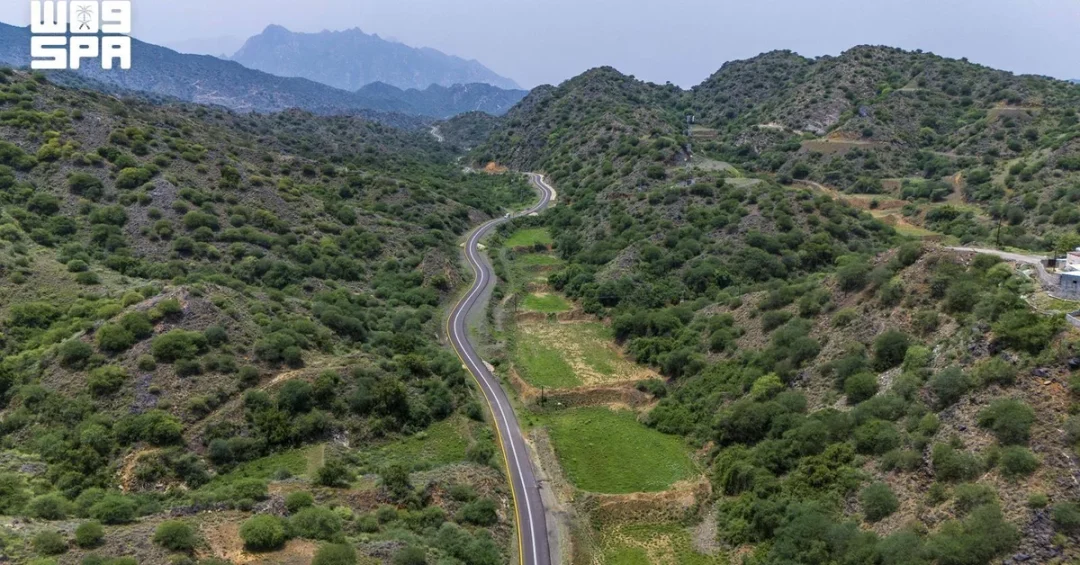
Al-Hayjah Road, a 20-kilometer scenic mountain route in the Jazan Region, is attracting tourists to the highlands of Fayfa. The road, which connects the governorates of Al-Ardah and Fayfa, offers travelers a smooth transition from rural foothills, farms, and villages to the lush Fayfa highlands, according to the Saudi Press Agency (SPA).
Context and Background
Jazan Region, located in the southwest of Saudi Arabia, is known for its diverse landscapes, from coastal plains to towering mountains. The Al-Hayjah Road is a key tourist route that showcases this diversity, winding through mountains, valleys, and agricultural terraces lined with dense vegetation. For visitors, the drive itself becomes an integral part of the experience, offering breathtaking views and a taste of the region’s natural beauty.
The road has significant touristic and scenic value, linking Al-Ardah’s rural valleys with Fayfa’s renowned terraced peaks. These peaks are famous for their traditional agricultural terraces, which have been cultivated for centuries. The route is particularly popular during August, when seasonal rains revitalize the landscape, turning slopes green and cloaking the peaks in clouds. This natural phenomenon attracts hikers, nature enthusiasts, and photographers drawn to the highlands’ mild summer climate.
Key Details
According to SPA, the road is about 20 kilometers long and traverses diverse terrain, including mountains, valleys, and agricultural terraces. The region’s highlands are known for their dense vegetation and unique ecosystem, which thrives during the rainy season. The route is also significant for connecting rural communities and facilitating access to the highlands for both residents and tourists.
The Jazan Region is part of Saudi Arabia’s broader efforts to promote domestic tourism as outlined in Vision 2030. The kingdom has been investing in tourism infrastructure and marketing its natural attractions to both domestic and international visitors. The Al-Hayjah Road is a prime example of how the country is leveraging its natural assets to boost tourism and diversify its economy.
Implications and Impact
The promotion of scenic routes like Al-Hayjah Road is expected to contribute to the growth of Saudi Arabia’s tourism sector, which is a key pillar of Vision 2030. By attracting tourists to the highlands, the route supports local communities and creates economic opportunities in the region. The influx of visitors is also likely to increase awareness of the kingdom’s natural beauty and cultural heritage, enhancing its international image as a tourist destination.
Moreover, the road’s popularity during the August rains highlights the potential for seasonal tourism in the region. This can help distribute tourist flows throughout the year and reduce pressure on other popular destinations. The development of such routes is part of Saudi Arabia’s strategy to promote sustainable tourism that benefits local communities and preserves the environment.
Vision 2030 Alignment
The Al-Hayjah Road and its role in attracting tourists to the Jazan highlands exemplify Saudi Arabia’s commitment to Vision 2030. The vision aims to diversify the economy beyond oil, and tourism is a key growth area. By investing in infrastructure and promoting its natural and cultural assets, the kingdom is positioning itself as a leading global tourist destination. The road not only meets the goals of economic diversification but also enhances the quality of life for citizens and residents by providing access to recreational opportunities. As Saudi Arabia continues to develop its tourism sector, routes like Al-Hayjah Road will play a vital role in showcasing the kingdom’s beauty and hospitality to the world.
20 Questions
Q1. What is Al-Hayjah Road?
A1. Al-Hayjah Road is a 20-kilometer scenic tourist route in the Jazan Region of Saudi Arabia, connecting the governorates of Al-Ardah and Fayfa. It is notable for its diverse terrain, including mountains, valleys, and agricultural terraces.
Q2. Where is Al-Hayjah Road located?
A2. Al-Hayjah Road is located in the Jazan Region, in the southwestern part of Saudi Arabia. It links the governorates of Al-Ardah and Fayfa, providing access to the highlands.
Q3. What is the length of Al-Hayjah Road?
A3. Al-Hayjah Road is approximately 20 kilometers long, offering a scenic drive through varied landscapes that enhance the tourist experience.
Q4. What are the main attractions along Al-Hayjah Road?
A4. The road passes through mountains, valleys, and agricultural terraces with dense vegetation. The Fayfa highlands are renowned for their terraced peaks, especially during August when rains create lush green slopes and cloud-covered peaks.
Q5. Why is the Al-Hayjah Road popular among tourists?
A5. The road is popular for its scenic beauty and the unique experience it offers. It connects rural valleys to the highlands, and during the rainy season, the landscape becomes particularly picturesque, attracting hikers, nature lovers, and photographers.
Q6. What is the significance of the Fayfa highlands?
A6. The Fayfa highlands are known for their traditional agricultural terraces, which have been cultivated for centuries. They are a key tourist destination in Jazan, offering stunning views and a mild summer climate.
Q7. When is the best time to visit Al-Hayjah Road?
A7. August is an ideal time to visit, as seasonal rains transform the landscape, making it green and lush. The mild summer climate in the highlands is also a draw for tourists seeking respite from the heat.
Q8. What types of tourists are attracted to Al-Hayjah Road?
A8. Hikers, nature enthusiasts, and photographers are particularly attracted to Al-Hayjah Road and the Fayfa highlands. The area offers opportunities for outdoor activities and capturing scenic views.
Q9. How does Al-Hayjah Road contribute to Saudi tourism?
A9. The road is part of Saudi Arabia’s efforts to promote domestic tourism and diversify the economy. It showcases the kingdom’s natural beauty and helps boost the tourism sector, aligning with Vision 2030 goals.
Q10. What role does the Saudi Press Agency (SPA) play in this context?
A10. The Saudi Press Agency reported on Al-Hayjah Road, highlighting its significance as a scenic tourist route. SPA is the official news agency of Saudi Arabia, and its reports help spread awareness of such attractions.
Q11. How does the road link Al-Ardah and Fayfa?
A11. Al-Hayjah Road connects the governorate of Al-Ardah, characterized by rural foothills and farms, to the highlands of Fayfa, known for its terraced peaks. The road facilitates smooth travel between these areas.
Q12. What are the terraces along the road?
A12. The terraces are agricultural platforms carved into the mountainsides, used for farming. They are a distinctive feature of the Fayfa highlands and add to the scenic value of the road.
Q13. Why is the road considered part of the tourist experience?
A13. The drive itself is an integral part of the tourist experience because it offers continuous scenic views of mountains, valleys, and terraces, making the journey as enjoyable as the destination.
Q14. How does the August rain affect the landscape?
A14. The August rains revitalize the landscape, turning the slopes green and cloaking the peaks in clouds. This creates a visually stunning environment that attracts visitors seeking natural beauty.
Q15. What is Vision 2030?
A15. Vision 2030 is Saudi Arabia’s strategic framework to reduce its dependence on oil, diversify its economy, and develop public service sectors, including tourism. It aims to make the kingdom a global investment powerhouse and a top tourist destination.
Q16. How does Al-Hayjah Road support Vision 2030?
A16. The road supports Vision 2030 by promoting domestic tourism, attracting international visitors, and showcasing Saudi Arabia’s natural assets. This aligns with the vision’s goals of economic diversification and enhancing the country’s global image.
Q17. Are there any development plans for the area?
A17. While specific plans are not detailed in the original report, Saudi Arabia has been investing in tourism infrastructure across the kingdom. The promotion of routes like Al-Hayjah Road suggests ongoing efforts to develop such attractions.
Q18. What is the cultural significance of the highlands?
A18. The highlands, particularly Fayfa, are known for their traditional agricultural practices and terraced farming, which are part of the region’s cultural heritage. This adds to the tourist appeal, as visitors can experience local culture.
Q19. How can tourists access Al-Hayjah Road?
A19. The road is accessible by car, and the journey from Al-Ardah to Fayfa takes about 20-30 minutes. It is well-connected to the regional road network, making it easy for tourists to include in their itinerary.
Q20. What is the overall impact of such scenic routes on local communities?
A20. Scenic routes like Al-Hayjah Road bring economic benefits to local communities by attracting tourists, creating jobs in hospitality and services, and promoting local products. This supports sustainable development and improves the quality of life for residents.
Reader Feedback
We value your thoughts. Please share your feedback on this article.
Your feedback helps us improve our coverage.