


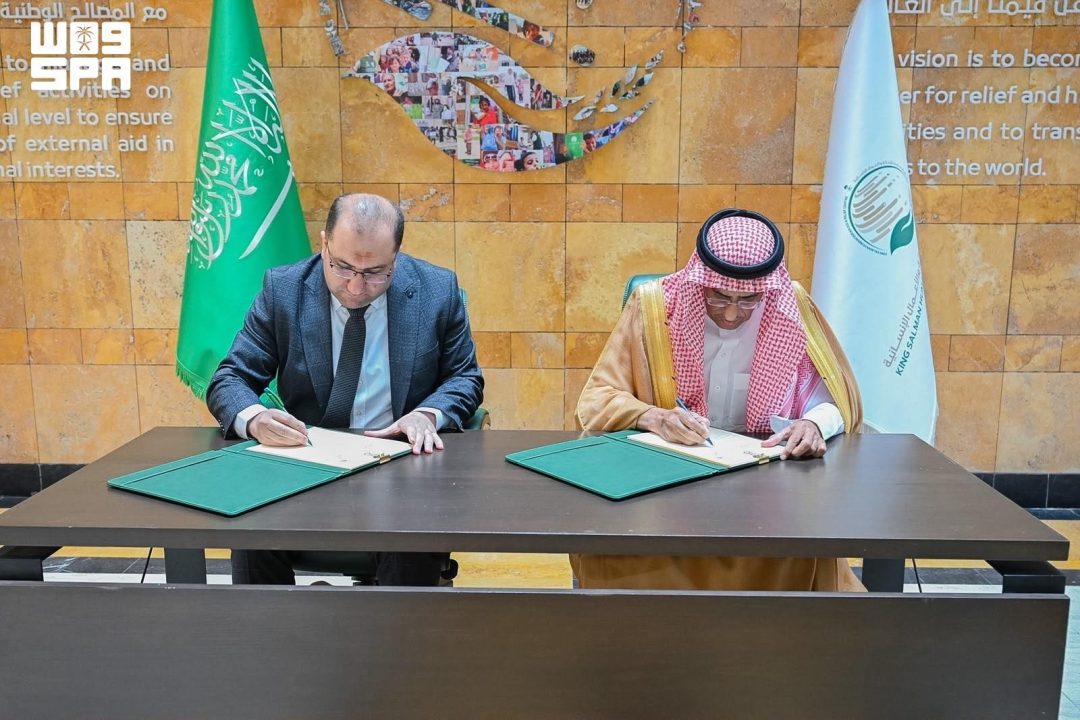
Riyadh is the site of a cooperation agreement signed between the King Salman Humanitarian Aid and Relief Center (KSrelief) and the International Wars and Disasters Victims Protection Association (IRVD) to improve healthcare for kidney failure patients in Syria.
According to SPA, the agreement will benefit 70,000 individuals. It focuses on maintaining dialysis services at targeted Syrian healthcare facilities through the provision of 48 specialized water purification units to meet medical standards.
The partnership includes supplying 500 devices to ensure stable power supply for medical facilities, along with the necessary medical consumables and solutions. These efforts are part of the Kingdom of Saudi Arabia’s humanitarian and relief work delivered via KSrelief to improve healthcare efficiency and alleviate the humanitarian burden in Syria.
Frequently Asked Questions
Who are the parties involved in the healthcare agreement for Syria? The agreement was signed in Riyadh between the King Salman Humanitarian Aid and Relief Center (KSrelief) and the International Wars and Disasters Victims Protection Association (IRVD). This cooperation is part of the humanitarian and relief efforts of the Kingdom of Saudi Arabia to improve the efficiency of healthcare services and alleviate the humanitarian burden for patients in Syria.
How many people will benefit from this KSrelief initiative? The cooperation agreement aims to enhance the quality of healthcare provided to kidney failure patients in Syria, with 70,000 individuals expected to benefit. The initiative focuses on supporting the continuity of dialysis services at targeted healthcare facilities within the country.
What specific equipment and supplies are provided under the agreement? The agreement provides 48 specialized water purification units to ensure water quality meets approved medical standards and 500 devices to ensure a stable power supply for medical facilities. Additionally, the partnership covers the provision of necessary medical solutions and consumables for the targeted facilities.