


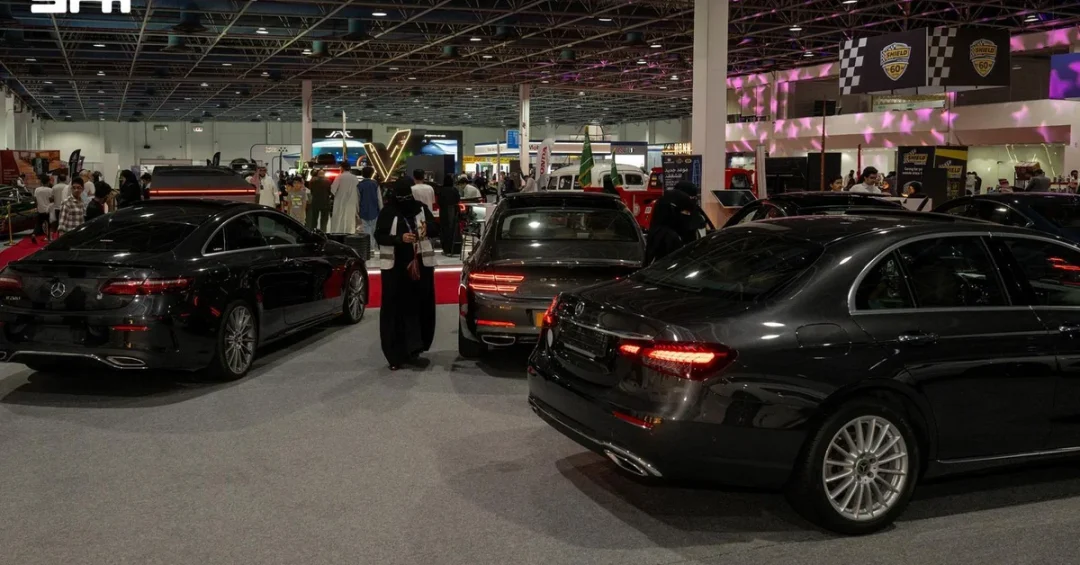
The Jeddah International Motor Show has emerged as a defining platform for Saudi Arabia’s leadership in smart mobility engineering, showcasing four distinct powertrain technologies that together form an integrated transport system aligned with the Kingdom’s digital and environmental transformation. Held in Jeddah and reported by the Saudi Press Agency (SPA), the event highlights how traditional internal combustion engines, hybrid vehicles, extended-range electric vehicles (EREVs), and battery electric vehicles (BEVs) are being adapted to meet the growing logistical and personal transportation needs of the Saudi market. The exhibition underscores the Kingdom’s commitment to building a sustainable, technologically advanced mobility ecosystem that supports both economic diversification and environmental stewardship.
As Saudi Arabia accelerates toward Vision 2030, the motor show serves as a vital barometer of industry trends and consumer preferences. It brings together global manufacturers, local dealers, suppliers, and automotive specialists to exchange expertise and forge partnerships. The presence of these four powertrain technologies reflects a pragmatic approach to the energy transition, recognizing that different segments of the market require tailored solutions. From long-distance haulage to urban commuting, each technology plays a role in reducing carbon emissions while maintaining the reliability and performance expected in the Kingdom’s diverse geographical landscape. The event also signals Saudi Arabia’s intent to lead the region in adopting smart mobility solutions that are both economically viable and environmentally responsible.
Context and Background
How did Saudi Arabia become a focal point for global automotive innovation? The Kingdom’s strategic location, robust infrastructure investment, and ambitious Vision 2030 goals have created a fertile environment for the automotive sector to thrive. The Jeddah International Motor Show, now a fixture on the regional calendar, builds on decades of economic growth and a youthful, tech-savvy population eager to embrace modern mobility. According to the Saudi Press Agency, the show highlights Saudi Arabia’s leadership in adopting smart mobility engineering, a direct outcome of policies that encourage foreign investment, technology transfer, and local manufacturing.
The background to this year’s exhibition is one of rapid transformation. Saudi Arabia has been actively diversifying its energy mix and reducing its carbon footprint, with the transport sector identified as a key area for improvement. The government has introduced initiatives to promote electric vehicles, including the installation of charging stations and incentives for manufacturers. Simultaneously, traditional internal combustion engine vehicles continue to evolve, with advances in mechanical engineering significantly improving fuel efficiency to record levels and reducing emissions. This dual approach ensures that no segment of the market is left behind, allowing individuals and businesses to make purchasing decisions based on their budgets and daily transportation needs.
The show also reflects broader regional dynamics. As the largest economy in the Middle East, Saudi Arabia’s adoption of new powertrain technologies sends ripples across the Gulf and beyond. Manufacturers view the Kingdom as a testbed for innovations that can later be deployed in other markets with similar climates and driving conditions. The event provides opportunities to exchange expertise, build business partnerships, and explore the latest trends in automotive and smart mobility, reinforcing Saudi Arabia’s role as a hub for industry dialogue and collaboration.
Key Details: The Four Powertrain Technologies
What exactly are the four powertrain technologies on display, and how do they differ? The first category, traditional internal combustion engine vehicles, remains the backbone of long-distance travel and heavy-duty transport. These vehicles have seen significant advancements in mechanical engineering, achieving record fuel efficiency and lower carbon emissions. They cater to the demanding operating conditions of conventional transport sectors, such as logistics and construction, where reliability and range are paramount. The latest models incorporate turbocharging, direct injection, and lightweight materials to maximize performance while minimizing environmental impact.
Hybrid vehicles represent the second technology, offering a balanced combination of fuel-powered engines and smart electric motors. Their self-charging systems reduce fuel consumption without the need to connect to external charging stations, making them ideal for drivers who want to lower their carbon footprint without sacrificing convenience. Hybrids are particularly suited to stop-and-go urban traffic, where regenerative braking captures energy that would otherwise be lost. In Saudi Arabia, where cities are expanding and traffic congestion is a consideration, hybrids provide a practical stepping stone toward full electrification.
Extended-range electric vehicles (EREVs) have attracted considerable investment interest. These vehicles feature a small internal combustion engine that operates exclusively as an onboard generator to recharge the battery while the vehicle is moving. This addresses concerns about driving range and enables longer journeys, making EREVs suitable for highway travel between cities across Saudi Arabia. For example, a driver traveling from Riyadh to Jeddah can rely on the electric motor for daily commutes and the generator for extended trips, eliminating range anxiety. This flexibility is crucial in a country where distances between urban centers are vast.
Battery electric vehicles (BEVs) mark another milestone in the energy transition. Powered entirely by advanced battery packs and electric motors that produce no tailpipe emissions, they are supported by software interfaces and ultra-fast charging systems that help prepare smart infrastructure for the sustainable cities of the future. BEVs are increasingly popular among environmentally conscious consumers and fleet operators. In Saudi Arabia, the development of a nationwide charging network is underway, with partnerships between the government and private sector. The show displays the latest BEV models, highlighting improvements in range, charging speed, and connectivity features.
International and Regional Impact
How does Saudi Arabia’s embrace of these technologies influence the wider region and global markets? The Kingdom’s proactive stance sends a strong signal to international manufacturers that the Middle East is a viable market for electric and hybrid vehicles. Global automakers are increasingly prioritizing Saudi Arabia for launches and investments, recognizing the potential for growth. The Jeddah International Motor Show serves as a meeting point for these stakeholders, facilitating deals and knowledge exchange. It also positions Saudi Arabia as a bridge between East and West, leveraging its strategic location to become a distribution hub for automotive technologies.
Regionally, Saudi Arabia’s efforts complement similar initiatives in neighboring Gulf countries. However, the Kingdom’s scale and economic weight give it outsized influence. By demonstrating that a diverse powertrain strategy can work in a harsh climate and vast geography, Saudi Arabia provides a model for other nations facing similar challenges. The show also attracts visitors and exhibitors from across the Middle East, Africa, and Asia, fostering South-South cooperation and technology transfer. This international dimension reinforces Saudi Arabia’s soft power and its reputation as a forward-looking, innovative nation.
Furthermore, the event highlights the role of Saudi Arabia in global sustainability dialogues. As the world seeks to reduce carbon emissions, the Kingdom’s balanced approach—investing in both conventional and alternative powertrains—demonstrates that environmental progress need not come at the expense of economic development. The show’s emphasis on smart mobility engineering aligns with international best practices and showcases Saudi Arabia’s contribution to the global energy transition.
Economic and Strategic Significance
Why does the Jeddah International Motor Show matter for Saudi Arabia’s economy? The automotive sector is a significant contributor to GDP and employment, and the shift toward advanced powertrains creates new opportunities for local manufacturing, research and development, and after-sales services. The show facilitates business partnerships that can lead to joint ventures, technology licensing, and the establishment of production facilities within the Kingdom. This aligns with Vision 2030’s goal of diversifying the economy away from oil dependence and fostering a knowledge-based industrial base.
Strategically, the adoption of multiple powertrain technologies enhances energy security. By reducing reliance on a single fuel source, Saudi Arabia can better manage supply chain risks and price volatility. The development of a domestic EV ecosystem, including battery manufacturing and charging infrastructure, also creates high-skilled jobs and attracts foreign direct investment. The show serves as a catalyst for these developments, bringing together investors, policymakers, and industry leaders to discuss incentives, regulations, and infrastructure requirements.
Moreover, the event supports the growth of small and medium-sized enterprises (SMEs) in the automotive value chain. Local suppliers can showcase their products and services to global manufacturers, potentially integrating into international supply chains. This not only boosts the economy but also enhances Saudi Arabia’s technological capabilities and export potential. The show’s focus on smart mobility and sustainability further aligns with the Kingdom’s commitment to the circular carbon economy and the goals of the Saudi Green Initiative.
Vision 2030 Alignment
How does the Jeddah International Motor Show contribute to Saudi Vision 2030? The exhibition directly supports the Vision’s objectives in industry, sustainability, and smart mobility. By showcasing cutting-edge powertrain technologies, it encourages the adoption of modern, efficient vehicles that reduce emissions and improve air quality in Saudi cities. This contributes to the Quality of Life Program, which aims to make Saudi cities more livable and environmentally friendly. The show also promotes economic diversification by stimulating investment in the automotive sector and related industries.
In the long term, the event helps position Saudi Arabia as a leader in the global transition to sustainable mobility. The Kingdom’s investment in charging infrastructure, renewable energy, and smart city projects like NEOM creates a holistic ecosystem that supports electric vehicles. The Jeddah International Motor Show is a testament to Saudi Arabia’s forward-looking vision, demonstrating that the nation is not only adapting to change but driving it. As the automotive industry evolves, Saudi Arabia stands ready to harness innovation for the benefit of its people and the world.
20 Questions
Q1. What is the Jeddah International Motor Show?
A1. The Jeddah International Motor Show is a major automotive exhibition in Saudi Arabia that showcases the latest vehicles, technologies, and innovations in the industry. It brings together manufacturers, dealers, and enthusiasts to explore trends in smart mobility and sustainability.
Q2. Which four powertrain technologies are highlighted at the show?
A2. The show features traditional internal combustion engine vehicles, hybrid vehicles, extended-range electric vehicles (EREVs), and battery electric vehicles (BEVs). Each technology offers distinct advantages for different transportation needs and driving conditions.
Q3. How do traditional internal combustion engines remain relevant?
A3. Traditional engines continue to evolve with advances in mechanical engineering that improve fuel efficiency and reduce carbon emissions. They remain essential for long-distance travel and heavy-duty transport sectors that require high reliability and range.
Q4. What are the benefits of hybrid vehicles?
A4. Hybrid vehicles combine a fuel-powered engine with an electric motor and self-charging system, reducing fuel consumption without needing external charging. They are ideal for urban driving and offer a practical transition to electrification.
Q5. What makes extended-range electric vehicles (EREVs) suitable for Saudi Arabia?
A5. EREVs have a small internal combustion engine that acts as a generator to recharge the battery, extending driving range. This makes them perfect for long highway journeys between Saudi cities, addressing range anxiety.
Q6. What are the key features of battery electric vehicles (BEVs)?
A6. BEVs run entirely on advanced battery packs and electric motors, producing zero tailpipe emissions. They are supported by ultra-fast charging systems and smart software interfaces, contributing to sustainable urban mobility.
Q7. How does the show support Saudi Vision 2030?
A7. The show aligns with Vision 2030 by promoting economic diversification, sustainability, and smart mobility. It encourages investment in the automotive sector, fosters innovation, and supports the development of a knowledge-based economy.
Q8. What economic opportunities does the motor show create?
A8. The show facilitates business partnerships, joint ventures, and technology transfer. It boosts local manufacturing, creates high-skilled jobs, and attracts foreign direct investment, contributing to GDP growth and economic resilience.
Q9. How does the event promote international cooperation?
A9. By bringing together global manufacturers, investors, and experts, the show fosters dialogue and collaboration. It positions Saudi Arabia as a hub for automotive innovation and a bridge between regional and international markets.
Q10. What role does the Saudi Press Agency play in reporting the event?
A10. The Saudi Press Agency (SPA) provides official coverage of the Jeddah International Motor Show, highlighting Saudi Arabia’s leadership in smart mobility and disseminating accurate information to local and international audiences.
Q11. How do these technologies address environmental concerns?
A11. Hybrids, EREVs, and BEVs reduce fuel consumption and emissions, while advanced internal combustion engines are more efficient. Together, they support Saudi Arabia’s environmental goals and the transition to a low-carbon economy.
Q12. What infrastructure is needed for electric vehicles in Saudi Arabia?
A12. A nationwide network of charging stations, smart grid integration, and supportive regulations are essential. Saudi Arabia is investing in these areas to prepare for the growing adoption of electric vehicles.
Q13. How does the show benefit consumers?
A13. Consumers gain access to a wide range of vehicles with different powertrains, allowing them to choose based on budget, driving needs, and environmental preferences. The show also educates them about the latest technologies.
Q14. What is the significance of smart mobility engineering?
A14. Smart mobility engineering integrates advanced technologies like connectivity, automation, and electrification to create efficient, safe, and sustainable transport systems. It is a key pillar of Saudi Arabia’s future cities.
Q15. How does the event reflect Saudi Arabia’s regional leadership?
A15. The show attracts participants from across the Middle East and beyond, showcasing Saudi Arabia’s ability to drive innovation and set trends. It reinforces the Kingdom’s role as a regional leader in automotive and smart mobility.
Q16. What are the challenges in adopting these technologies?
A16. Challenges include infrastructure development, consumer awareness, and initial costs. However, Saudi Arabia’s strategic investments and supportive policies are mitigating these barriers and accelerating adoption.
Q17. How does the motor show support local manufacturers?
A17. Local manufacturers and suppliers can showcase their products to global players, potentially integrating into international supply chains. This boosts local industry, creates jobs, and enhances technological capabilities.
Q18. What future trends can be expected in Saudi Arabia’s automotive sector?
A18. Expect increased electrification, autonomous driving features, and connected car technologies. The sector will continue to grow in line with Vision 2030, with a focus on sustainability and innovation.
Q19. How does the show contribute to Saudi Arabia’s sustainability goals?
A19. By promoting electric and hybrid vehicles, the show helps reduce carbon emissions and air pollution. It supports the Saudi Green Initiative and the Kingdom’s commitment to a sustainable future.
Q20. What is the long-term vision for mobility in Saudi Arabia?
A20. The long-term vision is to create an integrated, smart, and sustainable mobility ecosystem that enhances quality of life, supports economic diversification, and positions Saudi Arabia as a global leader in transport innovation.
Reader Feedback
We value your thoughts. Please share your feedback on this article.
Your feedback helps us improve our coverage.
Related articles
 Saudi Ministry Recalls 6,388 Mercedes-Benz S-Class Vehicles
 Saudi Ministry Recalls 2,888 Lucid Air Vehicles Over Lighting Defect
 80 Injured as Bus Plunges Down Ravine Near Barcelona
 Classic Cars Keep Drawing Collectors and Fans in Jeddah
 Coastal Storm Threatens US East Coast, Flooding Concerns
 CEER Opens First Mobile Store in Riyadh, Launches EXOBOT