


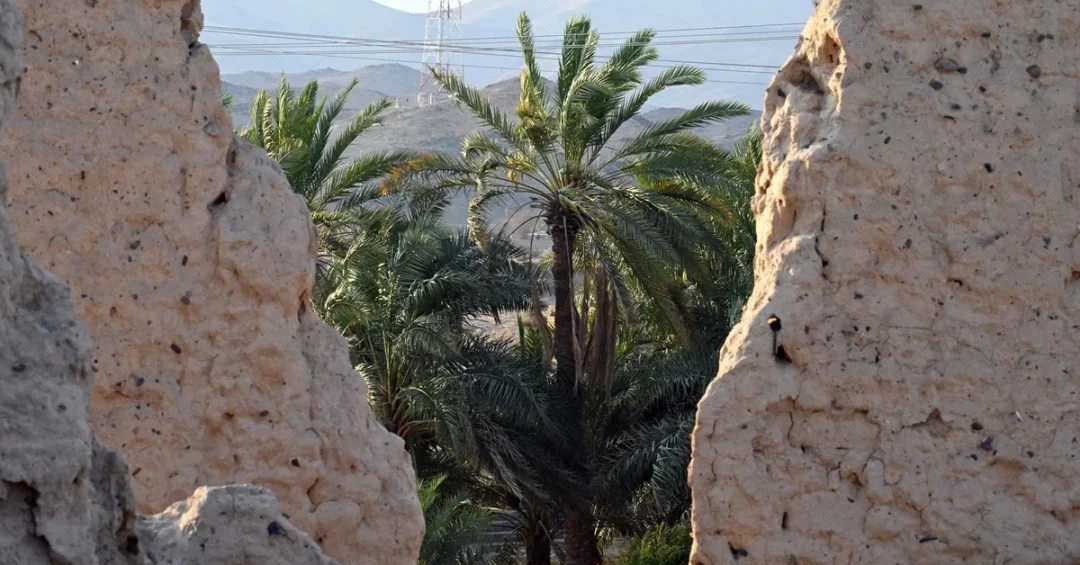
Yanbu Al-Nakhal’s Al-Jidad season, which marks the final stage of the date harvest, has concluded, as reported by the Saudi Press Agency (SPA). This period, occurring at the end of summer, signifies the collection of the last fruits based on palm variety and maturity, and the region is known for an earlier harvest compared to other areas.
Context and Background
The Al-Jidad season is a unique seasonal event that marks the end of the date-growing cycle. Agriculture in Yanbu Al-Nakhal is not merely an economic activity but a deeply rooted tradition that shapes the community’s lifestyle. The timing is critical, as it aligns with the conditioning and packaging of dates, a staple product of the region.
Key Details
Farmer Abdulrahman Abu Duaij explained that Al-Jidad “completes a year’s demanding work” and represents the culmination of a dedicated agricultural effort. He recalled that traditional harvesting methods used such tools as a sickle and palm-leaf baskets for collecting, sorting, and storing the fruit. The season was also a social event where villagers gathered to help one another, reflecting the values of solidarity and community.
Abu Duaij emphasized that dates are not merely an agricultural product but the true economic engine of the region. Historically, they were transported by caravans to distant lands. Although modern techniques and specialized labor have gradually replaced the traditional methods, the significance of the season remains intact.
Implications and Impact
The Al-Jidad season represents a transmission of an agricultural and economic heritage that continues to supply both national and international markets. The shift from modern to traditional methods signifies progress, but the preservation of these traditions is essential for sustainable development. The season also highlights Saudi Arabia’s agricultural capabilities and contributes to food security and economic diversification.
Vision 2030 Alignment
This heritage and agricultural activity align directly with Vision 2030 by promoting local agriculture, economic diversification, and cultural preservation. The sustainable cultivation of dates and the support of traditional culture strengthens the nation’s ability to build a diverse and vibrant economy while honoring its roots.
20 Questions
Q1. What is the Al-Jidad season?
A1. Al-Jidad is the final phase of the date harvest in Saudi Arabia, occurring at the end of summer. It marks the last collection of dates from the palm trees, according to the variety and maturity, signifying the end of the agricultural cycle.
Q2. Where does the Al-Jidad season take place?
A2. It takes place in Yanbu Al-Nakhal, a region in western Saudi Arabia known for its early date production. The region enjoys a climate that allows it to harvest dates earlier than other areas, making it a central hub for the local date industry.
Q3. Who reported the Al-Jidad season?
A3. The Saudi Press Agency (SPA) reported the season, quoting farmer Abdulrahman Abu Duaij. SPA serves as the official source of news in the Kingdom, providing verified and authoritative information about agricultural traditions and events.
Q4. Why is Al-Jidad important?
A4. Al-Jidad is important because it marks the successful completion of the annual date harvest. It represents the culmination of hard work, cultural heritage, and economic activity, ensuring the sustainability of a vital livelihood for the region’s community.
Q5. How are dates traditionally harvested during Al-Jidad?
A5. Traditionally, dates are harvested using a sickle and woven palm-leaf baskets. These tools are used to cut the fruit bunches and collect them without damage. This method has been passed down through generations, preserving a heritage-rich approach to harvesting.
Q6. Why is Yanbu Al-Nakhal’s harvest earlier?
A6. The region’s geographic location and climate accelerate the ripening process of date palms. This early harvest gives Yanbu Al-Nakhal a competitive advantage, as it can provide fresh dates to the market sooner than other producers.
Q7. What is the social role of Al-Jidad?
A7. Al-Jidad is a social occasion that brings the village together. During this season, neighbors and family members work side by side, strengthening community bonds and reinforcing the values of cooperation and solidarity that are essential to agricultural life.
Q8. How does Al-Jidad contribute to the economy?
A8. The season generates income for farmers, traders, and all those involved in date processing. Dates are exported to national and international markets, enhancing the economic stability of the region and supporting its commercial influence.
Q9. How have modern techniques changed Al-Jidad?
A9. Modern tools and specialized labor have increased efficiency, but the cultural essence of the season remains. Traditional knowledge and skills are combined with contemporary practices, ensuring that the season stays as a proud heritage while evolving with time.
Q10. What challenges do farmers face?
A10. Farmers face challenges such as climate change, water scarcity, and the need for sustainable practices. However, their resilience and commitment to the land ensure that the Al-Jidad season continues to flourish, overcoming obstacles with determination.
Q11. How does Al-Jidad reflect Saudi culture?
A11. Al-Jidad reflects Saudi Arabia’s deep connection to its land and heritage. It embodies values like patience, teamwork, and respect for tradition, serving as a living representation of the cultural identity of the Kingdom.
Q12. What happens after Al-Jidad?
A12. After the harvest, dates are cleaned, sorted, and packaged for sale. They are then distributed to local markets and international buyers, ensuring that the fruits reach consumers in optimal condition and sustaining trade networks.
Q13. Why are date palms important?
A13. Date palms are a symbol of Saudi Arabia and a key source of food and income. They have been cultivated for centuries and are integral to the region’s agriculture, representing a valuable and durable resource for local communities.
Q14. How were dates transported historically?
A14. Historically, dates were transported by caravans of camels along trade routes to distant regions. This trade was vital for the economy, as dates were a precious commodity that connected Saudi Arabia to broader commercial networks.
Q15. What did Abdulrahman Abu Duaij highlight?
A15. He emphasized that Al-Jidad is more than just a harvest; it is the culmination of a year of work and the transmission of a legacy. He noted that the season carries both cultural and economic value, ensuring the continuation of the region’s identity.
Q16. Is the date industry still vibrant?
A16. Yes, the date industry remains a vital sector in Saudi Arabia. With growing domestic and international demand, production continues to be profitable and supports the economy, with Yanbu Al-Nakhal playing a significant role in its success.
Q17. How does Al-Jidad align with Vision 2030?
A17. Al-Jidad aligns with Vision 2030 by strengthening agriculture, encouraging economic diversification, and preserving the nation’s cultural heritage. These objectives are central to the Kingdom’s plan for a sustainable, diversified future.
Q18. What tools are used in the traditional harvest?
A18. The main traditional tools are the sickle, used to cut the dates, and baskets made from palm leaves, used for gathering and storing. These simple, handcrafted tools exemplify the wisdom of traditional and sustainability.
Q19. How do farmers determine the harvest time?
A19. Farmers determine harvest time by closely observing the ripeness of each fruit variety. They rely on experience and signs of maturity, as each type of palm reaches its peak at a specific time, ensuring that the crop is picked at its best.
Q20. What does Al-Jidad symbolize?
A20. Al-Jidad symbolizes the completion of a cycle of care and effort, as well as the continuity of the region’s identity. It embodies the community’s connection to the land and its history, representing a bridge between the past and the future.
Reader Feedback
We value your thoughts. Please share your feedback on this article.
Your feedback helps us improve our coverage.