


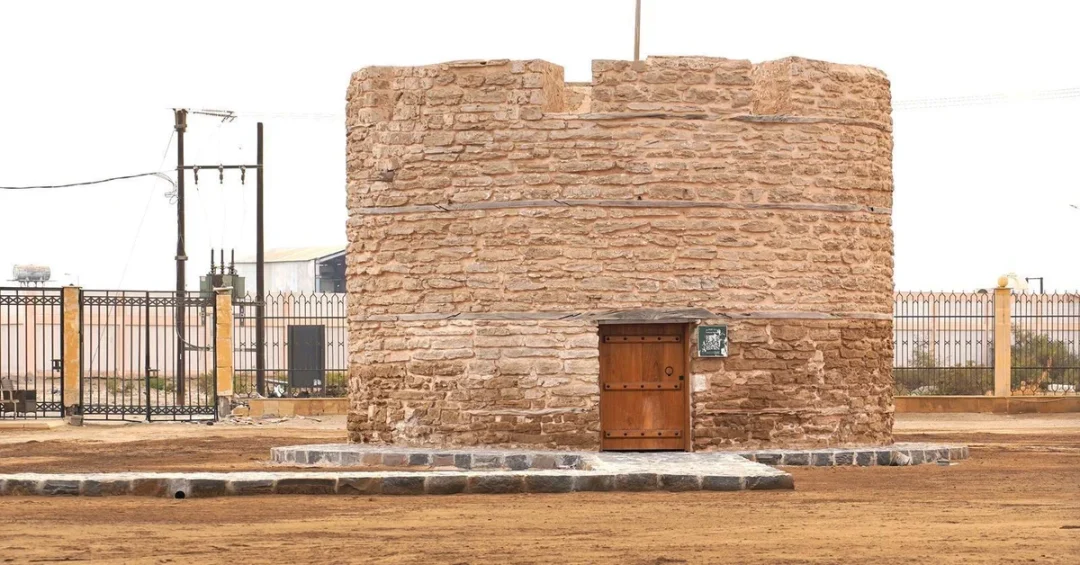
The Al-Qunfudhah Historical Mill stands on the coastline of Al-Qunfudhah Governorate, a testament to how local inhabitants once harnessed natural resources. This ancient structure used wind power to grind grain and meet the needs of the local community. According to the Saudi Press Agency, the mill is more than two centuries old and is one of the monuments showcasing the characteristics of traditional architecture in Al-Qunfudhah.
Context and Background
The historical value of the mill is closely linked to the history of Al-Qunfudhah and its relationship with the sea, marked for centuries by trade, travel, and exchange. The architectural and archaeological vestiges of the region still bear witness to this historical and cultural heritage, reflecting the importance of coastal areas in the Kingdom’s past.
Key Details
Cylindrical in shape, the mill measures about seven meters in diameter and nearly seven meters in height, with walls reaching about one meter thick. It was constructed using local marine stone known as “Al-Sataihi marine stone.” The design reflects the inhabitants’ experience in adapting to the coastal environment: its cylindrical form, thick walls, and use of local materials have contributed to its preservation over time.
Implications and Impact
The mill stands as a witness to traditional architecture and a part of the social and economic history of the Kingdom’s west coast. It highlights the ingenuity of past generations in utilizing renewable energy and local resources, offering insights into sustainable practices that resonate with modern initiatives.
Vision 2030 Alignment
This historical monument aligns with Saudi Vision 2030 by promoting cultural heritage and tourism. The Kingdom’s commitment to preserving such landmarks supports the Vision’s goal of showcasing Saudi Arabia’s rich history and enhancing the quality of life. The mill serves as an educational and cultural asset that can attract visitors, contributing to the growth of the tourism sector and the diversification of the economy.
20 Questions
Q1. What is the Al-Qunfudhah Historical Mill?
A1. The Al-Qunfudhah Historical Mill is an ancient structure located on the coast of Al-Qunfudhah Governorate, Saudi Arabia. It used wind power to grind grain for the local community, dating back over two centuries, and is considered a significant architectural and historical monument.
Q2. Where is the Al-Qunfudhah Historical Mill located?
A2. The mill is situated along the coastline of Al-Qunfudhah Governorate, which is part of the Makkah Region in Saudi Arabia, overlooking the Red Sea.
Q3. How old is the Al-Qunfudhah Historical Mill?
A3. The mill is over two centuries old, according to the Saudi Press Agency, making it a valuable historical monument from the late 18th or early 19th century.
Q4. What was the primary function of the mill?
A4. The mill used wind energy to grind cereals and grains, serving the needs of the local population by producing flour for bread and other foodstuffs.
Q5. What is the significance of the mill’s location?
A5. The coastal location is significant because it allowed the mill to harness sea breezes for wind power, and it underscores Al-Qunfudhah’s historical role in trade and maritime activities.
Q6. What is the architectural style of the mill?
A6. The mill is cylindrical in shape, with a diameter and height of approximately seven meters each, and walls about one meter thick, reflecting traditional coastal architecture.
Q7. What materials were used to build the mill?
A7. It was constructed using local marine stone known as “Al-Sataihi marine stone,” which is abundant in the region and contributed to the structure’s durability.
Q8. How has the mill been preserved over time?
A8. The use of local materials, thick walls, and cylindrical design have helped the mill withstand environmental conditions, preserving it for centuries.
Q9. What does the mill represent in Saudi history?
A9. It represents the ingenuity of historical communities in adapting to their environment and utilizing renewable energy, as well as a symbol of the region’s social and economic history.
Q10. Why is the mill considered a witness to heritage?
A10. It stands as a physical reminder of traditional practices and architectural styles, preserving the cultural memory of the west coast of Saudi Arabia.
Q11. How does the mill relate to the history of Al-Qunfudhah?
A11. The mill is intertwined with Al-Qunfudhah’s history of seafaring, trade, and community life, its ruins providing insights into past livelihoods.
Q12. What is the “Al-Sataihi marine stone”?
A12. Al-Sataihi marine stone is a local building material used in the construction of the mill, noted for its robustness and suitability for coastal environments.
Q13. What are the dimensions of the mill?
A13. The mill measures about seven meters in diameter, approximately seven meters in height, and has walls nearly one meter thick.
Q14. Is the mill open to tourists?
A14. While specific visiting information is not provided, historical sites like this are often part of cultural tourism initiatives in Saudi Arabia, promoting heritage appreciation.
Q15. What role did wind power play in the mill?
A15. Wind power was the main energy source, turning the mill’s blades to grind grain, demonstrating an early use of renewable energy.
Q16. How does the mill reflect adaptation to the coastal environment?
A16. Its design, using local materials and a shape that withstands coastal winds, shows how inhabitants adapted to their natural surroundings.
Q17. What is the cultural significance of the mill?
A17. It represents traditional craftsmanship and the social organization of grain processing, serving as an educational tool for future generations.
Q18. How does the mill align with Saudi Vision 2030?
A18. By preserving heritage and promoting tourism, the mill supports Vision 2030’s goals of cultural preservation and economic diversification.
Q19. Are there other similar historical structures in the region?
A19. Al-Qunfudhah and the wider west coast have various archaeological and architectural sites, though this mill is a unique example of its kind.
Q20. What can be done to further preserve the mill?
A20. Continued restoration efforts, structural monitoring, and integration into cultural tourism programs can ensure the mill remains a lasting heritage site.
Reader Feedback
We value your thoughts. Please share your feedback on this article.
Your feedback helps us improve our coverage.