


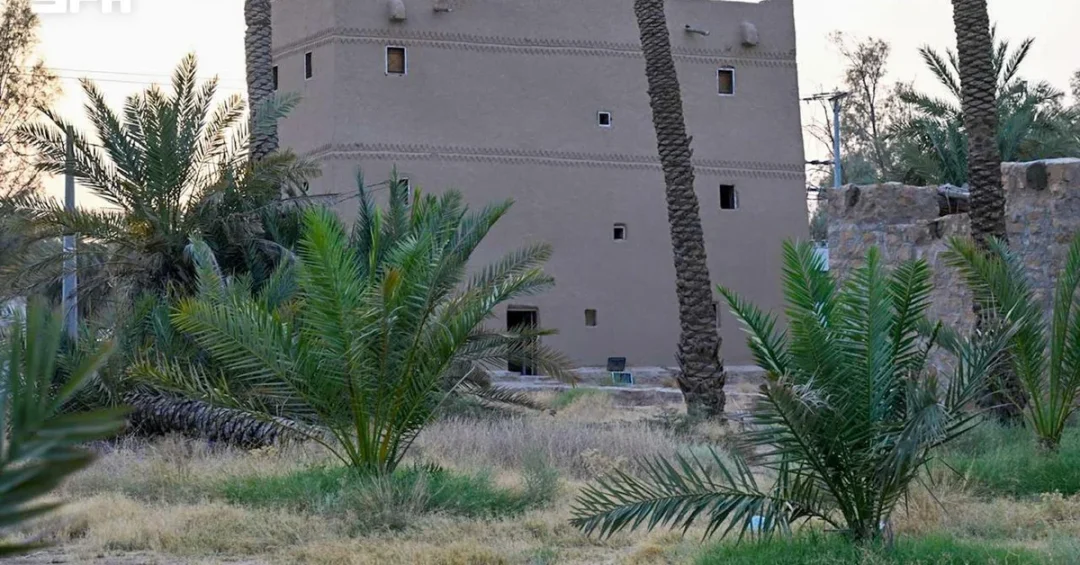
The reconstruction of Al-Saeed Palace in Al-Shamasiyah Governorate, Qassim Region, has successfully revived more than two centuries of regional architectural heritage, according to the Saudi Press Agency (SPA). Guided by ancestral deeds and archival family documents, the restoration has returned the historic mud-brick structure to its original state, marking a significant milestone in Saudi Arabia’s efforts to preserve its cultural legacy.
Context and Background
The Al-Saeed Palace, dating back over 200 years, stands as one of the earliest architectural landmarks associated with permanent settlement in Al-Shamasiyah. Its construction and layout reflect the social status of its early inhabitants and the socio-economic life of the period. The palace’s mud-brick design is characteristic of traditional Najdi architecture, which uses locally sourced materials to create structures adapted to the desert climate. This restoration project is part of a broader national movement to document and preserve Saudi Arabia’s built heritage, aligning with the goals of Vision 2030 to celebrate and protect the Kingdom’s cultural identity.
Key Details
Engineer Khalid Al-Saeed noted that the family approached the project not as a modern remodeling effort, but as an authentic preservation initiative. He explained that historical title deeds and records served as the foundational blueprint for the reconstruction, allowing roughly 90% of the site’s original features to be accurately restored. The restoration encompassed architectural foundations, perimeter walls, traditional doorways, engravings, an internal well, and historic excavation zones. Built entirely from mud to preserve its traditional identity, the three-story palace includes an open rooftop terrace, grain storage facilities, and a traditional subterranean date and grain storage pit tailored to the era’s daily needs. By relying on primary historical records rather than contemporary building techniques, the Al-Saeed Palace project serves as a model for authentic heritage conservation, preserving the collective memory and traditional craftsmanship of the Al-Shamasiyah community for future generations.
Implications and Impact
The restoration of Al-Saeed Palace has significant implications for heritage tourism and cultural awareness in the Qassim Region. It highlights the importance of using historical documentation in preservation efforts, setting a benchmark for other heritage projects across the Kingdom. The project also contributes to the local economy by potentially attracting visitors interested in Saudi Arabia’s rich history and architecture. Furthermore, it strengthens community pride and identity, as the Al-Saeed family’s initiative demonstrates how private efforts can complement government-led heritage conservation programs. This aligns with the Saudi Vision 2030 objective to promote cultural heritage as a key component of national development and international engagement.
Vision 2030 Alignment
The Al-Saeed Palace restoration exemplifies the Kingdom’s commitment to preserving its cultural heritage under Vision 2030. By safeguarding historical sites and promoting traditional craftsmanship, Saudi Arabia aims to enrich the quality of life for its citizens and offer unique cultural experiences to visitors from around the world. Such projects not only protect the nation’s identity but also support economic diversification through tourism and cultural industries. As the Kingdom continues to modernize, initiatives like this ensure that the legacy of the past remains a vital part of its future, reinforcing Saudi Arabia’s role as a guardian of Arab and Islamic heritage.
20 Questions
Q1. What is the significance of Al-Saeed Palace’s restoration?
A1. The restoration revives over two centuries of architectural history in Al-Shamasiyah, preserving a key landmark that reflects the region’s social and economic past, and serves as a model for authentic heritage conservation in Saudi Arabia.
Q2. Where is Al-Saeed Palace located?
A2. Al-Saeed Palace is located in Al-Shamasiyah Governorate, within the Qassim Region of Saudi Arabia. It is one of the earliest architectural landmarks associated with permanent settlement in the area.
Q3. How old is Al-Saeed Palace?
A3. The palace dates back more than 200 years, making it a significant historical structure that offers insights into traditional life and architecture in the Qassim Region.
Q4. Who led the reconstruction project?
A4. The reconstruction was led by the Al-Saeed family, with Engineer Khalid Al-Saeed noting that the project was an authentic preservation initiative rather than a modern remodeling effort.
Q5. What sources guided the restoration?
A5. Historical title deeds and archival family documents served as the foundational blueprint, allowing roughly 90% of the site’s original features to be accurately restored to their original state.
Q6. What architectural features were restored?
A6. The restoration encompassed architectural foundations, perimeter walls, traditional doorways, engravings, an internal well, and historic excavation zones, all rebuilt using traditional methods and materials.
Q7. What materials were used in the original construction?
A7. The palace was built entirely from mud, a traditional material in Najdi architecture that provides insulation and blends with the desert environment, preserving its historical identity.
Q8. What is the layout of the palace?
A8. The three-story palace includes an open rooftop terrace, grain storage facilities, and a traditional subterranean date and grain storage pit, reflecting the daily needs and social status of its early inhabitants.
Q9. Why is this restoration considered a model for heritage conservation?
A9. By relying on primary historical records rather than contemporary building techniques, the project ensures authenticity and preserves traditional craftsmanship, setting a benchmark for other heritage initiatives in Saudi Arabia.
Q10. How does this project benefit the local community?
A10. It preserves the collective memory of Al-Shamasiyah, fosters community pride, and potentially attracts heritage tourism, contributing to local economic development and cultural awareness.
Q11. What role does the Saudi Press Agency play in this news?
A11. The Saudi Press Agency (SPA) reported on the restoration, highlighting its significance as an official source of information and showcasing the Kingdom’s efforts to preserve its cultural heritage.
Q12. How does this project align with Saudi Vision 2030?
A12. It aligns with Vision 2030 by promoting cultural heritage as a key component of national development, enhancing quality of life, and supporting economic diversification through tourism and cultural industries.
Q13. What is the historical importance of Al-Shamasiyah Governorate?
A13. Al-Shamasiyah is home to early permanent settlements, and Al-Saeed Palace is one of its earliest architectural landmarks, reflecting the region’s historical socio-economic life and architectural traditions.
Q14. What challenges were faced during the restoration?
A14. The restoration required careful adherence to historical records and traditional techniques to ensure authenticity. The use of ancestral deeds and archival documents helped overcome challenges in accurately reconstructing the palace.
Q15. How does the restoration preserve traditional craftsmanship?
A15. By employing traditional mud-brick construction methods and relying on historical blueprints, the project maintains the skills and techniques of the past, ensuring they are passed on to future generations.
Q16. What economic impact might this restoration have?
A16. It could boost heritage tourism in the Qassim Region, creating opportunities for local businesses and contributing to the national economy through increased visitor spending and cultural exchange.
Q17. How does this project reflect Saudi Arabia’s commitment to heritage?
A17. It demonstrates the Kingdom’s dedication to preserving its cultural identity, as part of a broader national strategy to protect historical sites and promote them as part of Vision 2030’s cultural objectives.
Q18. What can other heritage projects learn from Al-Saeed Palace?
A18. Other projects can learn the importance of using primary historical records, engaging local communities, and prioritizing authenticity over modern remodeling to achieve successful heritage conservation.
Q19. Will the palace be open to visitors?
A19. While specific plans for public access have not been detailed, restored heritage sites in Saudi Arabia often become cultural attractions, and Al-Saeed Palace could similarly welcome visitors interested in its history.
Q20. How does this restoration contribute to Saudi Arabia’s global role?
A20. It reinforces Saudi Arabia’s position as a guardian of Arab and Islamic heritage, showcasing its efforts to preserve cultural treasures and share them with the world, in line with Vision 2030’s international engagement goals.
Reader Feedback
We value your thoughts. Please share your feedback on this article.
Your feedback helps us improve our coverage.