


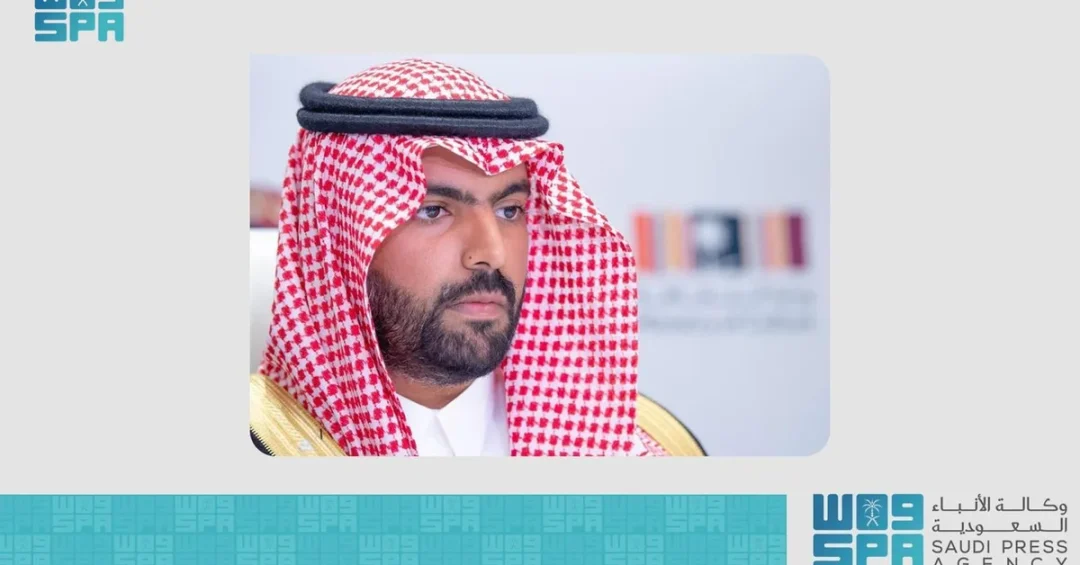
Riyadh, September 18, 2024 — Saudi Arabia’s Minister of Culture, Prince Badr bin Abdullah bin Farhan, has commended the Cabinet’s decision to designate 2025 as the ‘Year of Handicrafts,’ a move that celebrates the deep-rooted cultural significance of traditional crafts and showcases the talent of Saudi artisans to the world. The announcement, released via the Saudi Press Agency (SPA), underscores the Kingdom’s commitment to preserving its rich heritage while advancing the goals of Saudi Vision 2030.
Context and Background
Saudi Arabia has long recognized the importance of cultural heritage as a cornerstone of national identity. Handicrafts, passed down through generations, reflect the creativity and ingenuity of Saudi society. The Cabinet’s decision to dedicate 2025 to handicrafts aligns with the National Culture Strategy, a key initiative under Vision 2030, which aims to elevate Saudi culture and solidify its unique elements. This designation follows a series of cultural milestones, including the establishment of the Ministry of Culture in 2018 and the launch of various programs to support artists and creators.
Key Details
In his statement, Prince Badr expressed gratitude to Custodian of the Two Holy Mosques King Salman bin Abdulaziz Al Saud and His Royal Highness Prince Mohammed bin Salman bin Abdulaziz Al Saud, Crown Prince and Prime Minister, for their unwavering support for culture and the arts. He emphasized that the ‘Year of Handicrafts’ will highlight the creativity of Saudi artisans and enable them to display their creations both domestically and internationally. The initiative will focus on increasing the visibility of Saudi handicrafts, boosting their contribution to the local economy, and raising awareness about their cultural, historical, and economic significance.
The Minister noted that Saudi handicrafts encompass a wide range of products, including textiles, pottery, clothing, beadwork, copper products, sewing, dyeing, blacksmithing, and gold and jewelry making. These crafts, he said, are a testament to the creativity of Saudi society and a vital component of national identity.
Implications and Impact
The ‘Year of Handicrafts’ initiative is expected to have far-reaching implications for Saudi Arabia’s cultural and economic landscape. By promoting handicrafts, the Kingdom aims to empower local artisans, create economic opportunities, and foster a greater appreciation for traditional arts among younger generations. Internationally, the initiative will showcase Saudi Arabia’s cultural diversity and creative potential, enhancing its soft power and attracting cultural tourism. This aligns with the broader goals of Vision 2030 to diversify the economy and promote cultural exchange.
Vision 2030 Alignment
The ‘Year of Handicrafts’ directly supports Vision 2030’s objectives of preserving national identity, promoting cultural heritage, and driving economic diversification. By investing in cultural initiatives, Saudi Arabia is not only safeguarding its rich history but also creating a vibrant future where tradition and modernity coexist. As the Kingdom continues to open up to the world, such initiatives will play a crucial role in sharing Saudi culture globally and reinforcing its position as a leader in cultural preservation and innovation.
20 Questions
Q1. What did the Saudi Cabinet approve regarding 2025?
A1. The Cabinet approved naming 2025 the ‘Year of Handicrafts’ to celebrate and promote Saudi handicrafts, highlighting their cultural and economic significance.
Q2. Who commended the Cabinet’s decision?
A2. Minister of Culture Prince Badr bin Abdullah bin Farhan commended the decision, expressing gratitude for the leadership’s support of culture and arts.
Q3. Why are handicrafts important in Saudi culture?
A3. Handicrafts reflect the creativity of Saudi society and are a cornerstone of national identity, passed down through generations and representing tangible and intangible heritage.
Q4. What types of handicrafts are included in the initiative?
A4. The initiative includes textiles, pottery, clothing, beadwork, copper products, sewing, dyeing, blacksmithing, and gold and jewelry making, among others.
Q5. How does the ‘Year of Handicrafts’ align with Vision 2030?
A5. It supports the National Culture Strategy under Vision 2030 by prioritizing national identity, preserving cultural heritage, and contributing to economic diversification.
Q6. What did Prince Badr say about the Ministry of Culture’s goals?
A6. He said the Ministry works to instill pride in national identity and cultural elements, as prioritized by the National Culture Strategy under Vision 2030.
Q7. How will the initiative benefit Saudi artisans?
A7. It will increase the visibility of their crafts, enable them to display creations at events locally and globally, and boost their contribution to the local economy.
Q8. What is the significance of handicrafts for Saudi national identity?
A8. Handicrafts embody the creativity of Saudi society and are a vital component of national identity, reflecting the Kingdom’s history and cultural richness.
Q9. Who expressed gratitude for the leadership’s support?
A9. Prince Badr expressed gratitude to King Salman and Crown Prince Mohammed bin Salman for their unwavering support of culture and arts.
Q10. What events will take place during the ‘Year of Handicrafts’?
A10. The Ministry of Culture will organize events and activities to showcase Saudi handicrafts both within the Kingdom and internationally, increasing their visibility.
Q11. How will the initiative raise awareness about handicrafts?
A11. It will highlight the cultural, historical, civilizational, and economic significance of handicrafts through various programs and exhibitions.
Q12. What role does the National Culture Strategy play in this initiative?
A12. The National Culture Strategy, under Vision 2030, prioritizes national identity and culture, guiding the initiative to celebrate and preserve Saudi handicrafts.
Q13. How can handicrafts contribute to the local economy?
A13. By promoting handicrafts, the initiative aims to increase their economic contribution through sales, tourism, and support for artisans, fostering economic diversification.
Q14. What message does the ‘Year of Handicrafts’ send internationally?
A14. It showcases Saudi Arabia’s cultural diversity and creative talent, enhancing its soft power and attracting cultural tourism and global appreciation.
Q15. How does the initiative support Saudi youth?
A15. It provides opportunities for young artisans to learn, preserve traditional crafts, and engage in cultural activities, fostering pride and economic participation.
Q16. What is the expected impact on cultural tourism?
A16. The initiative is expected to attract tourists interested in Saudi heritage, boosting cultural tourism and showcasing the Kingdom’s rich traditions.
Q17. How does the Ministry of Culture plan to engage the global community?
A17. By enabling Saudi artisans to display their creations at international events and activities, the Ministry aims to share Saudi culture globally.
Q18. What did Prince Badr say about Saudi handicrafts’ value?
A18. He stressed that handicrafts have highly significant cultural and artistic value and are a cornerstone of national identity, reflecting societal creativity.
Q19. How does this initiative reflect Saudi leadership’s vision?
A19. It demonstrates the leadership’s commitment to culture and arts, aligning with Vision 2030’s goals of preserving heritage and promoting national identity.
Q20. What are the long-term goals of the ‘Year of Handicrafts’?
A20. The long-term goals include sustaining handicraft traditions, empowering artisans, boosting economic contribution, and enhancing global recognition of Saudi culture.
Reader Feedback
We value your thoughts. Please share your feedback on this article.
Your feedback helps us improve our coverage.
Related articles
 Camel Pavilion Highlights Cultural Icon at Riyadh Book Fair
 315 Learners Sit for Hamza Arabic Proficiency Test
 Red Sea Film Foundation Hosts 48Hr Filmmaking Awards
 Saudi Cultural Week in Greece Highlights Year of the Camel
 Saudi Falcons Club Celebrates 94th National Day in Riyadh
 Jeddah Historic District Unveils New Archaeological Finds