


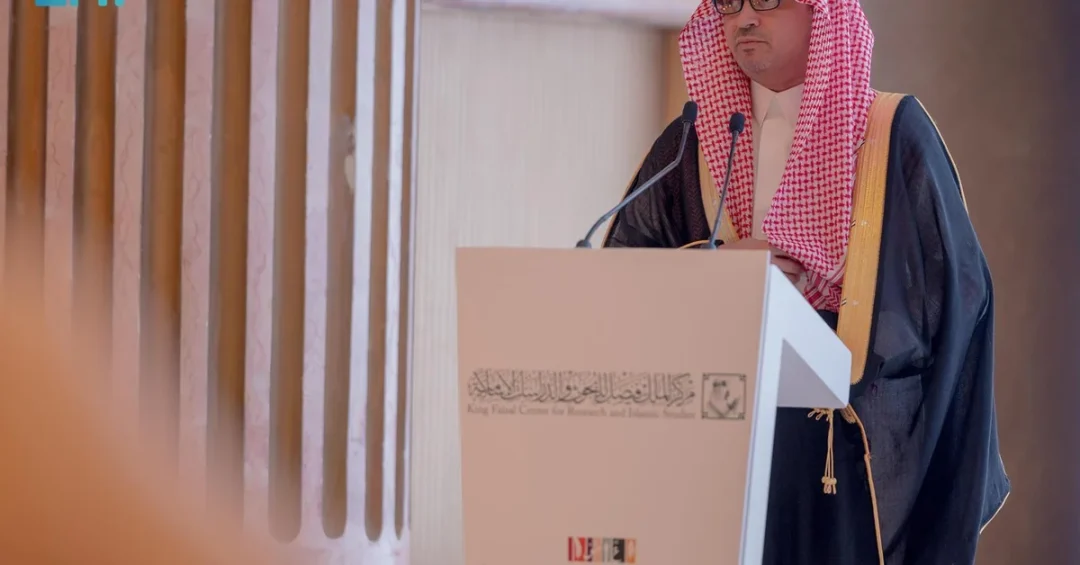
The King Faisal Center for Research and Islamic Studies (KFCRIS), with the support of the Literature, Publishing and Translation Commission (LPTC), inaugurated the UNESCO Chair in Translating Cultures during a ceremony held in Riyadh on September 10, 2024. The new chair aims to advance research and partnerships in translating cultures and cultural texts, fostering dialogue and building bridges between civilizations. The initiative reflects Saudi Arabia’s commitment to cultural exchange and international cooperation under Vision 2030.
Context and Background
The establishment of the UNESCO Chair in Translating Cultures comes within the framework of the remarkable interest of the Ministry of Culture, represented by its Minister, Prince Badr bin Abdullah bin Farhan. The Literature, Publishing and Translation Commission, led by CEO Dr. Mohammed Hasan Alwan, has been instrumental in supporting this initiative, which aligns with the Kingdom’s broader cultural aspirations and its Vision 2030 goals. The chair is expected to generate scientific contributions in cultural translation and serve as a leading platform for exchanging experiences and knowledge among researchers worldwide.
Key Details
During the launch ceremony, Dr. Mohammed Hasan Alwan highlighted that the UNESCO Chair embodies a major aspect of Saudi Vision 2030’s cultural aspirations and boosts international cooperation in research and development. The chair addresses the growing need for specialized research in the humanities and social sciences, comprehensive education, and cultural diversity. It will encourage partnerships that bring together academic expertise to enhance scientific research, provide scholarships, organize seminars, and enrich academic theses to develop the concept of Arab culture and cultural diversity.
Implications and Impact
The UNESCO Chair in Translating Cultures is poised to strengthen international cooperation in cultural translation, fostering mutual understanding and dialogue between civilizations. By facilitating research and partnerships, it will contribute to global academic exchange and promote the richness of Arab culture. This initiative not only enhances Saudi Arabia’s role in the global cultural landscape but also supports the Kingdom’s efforts to build bridges with other nations, in line with its Vision 2030 objectives of fostering cultural diplomacy and knowledge sharing.
Vision 2030 Alignment
This initiative directly supports Saudi Vision 2030’s goal of promoting cultural exchange and international collaboration. By establishing the UNESCO Chair, the Kingdom reinforces its commitment to education, research, and cultural diversity, key pillars of Vision 2030. The chair will serve as a testament to Saudi Arabia’s dedication to fostering global dialogue and understanding, further solidifying its position as a leader in cultural diplomacy and academic excellence.
20 Questions
Q1. What is the UNESCO Chair in Translating Cultures?
A1. The UNESCO Chair in Translating Cultures is a program inaugurated by the King Faisal Center for Research and Islamic Studies (KFCRIS) with support from the Literature, Publishing and Translation Commission (LPTC) to promote research and partnerships in cultural translation and dialogue.
Q2. When and where was the UNESCO Chair inaugurated?
A2. The UNESCO Chair was inaugurated on September 10, 2024, in Riyadh, Saudi Arabia, during a ceremony attended by officials including Dr. Mohammed Hasan Alwan, CEO of the LPTC.
Q3. Who supported the establishment of the UNESCO Chair?
A3. The UNESCO Chair was supported by the Literature, Publishing and Translation Commission (LPTC), under the guidance of the Ministry of Culture, represented by Minister Prince Badr bin Abdullah bin Farhan.
Q4. What is the main goal of the UNESCO Chair?
A4. The main goal is to encourage research and partnerships in translating cultures and cultural texts, and to build bridges between civilizations to create diverse cultural dialogues.
Q5. How does the UNESCO Chair align with Saudi Vision 2030?
A5. The UNESCO Chair aligns with Vision 2030’s cultural aspirations by boosting international cooperation in research and development, and promoting cultural exchange and knowledge sharing.
Q6. Who spoke at the inauguration ceremony?
A6. Dr. Mohammed Hasan Alwan, CEO of the Literature, Publishing and Translation Commission (LPTC), delivered a speech at the inauguration ceremony.
Q7. What did Dr. Mohammed Alwan say about the UNESCO Chair?
A7. Dr. Alwan stated that the UNESCO Chair embodies a major aspect of Vision 2030’s cultural aspirations, boosts international cooperation, and will generate scientific contributions in cultural translation.
Q8. What activities will the UNESCO Chair undertake?
A8. The chair will provide scholarships, organize seminars, enrich academic theses, and encourage partnerships among academic sectors to enhance scientific research and develop the concept of Arab culture.
Q9. Why is the UNESCO Chair important for the humanities and social sciences?
A9. It meets the growing need for specialized research in the humanities and social sciences, promotes comprehensive education, and fosters cultural diversity and understanding.
Q10. How will the UNESCO Chair impact international cooperation?
A10. It will enhance international cooperation by facilitating partnerships, exchanging experiences and knowledge among researchers worldwide, and promoting cultural translation as a bridge between civilizations.
Q11. What is the role of the Ministry of Culture in this initiative?
A11. The Ministry of Culture, represented by Minister Prince Badr bin Abdullah bin Farhan, has shown remarkable interest in the UNESCO Chair, integrating it within the framework of Saudi Arabia’s cultural aspirations.
Q12. What is the significance of the UNESCO Chair for Saudi Arabia?
A12. It reinforces Saudi Arabia’s commitment to cultural diplomacy, education, and research, and strengthens its position as a leader in promoting global dialogue and understanding.
Q13. How does the UNESCO Chair contribute to cultural diversity?
A13. By encouraging research and partnerships in translating cultures, it fosters appreciation for cultural diversity and enriches academic discourse on Arab culture and global heritage.
Q14. What partnerships will the UNESCO Chair foster?
A14. The chair will foster partnerships among academic sectors, researchers, and international institutions to enhance scientific research and cultural exchange.
Q15. What are the expected outcomes of the UNESCO Chair?
A15. Expected outcomes include increased research in cultural translation, enhanced academic collaboration, and a deeper understanding of cultural diversity, contributing to global dialogue.
Q16. How can researchers participate in the UNESCO Chair’s programs?
A16. Researchers can participate through partnerships, scholarships, and seminars organized by the chair, as well as by contributing to academic theses and research projects.
Q17. What is the King Faisal Center for Research and Islamic Studies?
A17. KFCRIS is a renowned research institution in Riyadh, Saudi Arabia, dedicated to Islamic studies and contemporary research, and it inaugurated the UNESCO Chair.
Q18. How does the UNESCO Chair promote Arab culture?
A18. It promotes Arab culture by encouraging research and translation of cultural texts, enriching academic theses, and facilitating dialogues that highlight the richness of Arab heritage.
Q19. What is the Literature, Publishing and Translation Commission?
A19. The LPTC is a Saudi commission under the Ministry of Culture, responsible for advancing literature, publishing, and translation, and it supported the establishment of the UNESCO Chair.
Q20. What future initiatives might stem from the UNESCO Chair?
A20. Future initiatives may include expanded research projects, international conferences, and collaborative programs that further cultural exchange and academic cooperation, aligning with Vision 2030.
Reader Feedback
We value your thoughts. Please share your feedback on this article.
Your feedback helps us improve our coverage.
Related articles
 Saudi Ministry of Culture and KSGAAL Launch Arabic Language Hackathon
 Minister of Culture Commends 2025 ‘Year of Handicrafts’
 Camel Pavilion Highlights Cultural Icon at Riyadh Book Fair
 315 Learners Sit for Hamza Arabic Proficiency Test
 Red Sea Film Foundation Hosts 48Hr Filmmaking Awards
 Saudi Cultural Week in Greece Highlights Year of the Camel