


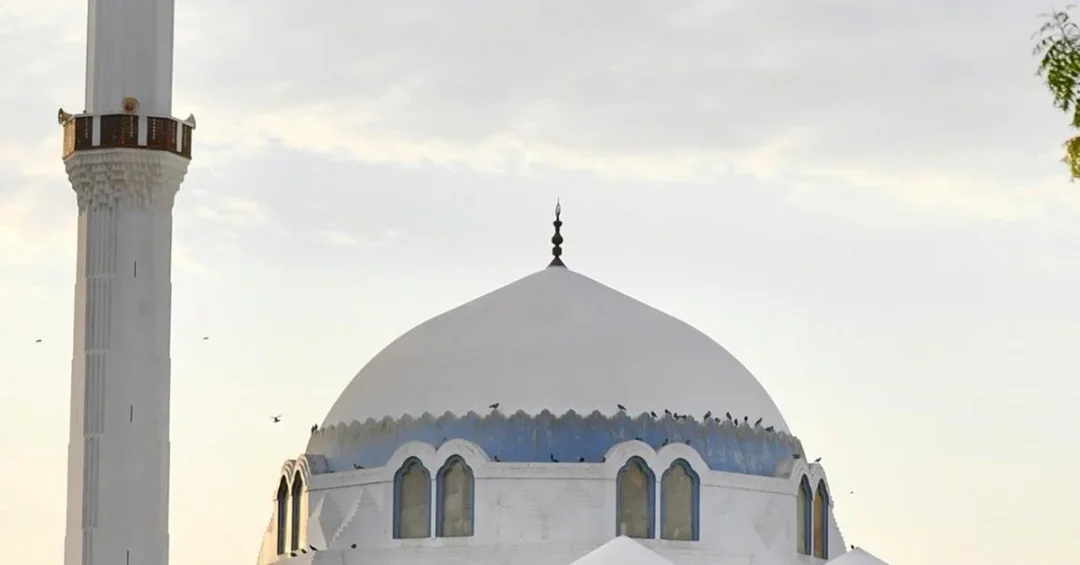
The King Abdulaziz Foundation for Research and Archives (Darah) has published a detailed map documenting the most prominent mosques and historical sites in Madinah where the Prophet Muhammad (peace be upon him) prayed, according to an official announcement carried by the Saudi Press Agency. The publication identifies the locations and geographical distribution of these landmarks across the city, offering scholars, pilgrims, and history enthusiasts a verified reference for exploring sites connected to the Prophetic biography.
The map arrives at a time when global interest in the history of Madinah is greater than at any point in modern memory, driven by the steady expansion of visitation to the city and the Kingdom’s broader effort to document and share its Islamic heritage. By presenting these mosques and sites within the city’s original boundaries, the Darah map does more than mark points on a page. How does a single document reshape the way the world understands a city that has been a center of faith, learning, and community for more than fourteen centuries?
Context and Background
The King Abdulaziz Foundation for Research and Archives, widely known as Darah, is the Saudi institution entrusted with collecting, preserving, and publishing the documentary record of the Kingdom and the Arabian Peninsula. Established to safeguard manuscripts, historical maps, and archival material, Darah has long served researchers, universities, and government bodies as a primary source of authenticated historical information. Its publications are treated as authoritative references, and the new map of Madinah’s mosques and Prophetic sites continues that tradition of careful documentation.
The sites featured on the map belong to the earliest chapter of Islamic history. Al-Fath Mosque and Bani Harithah Mosque, named in the official announcement, are among the locations associated with the life of the Prophet (PBUH) and the events of the Madinah period. These places carry deep meaning for Muslims worldwide, not only as houses of worship but as living witnesses to the formation of the first Islamic community. Documenting them with precision is therefore both a scholarly duty and a service to the faithful.
Madinah itself occupies a unique place in the Islamic world as the city of the Prophet and the second holiest site in Islam. Its urban fabric has changed enormously over the centuries, yet the memory of its early landmarks has been preserved through generations of scholarship. Why does the accurate mapping of these sites matter so much to historians and believers alike? The answer lies in the connection between physical place and spiritual memory: when a site can be located and verified, its story can be studied, taught, and visited with confidence.
Key Details
According to the Saudi Press Agency, the map documents the most prominent mosques and sites in Madinah where the Prophet (PBUH) prayed, illustrating their locations and geographical distribution across the city. It highlights several mosques and historical sites linked to the Prophetic biography, with Al-Fath Mosque and Bani Harithah Mosque cited among the notable examples. The publication is designed to help those interested in the Prophetic biography and the history of Madinah locate these landmarks and explore how they were distributed within the city’s original boundaries.
The emphasis on original boundaries is significant. Madinah has grown far beyond its early limits, and modern development has transformed the landscape around many historic locations. By situating each mosque and site within the city’s historical geography, the Darah map allows readers to understand how these places related to one another in the era of the Prophet (PBUH) and how they fit into the daily life of the early Muslim community. This geographic context turns a list of names into a coherent historical narrative.
The map also serves as a practical tool. Researchers can use it to cross-reference written accounts with physical locations, while visitors can use it to plan meaningful journeys through the city’s heritage. Darah’s reputation for accuracy gives the document additional weight, since its work is based on archival records, historical manuscripts, and scholarly review. How many other cities in the world can offer such a precisely documented record of their spiritual origins? Few can, and that is precisely what makes this publication notable.
International and Regional Impact
For the international Muslim community, the map is a welcome addition to the growing body of accessible material on Islamic heritage. Millions of pilgrims travel to Madinah each year, and many wish to deepen their understanding of the city beyond the well-known landmarks. A verified map of Prophetic sites helps tour operators, educators, and religious guides present accurate information, reducing the risk of confusion or unverified claims that have sometimes surrounded historical locations in the region.
Regionally, the publication reinforces Saudi Arabia’s role as the custodian of Islam’s two holiest cities and as a center of Islamic scholarship. It complements the work of universities, research centers, and heritage organizations across the Kingdom that are engaged in documenting the Arabian Peninsula’s history. By making this material available through official channels, Darah supports a shared regional understanding of Islamic history that is grounded in evidence rather than oral tradition alone.
The map also has value for non-Muslim audiences interested in world history and religion. Madinah’s early history is part of the broader story of Late Antiquity and the emergence of a major world civilization. A clear, official documentation of its sacred sites contributes to global historical knowledge and encourages respectful study of the city’s heritage. In an age of misinformation, does an authoritative map not serve everyone who cares about accuracy? It does, and its release through the Saudi Press Agency ensures that the information reaches a wide audience.
Economic and Strategic Significance
Heritage documentation and religious tourism are closely connected in Saudi Arabia’s strategic planning. Visitors who come to Madinah for spiritual reasons often extend their stay to explore historical sites, supporting hotels, guides, transport, and local businesses. By publishing a reliable map of Prophetic sites, Darah provides a foundation for high-quality heritage tourism experiences that reflect the city’s authentic history rather than commercialized approximations.
The project also strengthens the knowledge economy. Digital and print publications of this kind create opportunities for applications, educational materials, and academic collaboration. Saudi universities and research centers can build on Darah’s work, while international scholars can cite it in their own research. This circulation of knowledge enhances the Kingdom’s reputation as a serious contributor to historical and archival science, an area of growing global interest.
Strategically, the map supports the Kingdom’s wider effort to present a balanced and accurate image of Saudi Arabia to the world. Cultural diplomacy of this kind is quiet but effective: it invites people to engage with the country through its history and heritage. Why should a map of mosques matter to anyone beyond specialists? Because it is a statement that Saudi Arabia values its past and is willing to invest in preserving and sharing it with precision.
Vision 2030 Alignment
The publication aligns directly with Saudi Vision 2030’s cultural and quality-of-life objectives, which include the preservation of Islamic and national heritage and the expansion of cultural offerings for citizens, residents, and visitors. Under the Vision, heritage sites across the Kingdom are being documented, restored, and integrated into tourism and education programs. Darah’s map of Madinah’s mosques and Prophetic sites is a concrete example of that effort, turning archival expertise into a resource that serves the public.
The Vision also seeks to deepen the spiritual and cultural experience of the millions who visit the holy cities. Reliable documentation of historic sites supports that goal by enabling well-organized, informative visits that respect the sanctity of Madinah. As Saudi Arabia continues to develop its heritage sector, publications like this one will help ensure that growth is built on authentic knowledge. In doing so, they connect the Kingdom’s ancient past with its modern ambitions, ensuring that the story of Madinah’s earliest mosques remains accessible to generations to come.
20 Questions
Q1. What did the King Abdulaziz Foundation for Research and Archives publish?
A1. Darah published a map documenting the most prominent mosques and sites in Madinah where the Prophet Muhammad (PBUH) prayed, showing their locations and geographical distribution across the city.
Q2. Which mosques are specifically named in the announcement?
A2. The announcement cites Al-Fath Mosque and Bani Harithah Mosque among the prominent mosques and historical sites associated with the Prophetic biography featured on the published map.
Q3. What is the King Abdulaziz Foundation for Research and Archives known as?
A3. The foundation is widely known as Darah. It is the Saudi institution responsible for collecting, preserving, and publishing the documentary and archival record of the Kingdom and the Arabian Peninsula.
Q4. Why is the map considered valuable for researchers?
A4. It provides authenticated documentation that allows researchers to locate historical mosques and sites, cross-reference written accounts with physical locations, and study their distribution within Madinah’s original boundaries.
Q5. What does the map show about the sites’ geographical distribution?
A5. The map illustrates where each mosque and historical site was located within the city’s original boundaries, helping readers understand how these landmarks related to one another in the early Islamic era.
Q6. Who is the intended audience for this publication?
A6. The map serves those interested in the Prophetic biography and the history of Madinah, including scholars, researchers, educators, tour guides, pilgrims, and general readers who wish to explore the city’s heritage.
Q7. How does the map support pilgrims visiting Madinah?
A7. It helps visitors locate historical mosques and sites accurately, enabling them to plan meaningful visits and deepen their understanding of the city’s spiritual and historical significance beyond the well-known landmarks.
Q8. What historical period do the documented sites belong to?
A8. The sites belong to the earliest chapter of Islamic history, the Madinah period, when the first Muslim community was established under the leadership of the Prophet Muhammad (PBUH).
Q9. Why is documenting sites within original city boundaries important?
A9. Madinah has expanded far beyond its early limits, so placing sites within their original boundaries preserves the historical geography and helps readers understand the city as it existed in the Prophetic era.
Q10. How does this publication reflect Saudi Arabia’s role in preserving Islamic heritage?
A10. It demonstrates the Kingdom’s commitment, through official institutions like Darah, to documenting and sharing Islamic history accurately, reinforcing its role as custodian of Islam’s holy cities and heritage.
Q11. What methods does Darah use to ensure accuracy?
A11. Darah relies on archival records, historical manuscripts, maps, and scholarly review. Its publications are treated as authoritative references by researchers, universities, and government bodies across the Kingdom.
Q12. How might the map benefit the tourism sector in Madinah?
A12. It provides a foundation for high-quality heritage tourism by enabling guides and operators to present accurate information, supporting hotels, transport, and local businesses that serve visitors to the city.
Q13. Does the map cover sites beyond mosques?
A13. Yes. The announcement states that the map documents mosques and historical sites associated with the Prophetic biography, indicating that it covers a range of locations connected to the life of the Prophet (PBUH).
Q14. How does the publication reach the public?
A14. The announcement was carried by the Saudi Press Agency, the Kingdom’s official news channel, ensuring that the information is distributed widely and reliably to domestic and international audiences.
Q15. What makes Madinah historically significant in Islam?
A15. Madinah is the city of the Prophet (PBUH) and the second holiest site in Islam. It was the center of the first Islamic community and remains a destination of deep spiritual importance.
Q16. How does the map contribute to education?
A16. It offers educators and students a verified visual reference for studying the Prophetic biography and the history of Madinah, supporting curricula, research projects, and academic collaboration within the Kingdom and abroad.
Q17. In what way does the map support Vision 2030?
A17. It aligns with Vision 2030’s cultural objectives by preserving Islamic and national heritage, enriching the visitor experience in the holy cities, and turning archival expertise into a public resource.
Q18. Why is accurate documentation preferable to oral tradition alone?
A18. Accurate documentation reduces confusion and unverified claims, providing a reliable basis for study and visitation. It complements oral tradition by grounding historical knowledge in evidence that can be examined and cited.
Q19. What opportunities does the map create for digital development?
A19. It can support applications, digital archives, and educational platforms that make the history of Madinah accessible to global audiences, contributing to the Kingdom’s growing knowledge economy.
Q20. What is the broader significance of this publication?
A20. It connects Saudi Arabia’s ancient past with its modern ambitions, ensuring that the story of Madinah’s earliest mosques remains accurately documented and accessible to future generations around the world.
Reader Feedback
We value your thoughts. Please share your feedback on this article.
Your feedback helps us improve our coverage.
Related articles
 Red Sea Fund Backs 30 Film Projects in 2026 Cycles
 Bab Al-Bunt: Jeddah’s Maritime History and Red Sea Museum
 Grand Mosque Library Preserves 9,612 Rare Islamic Works
 Culinary Arts Commission Reissues Pioneering Saudi Cookbook
 UNESCO Chair’s Routledge Volume Redefines Translation Studies
 Military Shows Headline Saudi Falcons and Hunting Exhibition 2026