


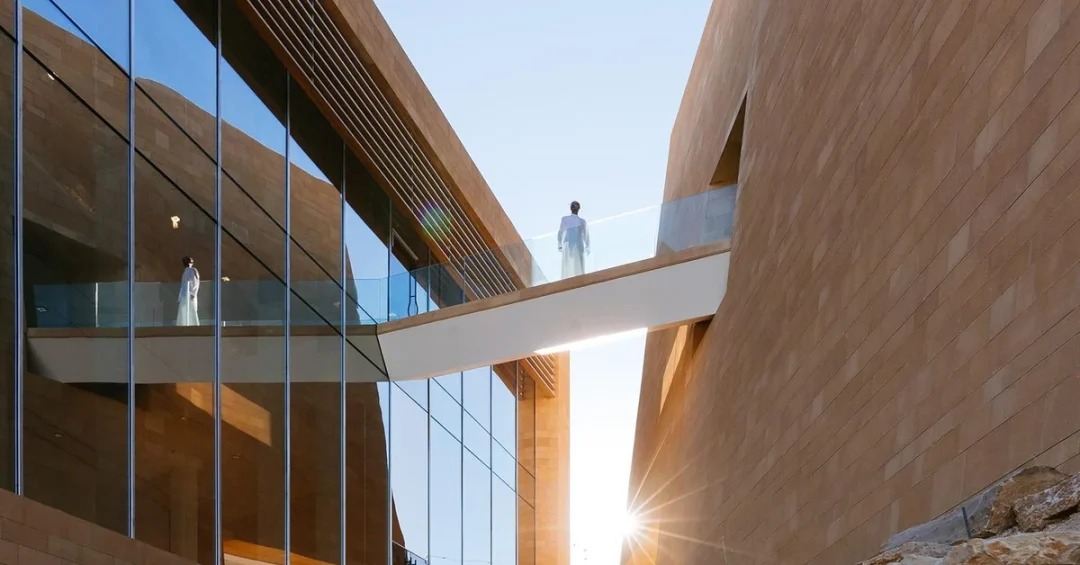
Diriyah Art Futures (DAF), the first New Media Arts hub in the Middle East and North Africa (MENA) region, has announced its inaugural exhibition, “Art Must Be Artificial: Perspectives of AI in the Visual Arts,” running from November 26, 2024, to February 15, 2025, in Diriyah, Riyadh. The exhibition, announced via the Saudi Press Agency, introduces the region to the power and potential of new media and digital art, bringing together more than 30 global and regional artists to explore new forms of creative expression at a critical juncture in technological development.
Curated by the renowned Jérôme Neutres, former director at the Réunion des Musées Nationaux-Grand Palais in Paris, the exhibition presents a sweeping history of computer art from the 1960s to the present day. It features works by iconic regional and international artists, including Saudi talents such as Lulwah Al Homoud, Muhannad Shono, Nasser Alshemimry (DesertFish), and Daniah Al Saleh, whose works range from geometric abstraction and robotic and audiovisual art to digital installations, showcasing the innovative spirit of the Kingdom. Could there be a more fitting moment for Saudi Arabia to host a global conversation about the intersection of art and artificial intelligence?
Context and Background
What does it mean for a nation to invest in the arts at the very moment technology is redefining creativity itself? Diriyah Art Futures, established as the first New Media Arts hub in the MENA region, represents Saudi Arabia’s ambitious commitment to positioning itself at the forefront of cultural and technological innovation. The hub is part of the broader Diriyah Gate project, a massive development initiative aimed at transforming the historic Diriyah area into a world-class cultural and heritage destination. This exhibition marks a significant milestone in the Kingdom’s cultural journey, signaling its intent to lead global conversations about the future of art in the digital age.
The exhibition’s title, “Art Must Be Artificial,” provocatively engages with the evolving relationship between human creativity and computational processes. By presenting a comprehensive history of computer art from the 1960s to today, the exhibition bridges historical pioneers and contemporary visionaries. It explores how algorithms and artificial intelligence are transforming the nature of art creation, from early algorithmic experiments to today’s immersive digital installations. The setting in Saudi Arabia—a country with a young, tech-savvy population—provides a fitting backdrop for this exploration, especially given that the word “algorithm” originates from the Islamic world, adding an intriguing regional connection to the narrative.
The curation by Jérôme Neutres, whose distinguished career includes leadership roles at some of France’s most prestigious cultural institutions, underscores the international significance of this exhibition. His vision brings together a diverse array of artists who collectively represent the evolution of digital art across continents. The participation of Saudi artists alongside global pioneers not only highlights the Kingdom’s growing cultural footprint but also fosters a dialogue that positions Saudi Arabia as a bridge between historical foundations and future possibilities in new media art.
Key Details
Which artists and works will define this landmark exhibition? The roster of more than 30 participants reads like a who’s who of computer and new media art. Saudi contributors include Lulwah Al Homoud, known for her geometric abstractions that blend traditional Islamic patterns with contemporary digital techniques; Muhannad Shono, whose practice spans robotics and audiovisual art; Nasser Alshemimry (DesertFish), whose digital installations explore cultural narratives; and Daniah Al Saleh, who works at the intersection of art and technology. Their inclusion signals the Kingdom’s commitment to nurturing homegrown talent and integrating Saudi voices into global artistic discourse.
Notable MENA artists include VJ Um Amel (Laila Shereen Sakr, Egypt/US) and Haythem Zakaria (Tunisia), whose practices explore the intersections of media, culture, and technology. Internationally acclaimed contributors include Refik Anadol (Turkiye), renowned for his AI-driven data sculptures; Ryoji Ikeda (Japan), known for his immersive sound and visual installations; Miguel Chevalier (Mexico/France), a pioneer in digital and virtual art; and Yang Yongliang (China), whose digital landscapes blend traditional Chinese aesthetics with modern technology. The exhibition also celebrates pioneers such as Frieder Nake (Germany), Vera Molnar (Hungary/France), Harold Cohen (UK), and Manfred Mohr (Germany), who laid the foundations of algorithmic and digital art.
Other prominent names include Peter Kogler (Austria), Elias Crespin (Venezuela), Casey Reas (US), John Gerrard (Ireland), Leonel Moura (Portugal), and Alan Rath (US), whose practices redefine creativity in the digital age. Further enriching the exhibition are the collaborative works of Christa Sommerer and Laurent Mignonneau (Austria/France) and Edmond Couchot and Michel Bret (France), alongside experimental artists like aaajiao (Xu Wenkai, China), Anna Ridler (UK), Yining Fei and Chuck Kuan (China/US), Charles Sandison (UK), and Quayola (Italy). Together, these artists offer a comprehensive exploration of computational and robotic art, bridging history, innovation, and regional narratives. The exhibition will be accompanied by a robust programming schedule including panel discussions, masterclasses, hands-on workshops, performances, and guided tours designed to engage audiences in the dynamic intersection of art and technology.
International and Regional Impact
How will this exhibition reshape the global art landscape and the MENA region’s cultural standing? By hosting an exhibition of this magnitude, Saudi Arabia signals its emergence as a major player in the international art world. The presence of artists from Europe, Asia, the Americas, and the Middle East underscores the exhibition’s global reach and its role in fostering cross-cultural dialogue. For the MENA region, it represents a significant step forward in establishing a vibrant ecosystem for new media art, one that can inspire a new generation of artists and technologists. The exhibition also reinforces Diriyah’s status as a cultural hub, attracting international visitors and positioning the Kingdom as a destination for cutting-edge artistic experiences.
Moreover, the exhibition’s focus on AI and computational art aligns with broader global conversations about the ethical, social, and creative implications of emerging technologies. By providing a platform for these discussions, Saudi Arabia contributes to shaping the narrative around AI’s role in society, emphasizing innovation and cultural exchange. The inclusion of pioneering figures like Frieder Nake and Vera Molnar alongside contemporary AI artists creates a historical continuum that enriches the understanding of how technology has evolved and continues to influence artistic expression. This dialogue between past and present not only educates but also inspires, showcasing the Kingdom’s commitment to fostering intellectual and creative exchange.
Economic and Strategic Significance
What economic and strategic benefits does this exhibition bring to Saudi Arabia and the broader region? Cultural tourism is a key pillar of Saudi Arabia’s economic diversification strategy under Vision 2030. High-profile events like “Art Must Be Artificial” attract international visitors, boost local hospitality and retail sectors, and enhance the Kingdom’s global image as a dynamic, forward-thinking nation. The exhibition also supports the growth of the creative economy, providing opportunities for Saudi artists, curators, and technicians to collaborate with international peers and gain exposure on a global stage. By investing in cultural infrastructure such as Diriyah Art Futures, Saudi Arabia is building an ecosystem that nurtures talent, encourages innovation, and drives sustainable economic growth.
Strategically, the exhibition reinforces Saudi Arabia’s soft power and its role as a bridge between cultures. It demonstrates the Kingdom’s ability to convene global leaders in art and technology, fostering partnerships that extend beyond the exhibition itself. The collaboration with renowned curator Jérôme Neutres and the participation of internationally acclaimed artists signal that Saudi Arabia is open for business and cultural exchange. This aligns with Vision 2030’s goals of increasing international engagement, promoting cultural diplomacy, and positioning the Kingdom as a hub for knowledge and creativity. The exhibition’s timing, coinciding with rapid advancements in AI, further underscores Saudi Arabia’s proactive stance in embracing technological change and shaping its cultural implications.
Vision 2030 Alignment
How does this exhibition embody the aspirations of Saudi Vision 2030? Vision 2030 seeks to diversify the economy, empower youth, and enhance quality of life through cultural and recreational opportunities. Diriyah Art Futures and its inaugural exhibition directly contribute to these objectives by creating a world-class cultural venue, fostering a vibrant arts scene, and engaging a young, tech-savvy population. The exhibition’s emphasis on new media and digital art resonates with the Kingdom’s focus on technology, innovation, and education, inspiring young Saudis to explore careers at the intersection of art and science. By hosting such a landmark event, Saudi Arabia demonstrates its commitment to building a knowledge-based economy and a society that values creativity and cultural expression.
Furthermore, the exhibition’s location in Diriyah, a site of immense historical and cultural significance, symbolizes the harmonious blend of tradition and modernity that defines Vision 2030. As the birthplace of the first Saudi state, Diriyah represents the Kingdom’s rich heritage, while Diriyah Art Futures represents its forward-looking ambitions. This juxtaposition creates a powerful narrative of continuity and transformation, showcasing how Saudi Arabia honors its past while embracing the future. Through initiatives like this, the Kingdom not only enriches its own cultural landscape but also contributes to the global dialogue on art, technology, and society, reinforcing its role as a leader in the 21st century.
In conclusion, the inaugural exhibition at Diriyah Art Futures is more than an art show; it is a statement of Saudi Arabia’s cultural and technological ambitions. By bringing together pioneers and contemporary innovators, the exhibition creates a space for reflection, inspiration, and dialogue. It invites audiences to consider how AI and computational art are reshaping our world and how Saudi Arabia is uniquely positioned to lead these conversations. As the Kingdom continues its journey toward Vision 2030, events like “Art Must Be Artificial” illuminate the path forward, demonstrating the power of culture to unite, educate, and inspire. Tickets and more information are available on the Diriyah Art Futures website at: https://daf.moc.gov.sa/en/.
20 Questions
Q1. What is the name of the inaugural exhibition at Diriyah Art Futures?
A1. The inaugural exhibition is titled “Art Must Be Artificial: Perspectives of AI in the Visual Arts.” It explores the intersection of artificial intelligence and visual arts, featuring over 30 global and regional artists.
Q2. When and where will the exhibition take place?
A2. The exhibition runs from November 26, 2024, to February 15, 2025, in Diriyah, Riyadh, Saudi Arabia. It is hosted at Diriyah Art Futures, the first New Media Arts hub in the MENA region.
Q3. Who is the curator of the exhibition?
A3. The exhibition is curated by Jérôme Neutres, former director at the Réunion des Musées Nationaux-Grand Palais in Paris. He is a renowned figure in the international art world.
Q4. How many artists are participating in the exhibition?
A4. More than 30 global and regional artists are participating. They represent a diverse range of practices, from algorithmic art pioneers to contemporary AI-driven creators.
Q5. Which Saudi artists are featured in the exhibition?
A5. Saudi artists include Lulwah Al Homoud, Muhannad Shono, Nasser Alshemimry (DesertFish), and Daniah Al Saleh. Their works range from geometric abstraction to robotic and audiovisual art.
Q6. What is the historical scope of the exhibition?
A6. The exhibition presents a sweeping history of computer art from the 1960s to the present day. It bridges pioneering algorithmic works with contemporary digital and AI-driven installations.
Q7. Which international pioneers are included?
A7. Pioneers such as Frieder Nake, Vera Molnar, Harold Cohen, and Manfred Mohr are featured. They laid the foundations of algorithmic and digital art.
Q8. What role does Diriyah Art Futures play in the region?
A8. Diriyah Art Futures is the first New Media Arts hub in the MENA region. It aims to foster innovation and cultural exchange in digital and new media art.
Q9. What additional programs accompany the exhibition?
A9. The exhibition includes panel discussions, masterclasses, hands-on workshops, performances, and guided tours. These programs engage audiences with the intersection of art and technology.
Q10. How does the exhibition connect to Saudi Vision 2030?
A10. It supports Vision 2030 by promoting cultural tourism, empowering youth, and fostering a knowledge-based economy. It aligns with goals to diversify the economy and enhance quality of life.
Q11. Why is Saudi Arabia a fitting location for this exhibition?
A11. Saudi Arabia has a young, tech-savvy population and a growing cultural sector. The word “algorithm” originates from the Islamic world, adding a regional connection to the theme.
Q12. What is the significance of the exhibition’s title?
A12. “Art Must Be Artificial” provocatively explores how AI and computation are transforming art creation. It questions the boundaries between human and machine creativity.
Q13. Which MENA artists are participating?
A13. Notable MENA artists include VJ Um Amel (Laila Shereen Sakr, Egypt/US) and Haythem Zakaria (Tunisia). Their practices explore media, culture, and technology intersections.
Q14. What can visitors expect from the exhibition experience?
A14. Visitors can expect immersive digital installations, robotic art, and audiovisual works. The exhibition offers a comprehensive exploration of computational and robotic art.
Q15. How does the exhibition foster international cultural exchange?
A15. It brings together artists from Europe, Asia, the Americas, and the Middle East. This diversity fosters dialogue and cross-cultural understanding in new media art.
Q16. What is the economic impact of such cultural events?
A16. They attract international visitors, boost hospitality and retail sectors, and enhance Saudi Arabia’s global image. They also support the growth of the creative economy.
Q17. Who are some of the internationally acclaimed contributors?
A17. Contributors include Refik Anadol (Turkiye), Ryoji Ikeda (Japan), Miguel Chevalier (Mexico/France), and Yang Yongliang (China). They are known for revolutionary use of AI and data.
Q18. How does the exhibition reflect Saudi Arabia’s cultural ambitions?
A18. It demonstrates the Kingdom’s commitment to leading global conversations in art and technology. It positions Saudi Arabia as a hub for innovation and cultural diplomacy.
Q19. What is the significance of Diriyah as the exhibition venue?
A19. Diriyah is a UNESCO World Heritage site and the birthplace of the first Saudi state. It symbolizes the blend of tradition and modernity central to Vision 2030.
Q20. How can interested individuals learn more or attend?
A20. Tickets and more information are available on the Diriyah Art Futures website at https://daf.moc.gov.sa/en/. The site provides details on the exhibition and public programs.
Reader Feedback
We value your thoughts. Please share your feedback on this article.
Your feedback helps us improve our coverage.
Related articles
 Ministry of Culture Celebrates Yemeni Orchestra in Riyadh
 Fashion Commission Launches Luxury Retail White Paper
 Bilad Al-Sham Concludes Successful Run at Riyadh Season 2024
 Christian Dior ‘Designer of Dreams’ Exhibition Opens in Riyadh
 Saudi Arabia, Japan Sign Cultural Cooperation MoU
 Saudi Culture Minister Meets Japanese Counterpart in Tokyo