


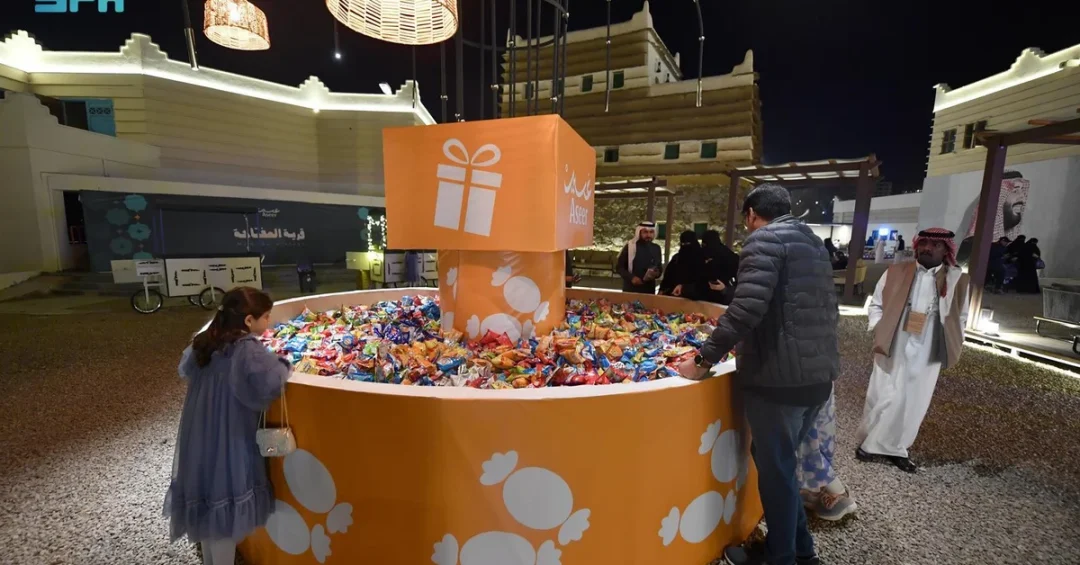
Almuftaha Village in Abha, in the Aseer Region of Saudi Arabia, welcomed exceptionally large crowds during Eid Al-Fitr 2025, transforming the heritage site into a vibrant celebration of art, culture, and community. The Saudi Press Agency reported that the village, known for its traditional architecture and mild highland climate, became a leading Eid destination for families from across the Kingdom. Visitors enjoyed interactive fine arts and Arabic calligraphy workshops, open-air artist exhibitions, and a festive atmosphere that highlighted the artistic traditions of Aseer. The success of the season underscores the growing appeal of Saudi Arabia’s cultural tourism and the Kingdom’s commitment to preserving and promoting its heritage.
Eid Al-Fitr, which marks the end of the holy month of Ramadan, is one of the most significant occasions in the Islamic calendar. In Saudi Arabia, the holiday is celebrated with family gatherings, traditional meals, and community events. This year, Almuftaha Village stood out as a premier destination, offering a unique blend of cultural enrichment and leisure. The village’s narrow alleys, mud-brick structures, and vibrant art scene provided a picturesque backdrop for the festivities. According to official Saudi sources, the influx of visitors exceeded expectations, reflecting the effectiveness of the Kingdom’s efforts to develop domestic tourism and showcase regional identities within the framework of Vision 2030.
Context and Background: Almuftaha Village as a Cultural Beacon
Why has Almuftaha Village become such a magnetic draw for Eid celebrations in Saudi Arabia? Located in the heart of Abha, the capital of Aseer Region, Almuftaha Village is a living museum of traditional Saudi heritage. It was established as a cultural hub where local artists, craftsmen, and performers can showcase their talents. The village features a labyrinth of stone-paved pathways, historic buildings, and open plazas that host exhibitions, workshops, and cultural events throughout the year. Its architecture reflects the distinctive Aseer style, characterized by intricate geometric patterns and multi-story towers. During Eid, these spaces come alive with the sounds of laughter, music, and the aroma of traditional foods, creating an immersive experience for visitors of all ages.
The Aseer Region itself has long been a summer retreat for Saudis, thanks to its moderate climate and stunning mountain scenery. However, in recent years, the region has undergone a cultural renaissance, driven by the Kingdom’s wider push to diversify its economy and promote tourism. Almuftaha Village has been at the forefront of this transformation, hosting a growing number of festivals, art residencies, and educational programs. The Eid festivities are a culmination of these efforts, offering a platform for local artists to engage with the public and for visitors to gain a deeper appreciation of Saudi Arabia’s rich cultural tapestry. The event also aligns with the national strategy to boost domestic tourism, which has seen significant investment in infrastructure, hospitality, and marketing.
Key Details: A Celebration of Art and Community
What exactly made this year’s Eid at Almuftaha Village so special? The program featured a diverse array of activities designed to appeal to all age groups. Interactive fine arts workshops allowed visitors to try their hand at painting, sketching, and mixed-media art under the guidance of professional artists. Arabic calligraphy sessions introduced participants to the elegance and precision of this ancient art form, with many leaving with personalized pieces. Open-air galleries displayed works by local and regional artists, ranging from contemporary abstracts to traditional landscapes. The village’s theaters and performance spaces hosted folk dances, poetry recitals, and musical performances that celebrated Aseer’s cultural heritage.
Families were particularly drawn to the children’s area, which offered storytelling, face painting, and craft activities. Food stalls served a variety of local delicacies, including honey, fresh fruits, and traditional breads, alongside popular Saudi dishes. The pleasant weather, with temperatures significantly cooler than the coastal cities, made strolling through the village a comfortable and enjoyable experience. According to SPA, the atmosphere was one of joy and community spirit, with visitors praising the organization and the variety of offerings. The event also provided an economic boost to local vendors and artisans, many of whom reported strong sales and increased exposure for their work.
International and Regional Impact: Showcasing Saudi Culture to the World
How does a local Eid celebration in Abha resonate on the international stage? The success of the Almuftaha Village festivities is part of a broader narrative of Saudi Arabia’s cultural diplomacy and tourism outreach. As the Kingdom opens up to international visitors through initiatives like the tourist visa program, events that highlight regional heritage play a crucial role in attracting global travelers. Aseer Region, with its unique traditions and natural beauty, is being positioned as a must-visit destination. The Eid celebrations offered a glimpse into authentic Saudi hospitality and creativity, countering stereotypes and fostering cross-cultural understanding. International media and travel influencers have increasingly turned their attention to such events, further amplifying their reach.
Regionally, the event reinforces Saudi Arabia’s leadership in preserving Islamic heritage while embracing modernity. Neighboring Gulf countries also celebrate Eid with public festivities, but Saudi Arabia’s unique blend of religious significance and cultural depth sets it apart. The Kingdom’s ability to host large-scale, family-friendly events in a safe and well-managed environment is a testament to its organizational capacity and social progress. Moreover, the emphasis on art and education aligns with the values of many international partners, opening doors for cultural exchange programs and collaborations. The Almuftaha Village model could be replicated in other regions, creating a network of cultural hubs that celebrate Saudi Arabia’s diversity.
Economic and Strategic Significance: Driving Local Growth
What does the surge in visitors mean for the local economy and Saudi Arabia’s strategic goals? The Eid festivities at Almuftaha Village generated tangible economic benefits for Abha and the surrounding area. Hotels, restaurants, and transportation services experienced high demand, leading to increased revenue and job opportunities. Local artisans and small businesses gained valuable exposure, with many receiving orders for custom pieces long after the event. The success of the season also supports the Kingdom’s goal of increasing domestic tourism spending, a key pillar of Vision 2030. By creating compelling experiences close to home, Saudi Arabia can retain tourism expenditure that might otherwise go abroad, while also attracting international visitors.
Strategically, the event demonstrates the potential of cultural tourism as a driver of economic diversification. The Aseer Development Strategy, part of Vision 2030, aims to transform the region into a year-round destination, with investments in infrastructure, hospitality, and entertainment. Almuftaha Village serves as a flagship project within this strategy, showcasing how heritage can be leveraged for sustainable development. The event also highlights the importance of community engagement and public-private partnerships. By involving local stakeholders in the planning and execution of festivities, the authorities ensure that the benefits are widely shared and that the cultural authenticity is preserved. This approach is expected to be replicated in other regions, creating a nationwide network of cultural and economic activity.
Vision 2030 Alignment: A Future Built on Heritage and Innovation
How does the Eid celebration at Almuftaha Village reflect the aspirations of Saudi Vision 2030? At its core, Vision 2030 seeks to diversify the economy, empower citizens, and enhance quality of life. The Almuftaha Village festivities embody these objectives by promoting cultural tourism, supporting local artists, and providing family-friendly entertainment. The event also aligns with the Quality of Life Program, which aims to increase cultural and recreational opportunities across the Kingdom. By investing in heritage sites and cultural events, Saudi Arabia is not only preserving its identity but also creating new economic opportunities and strengthening social cohesion.
Looking ahead, the success of this year’s Eid celebrations is expected to pave the way for even more ambitious events. The Royal Commission for Aseer Development, in collaboration with the Ministry of Culture and the Saudi Tourism Authority, is planning a series of festivals and programs that will further elevate the region’s profile. These initiatives will create jobs, attract investment, and showcase Saudi Arabia’s rich cultural heritage to the world. As the Kingdom continues its journey toward a brighter future, places like Almuftaha Village will remain vital spaces where tradition and modernity intersect, offering unforgettable experiences for visitors and pride for the nation.
20 Questions
Q1. What is Almuftaha Village?
A1. Almuftaha Village is a cultural and heritage site in Abha, Aseer Region, Saudi Arabia. It features traditional architecture, art galleries, and workshops, serving as a hub for local artists and a popular destination for tourists and families.
Q2. Where is Abha located?
A2. Abha is the capital city of Aseer Region in southwestern Saudi Arabia. It is known for its mild climate, mountainous terrain, and rich cultural heritage, making it a favored summer retreat and tourist destination.
Q3. What Eid was celebrated at Almuftaha Village?
A3. The village hosted celebrations for Eid Al-Fitr, which marks the end of Ramadan. The event drew large crowds with activities like art workshops, calligraphy, and cultural performances.
Q4. What activities were available at the Eid festivities?
A4. Activities included interactive fine arts workshops, Arabic calligraphy sessions, open-air art exhibitions, folk dances, poetry recitals, children’s activities, and food stalls offering local delicacies.
Q5. Why did Almuftaha Village attract such large crowds?
A5. The village offered a unique blend of cultural enrichment, family-friendly entertainment, and a pleasant climate. Its heritage ambiance and diverse activities appealed to visitors from across Saudi Arabia.
Q6. How does the event support local artists?
A6. Local artists exhibited and sold their work, engaged with the public, and led workshops. This exposure helps them gain recognition and income, contributing to the sustainability of the local art scene.
Q7. What is the significance of Arabic calligraphy in Saudi culture?
A7. Arabic calligraphy is a revered art form that reflects the beauty of the Arabic language and Islamic heritage. Workshops at the village helped preserve and promote this tradition among new generations.
Q8. How does the event align with Vision 2030?
A8. It supports Vision 2030 by promoting cultural tourism, diversifying the economy, creating jobs, and enhancing quality of life. It also showcases Saudi heritage to international audiences.
Q9. What economic benefits did the event bring?
A9. The event boosted local businesses, hotels, restaurants, and transportation. Artisans and vendors saw increased sales, and the region gained visibility as a tourist destination.
Q10. Is Almuftaha Village open year-round?
A10. Yes, Almuftaha Village operates throughout the year, hosting various cultural events, exhibitions, and workshops. Eid is one of its busiest periods.
Q11. What makes Aseer Region unique?
A11. Aseer Region is known for its stunning mountain landscapes, moderate climate, and distinct cultural traditions, including unique architecture, music, and cuisine. It is a key part of Saudi Arabia’s tourism strategy.
Q12. How did the Saudi Press Agency cover the event?
A12. The Saudi Press Agency reported that the village drew large crowds, highlighting the heritage ambiance, art workshops, and community-focused atmosphere. It emphasized the event’s success in attracting families.
Q13. What role does the Royal Commission for Aseer Development play?
A13. The commission oversees the development of Aseer Region, including cultural and tourism projects. It supports events like the Eid festivities to boost the local economy and preserve heritage.
Q14. How does the event promote domestic tourism?
A14. By offering a compelling cultural experience within Saudi Arabia, the event encourages citizens and residents to explore their own country, reducing outbound tourism and boosting local spending.
Q15. What is the significance of Eid Al-Fitr in Saudi Arabia?
A15. Eid Al-Fitr is a major religious holiday celebrated with prayers, family gatherings, feasts, and community events. It is a time of joy, charity, and reflection after Ramadan.
Q16. Were there any international visitors?
A16. While specific numbers were not provided, the event attracted a diverse mix of visitors, including international tourists interested in Saudi culture. The Kingdom’s tourist visa facilitates such visits.
Q17. How does the event reflect Saudi hospitality?
A17. The warm welcome, organization, and variety of activities showcased traditional Saudi hospitality. Visitors were treated to local cuisine, art, and entertainment in a friendly, safe environment.
Q18. What future plans exist for Almuftaha Village?
A18. Authorities plan to expand cultural programming, improve infrastructure, and host more events. The village will remain a key part of Aseer’s tourism strategy, attracting more visitors year-round.
Q19. How can tourists visit Almuftaha Village?
A19. Tourists can visit by obtaining a Saudi tourist visa and traveling to Abha. The village is easily accessible and offers guided tours, workshops, and cultural experiences for all ages.
Q20. What makes this Eid celebration a model for other regions?
A20. Its success in blending heritage, art, and community engagement provides a blueprint for other regions. It demonstrates how cultural events can drive tourism, support local economies, and align with Vision 2030 goals.
Reader Feedback
We value your thoughts. Please share your feedback on this article.
Your feedback helps us improve our coverage.
Related articles
 King Salman Academy Launches Arabic Language Month in Spain
 Over 50,000 Attend Al-Baha Eid Al-Fitr Celebrations
 Saudi Theater Tour Brings “Baher” to Four Cities
 KSGAAL Conference 2025: Scientific Paper Submissions Close
 Jazan Celebrates Eid Al-Fitr with Folklore Arts
 Makkah Deputy Governor Inaugurates ‘The Love of Khaled Al-Faisal’ Exhibition