


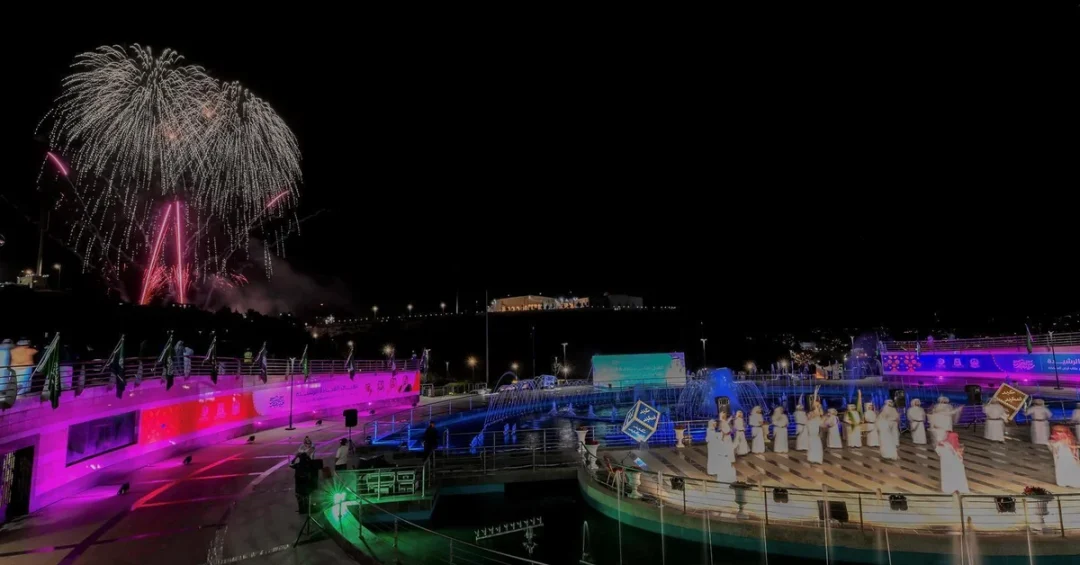
More than 50,000 citizens, residents, and tourists attended Eid Al-Fitr celebrations organized by Al-Baha Municipality across the region, drawing the Kingdom’s three-day national holiday festivities to a close, the Saudi Press Agency reported. The programme, which concluded yesterday, delivered more than 55 separate events in cities and governorates throughout Al-Baha and welcomed families, young people, the elderly, and people with disabilities, reflecting the municipality’s commitment to inclusive public celebration. The scale of attendance underscores how Saudi Arabia’s Eid calendar has become a genuinely nationwide occasion, uniting residents and international visitors in shared cultural experience. With the Kingdom investing heavily in domestic tourism, heritage programming, and quality-of-life initiatives under Vision 2030, Al-Baha’s turnout offers a clear signal that regional celebrations can draw significant audiences when they are thoughtfully designed and well promoted. The municipality confirmed the figures through official channels, adding that planning for the programme began well before the holiday.
The celebrations formed part of the wider national Eid Al-Fitr programme coordinated across Saudi regions, positioning Al-Baha alongside major cities in delivering public entertainment that honours the Kingdom’s traditions. Located in the southwest of Saudi Arabia, Al-Baha is known for its mountainous terrain, agricultural heritage, and distinctive folk arts, and the municipality deliberately built the programme around those strengths. Officials said the events were structured to serve all segments of society rather than a single demographic, an approach that appears to have contributed to the strong attendance. The result was a holiday period that blended entertainment with cultural education, offering visitors a window into the region’s identity while giving local families a safe and welcoming environment in which to mark the occasion.
Context and Background
Why has Eid Al-Fitr become such a significant moment in Saudi Arabia’s public calendar? The holiday follows the holy month of Ramadan and traditionally brings families and communities together for prayer, feasting, and leisure, and in recent years the Kingdom has expanded its official celebrations into structured municipal programmes spanning every region. Al-Baha Municipality’s contribution to that effort was built around a three-day schedule of activities that ran in parallel with nationwide events, allowing the region to participate fully in the national mood of celebration. The municipality’s leadership, including Mayor of Al-Baha Region Dr. Ali bin Muhammad Al-Sawat, described the programme as a deliberate effort to reflect local culture while meeting modern expectations for family entertainment.
The region’s geography and heritage shaped the content of the celebrations. Al-Baha sits in the Sarawat mountains and is celebrated for its cool climate, terraced farms, and traditions that differ from those of the major metropolitan centres. Municipal planners used that distinctiveness as an asset, weaving folk performance and heritage displays into the programme rather than importing generic entertainment formats. The approach aligns with a broader national emphasis on regional tourism and cultural preservation, in which each area of the Kingdom is encouraged to present its own story. For visitors unfamiliar with the southwest, the Eid programme offered an accessible introduction to a part of Saudi Arabia that is increasingly featured in domestic travel itineraries.
Background to the celebrations also includes the Kingdom’s evolving approach to public space and community events. Municipalities now routinely plan holiday programming that combines recreation with services such as volunteer coordination and support for people with disabilities, reflecting a more inclusive model of civic life. Al-Baha’s programme fits that template, and its reported attendance suggests the model resonates with the public. The municipality’s decision to publish detailed figures through official channels also reflects a wider trend toward transparency in how public entities report on community initiatives and their outcomes.
Key Details of the Al-Baha Programme
What exactly did the three-day programme include? According to the municipality, more than 55 diverse events were organized across the region’s cities and governorates, covering traditional folk performances, fireworks displays, children’s theatre, and family product festivals. Gifts were distributed at prominent locations, with 3,000 presents handed out at sites including Raghadan Park and the Al-Hawiyah walkway, two of the region’s best-known public spaces. The variety was intentional: organisers said the schedule was designed to cater to children, youth, the elderly, and people with disabilities, ensuring that no group was excluded from the holiday experience.
Volunteering formed a central pillar of the programme. The municipality provided 32 volunteer opportunities, and 1,018 male and female volunteers took part in delivering the events. That level of participation matters beyond logistics, because it demonstrates the strength of civic engagement in the region and gives residents a direct stake in the success of public celebrations. Volunteers supported crowd management, guided families to activities, assisted elderly visitors, and helped distribute gifts, among other roles. Their involvement also reflects national efforts to expand volunteering as a component of social development and community cohesion.
Cultural and heritage identity ran through the programme’s design. Folk performances highlighted the region’s musical and dance traditions, while family product festivals gave local producers and artisans a platform to reach holiday crowds. By combining entertainment with commerce and heritage, the municipality created an environment where visitors could enjoy the holiday while learning about Al-Baha’s distinctive character. Officials said this focus on identity was a priority from the planning stage, and the attendance figures suggest the public responded positively to programming that felt rooted in place rather than generic.
Fireworks displays and children’s theatre provided the headline attractions for families, while the distribution of gifts added a festive dimension that appealed particularly to younger visitors. The municipality reported that the events were spread across multiple locations rather than concentrated in a single venue, which helped manage crowds and extended the celebrations to communities across the region. That decentralised approach is consistent with efforts to ensure that the benefits of public investment in entertainment reach beyond a single urban centre.
International and Regional Impact
How do celebrations in a single Saudi region connect to the Kingdom’s wider international profile? Saudi Arabia’s holiday programming has become part of the country’s public diplomacy, offering visitors from abroad a direct experience of Saudi hospitality, culture, and organisational capacity. The presence of tourists among the 50,000-plus attendees in Al-Baha illustrates how domestic celebrations now serve international audiences as well, particularly as the Kingdom’s tourism visa framework makes it easier for travellers to explore regions beyond the major cities. For visitors, events of this kind provide structured, family-friendly opportunities to engage with local traditions.
Regionally, the coordination of Eid activities across Saudi governorates demonstrates the administrative reach of municipal authorities and their ability to deliver large-scale public programmes simultaneously. Neighbouring countries in the Gulf and wider Middle East also mark Eid with public events, and the Saudi model, which combines heritage, entertainment, and volunteer mobilisation, offers a reference point for how such celebrations can be organised at scale. Within the Kingdom, the Al-Baha programme reinforced the sense of a shared national occasion, with each region contributing its own character to the overall holiday experience.
Economic and Strategic Significance
What economic value do regional celebrations generate? Large public gatherings stimulate local commerce, from hospitality and food service to retail and transport, and family product festivals give small businesses and artisans access to concentrated audiences of potential customers. The distribution of 3,000 gifts also supported commercial activity through procurement, while the presence of tourists added spending that benefits the regional economy. Beyond the immediate holiday period, successful events enhance a region’s reputation as a destination, encouraging repeat visits and word-of-mouth promotion that can extend economic benefits across seasons.
Strategically, the Al-Baha programme reflects the Kingdom’s emphasis on balanced regional development. National planning frameworks encourage investment and activity outside the largest metropolitan areas, and municipal events that draw tens of thousands of participants help build the visitor infrastructure, skills, and confidence needed to sustain that goal. The mobilisation of more than a thousand volunteers also builds social capital, creating a pool of experienced individuals who can support future initiatives. In combination, these factors contribute to the diversification of local economies and the strengthening of community institutions.
Vision 2030 Alignment
How does a regional Eid celebration connect to Saudi Arabia’s long-term transformation? Vision 2030 places quality of life, cultural preservation, and the growth of domestic and international tourism among its central objectives, and municipal programmes like Al-Baha’s translate those ambitions into tangible experiences for residents and visitors. The emphasis on heritage performance and family product festivals supports the goal of celebrating Saudi culture while creating economic opportunities for local producers. The inclusive design of the programme, which accounted for children, youth, the elderly, and people with disabilities, reflects the vision’s commitment to a society in which all can participate fully.
The volunteer component similarly aligns with national efforts to expand civic participation and develop human capability. By offering 32 organised volunteer opportunities and engaging 1,018 volunteers, the municipality provided practical experience in event delivery, crowd management, and community service, skills that contribute to the Kingdom’s broader human capital objectives. As Saudi Arabia continues to invest in tourism infrastructure and regional development, celebrations such as those in Al-Baha serve as both a showcase and a testing ground, demonstrating what can be achieved when cultural identity, public service, and economic opportunity are brought together. The strong attendance recorded this Eid suggests the approach is working, and it points toward an expanded role for regional events in the Kingdom’s ongoing transformation.
20 Questions
Q1. How many people attended Al-Baha Municipality’s Eid Al-Fitr celebrations?
A1. More than 50,000 attendees took part, including citizens, residents, and tourists from within the Kingdom and abroad. The figure covers the full three-day programme held across the region in conjunction with nationwide Eid events.
Q2. How many events were organized during the celebration?
A2. Al-Baha Municipality organized more than 55 diverse events in cities and governorates across the region. These included folk performances, fireworks, children’s theatre, family product festivals, and gift distributions at major public locations.
Q3. Who is the Mayor of Al-Baha Region?
A3. Dr. Ali bin Muhammad Al-Sawat serves as Mayor of Al-Baha Region. He stated that the events were designed to serve all segments of society and to highlight the region’s rich cultural and heritage identity.
Q4. Where were gifts distributed during the celebrations?
A4. Gifts were distributed at prominent locations including Raghadan Park and the Al-Hawiyah walkway. In total, 3,000 gifts were handed out to visitors as part of the festive programme.
Q5. How many volunteers participated in the Eid events?
A5. A total of 1,018 male and female volunteers participated in the celebrations. They filled 32 volunteer opportunities, supporting activities such as crowd management, family assistance, and gift distribution.
Q6. What types of entertainment were offered to families?
A6. The programme featured traditional folk performances, fireworks displays, children’s theatre, and family product festivals. These activities were spread across multiple locations to serve different communities and age groups.
Q7. How long did the Eid Al-Fitr celebrations last in Al-Baha?
A7. The celebrations ran for three days and concluded yesterday, according to the Saudi Press Agency. The schedule was aligned with the Kingdom’s nationwide Eid events held across all regions.
Q8. Were people with disabilities included in the celebrations?
A8. Yes. The municipality designed the events to cater to all segments of society, including children, youth, the elderly, and people with disabilities. Accessibility and inclusion were priorities in the planning process.
Q9. What role did cultural heritage play in the programme?
A9. Cultural heritage was a central focus. Folk performances and family product festivals highlighted Al-Baha’s traditions, giving visitors an opportunity to experience the region’s distinctive identity during the holiday period.
Q10. Which official body organized the celebrations?
A10. Al-Baha Municipality organized the celebrations under the leadership of Mayor Dr. Ali bin Muhammad Al-Sawat. The municipality coordinated the programme across the region’s cities and governorates.
Q11. How did the celebrations support local businesses?
A11. Family product festivals gave local producers and artisans a platform to reach holiday crowds. Large gatherings also supported hospitality, retail, and transport activity, generating economic benefits for the region during the Eid period.
Q12. What is the significance of Raghadan Park in the celebrations?
A12. Raghadan Park served as one of the main locations for gift distribution and public activities. It is a well-known gathering place in the region and helped attract families to the festive programme.
Q13. Did tourists attend the Al-Baha Eid events?
A13. Yes. The municipality reported that attendees included citizens, residents, and tourists. The presence of visitors reflects growing interest in exploring Saudi regions beyond the major metropolitan centres.
Q14. How does the event reflect Saudi Arabia’s Vision 2030?
A14. The celebrations support Vision 2030 goals related to quality of life, cultural preservation, tourism growth, and community participation. They also create economic opportunities for local producers and volunteers.
Q15. What volunteer opportunities were available?
A15. The municipality offered 32 volunteer opportunities covering roles such as event support, visitor guidance, and assistance for elderly attendees. More than a thousand volunteers took part across the three-day programme.
Q16. Why were the events spread across multiple locations?
A16. Spreading events across cities and governorates allowed more communities to participate and helped manage crowds. It also ensured that the benefits of the celebrations reached residents beyond a single urban centre.
Q17. What message did the mayor share about the celebrations?
A17. Mayor Dr. Ali bin Muhammad Al-Sawat said the events were designed for all segments of society and focused on highlighting Al-Baha’s cultural and heritage identity. He noted the broad participation across the region.
Q18. How do such events benefit Saudi Arabia’s domestic tourism?
A18. Well-organized regional celebrations enhance a destination’s reputation and encourage repeat visits. They give travellers reasons to explore areas such as Al-Baha, supporting the Kingdom’s efforts to expand domestic tourism.
Q19. What made the Al-Baha programme distinctive?
A19. The programme combined heritage performances, family entertainment, and volunteer mobilisation in a way that reflected the region’s identity. Its inclusive design and multiple locations set it apart from standard holiday events.
Q20. What does the attendance figure indicate about future events?
A20. The strong turnout suggests public demand for well-designed regional celebrations. It points toward an expanded role for municipal programmes in the Kingdom’s holiday calendar and cultural tourism strategy.
Reader Feedback
We value your thoughts. Please share your feedback on this article.
Your feedback helps us improve our coverage.
Related articles
 Saudi Theater Tour Brings “Baher” to Four Cities
 KSGAAL Conference 2025: Scientific Paper Submissions Close
 Jazan Celebrates Eid Al-Fitr with Folklore Arts
 Makkah Deputy Governor Inaugurates ‘The Love of Khaled Al-Faisal’ Exhibition
 Saudi Arabia Concludes Bologna Book Fair 2025 Participation
 Al-Baha Theater Tour Exhibition Draws Strong Public Turnout