


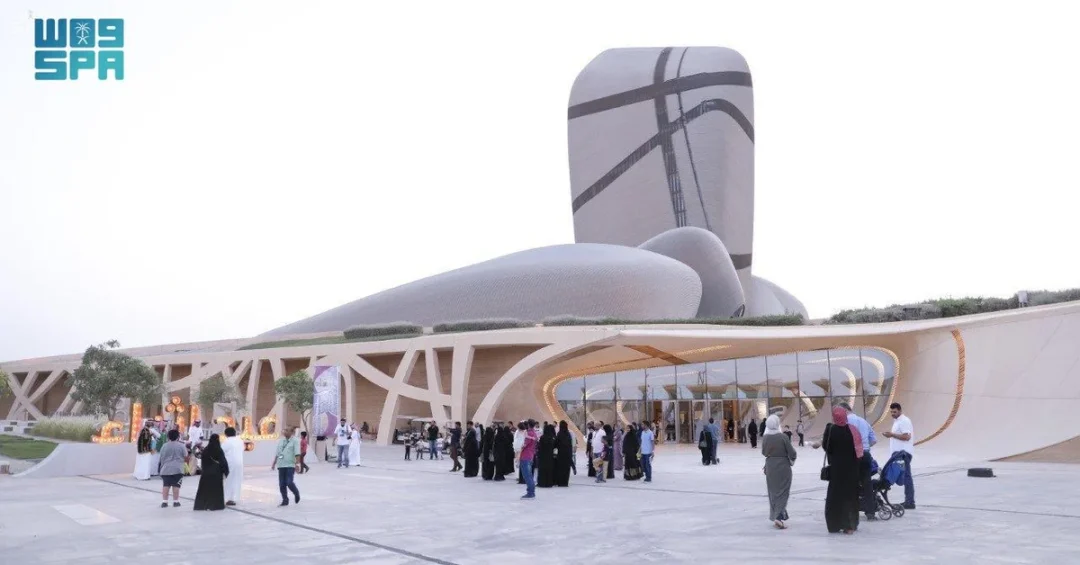
The King Abdulaziz Center for World Culture (Ithra) in Dhahran welcomed more than 100,000 visitors over three days during Eid, according to an official announcement carried by the Saudi Press Agency (SPA), confirming the venue’s growing role as a flagship destination for cultural and family entertainment in the Kingdom. The milestone, reported on April 6, 2025, reflects the scale of public engagement with Ithra’s carefully curated Eid program, which combined live performances, interactive workshops, cinematic screenings, and educational experiences across its galleries, gardens, and exhibition spaces. The three-day celebration drew families from across the Eastern Province and beyond, underscoring the appetite for high-quality cultural programming during major national holidays. For a center that opened in 2016 as a beacon of Saudi Arabia’s cultural transformation, the turnout is both a validation of its mission and a signal of how far the Kingdom’s entertainment and cultural sectors have advanced under Vision 2030.
The visitor total places Ithra’s Eid festivities among the most attended cultural events in Saudi Arabia this year, reinforcing the Eastern Province’s status as a vibrant hub for arts, science, and community life. The programming was designed to appeal to every age group, from toddlers engaging with the Children’s Museum to adults enjoying musical performances that fused video game soundtracks with live piano and guitar. According to SPA, the atmosphere was so immersive that many attendees described the experience as turning the spirit of Eid into “a beautiful painting.” That sentiment captures the broader ambition behind Ithra’s work: to make culture an accessible, joyful, and unifying part of everyday Saudi life. But what does a single holiday weekend at one cultural center tell us about the direction of the Kingdom’s creative economy?
Context and Background
How did a cultural center in Dhahran become one of the most visited destinations in Saudi Arabia during Eid? The answer lies in Ithra’s origins and its evolution since opening. Established by Saudi Aramco and inaugurated in 2016, the King Abdulaziz Center for World Culture was conceived as a catalyst for the Kingdom’s cultural renaissance. Its name, Ithra, means “enrichment” in Arabic, and its mandate spans knowledge, creativity, and cross-cultural exchange. Over the years, it has hosted major exhibitions, theatrical productions, film festivals, and educational programs that serve tens of thousands of visitors annually. The center’s architecture alone, a striking cluster of pebble-like forms designed by the Norwegian firm Snøhetta, has become a landmark of modern Saudi design. Yet it is the programming that keeps people coming back, especially during festive periods like Eid.
The Eid program reported by SPA was not a one-off event but part of a sustained strategy to position Ithra as a year-round cultural engine. The three-day celebration featured a diverse lineup: the Children’s Museum captivated young audiences with performances and interactive exhibits; children designed personalized “Eid in a Bag” creations, choosing their own colors and patterns; the “World Table” workshop introduced participants to foods from different cultures; and other highlights included “The Scent of Eid,” “Eid Riddles,” a “Balloon Art” workshop, and the imaginative show “What If I Were the Sky.” These activities were spread across multiple venues, including the Ithra Gardens’ play area, where family-friendly performances like “Between the Clouds” and “Between Memories” drew consistent crowds. The Energy Exhibit also proved popular, with hands-on activities such as “Let’s Fly with Science,” “Fun Without Corners,” and “What Does the Light Hide?” The sheer variety reflects a sophisticated understanding of audience segmentation, ensuring that every visitor, regardless of age or interest, found something to engage with.
This approach aligns with a broader shift in Saudi Arabia’s cultural landscape. Since the launch of Vision 2030 in 2016, the Kingdom has invested heavily in entertainment, arts, and tourism infrastructure, creating new spaces for public participation and creative expression. The General Entertainment Authority, the Ministry of Culture, and entities like Ithra have collaborated to expand the calendar of events, from Riyadh Season to Jeddah’s cultural festivals. In this context, Ithra’s Eid success is not an isolated achievement but part of a national momentum. The fact that over 100,000 people chose to spend their holiday at a cultural center speaks to a changing social dynamic, where cultural enrichment is increasingly seen as a desirable leisure activity. How often does a single venue manage to bridge generational gaps so effectively?
Key Details
What exactly did visitors experience during those three days? According to the official SPA report, the programming was divided into distinct zones, each with its own thematic focus. The Children’s Museum was a hub of creativity, where young visitors engaged in designing personalized “Eid in a Bag” creations, selecting their own colors and patterns. This hands-on activity encouraged self-expression and fine motor skills while tying into the festive theme. The “World Table” workshop offered a cultural exchange through food, introducing participants to dishes from different cultures, a subtle but powerful way to foster global awareness among Saudi youth. Other highlights included “The Scent of Eid,” which likely explored traditional fragrances associated with the holiday, and “Eid Riddles,” a playful cognitive challenge for families. The “Balloon Art” workshop added a whimsical touch, while the show “What If I Were the Sky” sparked imagination through storytelling and performance.
Outdoors, the Ithra Gardens’ play area hosted family-friendly performances such as “Between the Clouds” and “Between Memories,” creating a relaxed, communal atmosphere. The Energy Exhibit drew an enthusiastic crowd with hands-on activities like “Let’s Fly with Science,” “Fun Without Corners,” and “What Does the Light Hide?” These activities blended entertainment with STEM learning, a hallmark of Ithra’s educational philosophy. The festivities concluded with cinematic screenings and musical performances, including a standout show that blended video game music with live piano and guitar. This fusion of contemporary digital culture with classical instrumentation appealed to younger audiences while demonstrating the versatility of live performance. The report noted that many attendees described the overall experience as turning the spirit of Eid into “a beautiful painting,” a poetic summation of the visual and emotional richness of the event.
The scale of attendance, over 100,000 visitors in three days, required significant logistical coordination. Ithra’s team managed crowd flow, scheduled overlapping events, and ensured that safety and comfort standards were met. The center’s facilities, including multiple galleries, a cinema, a library, and outdoor spaces, were fully utilized. The diversity of programming also meant that visitors could customize their experience, spending hours exploring different zones. This level of engagement is a testament to the quality of curation and the public’s willingness to embrace cultural offerings during holidays. What does this say about the future of cultural tourism in Saudi Arabia?
International and Regional Impact
How does Ithra’s Eid success resonate beyond Saudi borders? For international observers, the event showcases the Kingdom’s commitment to cultural diplomacy and soft power. By hosting events that celebrate both Saudi heritage and global cultures, Ithra positions Saudi Arabia as a welcoming, open society that values cross-cultural exchange. The “World Table” workshop, for instance, introduced participants to international cuisines, subtly promoting tolerance and curiosity. The musical fusion of video game music with live instruments signals a willingness to engage with global pop culture while maintaining local traditions. Such initiatives align with Vision 2030’s goal of increasing international engagement and attracting visitors. In a region often defined by geopolitical tensions, cultural events like these offer a counter-narrative of creativity and coexistence.
Regionally, the high attendance underscores the Eastern Province’s growing importance as a cultural destination. Dhahran, home to Saudi Aramco and a large expatriate community, has long been a cosmopolitan enclave. Ithra’s programming leverages this diversity, creating an environment where Saudi families and international residents can share experiences. This social cohesion is valuable in a rapidly changing society. Moreover, the event’s success may encourage other cultural institutions in the Gulf to invest in similar holiday programming. Competitors like the Louvre Abu Dhabi and Qatar’s Museum of Islamic Art have also ramped up their family offerings, but Ithra’s blend of science, art, and play gives it a distinct edge. Could this model be replicated in other Saudi cities, from Riyadh to Jeddah?
Economic and Strategic Significance
What economic value does a cultural event of this magnitude generate? While Ithra does not charge admission for many of its activities, the influx of 100,000 visitors over three days stimulates local businesses, from restaurants and cafes to hotels and transport services. The Eastern Province benefits from increased foot traffic, and the event reinforces Dhahran’s appeal as a leisure destination. More broadly, the cultural sector is a key pillar of Vision 2030’s economic diversification strategy. By 2030, Saudi Arabia aims to increase the cultural sector’s contribution to GDP and create thousands of jobs in arts, entertainment, and tourism. Ithra’s ability to draw large crowds demonstrates that demand exists and that investments in cultural infrastructure can yield tangible returns. The center itself employs hundreds of staff and collaborates with local artists, performers, and educators, creating a creative ecosystem.
Strategically, the event supports the Kingdom’s goal of improving quality of life for citizens and residents. Vision 2030’s Quality of Life Program seeks to enhance leisure opportunities and promote cultural participation. Ithra’s Eid festivities directly contribute to this objective by offering safe, family-friendly, and enriching activities during a major holiday. The positive feedback from attendees, captured in the SPA report, indicates high satisfaction levels. This, in turn, strengthens social stability and national pride. Furthermore, the event’s media coverage, including by SPA and international outlets, amplifies Saudi Arabia’s image as a modern, dynamic nation. The strategic significance extends to soft power: cultural diplomacy can build goodwill and attract tourists, students, and investors. How many other sectors can boast such multifaceted returns?
Vision 2030 Alignment
How does Ithra’s Eid programming embody the aspirations of Vision 2030? At its core, Vision 2030 is about transforming Saudi society and economy, with culture and entertainment as central pillars. Ithra, as a flagship initiative, directly supports several Vision 2030 objectives: enriching cultural life, empowering youth, promoting education, and fostering international engagement. The Children’s Museum and STEM activities align with the Human Capability Development Program, which aims to equip young Saudis with skills for the future. The focus on family-friendly entertainment supports the Quality of Life Program. And the integration of global cultural elements reflects the Kingdom’s openness to the world. By welcoming over 100,000 visitors, Ithra demonstrates that these programs are not abstract policies but lived realities that resonate with the public.
Looking ahead, the success of this Eid celebration sets a high bar for future events. Ithra is likely to build on this momentum, expanding its programming and perhaps introducing new formats. The center’s role as a cultural beacon will only grow as Saudi Arabia continues its transformation. For international audiences, the message is clear: the Kingdom is investing in its people’s happiness and creativity, and the results are visible. As Saudi Arabia marches toward 2030, cultural institutions like Ithra will remain at the forefront, turning vision into experience and enriching lives one event at a time. The Eid weekend was not just a holiday celebration; it was a glimpse of the nation’s future, vibrant, inclusive, and culturally confident.
20 Questions
Q1. What is Ithra and where is it located?
A1. Ithra is the King Abdulaziz Center for World Culture, located in Dhahran, Saudi Arabia. It was established by Saudi Aramco and opened in 2016 as a hub for culture, knowledge, and creativity.
Q2. How many visitors did Ithra welcome during the Eid celebrations?
A2. According to the Saudi Press Agency, Ithra welcomed more than 100,000 visitors over three days during the Eid festivities, reflecting strong public engagement with its cultural programming.
Q3. What were some of the main attractions at Ithra’s Eid event?
A3. Highlights included the Children’s Museum, “Eid in a Bag” workshops, the “World Table” food experience, “The Scent of Eid,” “Eid Riddles,” “Balloon Art,” and the show “What If I Were the Sky.”
Q4. What activities were available at the Energy Exhibit?
A4. The Energy Exhibit offered hands-on activities such as “Let’s Fly with Science,” “Fun Without Corners,” and “What Does the Light Hide?” These blended entertainment with STEM learning for all ages.
Q5. How did the festivities conclude?
A5. The event wrapped up with cinematic screenings and musical performances, including a standout show that blended video game music with live piano and guitar, delighting audiences.
Q6. What did attendees say about the overall experience?
A6. Many attendees described Ithra’s programming as turning the spirit of Eid into “a beautiful painting,” capturing the visual and emotional richness of the three-day celebration.
Q7. Why is Ithra significant for Saudi Arabia’s cultural landscape?
A7. Ithra serves as a flagship cultural institution that promotes creativity, cross-cultural exchange, and education, aligning with Vision 2030’s goals to enrich society and diversify the economy.
Q8. How does the event support Vision 2030?
A8. The event supports Vision 2030 by enhancing quality of life, fostering cultural participation, empowering youth through educational activities, and showcasing Saudi Arabia’s openness to global cultures.
Q9. What is the “World Table” workshop?
A9. The “World Table” workshop introduced participants to foods from different cultures, promoting cultural awareness and appreciation through culinary exploration in a family-friendly setting.
Q10. What was the “Eid in a Bag” activity?
A10. In this activity, children designed personalized “Eid in a Bag” creations, selecting their own colors and patterns, which encouraged creativity and self-expression during the holiday.
Q11. Where did the outdoor performances take place?
A11. Family-friendly performances like “Between the Clouds” and “Between Memories” were held at the Ithra Gardens’ play area, providing a relaxed and communal atmosphere for visitors.
Q12. What makes Ithra’s architecture notable?
A12. Ithra’s striking architecture, designed by the Norwegian firm Snøhetta, features a cluster of pebble-like forms that have become a landmark of modern Saudi design in Dhahran.
Q13. How does Ithra contribute to the local economy?
A13. Ithra stimulates the local economy by attracting visitors to Dhahran, supporting nearby businesses such as restaurants, hotels, and transport services, and creating jobs in the cultural sector.
Q14. What is the significance of the 100,000 visitor milestone?
A14. The milestone demonstrates the strong public demand for cultural and entertainment activities in Saudi Arabia and validates investments in cultural infrastructure under Vision 2030.
Q15. How does Ithra engage children?
A15. Ithra engages children through the Children’s Museum, interactive workshops, educational shows, and hands-on STEM activities that make learning fun and inspire curiosity.
Q16. What role does Saudi Aramco play in Ithra?
A16. Saudi Aramco established Ithra as part of its corporate social responsibility initiatives. The center reflects Aramco’s commitment to supporting culture, education, and community development in the Kingdom.
Q17. Are there similar cultural events elsewhere in Saudi Arabia?
A17. Yes, Saudi Arabia hosts numerous cultural events across cities like Riyadh, Jeddah, and AlUla, often coordinated by the Ministry of Culture and the General Entertainment Authority.
Q18. What is the Energy Exhibit’s educational goal?
A18. The Energy Exhibit aims to teach scientific principles through interactive play, sparking interest in STEM fields among young visitors and supporting human capability development.
Q19. How does Ithra promote cross-cultural understanding?
A19. Ithra promotes cross-cultural understanding by hosting workshops like “World Table,” inviting international artists, and presenting global music and performances that celebrate diversity.
Q20. What can we expect from Ithra in the future?
A20. Ithra is expected to continue expanding its programming, building on the success of events like the Eid celebration to further enrich Saudi Arabia’s cultural landscape and support Vision 2030.
Reader Feedback
We value your thoughts. Please share your feedback on this article.
Your feedback helps us improve our coverage.
Related articles
 Art Week Riyadh Debuts with Global Art and Culture
 Art Week Riyadh Marks Qualitative Shift in Saudi Culture
 Ithra Showcases Art Collection for First Time at Art Week Riyadh
 GEA Launches ‘Your Passport To The World’ in Al-Khobar and Jeddah
 21 Short Films to Compete at Saudi Film Festival in Dhahran
 Cultural Development Fund at Art Week Riyadh: Unlocking Opportunities