


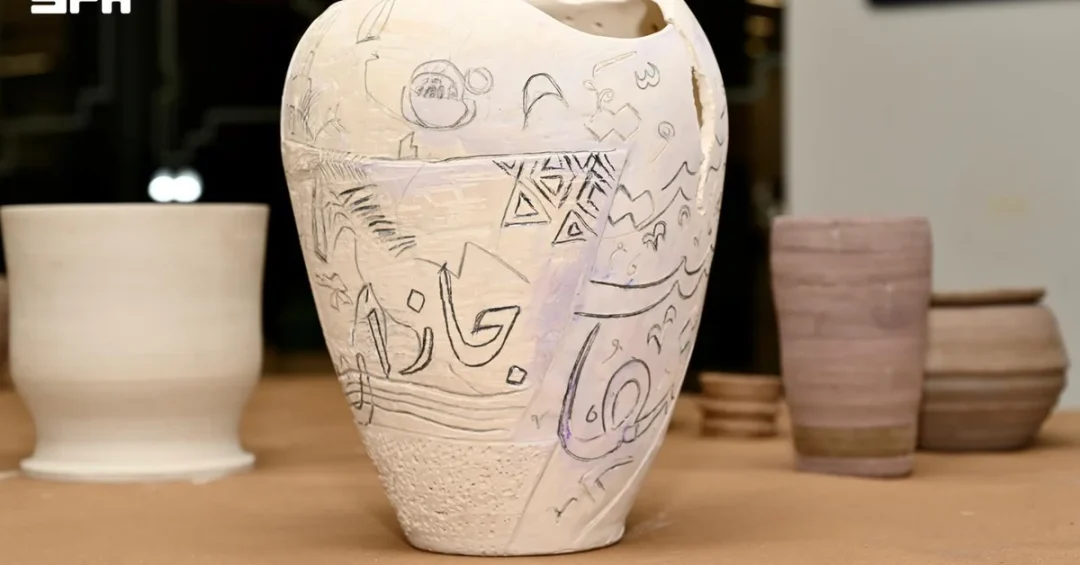
Pottery-making in Jazan Region remains a vibrant expression of Saudi cultural identity, with artisans transforming locally sourced red clay into essential household items that have served generations, according to the Saudi Press Agency (SPA). The craft, which includes the Jarrah for water, the Mifa traditional oven for cooking, and the Jabnah clay coffee pot, continues to be practiced in workshops and popular markets across the region, even as modern cookware has reduced its everyday use. These vessels are not merely functional objects; they are living artifacts of a heritage that connects the present to centuries of practical knowledge and craftsmanship.
For international observers, Jazan’s pottery offers a window into how Saudi Arabia is preserving its cultural heritage while embracing modernization under Vision 2030. The region, located in the southwest of the Kingdom, has long been known for its agricultural richness and artisan traditions. The continued production of clay items—ranging from water jugs to roasting utensils—demonstrates a deliberate effort to keep ancestral skills alive. As the Kingdom invests in cultural tourism and creative industries, Jazan’s pottery serves as a case study in how local traditions can be both safeguarded and adapted for contemporary audiences.
Context and Background
How did a craft rooted in the daily needs of desert and agricultural life evolve into a symbol of cultural resilience? Pottery in Jazan has historically been an integral part of everyday life, with artisans using locally sourced red clay to create vessels for cooking, storage, cooling water, and preparing coffee. The Jarrah, a large water jar, was designed to keep water cool through natural evaporation. The Mifa, a traditional oven, was used for baking bread and cooking meals. The Jabnah, a clay coffee pot, played a central role in the hospitality rituals that define Saudi culture. These items were not just tools; they were companions in the rhythms of daily existence.
The craft involves several meticulous steps: extracting the clay, preparing it by removing impurities, kneading it to the right consistency, shaping it by hand or on a wheel, drying it in the sun, and finally firing it in a kiln. Each stage requires skill passed down through generations. According to SPA, this process reflects generations of practical knowledge and craftsmanship. The knowledge is often held by families who have practiced pottery for decades, and their techniques have been refined over time to suit the local climate and available materials. The red clay of Jazan, rich in minerals, gives the finished products a distinctive color and durability.
Although the use of traditional pottery has declined due to modern cookware, workshops and popular markets continue to preserve this art form. In recent years, contemporary ceramic techniques have introduced new possibilities by blending Jazan’s heritage with modern artistic designs. This fusion has attracted attention from younger Saudis and international visitors alike, who see in these objects a connection to authenticity and sustainability. The decline in everyday use has not meant the death of the craft; instead, it has opened space for artistic innovation and cultural entrepreneurship.
Key Details
What specific initiatives are ensuring that Jazan’s pottery skills are not lost to time? Training initiatives, including workshops held in 2025 and 2026, have helped pass these skills on to new generations. These workshops, often organized in collaboration with local cultural authorities and artisans, provide hands-on instruction in traditional techniques while encouraging experimentation with modern forms. Participants learn not only how to shape clay but also how to source materials responsibly and how to market their products to a broader audience. The workshops are part of a wider effort to document and revitalize intangible cultural heritage across the Kingdom.
The range of products made today extends beyond the traditional Jarrah, Mifa, and Jabnah. Artisans now create decorative plates, tiles, and sculptural pieces that appeal to collectors and interior designers. Some have begun using gas kilns and electric wheels, which allow for greater precision and faster production, while others remain committed to open-air firing methods that give each piece a unique character. This diversity of approach ensures that the craft remains dynamic. The SPA report notes that pottery from Jazan remains a vibrant expression of cultural identity, connecting tradition, creativity, and sustainable craftsmanship.
Popular markets in Jazan, such as those in the city of Jazan and surrounding villages, serve as important venues for potters to sell their wares. These markets are not just commercial spaces; they are cultural hubs where visitors can watch demonstrations, learn about the history of the craft, and purchase authentic handmade items. For international tourists, these markets offer an immersive experience that complements visits to the region’s natural attractions, including the Farasan Islands and the Asir mountains. The presence of pottery in these markets helps sustain demand and provides income for artisan families.
International and Regional Impact
How does a local craft like Jazan’s pottery resonate on the global stage? In an era when mass-produced goods dominate, handmade ceramics from Saudi Arabia are gaining recognition for their authenticity and eco-friendly production methods. International buyers and galleries have shown interest in Middle Eastern pottery that tells a story of place and people. Jazan’s red clay, with its unique mineral composition, produces colors and textures that cannot be replicated by industrial processes. This uniqueness positions the craft as a potential export product, aligning with Saudi Arabia’s efforts to diversify its economy beyond oil.
Regionally, Jazan shares pottery traditions with neighboring regions in Yemen and the broader Arabian Peninsula, but it has developed its own distinct styles. The exchange of ideas across borders has historically enriched the craft, and today, Saudi artisans sometimes collaborate with international ceramicists. Such collaborations bring new techniques and perspectives while helping to promote Saudi culture abroad. The SPA report highlights that contemporary ceramic techniques have introduced new possibilities, suggesting that the craft is open to global influences without losing its identity.
Economic and Strategic Significance
What economic opportunities does the pottery sector offer for Jazan and the Kingdom? As Saudi Arabia seeks to boost non-oil revenue, creative industries like pottery can contribute to local economies. Small and medium-sized enterprises (SMEs) focused on handmade goods create jobs, support tourism, and generate export income. The Saudi Ministry of Culture and the Ministry of Tourism have launched programs to support artisans, including grants, training, and marketing assistance. These efforts are part of a broader strategy to develop cultural tourism, which attracts visitors interested in heritage, crafts, and authentic experiences.
Strategically, preserving pottery aligns with Vision 2030’s goal of promoting Saudi culture and enhancing quality of life. The craft also supports sustainable development by using locally sourced clay and traditional firing methods that have a lower carbon footprint than some modern manufacturing processes. Moreover, pottery workshops often employ women and youth, contributing to social inclusion and economic empowerment. By investing in heritage crafts, Saudi Arabia is not only preserving its past but also building a diversified and resilient future.
Vision 2030 Alignment
How does Jazan’s pottery fit into the grand vision of a modern, culturally rich Saudi Arabia? Vision 2030 emphasizes the importance of preserving national identity while embracing progress. The pottery of Jazan embodies this balance: it is rooted in tradition yet open to innovation. The workshops held in 2025 and 2026 are a direct manifestation of the Vision’s human capital development goals, equipping young Saudis with skills that connect them to their heritage and provide economic opportunities. The craft also supports the Vision’s tourism objectives by offering visitors a tangible connection to Saudi culture.
As Saudi Arabia continues its transformation, the artisans of Jazan will play a role in shaping the Kingdom’s cultural narrative. Their work is a reminder that modernization does not require the abandonment of tradition; instead, the two can reinforce each other. The SPA report underscores that pottery from Jazan remains a vibrant expression of cultural identity, connecting tradition, creativity, and sustainable craftsmanship. This is a story of resilience and adaptation, and it is one that will continue to inspire both Saudis and the world.
20 Questions
Q1. What is the significance of pottery-making in Jazan Region?
A1. Pottery-making in Jazan is an integral part of everyday life and cultural heritage, with artisans creating essential household items from local red clay. It reflects generations of practical knowledge and craftsmanship, serving as a vibrant expression of Saudi cultural identity.
Q2. What are some traditional pottery items made in Jazan?
A2. Traditional items include the Jarrah for water, the Mifa (traditional oven) for cooking, and the Jabnah, a clay coffee pot, along with clay cups and roasting utensils. These vessels were designed for specific daily functions.
Q3. What steps are involved in making pottery in Jazan?
A3. The process involves extracting, preparing, kneading, shaping, drying, and firing the clay. Each step requires skill and knowledge passed down through generations, reflecting the region’s rich artisan heritage.
Q4. Why has the use of traditional pottery declined?
A4. The decline is due to the widespread adoption of modern cookware and containers, which are often more convenient. However, workshops and markets continue to preserve the craft, and contemporary techniques have introduced new possibilities.
Q5. How are training initiatives helping to preserve the craft?
A5. Workshops held in 2025 and 2026 have helped pass pottery skills to new generations. These initiatives provide hands-on training and encourage innovation, ensuring the craft remains vibrant and relevant.
Q6. What role do popular markets play in sustaining pottery?
A6. Popular markets provide venues for artisans to sell their wares and for visitors to learn about the craft. They serve as cultural hubs that sustain demand and generate income for artisan families.
Q7. How has contemporary ceramic technique influenced Jazan pottery?
A7. Contemporary techniques have introduced new artistic designs and production methods, blending Jazan’s heritage with modern creativity. This fusion attracts younger artisans and international audiences, keeping the craft dynamic.
Q8. What makes Jazan’s red clay unique?
A8. The locally sourced red clay is rich in minerals, giving finished products a distinctive color and durability. Its unique composition cannot be easily replicated by industrial processes, adding to the craft’s authenticity.
Q9. How does pottery contribute to Saudi Arabia’s economy?
A9. Pottery supports SMEs, creates jobs, and generates export income. It also boosts cultural tourism, aligning with Vision 2030’s goals to diversify the economy beyond oil and develop creative industries.
Q10. What is the international appeal of Jazan pottery?
A10. International buyers value its authenticity and eco-friendly production. Handmade ceramics from Jazan tell a story of place and people, appealing to those seeking unique, sustainable products with cultural significance.
Q11. How does pottery align with Vision 2030?
A11. Pottery aligns with Vision 2030 by preserving cultural heritage, supporting tourism, and empowering youth and women through skills training. It embodies the balance between tradition and modernization that the Vision promotes.
Q12. Are there any government programs supporting pottery artisans?
A12. Yes, the Ministry of Culture and Ministry of Tourism offer grants, training, and marketing assistance. These programs are part of a broader strategy to develop cultural tourism and support creative industries.
Q13. How does pottery-making promote sustainability?
A13. It uses locally sourced clay and traditional firing methods with a lower carbon footprint. The craft emphasizes sustainable craftsmanship, reducing reliance on mass-produced goods and supporting environmental responsibility.
Q14. What challenges does the pottery industry face?
A14. Challenges include competition from modern cookware and the need to attract younger generations. However, training initiatives and market demand are helping to overcome these obstacles and sustain the craft.
Q15. How can visitors experience Jazan pottery?
A15. Visitors can explore popular markets in Jazan, watch demonstrations, and purchase authentic items. Some workshops offer hands-on experiences, allowing tourists to engage directly with the craft and its artisans.
Q16. What is the historical significance of the Jabnah?
A16. The Jabnah is a clay coffee pot central to Saudi hospitality rituals. It symbolizes generosity and tradition, playing a key role in preparing and serving Arabic coffee, a staple of social gatherings.
Q17. How are young Saudis getting involved in pottery?
A17. Through workshops and training programs, young Saudis learn traditional techniques and modern designs. This engagement fosters cultural pride and creates economic opportunities in the creative sector.
Q18. What role does SPA play in reporting on Jazan pottery?
A18. The Saudi Press Agency (SPA) provides official coverage of cultural heritage, highlighting the importance of pottery in Jazan. Its reports inform the public and support efforts to preserve traditional crafts.
Q19. How does pottery reflect Saudi cultural identity?
A19. Pottery embodies Saudi cultural identity by connecting tradition, creativity, and sustainable craftsmanship. It reflects the values of hospitality, resourcefulness, and artistic expression that are central to Saudi society.
Q20. What is the future outlook for Jazan pottery?
A20. The future looks promising as contemporary techniques, training initiatives, and market demand sustain the craft. It will continue to be a vibrant expression of cultural identity, contributing to Vision 2030’s cultural and economic goals.
Reader Feedback
We value your thoughts. Please share your feedback on this article.
Your feedback helps us improve our coverage.
Related articles
 Saudi Pavilion Unveils Public Program at Venice Biennale
 Tarjim Initiative, Saudi Comics Draw Crowds at Algiers Book Fair
 Saudi Panel Explores Poetry’s Role in National Identity at Algiers Fair
 Khan Al-Khalil Collectibles Keep Old Jeddah’s Memory Alive
 Two Falcons Sell for SAR388,000 on 17th Night of National Center for Falcons Auction 2026
 Saudi Culture Minister Visits Algiers Book Fair Pavilion