


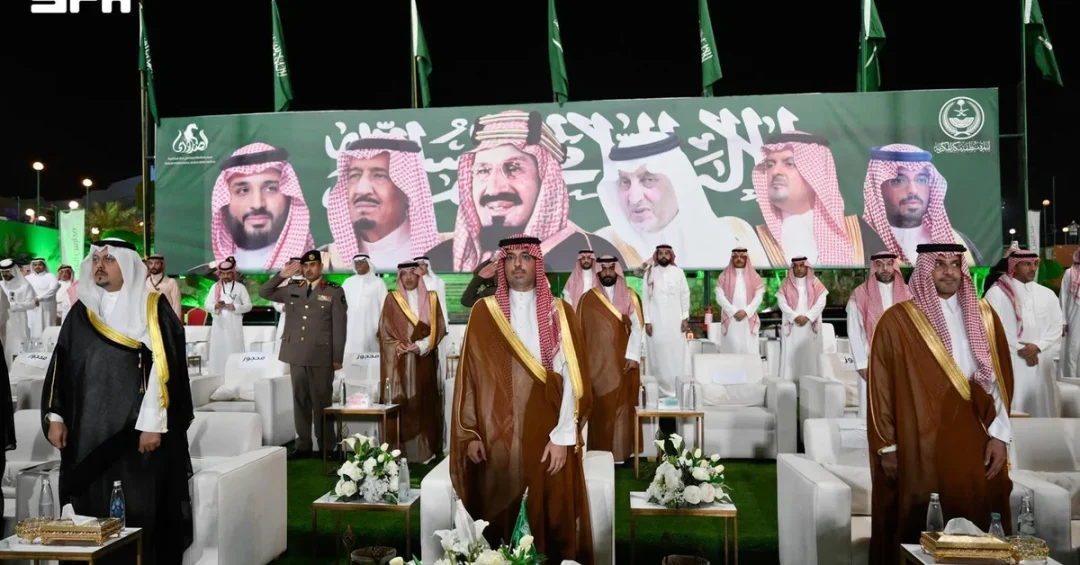
Jeddah Governor Prince Saud bin Abdullah bin Jalawi attended the closing ceremony of the 17th Makkah Region International Arabian Horse Beauty Festival (Class A), held under the patronage of Deputy Governor of Makkah Region Prince Saud bin Mishaal bin Abdulaziz, according to the Saudi Press Agency. The event, staged on the Governor’s behalf, brought together approximately 310 Arabian horses from several of the Kingdom’s leading local stables, underscoring the enduring heritage status of purebred Arabian horses and reinforcing Saudi Arabia’s commitment to equestrian sport. The closing ceremony drew dignitaries, breeders, and equestrian enthusiasts, cementing the festival’s reputation as one of the region’s most anticipated cultural and sporting occasions.
Held in the Makkah Region, the festival represents far more than a single competition. It is a celebration of an animal woven deeply into the fabric of Arabian identity, and a platform that connects the Kingdom’s pastoral traditions with its modern ambitions. Why does a horse festival resonate so powerfully in a country racing toward a technology-driven future? The answer lies in the way Saudi Arabia treats heritage not as a relic, but as a living asset — one that informs tourism, sport, and national pride alike. The 17th edition, classified as Class A, signals the high standing of the competition within international Arabian horse circles.
Context and Background
The Arabian horse occupies a singular place in the history of the Arabian Peninsula. For centuries, Bedouin communities bred these animals for endurance, intelligence, and beauty, developing bloodlines that would ultimately shape equestrian traditions across the world. What makes the purebred Arabian horse such a potent symbol of the region’s identity? Its lineage is a record of the desert itself — of patience, resilience, and a deep bond between people and their environment. Festivals such as the Makkah Region International Arabian Horse Beauty Festival exist to preserve and honor that record, evaluating horses on conformation and elegance while celebrating the breeders who maintain the bloodlines.
The Makkah Region has long served as a cultural crossroads, welcoming pilgrims and visitors from across the globe. Hosting a Class A festival of this caliber in such a setting positions the event at the intersection of heritage and hospitality. The participation of roughly 310 horses from leading local stables demonstrates the depth of Saudi Arabia’s breeding community and the seriousness with which owners approach these competitions. Each entry reflects years of careful stewardship, and the festival provides a stage on which that dedication is recognized before knowledgeable judges and an appreciative public.
The patronage arrangement itself carries weight. The Deputy Governor of Makkah Region, Prince Saud bin Mishaal bin Abdulaziz, extended his patronage, while Jeddah Governor Prince Saud bin Abdullah bin Jalawi attended the closing on his behalf — a structure that reflects the Saudi leadership’s consistent attention to cultural and sporting institutions. Is it coincidental that senior officials so regularly lend their presence to such gatherings? Far from it. Their engagement signals that heritage preservation is a national priority, formally supported at the highest levels of regional governance and aligned with the Kingdom’s broader cultural strategy.
Key Details and the Festival Format
According to the Saudi Press Agency, the 17th edition featured approximately 310 Arabian horses from a range of prominent local stables. The Class A designation is significant within the competitive circuit, denoting a tier of competition that attracts serious breeders and well-prepared animals. Horses are assessed on the beauty and balance of their conformation, the quality of their movement, and the refinement that distinguishes the finest purebreds. How does a competition of this kind raise standards across an entire industry? By rewarding careful breeding and expert presentation, it creates benchmarks that owners and stables strive to meet, lifting quality throughout the sector.
The closing ceremony provided an opportunity to recognize the achievements of participating stables and to celebrate the animals that had performed at the highest level across the festival. The presence of Prince Saud bin Abdullah bin Jalawi, attending on behalf of the Deputy Governor, lent the occasion an official distinction that reflects the festival’s standing. Such recognition matters to breeders: it validates their craft and encourages continued investment in the preservation of purebred lines.
The event also served as a gathering point for the equestrian community — breeders, trainers, judges, and enthusiasts — reinforcing networks that sustain the industry. These connections are not trivial. They facilitate the exchange of expertise, the sharing of bloodlines, and the kind of collaboration that keeps a specialized field vibrant. In a country as large and ambitious as Saudi Arabia, such community-building forms an essential part of how traditional pursuits remain relevant to new generations who might otherwise be drawn exclusively to modern pastimes.
Beyond the competition itself, the festival promoted awareness of the Arabian horse’s heritage among attendees and the wider public. Visitors had the chance to appreciate these animals up close, an experience that often deepens appreciation for the breeding traditions behind them. Does the value of a festival lie only in the prizes awarded? No — much of its worth is measured in the audiences it reaches and the curiosity it sparks, particularly among young people who represent the future custodians of these traditions.
International and Regional Impact
The Makkah Region International Arabian Horse Beauty Festival positions Saudi Arabia within a global network of Arabian horse enthusiasts and breeding organizations. Class A status places the event on a competitive calendar that spans continents, where breeders from Europe, the Middle East, and beyond pursue excellence in purebred lines that trace back to the Arabian Peninsula. Saudi stables, by competing and performing well at this tier, contribute to the Kingdom’s reputation as a guardian of the breed’s origins. How does a regional festival project influence on a global stage? By maintaining high judging standards and attracting serious competitors, it earns credibility that resonates far beyond its immediate audience.
The participation of leading local stables also highlights the strength of the domestic sector. These operations invest in veterinary care, nutrition, training, and facilities — investments that create employment and support allied industries. On the regional level, the festival strengthens Makkah’s identity as a destination for culture and sport, complementing its spiritual significance. Visitors who travel to the region for such events contribute to the local economy, and the media coverage generated by official attendance amplifies that effect. In a competitive international environment for cultural tourism, distinctive events like this one give the Kingdom an edge.
Economic and Strategic Significance
Equestrian sport and heritage events form part of a broader economic ecosystem in Saudi Arabia. The Arabian horse sector supports breeders, trainers, veterinarians, and event organizers, while generating demand for equipment, facilities, and services. A festival drawing hundreds of horses and their teams creates measurable economic activity in the host region. But the strategic significance extends beyond direct spending. Can heritage industries coexist with, and even accelerate, modern economic transformation? They can — and Saudi Arabia is demonstrating how, by treating cultural assets as economic ones, capable of generating tourism revenue and international attention.
The Kingdom’s wider push to develop sports and entertainment has made events like this festival increasingly central to its economic strategy. By integrating heritage competitions into a diversified entertainment calendar, Saudi Arabia captures spending that might otherwise flow abroad and creates a distinctive proposition for international visitors. The festival’s Class A status, its official patronage, and its setting in the Makkah Region together produce an event that is both authentically rooted and commercially meaningful — a combination that few destinations can match and that strengthens the Kingdom’s hand in a competitive regional market.
Vision 2030 Alignment
The festival aligns closely with the cultural and quality-of-life objectives of Vision 2030, Saudi Arabia’s long-term national transformation strategy. Vision 2030 places significant emphasis on celebrating national heritage, supporting cultural and sporting events, and enhancing quality of life for citizens and residents. By honoring the purebred Arabian horse — a living emblem of the Kingdom’s identity — the event advances these goals in tangible form. Does a horse beauty festival really contribute to a national development strategy? It does, because it safeguards heritage, supports a specialized industry, and draws audiences to the Makkah Region, all of which the strategy explicitly seeks to encourage.
Looking ahead, the continued success of the Makkah Region International Arabian Horse Beauty Festival reflects the Kingdom’s broader determination to be a global leader in preserving and promoting Arabian horse heritage. Each edition builds on the last, strengthening the sector, expanding its reach, and deepening public engagement with traditions that define the nation. As Saudi Arabia advances toward 2030, events like this one demonstrate that progress and heritage are not opposing forces but complementary parts of a single national journey — one that honors the past while building a confident, outward-looking future.
20 Questions
Q1. What event did the Jeddah Governor attend?
A1. Jeddah Governor Prince Saud bin Abdullah bin Jalawi attended the closing ceremony of the 17th Makkah Region International Arabian Horse Beauty Festival, a Class A competition held in the Makkah Region of Saudi Arabia.
Q2. Under whose patronage was the festival held?
A2. The festival was held under the patronage of Deputy Governor of Makkah Region Prince Saud bin Mishaal bin Abdulaziz, with the Jeddah Governor attending the closing ceremony on his behalf.
Q3. How many horses participated in the festival?
A3. Approximately 310 Arabian horses took part in the festival, representing several leading local stables from across the Kingdom, according to the Saudi Press Agency.
Q4. What is the significance of the Class A designation?
A4. The Class A designation denotes a high tier of competition within the Arabian horse circuit, attracting serious breeders and well-prepared animals and reflecting the festival’s elevated standing.
Q5. Which horses participated in the festival?
A5. The festival featured purebred Arabian horses drawn from several leading local stables, highlighting the depth of Saudi Arabia’s breeding community and its commitment to preserving the breed.
Q6. Why is the Arabian horse important to Saudi heritage?
A6. The Arabian horse has been central to Arabian Peninsula identity for centuries, bred by Bedouin communities for endurance, intelligence, and beauty, and its bloodlines have shaped equestrian traditions worldwide.
Q7. Where was the festival held?
A7. The festival was held in the Makkah Region, a culturally significant area that serves as a crossroads for pilgrims and visitors from around the world throughout the year.
Q8. Who attended the closing ceremony?
A8. The closing ceremony was attended by Prince Saud bin Abdullah bin Jalawi, the Governor of Jeddah, along with dignitaries, breeders, and equestrian enthusiasts who gathered to celebrate the event.
Q9. What does the festival celebrate?
A9. The festival celebrates the historical and heritage status of purebred Arabian horses, evaluating their beauty and conformation while honoring the breeders who maintain the bloodlines.
Q10. How does the festival support equestrian sports?
A10. By rewarding careful breeding and expert presentation, the festival sets benchmarks that raise standards across the equestrian sector and supports the industry’s continued development.
Q11. How many editions of the festival have been held?
A11. The event was the 17th edition of the Makkah Region International Arabian Horse Beauty Festival, reflecting a long and established tradition of competition in the region.
Q12. Which agency reported on the festival?
A12. The Saudi Press Agency, the Kingdom’s official news authority, reported on the closing ceremony and the participation of approximately 310 Arabian horses from leading local stables.
Q13. Why do senior officials attend such events?
A13. Their engagement signals that heritage preservation is a national priority, formally supported at the highest levels of regional governance and aligned with the Kingdom’s cultural strategy.
Q14. What economic activity does the festival generate?
A14. The festival supports breeders, trainers, veterinarians, and event organizers, while generating demand for equipment, facilities, and services in the host region of Makkah.
Q15. How does the festival connect to tourism?
A15. By attracting visitors and media attention to the Makkah Region, the festival strengthens the area’s identity as a destination for culture and sport, complementing its spiritual significance.
Q16. How does the festival help young people?
A16. The event promotes awareness of the Arabian horse’s heritage among young people, sparking curiosity and helping ensure that future generations remain connected to these traditions.
Q17. What role do local stables play?
A17. Leading local stables invest in veterinary care, nutrition, training, and facilities, sustaining the industry and demonstrating the Kingdom’s breeding expertise before knowledgeable judges.
Q18. How does the festival align with Vision 2030?
A18. The event advances Vision 2030’s goals of celebrating national heritage, supporting cultural and sporting events, and enhancing quality of life for citizens and residents of the Kingdom.
Q19. What does the festival mean for Saudi Arabia’s global standing?
A19. By maintaining high judging standards and attracting serious competitors, the festival earns credibility internationally and reinforces the Kingdom’s reputation as a guardian of the breed’s origins.
Q20. What is the outlook for future editions?
A20. Each edition builds on the last, strengthening the sector and expanding its reach, ensuring the festival continues to honor Saudi heritage while contributing to the Kingdom’s national journey toward 2030.
Reader Feedback
We value your thoughts. Please share your feedback on this article.
Your feedback helps us improve our coverage.
Related articles
 Historic Makkah Wooden Doors: A Legacy of Artisanal Carpentry
 Three Falcons Sold for SAR520,000 at 23rd National Auction
 TPAC Events Draw 1,200 Visitors on First Day in Riyadh
 17th Makkah Arabian Horse Festival Continues in Jeddah
 Saudi-Pakistani Visual Arts Exhibition “Wahid” Opens in Jeddah
 Traditional Wooden Cooling Tray: Icon of Saudi Generosity