


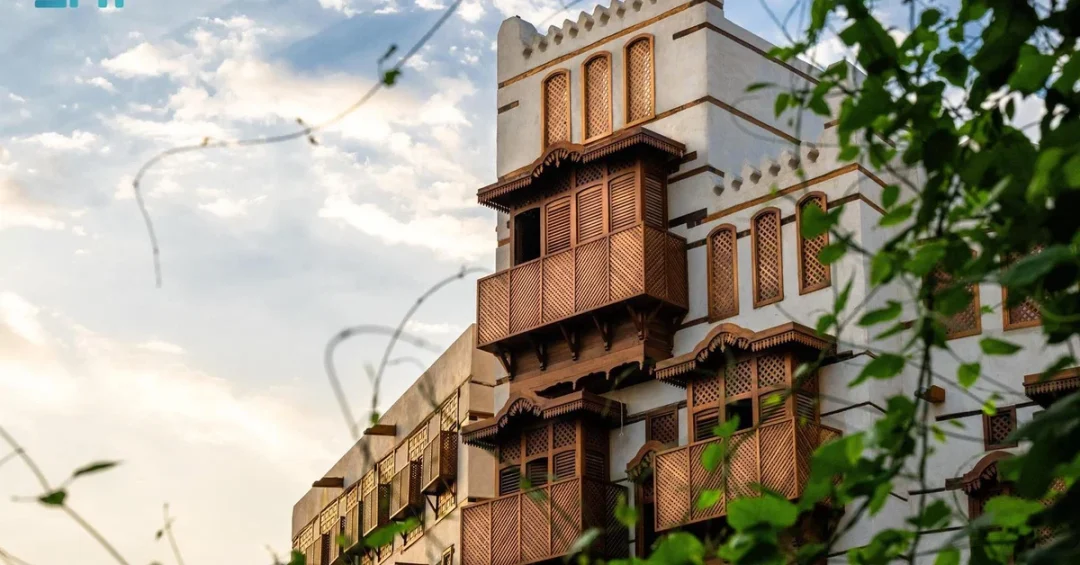
The Jeddah Historic District program, operating under the supervision of the Ministry of Culture, is marking the tenth anniversary of the district’s inscription as a UNESCO World Heritage Site. The milestone comes as the program continues its ambitious efforts to revive the area, preserve its cultural and urban heritage, and transform it into a global heritage destination in line with Saudi Arabia’s Vision 2030.
Context and Background
Located on the Red Sea coast, the Jeddah Historic District, known locally as Al-Balad, spans 2.5 square kilometers and is celebrated for its unique architectural features, urban layout, and rich cultural heritage. Since the seventh century, it has served as a significant port for pilgrims travelling to Makkah and as a crucial hub for global trade between Asia and Africa, fostering cultural and economic exchange. The district’s inclusion on the UNESCO World Heritage List in 2014 was based on its fulfilment of three key criteria: its significance in facilitating the exchange of human values over time, its status as a prominent example of architectural style and technology reflecting significant stages in human history, and its association with living traditions, ideas, beliefs, and works of art and literature of exceptional global importance.
The tenth anniversary is not only a moment of celebration but also a reaffirmation of Saudi Arabia’s commitment to preserving its heritage while embracing modernization. Under the supervision of the Ministry of Culture, the Jeddah Historic District program has been at the forefront of efforts to rehabilitate the area, ensuring that its historical fabric is maintained while adapting it for contemporary use.
Key Details
The Jeddah Historic District encompasses more than 650 heritage buildings, five historical main markets, several historical mosques, and one historical school. These structures stand as testaments to the district’s storied past and its role as a melting pot of cultures. The program’s ongoing initiatives include restoration projects, infrastructure improvements, and the promotion of cultural activities that highlight the district’s unique identity.
According to the program, the anniversary serves as an opportunity to reflect on the progress made and to outline future plans. “The district is not just a relic of the past but a living, breathing part of Jeddah’s present and future,” a program representative stated. “Our work is focused on creating a vibrant destination that honours its heritage while offering modern amenities and experiences for visitors from around the world.”
Over the past decade, the program has successfully restored numerous buildings, improved public spaces, and enhanced the visitor experience through the introduction of guided tours, cultural festivals, and educational programs. These efforts have not only preserved the district’s authenticity but also contributed to its economic vitality by attracting tourists and supporting local businesses.
Implications and Impact
The revitalization of the Jeddah Historic District has significant implications for Saudi Arabia’s tourism and cultural sectors. As the Kingdom opens up to international visitors under Vision 2030, heritage sites like Al-Balad play a pivotal role in showcasing Saudi Arabia’s rich history and cultural diversity. The district’s recognition by UNESCO has elevated its profile globally, drawing attention from travellers and scholars alike.
Moreover, the district’s development aligns with broader economic diversification goals. By transforming the area into a global heritage destination, the program is helping to create jobs, stimulate local entrepreneurship, and boost the Kingdom’s non-oil economy. The influx of tourists also supports ancillary industries such as hospitality, retail, and transportation, contributing to the overall growth of Jeddah and the surrounding region.
Internationally, the Jeddah Historic District serves as a model for heritage conservation and sustainable urban development. Its success demonstrates how historical areas can be integrated into modern urban life without compromising their integrity. This approach resonates with global efforts to protect cultural heritage while fostering economic development, positioning Saudi Arabia as a leader in this field.
Vision 2030 Alignment
The tenth anniversary of the Jeddah Historic District’s UNESCO designation underscores the Kingdom’s unwavering commitment to preserving its cultural heritage as part of Vision 2030. By revitalizing this historic area, Saudi Arabia is not only honouring its past but also building a bridge to a prosperous future. The district’s transformation into a global heritage destination exemplifies how Vision 2030 aims to enrich the quality of life for citizens and visitors, diversify the economy, and strengthen the Kingdom’s role on the world stage. As the program looks ahead to the next decade, it will continue to play a vital role in realizing these ambitions, ensuring that the Jeddah Historic District remains a beacon of cultural pride and a testament to Saudi Arabia’s enduring legacy.
20 Questions
Q1. What is the Jeddah Historic District?
A1. The Jeddah Historic District, also known as Al-Balad, is a 2.5 square kilometer area in Jeddah, Saudi Arabia, renowned for its unique architecture, urban layout, and rich cultural heritage. It has been a significant port for pilgrims and a hub for global trade since the seventh century.
Q2. When was the Jeddah Historic District inscribed as a UNESCO World Heritage Site?
A2. The district was inscribed as a UNESCO World Heritage Site in 2014, and this year marks its tenth anniversary. The designation recognizes its outstanding universal value and historical significance.
Q3. What is the significance of the Jeddah Historic District?
A3. It is significant as a historic port for pilgrims travelling to Makkah, a center for trade between Asia and Africa, and a living example of traditional architecture and cultural exchange spanning centuries.
Q4. What are the key criteria for its UNESCO listing?
A4. The listing was based on three criteria: its role in exchanging human values, its representation of architectural style and technology, and its association with living traditions, ideas, and artistic works of global importance.
Q5. How many heritage buildings are in the district?
A5. The district contains more than 650 heritage buildings, along with five historical markets, several historical mosques, and one historical school, all of which contribute to its unique character.
Q6. What is the Ministry of Culture’s role?
A6. The Ministry of Culture supervises the Jeddah Historic District program, overseeing efforts to preserve and revitalize the area, and promoting it as a global heritage destination.
Q7. What is the goal of the Jeddah Historic District program?
A7. The program aims to revive the district, preserve its cultural and urban heritage, and transform it into a global heritage destination in line with Saudi Arabia’s Vision 2030.
Q8. How does the district contribute to Vision 2030?
A8. By attracting tourists, creating jobs, and diversifying the economy, the district supports Vision 2030’s goals of economic diversification, cultural enrichment, and enhanced quality of life.
Q9. What improvements have been made in the district?
A9. Improvements include restoration of heritage buildings, infrastructure upgrades, and the introduction of guided tours, cultural festivals, and educational programs to enhance visitor experiences.
Q10. What economic impact has the revitalization had?
A10. It has stimulated local entrepreneurship, created jobs, and boosted the non-oil economy through increased tourism and support for hospitality, retail, and transportation sectors.
Q11. How does the district attract international visitors?
A11. Its UNESCO status, rich history, and ongoing cultural events draw global travelers interested in heritage, architecture, and authentic Saudi experiences.
Q12. What are some historical features of the district?
A12. Features include ancient mosques, traditional markets, and coral-stone buildings with intricate wooden lattice windows, reflecting centuries of trade and cultural exchange.
Q13. How is the district preserved for future generations?
A13. Through careful restoration, adaptive reuse of buildings, and sustainable urban planning that balances heritage conservation with modern needs.
Q14. What role does the district play in Saudi tourism?
A14. It is a key cultural tourism destination, offering visitors a glimpse into Saudi Arabia’s history and contributing to the growth of the tourism sector.
Q15. Are there any educational programs in the district?
A15. Yes, the program offers educational initiatives that engage the community and visitors, raising awareness about the district’s heritage and conservation efforts.
Q16. How does the district foster cultural exchange?
A16. As a historic trade hub, it facilitated the exchange of goods, ideas, and traditions between Asia, Africa, and beyond, a legacy that continues today through its diverse cultural offerings.
Q17. What challenges does the district face?
A17. Challenges include balancing preservation with modernization, managing visitor numbers, and ensuring sustainable development while maintaining authenticity.
Q18. How can visitors explore the district?
A18. Visitors can explore through guided tours, walking trails, and cultural events, experiencing the district’s markets, architecture, and historical sites firsthand.
Q19. What future plans are there for the district?
A19. Plans include further restoration, enhanced visitor facilities, and expanded cultural programming, all aimed at solidifying its status as a premier heritage destination.
Q20. Why is the tenth anniversary significant?
A20. It celebrates a decade of preservation and progress, highlighting the district’s transformation and reaffirming Saudi Arabia’s commitment to cultural heritage as part of Vision 2030.
Reader Feedback
We value your thoughts. Please share your feedback on this article.
Your feedback helps us improve our coverage.
Related articles
 Almadinah Book Fair 2024 to Kick Off July 30
 Sadu Weaving Shines at Beit Hail Festival
 Rawiyah: Bedouin Survival Tool for Water Transportation
 King Saud University Hosts International Conference on Camels in Arab Culture
 Saudi Arabia Weather Forecast: Dust, Rain, and Rising Temps
 Turbah’s Heritage: A Window into Saudi Arabia’s Historic Past