


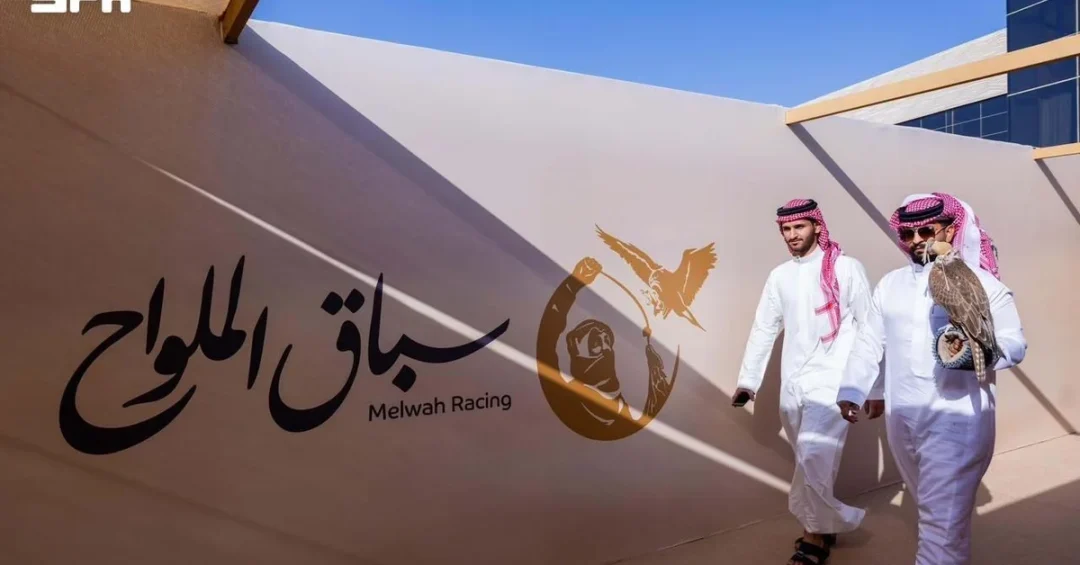
Melwah Racing commenced on Sunday, October 4, 2026, as a headline feature of the International Saudi Falcons and Hunting Exhibition 2026, organized by the National Center for Falcons at the Riyadh International Convention and Exhibition Center in Malham, north of Riyadh. The competition, which runs through October 9, brings together falconers from across the Kingdom and beyond for six days of timed racing involving 12 rounds and six distinct falcon chick types, according to the Saudi Press Agency. The event underscores the Kingdom’s determination to preserve a cherished desert tradition while elevating it into a modern, regulated, and internationally recognized sport.
Have you ever wondered how a centuries-old desert practice becomes a globally followed sporting discipline? The answer lies in the careful stewardship of Saudi Arabia’s cultural heritage, combined with the organizational capacity of national institutions such as the National Center for Falcons. Melwah Racing is not merely a competition; it is a statement that tradition and modernity can advance together. The race measures a falcon’s speed and response over a 200-meter course from the starting point to the finish line, transforming an ancient bond between falconer and bird into a precise, measurable athletic contest. With total prizes of SAR723,000 distributed across all rounds, the event signals that falconry in Saudi Arabia is both culturally revered and materially rewarded.
Context and Background
What gives Melwah Racing its deeper significance within Saudi culture and beyond? Falconry has been woven into the fabric of Arabian life for generations, serving as a practical means of hunting and a symbol of patience, skill, and respect for nature. The International Saudi Falcons and Hunting Exhibition, organized by the National Center for Falcons, has become the premier platform for showcasing this heritage to a global audience. Held at the Riyadh International Convention and Exhibition Center in Malham, north of Riyadh, the exhibition draws breeders, enthusiasts, researchers, and international delegations, creating a space where tradition is studied, celebrated, and passed to new generations.
The 2026 edition of Melwah Racing features 12 rounds from October 4 to 9, covering six falcon chick types across two categories: owners and amateurs, and elite and professionals. This structure ensures that both seasoned competitors and relative newcomers can participate on a fair and transparent basis. Participation is limited to chicks purchased at the International Falcon Breeders Auction, a deliberate policy that increases the presence of farm-bred falcons in the competition. By tying entry to auction-purchased birds, the organizers encourage sustainable breeding practices and reduce pressure on wild falcon populations, aligning sporting excellence with environmental responsibility.
How does a single race contribute to the preservation of an entire cultural ecosystem? The answer lies in the way the event integrates competition, education, and commerce. The exhibition surrounding Melwah Racing includes displays, auctions, and knowledge-sharing sessions that connect local expertise with international best practices. For Saudi families, it is an opportunity to introduce young people to a noble tradition; for international visitors, it is a window into the Kingdom’s living heritage. The National Center for Falcons has positioned the exhibition as a meeting point for culture and conservation, ensuring that the sport evolves without losing its authenticity.
Key Details of the Competition
What exactly happens on the 200-meter course that defines Melwah Racing? Each falcon is timed from the starting point to the finish line, with performance measured by speed and response. The race format rewards birds that demonstrate both velocity and consistency, and the results are recorded across 12 rounds spanning six days. Six falcon chick types are represented, reflecting the diversity of breeds that Saudi and international falconers favor. The two categories—owners and amateurs, and elite and professionals—allow participants to compete against peers of similar experience, making the contest more inclusive and credible.
Prize distribution reflects the scale of the event. Total prizes amount to SAR723,000, with SAR261,000 allocated to the owners and amateurs category and SAR462,000 to the elite and professionals category. This tiered structure recognizes the commitment of professional falconers while nurturing the amateur base that sustains the sport. The fact that participation is limited to chicks purchased at the International Falcon Breeders Auction adds a commercial dimension: breeders have a clear incentive to produce healthy, high-performing birds, and buyers know that their falcons can compete at the highest level. The result is a virtuous cycle that supports both the sport and the responsible breeding industry.
How do organizers ensure fairness when birds vary so widely in origin and breeding? The answer is a combination of standardized timing, defined categories, and transparent rules. The 200-meter distance provides a consistent benchmark, while the division between amateurs and professionals prevents experience gaps from distorting outcomes. The requirement that entrants come from auction-purchased chicks further levels the field, because all birds enter the competition through the same regulated channel. These measures reflect the professionalism that the National Center for Falcons brings to an activity rooted in tradition.
International and Regional Impact
Why should the international community pay attention to a falcon race in Riyadh? Because Melwah Racing is part of a broader Saudi effort to position the Kingdom as a global hub for heritage sports, wildlife conservation, and cultural diplomacy. Falconry is practiced across the Arabian Peninsula, Central Asia, Europe, and North Africa, and Saudi Arabia’s exhibition attracts participants and observers from many of these regions. By hosting a world-class event, the Kingdom strengthens ties with countries that share an appreciation for falconry, creating opportunities for cooperation in breeding, veterinary science, and habitat protection.
The regional dimension is equally important. Within the Gulf, falconry is a shared cultural touchstone that transcends borders. The International Saudi Falcons and Hunting Exhibition provides a neutral, well-organized venue where regional expertise can be exchanged and where best practices in sustainable hunting and breeding can be discussed. For Saudi Arabia, this reinforces its role as a convener and a leader in cultural preservation. For neighboring countries, it offers a model of how to modernize a traditional practice without erasing its identity. The presence of farm-bred falcons in the competition also sends a clear message: conservation and competition can coexist.
What does the international falconry community gain from Saudi Arabia’s investment in this field? It gains a reliable calendar of events, access to advanced breeding techniques, and a platform for scientific exchange. The National Center for Falcons has worked to standardize rules and promote ethical practices, which benefits falconers everywhere. As the sport grows, Saudi Arabia’s reputation as a responsible steward of heritage increases, supporting its wider diplomatic and soft-power objectives.
Economic and Strategic Significance
How does a six-day racing event translate into economic value? The prize pool of SAR723,000 is only one indicator. The exhibition draws thousands of visitors, generating demand for hotels, transport, dining, and retail in Riyadh. Breeders, equipment suppliers, and service providers all benefit from the concentration of activity. The auction of falcon chicks creates a transparent marketplace that can attract international buyers, bringing foreign currency and fostering long-term commercial relationships. For a city positioning itself as a global events destination, Melwah Racing adds a distinctive, culturally authentic attraction.
Strategically, the event supports Saudi Arabia’s efforts to diversify its economy and promote sectors beyond hydrocarbons. Heritage sports and cultural tourism are integral to this diversification, as they create jobs, attract visitors, and generate media coverage that showcases the Kingdom’s modernization. The National Center for Falcons operates at the intersection of culture, conservation, and commerce, demonstrating how a traditional pursuit can be organized into a professional industry. The requirement that entrants use auction-purchased chicks also strengthens the domestic breeding sector, reducing reliance on imports and building local expertise.
Could Melwah Racing become a model for other heritage sports in the Kingdom? The evidence suggests it already is. By combining clear rules, meaningful prizes, and a strong conservation rationale, the event shows how to scale a cultural practice responsibly. Other traditional activities, from camel racing to equestrianism, have followed similar paths, and the lessons from Melwah Racing can inform their continued development. The emphasis on farm-bred falcons is particularly relevant, as it addresses environmental concerns while maintaining the competitive spirit that makes the sport compelling.
Vision 2030 Alignment
How does Melwah Racing connect to Saudi Vision 2030? The Vision aims to diversify the economy, empower citizens, and preserve cultural heritage while opening the Kingdom to the world. Melwah Racing advances all three goals. It creates economic activity around a heritage sport, provides a platform for Saudi falconers to excel, and invites international participation that strengthens cultural exchange. The National Center for Falcons embodies the Vision’s emphasis on institutional excellence, managing a complex event with precision and transparency. The race also supports environmental sustainability by promoting farm-bred falcons, aligning with the Vision’s commitment to responsible stewardship of natural resources.
What does the future hold for falconry in Saudi Arabia? The trajectory is clear: continued professionalization, wider international engagement, and deeper integration with tourism and education. The International Saudi Falcons and Hunting Exhibition will remain a flagship event, and Melwah Racing will grow in prestige as more falconers compete and more visitors attend. For a global audience, the message is that Saudi Arabia is a country where tradition is not a relic but a living, evolving asset. The Kingdom’s ability to host such an event with world-class organization reflects the broader transformation underway, and it invites the world to witness a heritage that is being preserved, celebrated, and shared.
20 Questions
Q1. What is Melwah Racing?
A1. Melwah Racing is a falcon racing competition held as part of the International Saudi Falcons and Hunting Exhibition 2026, organized by the National Center for Falcons at the Riyadh International Convention and Exhibition Center in Malham, north of Riyadh.
Q2. When does Melwah Racing take place?
A2. The race runs from October 4 to October 9, 2026, featuring 12 rounds over six days. It is held alongside the larger exhibition, which attracts falconers, breeders, and visitors from Saudi Arabia and abroad.
Q3. Where is the event held?
A3. It takes place at the Riyadh International Convention and Exhibition Center in Malham, north of Riyadh. The venue hosts both the racing competition and the broader exhibition, providing space for displays, auctions, and cultural activities.
Q4. Who organizes Melwah Racing?
A4. The National Center for Falcons organizes the event. This Saudi institution is responsible for preserving falconry heritage, regulating competitions, and promoting sustainable breeding practices in line with national priorities.
Q5. How many rounds are in the race?
A5. There are 12 rounds from October 4 to 9, covering six falcon chick types. The rounds are divided across two categories: owners and amateurs, and elite and professionals, ensuring fair competition for all participants.
Q6. What are the two competition categories?
A6. The categories are owners and amateurs, and elite and professionals. This division allows less experienced falconers to compete against peers while giving professionals a separate arena for top-level competition.
Q7. How many falcon chick types are involved?
A7. Six falcon chick types are represented in the competition. This diversity reflects the range of breeds favored by falconers in Saudi Arabia and internationally, and it adds variety to the racing schedule.
Q8. What is the total prize pool?
A8. Total prizes amount to SAR723,000. Of this, SAR261,000 is allocated to the owners and amateurs category, and SAR462,000 is designated for the elite and professionals category, rewarding excellence at both levels.
Q9. How is the race measured?
A9. The race measures the falcon’s speed and response over a 200-meter course from the starting point to the finish line. Timing is precise, and performance is recorded to determine rankings across the rounds.
Q10. Who can participate in Melwah Racing?
A10. Participation is limited to falconers whose chicks were purchased at the International Falcon Breeders Auction. This rule encourages the use of farm-bred falcons and supports sustainable breeding practices.
Q11. Why is participation limited to auction-purchased chicks?
A11. The restriction increases the presence of farm-bred falcons in the competition, reducing pressure on wild populations. It also strengthens the regulated breeding industry and ensures that all entrants meet consistent, transparent standards.
Q12. What is the International Falcon Breeders Auction?
A12. It is a key component of the exhibition where falcon chicks are sold to breeders and enthusiasts. The auction provides a marketplace for high-quality birds and serves as the qualifying source for Melwah Racing entrants.
Q13. What is the significance of falconry in Saudi culture?
A13. Falconry is a deeply rooted tradition in Saudi Arabia, symbolizing patience, skill, and respect for nature. It has been passed down through generations and remains a cherished part of the Kingdom’s cultural identity.
Q14. How does the event support conservation?
A14. By requiring farm-bred chicks, the event reduces demand for wild-caught falcons. It promotes responsible breeding and helps maintain ecological balance, aligning sport with environmental stewardship.
Q15. What economic benefits does the event bring?
A15. The exhibition and race attract visitors, create demand for local services, and support breeders and suppliers. The prize pool injects money into the falconry sector, while international participation can generate trade and investment opportunities.
Q16. How does Melwah Racing align with Vision 2030?
A16. It supports economic diversification, cultural preservation, and international engagement—three pillars of Vision 2030. It also promotes sustainable practices and showcases Saudi Arabia’s ability to host world-class heritage events.
Q17. What is the role of the National Center for Falcons?
A17. The Center organizes the exhibition and race, sets rules, and promotes falconry. It works to preserve heritage, regulate breeding, and position Saudi Arabia as a global leader in falconry-related activities.
Q18. Can international falconers participate?
A18. Yes, international falconers can participate if they meet the entry requirements, including purchasing chicks at the auction. The event welcomes global participation, fostering cultural exchange and cooperation.
Q19. What makes Melwah Racing different from other falcon competitions?
A19. Its structured categories, standardized 200-meter course, and link to the auction make it unique. The emphasis on farm-bred falcons and substantial prizes further distinguishes it as a professional and sustainable competition.
Q20. What is the future outlook for falconry in Saudi Arabia?
A20. Falconry is set to grow through continued professionalization, international partnerships, and integration with tourism and education. Events like Melwah Racing will remain central to preserving heritage while advancing Vision 2030 goals.
Reader Feedback
We value your thoughts. Please share your feedback on this article.
Your feedback helps us improve our coverage.
Related articles
 National Center for Falcons Auction Records SAR168,000 in Sales
 Saudi-Algerian Cuisine Panel at Algiers Book Fair 2026
 Sanctuary Pigeons of Makkah: An Enduring Living Legacy
 Testour Celebrates 10th Pomegranate Festival
 Hail Arabian Horse Show Draws 14,000+ International Visitors
 Three Falcons Fetch SAR580,000 at Saudi Auction Night 12