


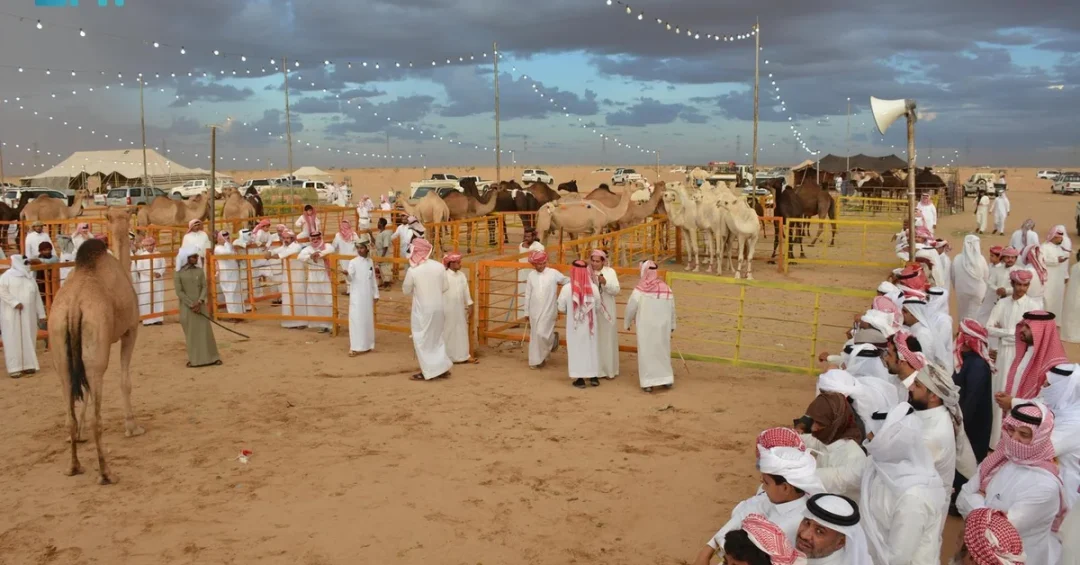
In a vibrant celebration of Saudi Arabia’s deep-rooted heritage, the Najran Camel Auction Festival has drawn widespread praise from camel owners and enthusiasts for its role in promoting the camel as an enduring symbol of Saudi identity and cultural pride. Held in the southern region of Najran, the festival has become a major attraction, welcoming visitors from across the Kingdom and beyond, and underscoring the nation’s commitment to preserving its traditions while advancing its modern vision. Organizers and participants alike have lauded the event, which continues to showcase the finest camel breeds and foster a deeper appreciation for this integral aspect of Saudi culture.
The festival, which is overseen by local authorities and supported by various government agencies, features a rich array of activities including informative exhibits, veterinary clinics, poetry evenings, and a camel rally race. These elements combine to create a dynamic platform that not only highlights the economic and cultural significance of camels but also educates the public on their care and historical importance. As Saudi Arabia strides confidently into a future shaped by Vision 2030, events like the Najran Camel Auction Festival serve as a bridge between the past and the present, ensuring that cherished traditions remain vibrant and relevant.
Context and Background
Why has the camel remained such a potent symbol of Saudi heritage throughout the centuries? The answer lies in the animal’s historical role as a lifeline for trade, transportation, and sustenance in the Arabian Peninsula. For generations, camels have been central to the Bedouin way of life, enabling desert travel and commerce that connected communities across vast terrains. Today, that legacy is honored through festivals like the one in Najran, which not only celebrate the camel’s beauty and utility but also transmit this heritage to younger generations and international audiences.
The Najran Camel Auction Festival is part of a broader national effort to preserve and promote Saudi Arabia’s cultural traditions. Under the guidance of the Ministry of Culture and the Ministry of Environment, Water and Agriculture, numerous festivals are held annually across the Kingdom to highlight the importance of camels. These events are designed to align with the goals of Saudi Vision 2030, which emphasizes cultural enrichment and economic diversification. By investing in heritage tourism and supporting local artisans and breeders, the Kingdom is creating sustainable opportunities that benefit communities while showcasing its unique identity to the world.
Moreover, the festival in Najran is strategically located to attract visitors from neighboring regions and countries, further enhancing its role as a cultural and economic hub. The event’s success reflects the Kingdom’s broader commitment to fostering regional development and international engagement. As Saudi Arabia continues to open its doors to global tourists and investors, the Najran Camel Auction Festival stands as a testament to the enduring appeal of its cultural heritage.
Key Details and Festival Highlights
What can visitors expect when they attend the Najran Camel Auction Festival? The event offers a comprehensive experience that combines tradition with modern organization. According to festival supervisor Misfer Al-Yami, the festival includes informative exhibits from veterinary clinics and government agencies that provide essential services to visitors. These exhibits educate attendees on camel health, breeding techniques, and the economic value of camels. Additionally, the festival features a variety of activities such as poetry evenings that celebrate the oral traditions of the region and a camel rally race that adds excitement and competitive spirit to the proceedings.
Camel owner Ali Soman praised the festival for providing a platform to showcase a wide variety of camel breeds. He expressed appreciation to the organizing committee for efficiently managing the event, even with the large number of visitors. This sentiment is echoed by many participants who value the opportunity to display their prized animals and engage with fellow enthusiasts. The festival not only serves as a marketplace for buying and selling camels but also as a educational forum where knowledge about traditional husbandry practices is shared.
Melfi bin Dahen, a member of the organizing committee, emphasized that the festival and its associated events have evolved into a gathering for camel enthusiasts, offering both cultural enrichment and economic benefits to the local community. The auction component allows breeders to fetch fair prices for their camels, which are often valued for their lineage, beauty, and racing prowess. This economic activity injects vital resources into the local economy, supporting families and businesses that depend on the camel trade. Furthermore, the festival’s success has spurred investments in infrastructure and services, enhancing the overall visitor experience.
International and Regional Impact
How does the Najran Camel Auction Festival resonate beyond Saudi borders? The event attracts visitors from within and outside the Najran region, including international tourists and camel enthusiasts from neighboring Gulf countries. This cross-cultural exchange promotes a positive image of Saudi Arabia as a nation that honors its traditions while embracing modernity. By sharing its heritage with the world, the Kingdom fosters mutual understanding and strengthens diplomatic and economic ties.
The festival also aligns with Saudi Arabia’s efforts to position itself as a premier destination for cultural tourism. As part of Vision 2030, the Kingdom aims to increase tourism’s contribution to the GDP and create millions of jobs in the sector. Events like the Najran Camel Auction Festival contribute to these goals by drawing visitors who spend on accommodation, dining, and local crafts. Moreover, the festival provides a platform for international media to highlight Saudi Arabia’s rich cultural tapestry, further enhancing its global reputation.
Regionally, the festival serves as a model for other areas in the Kingdom, demonstrating how heritage events can drive economic growth and community pride. It also reinforces the bonds between Saudi Arabia and its neighbors, as camel culture is shared across the Arabian Peninsula. By celebrating this common heritage, the festival promotes regional unity and cooperation.
Economic and Strategic Significance
What economic benefits does the Najran Camel Auction Festival bring to the local community? The event generates significant revenue through the auction of camels, which can command high prices depending on their quality and pedigree. This income supports camel breeders and their families, many of whom have relied on this trade for generations. Additionally, the influx of visitors stimulates local businesses such as hotels, restaurants, and handicraft vendors, creating a multiplier effect that boosts the regional economy.
Strategically, the festival contributes to the diversification of Saudi Arabia’s economy away from oil dependence, a core objective of Vision 2030. By promoting heritage tourism and supporting traditional industries, the event helps create a more resilient and sustainable economic model. It also encourages entrepreneurship among young Saudis, who can capitalize on the growing interest in cultural experiences. The government’s investment in such festivals reflects a long-term strategy to leverage the Kingdom’s unique assets for economic gain.
Furthermore, the festival enhances Saudi Arabia’s soft power by projecting an image of a nation that values its history and is open to the world. This cultural diplomacy is essential for building bridges with other countries and attracting foreign investment. As the Kingdom continues to host major international events, its ability to showcase its heritage alongside its modern achievements will be a key differentiator.
Vision 2030 Alignment
How does the Najran Camel Auction Festival align with the ambitious goals of Saudi Vision 2030? The festival embodies the vision’s cultural pillar, which seeks to preserve and promote Saudi heritage as a source of national pride and a driver of economic growth. By investing in events that celebrate traditional practices, the Kingdom ensures that its rich history is not lost but rather integrated into its modern identity. This approach resonates with the vision’s emphasis on quality of life and social enrichment.
In conclusion, the Najran Camel Auction Festival exemplifies how Saudi Arabia is successfully balancing tradition and modernity. Through such events, the Kingdom not only honors its past but also builds a prosperous future, in line with Vision 2030. The praise from camel owners and participants underscores the festival’s success in promoting Saudi cultural heritage and fostering community spirit. As Saudi Arabia continues to advance on the global stage, its commitment to preserving its unique culture will remain a cornerstone of its national strategy, ensuring that the camel—a timeless symbol of resilience and identity—continues to be celebrated for generations to come.
20 Questions
Q1. What is the Najran Camel Auction Festival?
A1. The Najran Camel Auction Festival is a cultural event held in Najran, Saudi Arabia, that celebrates camel heritage through auctions, exhibitions, and activities like poetry evenings and camel races, promoting Saudi identity and traditions.
Q2. Where is the festival taking place?
A2. The festival is taking place in Najran, a region in southern Saudi Arabia known for its rich cultural heritage and historical significance in the Kingdom.
Q3. Who is praising the festival?
A3. Camel owners and participants, including festival supervisor Misfer Al-Yami, camel owner Ali Soman, and organizing committee member Melfi bin Dahen, have praised the festival for its cultural and economic contributions.
Q4. What activities are featured at the festival?
A4. The festival features informative exhibits from veterinary clinics and government agencies, poetry evenings, and a camel rally race, along with the main camel auction.
Q5. How does the festival promote Saudi cultural heritage?
A5. By showcasing the camel as a symbol of authenticity and Saudi identity, the festival educates visitors and transmits traditional knowledge, reinforcing national pride and cultural continuity.
Q6. What economic benefits does the festival bring?
A6. The festival stimulates the local economy through camel sales, tourism spending, and support for local businesses, creating jobs and income for the community.
Q7. Who organizes the festival?
A7. The festival is organized by local authorities in Najran with support from government agencies, under the guidance of the Ministry of Culture and other relevant bodies.
Q8. How many visitors attend the festival?
A8. The festival draws a large number of visitors from within and outside the Najran region, contributing to its success as a major cultural and economic event.
Q9. What types of camels are showcased?
A9. A wide variety of camel breeds are showcased, allowing owners to display their prized animals and buyers to appreciate different lineages and qualities.
Q10. How does the festival align with Vision 2030?
A10. It aligns with Vision 2030 by promoting cultural heritage, boosting tourism, diversifying the economy, and enhancing quality of life, all key objectives of the national transformation plan.
Q11. What role do veterinary clinics play at the festival?
A11. Veterinary clinics provide health services and education on camel care, ensuring the well-being of the animals and sharing best practices with owners.
Q12. Are there any competitions at the festival?
A12. Yes, the festival includes a camel rally race and possibly other competitions that add excitement and showcase the speed and agility of camels.
Q13. How does the festival support local communities?
A13. It supports local communities by generating income for breeders, creating business opportunities for vendors, and fostering a sense of pride and unity among residents.
Q14. What is the significance of the camel in Saudi culture?
A14. The camel is a symbol of resilience, heritage, and survival in the desert, deeply embedded in Saudi history and traditions, and continues to be celebrated today.
Q15. How has the festival evolved over time?
A15. The festival has evolved into a major gathering for camel enthusiasts, expanding its activities and attracting a larger and more diverse audience each year.
Q16. What government agencies are involved?
A16. Various government agencies provide services and support, including the Ministry of Environment, Water and Agriculture, and the Ministry of Culture, among others.
Q17. Can international tourists attend the festival?
A17. Yes, the festival welcomes international tourists, offering them a unique opportunity to experience Saudi heritage and hospitality firsthand.
Q18. How does the festival contribute to tourism in Saudi Arabia?
A18. It attracts visitors to the Najran region, boosting local tourism and contributing to the national goal of increasing tourism’s share of GDP.
Q19. What makes the Najran festival unique?
A19. Its combination of cultural exhibits, poetry, racing, and auctioning, set in the historic region of Najran, makes it a distinctive celebration of camel heritage.
Q20. What is the future outlook for the festival?
A20. With continued government support and growing interest, the festival is expected to expand further, enhancing its role in promoting Saudi culture and driving economic growth.
Reader Feedback
We value your thoughts. Please share your feedback on this article.
Your feedback helps us improve our coverage.
Related articles
 Saudi Agricultural Exhibition Opens with Over SAR800 Million in Development Investments
 Saudi Falcons Club Auction: Three Falcons Fetch SAR344,000
 Reef Saudi Showcases Achievements at Saudi Agriculture Exhibition
 Camel Hackathon: Boosting Saudi Cultural Heritage
 Saudi-Initiated Arab Week at UNESCO Set for November 4-5
 Noor Riyadh 2024 Returns with Light Art Across Riyadh