


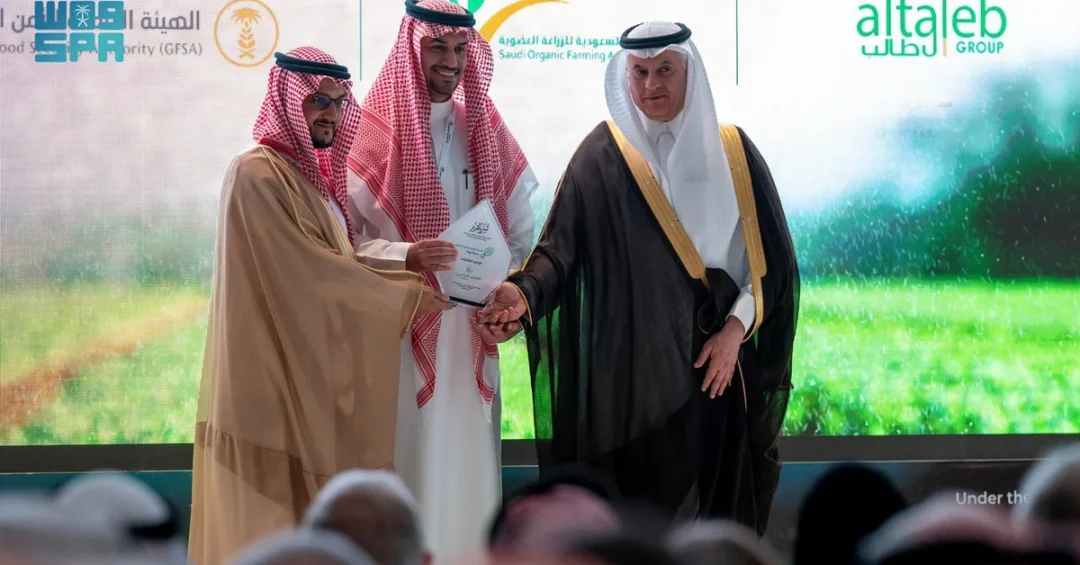
Saudi Arabia’s 41st Agricultural Exhibition opened in Riyadh on October 21, 2024, with more than SAR800 million in investment agreements signed on the first day, underscoring the Kingdom’s accelerating push for food security and sustainable agricultural development. The event, held at the Riyadh International Convention & Exhibition Center and running through October 24, was inaugurated by Eng. Abdulrahman Alfadley, Minister of Environment, Water and Agriculture, and drew participation from over 420 agricultural companies representing 29 countries, according to the Saudi Press Agency (SPA).
The exhibition’s opening day featured the signing of 12 agreements and memoranda of understanding with total investments exceeding SAR800 million, aimed at strengthening agricultural production across the Kingdom. The event also marked the launch of the KAUST Center of Excellence for Sustainable Food Security, a strategic initiative designed to develop sustainable innovations and solutions in agriculture in line with Saudi Vision 2030. Could this convergence of investment and innovation signal a new era for Saudi agriculture on the global stage?
Context and Background
Is Saudi Arabia’s agricultural sector undergoing its most significant transformation in decades? The 41st Saudi Agricultural Exhibition arrives at a pivotal moment for the Kingdom’s agricultural landscape, which has experienced remarkable growth over the past three years. Minister Alfadley attributed this expansion to the unwavering support of the country’s leadership and the ministry’s efforts to promote sustainable agricultural practices. These efforts have resulted in the sustainability of agricultural production, the preservation of soil, water, and natural resources, and self-sufficiency in a variety of agricultural products.
The exhibition’s 41-year history reflects Saudi Arabia’s long-standing commitment to developing its agricultural capabilities. Over the decades, the event has evolved from a regional gathering into a major international platform that attracts companies and experts from across the globe. This year’s edition, with participants from 29 countries, demonstrates the Kingdom’s growing role as a hub for agricultural innovation and investment. The presence of Qatari Minister of Municipality Dr. Abdullah bin Abdulaziz Al-Subaie further highlights the event’s regional significance and the spirit of cooperation among Gulf nations.
The agricultural sector’s highest-ever contribution to gross domestic product, amounting to SAR109 billion, represents a milestone that validates years of strategic planning and investment. This figure not only demonstrates the sector’s economic importance but also signals its potential to drive broader national development goals. How does this record GDP contribution reshape perceptions of agriculture’s role in Saudi Arabia’s economic diversification?
Key Details
What specific agreements and initiatives emerged from this landmark exhibition? The 12 agreements and memoranda of understanding signed during the event cover a range of agricultural production areas, with total investments exceeding SAR800 million. These agreements are expected to bolster agricultural production in the Kingdom, enhance food security, and introduce cutting-edge technologies and solutions to the sector. The participation of over 420 agricultural companies ensures that the exhibition serves as a comprehensive showcase of innovations, solutions, and investment opportunities in agriculture.
Minister Alfadley emphasized the importance of strengthening national economic priorities and achieving food security while striking a balance between agricultural development and the preservation of natural resources. He noted that this balance is key to enhancing sustainability and ensuring the protection of the environment and agricultural assets for future generations. The minister’s remarks underscore the Kingdom’s holistic approach to agricultural development, one that integrates economic growth with environmental stewardship.
The launch of the KAUST Center of Excellence for Sustainable Food Security represents a significant strategic initiative. By leveraging the research capabilities of King Abdullah University of Science and Technology (KAUST), the center aims to develop sustainable innovations and solutions that address food security challenges. This initiative aligns directly with Vision 2030’s objectives of achieving food security, promoting sustainable development, and fostering innovation in key sectors. What role will this center play in positioning Saudi Arabia as a leader in sustainable agriculture?
International and Regional Impact
How does Saudi Arabia’s agricultural progress resonate beyond its borders? The presence of Qatari Minister of Municipality Dr. Abdullah bin Abdulaziz Al-Subaie at the exhibition highlights the regional dimension of Saudi Arabia’s agricultural initiatives. The participation of 29 countries and over 420 companies demonstrates the Kingdom’s ability to attract international attention and foster global partnerships in the agricultural sector. These connections are vital for knowledge exchange, technology transfer, and collaborative efforts to address shared challenges such as water scarcity and climate change.
The exhibition serves as a platform for Saudi Arabia to showcase its agricultural achievements and share its experiences with international partners. The Kingdom’s success in achieving self-sufficiency in various agricultural products while preserving natural resources offers valuable lessons for other nations facing similar challenges. By hosting such events, Saudi Arabia reinforces its position as a regional leader and a responsible global actor committed to sustainable development. How might these international partnerships accelerate innovation in Saudi agriculture?
Economic and Strategic Significance
What does the SAR800 million in investments signify for Saudi Arabia’s economic trajectory? The agricultural sector’s record contribution of SAR109 billion to GDP reflects its growing importance to the national economy. The investments announced at the exhibition are expected to further boost this contribution by enhancing production capabilities, introducing advanced technologies, and creating new opportunities for economic growth. These investments also support the Kingdom’s efforts to diversify its economy away from oil dependence, a central objective of Vision 2030.
The strategic significance of these developments extends beyond immediate economic gains. By strengthening food security, Saudi Arabia reduces its vulnerability to global supply chain disruptions and price fluctuations. The focus on sustainable practices ensures that agricultural development does not come at the expense of natural resources, safeguarding the Kingdom’s environment for future generations. This balanced approach reflects the leadership’s commitment to long-term prosperity and environmental responsibility. Could Saudi Arabia’s model of sustainable agricultural investment become a blueprint for other nations in arid regions?
Vision 2030 Alignment
How does the 41st Saudi Agricultural Exhibition advance the goals of Vision 2030? The event and its outcomes align directly with several key objectives of the Kingdom’s transformative agenda. Food security is a cornerstone of Vision 2030, and the investments and initiatives announced at the exhibition represent concrete steps toward achieving this goal. The launch of the KAUST Center of Excellence for Sustainable Food Security further demonstrates the commitment to innovation and research as drivers of progress.
The emphasis on sustainability, self-sufficiency, and environmental preservation reflects Vision 2030’s holistic approach to development. By integrating economic growth with environmental stewardship, Saudi Arabia is setting an example for sustainable development that balances present needs with future responsibilities. As the exhibition continues through October 24, it stands as a testament to the Kingdom’s determination to build a resilient, diversified, and sustainable agricultural sector that contributes to the nation’s prosperity and global food security. What new milestones will Saudi agriculture achieve as Vision 2030 continues to unfold?
20 Questions
Q1. What is the 41st Saudi Agricultural Exhibition?
A1. The 41st Saudi Agricultural Exhibition is a major industry event held in Riyadh from October 21-24, 2024, showcasing agricultural innovations, technologies, and investment opportunities with participation from over 420 companies representing 29 countries.
Q2. Who inaugurated the exhibition?
A2. Eng. Abdulrahman Alfadley, Minister of Environment, Water and Agriculture, inaugurated the 41st Saudi Agricultural Exhibition at the Riyadh International Convention & Exhibition Center on October 21, 2024.
Q3. How many investment agreements were signed?
A3. Twelve agreements and memoranda of understanding were signed during the exhibition, with total investments exceeding SAR800 million aimed at bolstering agricultural production in the Kingdom.
Q4. What is the total value of investments announced?
A4. The total investments from the 12 agreements and memoranda of understanding exceeded SAR800 million, representing a significant commitment to developing Saudi Arabia’s agricultural sector and enhancing food security.
Q5. How many companies participated in the exhibition?
A5. Over 420 agricultural companies from 29 countries participated in the exhibition, making it a truly international platform for showcasing innovations and fostering partnerships in the agricultural sector.
Q6. What is the KAUST Center of Excellence for Sustainable Food Security?
A6. It is a strategic initiative launched at the exhibition that aims to boost food security in Saudi Arabia by developing sustainable innovations and solutions in agriculture, in line with Vision 2030.
Q7. What was the agricultural sector’s GDP contribution?
A7. The agricultural sector achieved its highest-ever contribution to gross domestic product, amounting to SAR109 billion, reflecting significant growth over the past three years and its growing importance to the national economy.
Q8. Who represented Qatar at the exhibition?
A8. Qatari Minister of Municipality Dr. Abdullah bin Abdulaziz Al-Subaie attended the exhibition, highlighting the regional significance of the event and the spirit of cooperation among Gulf nations.
Q9. What did Minister Alfadley emphasize in his remarks?
A9. He emphasized strengthening national economic priorities, achieving food security, and balancing agricultural development with natural resource preservation to enhance sustainability and protect the environment for future generations.
Q10. What has driven the agricultural sector’s growth?
A10. The growth is attributed to unwavering support from Saudi Arabia’s leadership and the ministry’s efforts to promote sustainable agricultural practices, leading to self-sufficiency in various products and resource preservation.
Q11. Where was the exhibition held?
A11. The 41st Saudi Agricultural Exhibition was held at the Riyadh International Convention & Exhibition Center in Riyadh, Saudi Arabia, from October 21 to October 24, 2024.
Q12. What technologies were showcased at the exhibition?
A12. The exhibition featured cutting-edge technologies, solutions, and innovations in the agriculture sector, highlighting key investment opportunities and advancements that support sustainable agricultural development.
Q13. How does the exhibition support Vision 2030?
A13. It supports Vision 2030 by promoting food security, sustainable development, economic diversification, and innovation in agriculture, aligning with the Kingdom’s goals of reducing oil dependence and enhancing environmental stewardship.
Q14. What is the significance of the SAR109 billion GDP figure?
A14. The SAR109 billion GDP contribution represents the agricultural sector’s highest-ever achievement, demonstrating its economic importance and potential to drive sustainable development and support the national economy.
Q15. How many countries participated in the exhibition?
A15. Companies from 29 countries participated in the exhibition, demonstrating Saudi Arabia’s ability to attract international attention and foster global partnerships in the agricultural sector.
Q16. What does the KAUST center aim to achieve?
A16. The KAUST Center of Excellence for Sustainable Food Security aims to develop sustainable innovations and solutions that address food security challenges, positioning Saudi Arabia as a leader in sustainable agriculture.
Q17. What is the duration of the exhibition?
A17. The 41st Saudi Agricultural Exhibition runs from October 21 to October 24, 2024, providing four days for participants to showcase innovations, sign agreements, and explore investment opportunities.
Q18. How does the exhibition promote sustainability?
A18. The exhibition promotes sustainability by showcasing practices and technologies that balance agricultural development with natural resource preservation, ensuring the protection of soil, water, and the environment for future generations.
Q19. What economic benefits are expected from the agreements?
A19. The agreements are expected to bolster agricultural production, enhance food security, introduce advanced technologies, create economic opportunities, and support Saudi Arabia’s efforts to diversify its economy away from oil dependence.
Q20. What is the future outlook for Saudi agriculture?
A20. The future outlook is positive, with continued investment, innovation, and alignment with Vision 2030 expected to drive further growth, enhance food security, and position Saudi Arabia as a leader in sustainable agriculture.
Reader Feedback
We value your thoughts. Please share your feedback on this article.
Your feedback helps us improve our coverage.
Related articles
 Saudi Falcons Club Auction: Three Falcons Fetch SAR344,000
 Reef Saudi Showcases Achievements at Saudi Agriculture Exhibition
 Camel Hackathon: Boosting Saudi Cultural Heritage
 Saudi-Initiated Arab Week at UNESCO Set for November 4-5
 Noor Riyadh 2024 Returns with Light Art Across Riyadh
 Saudi Culinary Culture Shines in Tokyo Event