


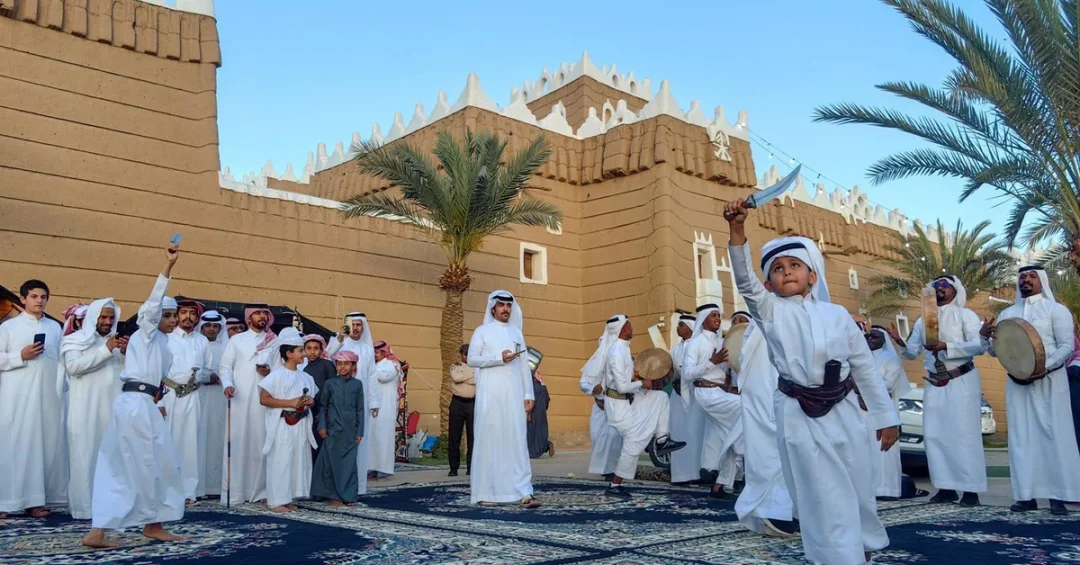
The Najran Municipality hosted a folkloric performance event and a traditional Eid tent as part of its Eid Al-Fitr celebrations, inviting residents and visitors to experience the region’s renowned folk performances and share in the joy of the festive days, the Saudi Press Agency reported. The initiative, announced on April 1, 2025, reflects the Kingdom’s commitment to preserving regional heritage while fostering community participation during one of the most cherished periods in the Islamic calendar. The event drew families, travelers, and culture enthusiasts to Najran’s public spaces, where the rhythms of traditional music and the aromas of local cuisine filled the air.
Have you ever wondered how a region’s identity can be celebrated through a single festival? Najran, located in the southwestern corner of Saudi Arabia near the border with Yemen, is home to a rich tapestry of traditions that have been passed down through generations. The municipality’s decision to host a folkloric event and a traditional tent during Eid Al-Fitr underscores the importance of cultural continuity in an era of rapid modernization. It also aligns with the broader national effort to showcase Saudi Arabia’s diverse regional cultures to both domestic and international audiences.
Context and Background
What makes Najran’s cultural heritage so distinctive within the Kingdom? Najran has long been known for its unique architectural style, vibrant traditional dress, and distinctive musical forms. The region’s folk performances often feature the Al-Razfa and Al-Ayyala dances, which involve rhythmic chanting, drumming, and coordinated movements by groups of men. These performances are not merely entertainment; they are living expressions of community solidarity and historical memory. The Najran Municipality’s Eid event built on this legacy by creating a dedicated space for these traditions to be performed and enjoyed collectively.
Eid Al-Fitr, which marks the end of Ramadan, is a time of spiritual reflection, family gatherings, and communal celebration. In Saudi Arabia, the holiday is observed with a blend of religious devotion and cultural festivity. Across the Kingdom, municipalities and local authorities organize events that cater to all age groups, from children’s activities to heritage exhibitions. Najran’s decision to focus on folkloric performances and a traditional tent reflects a deliberate strategy to keep intangible cultural heritage alive and accessible. It also provides a platform for local artists and performers to share their skills with a wider audience, reinforcing a sense of pride and belonging.
The event comes at a time when Saudi Arabia is actively promoting domestic tourism and cultural exploration as part of Vision 2030. The Kingdom’s leadership has emphasized the importance of preserving national identity while opening up to the world. By hosting such celebrations, Najran contributes to this dual objective: it strengthens local traditions and offers visitors a genuine taste of Saudi hospitality and heritage. The traditional Eid tent, in particular, serves as a welcoming space where guests can sample local dishes, engage in conversation, and learn about the region’s customs firsthand.
Key Details of the Celebration
What exactly took place at the Najran Municipality’s Eid event? According to the Saudi Press Agency, the municipality organized a folkloric performance event alongside a traditional Eid tent. The performances showcased the region’s renowned folk arts, with participants dressed in colorful traditional attire. The tent, a hallmark of Saudi hospitality, provided a gathering point for residents and visitors to enjoy refreshments and traditional delicacies. The event was designed to capture the spirit of Eid by inviting everyone to participate in the festivities, whether as performers or as spectators.
The folkloric performances likely included the Al-Zamil and Al-Hajini styles, which are popular in Najran and other southern regions. These performances often involve poetic duels, rhythmic clapping, and the use of traditional instruments such as the Al-Tabl drum and the Al-Mizmar flute. Such events are typically held in open squares or dedicated heritage villages, allowing large crowds to gather and enjoy the spectacle. The traditional tent, meanwhile, would have been adorned with woven textiles and furnished with cushions and carpets, creating an authentic atmosphere that transports visitors to a bygone era.
The timing of the event, immediately after Ramadan, added to its significance. Eid Al-Fitr is a period of renewal and gratitude, and community gatherings play a vital role in strengthening social bonds. By hosting the event, the Najran Municipality demonstrated its commitment to social cohesion and cultural enrichment. It also provided a boost to local artisans and vendors who supply traditional goods, from handicrafts to food items. The participation of residents and visitors alike highlighted the inclusive nature of Saudi celebrations, where people from all walks of life come together to share in the joy of the occasion.
International and Regional Impact
How does a local celebration in Najran resonate beyond Saudi Arabia’s borders? In an increasingly interconnected world, cultural events serve as windows into a nation’s soul. For international audiences, the Najran Eid celebration offers a glimpse of authentic Saudi traditions that are often overshadowed by headlines about economic transformation. By showcasing folk performances and traditional hospitality, the event helps to humanize the Kingdom and present a nuanced image of its society. It also attracts cultural tourists who are eager to experience Saudi Arabia’s heritage firsthand, contributing to the growth of the tourism sector.
Regionally, the event reinforces Najran’s position as a cultural hub in southern Saudi Arabia. The region shares historical and cultural ties with neighboring areas in Yemen and the broader Arabian Peninsula, and such celebrations can serve as a bridge for cultural exchange. They also align with the Kingdom’s efforts to promote regional tourism and diversify local economies. Visitors from other GCC countries, as well as from Asia and Europe, are increasingly drawn to Saudi Arabia’s cultural festivals, which offer a unique blend of tradition and modernity. The Najran event thus plays a small but meaningful role in the Kingdom’s broader public diplomacy.
Economic and Strategic Significance
What economic benefits can arise from cultural celebrations like this one? While the immediate focus is on community and heritage, events of this nature have tangible economic spillovers. They stimulate local businesses, from restaurants and hotels to artisans and transport providers. The influx of visitors during Eid generates demand for goods and services, supporting small and medium-sized enterprises. Moreover, by promoting Najran as a cultural destination, the municipality helps to extend the tourism season beyond the traditional peak periods, creating more sustainable employment opportunities for residents.
Strategically, the celebration aligns with Saudi Arabia’s Vision 2030 goal of increasing domestic and international tourism. The Kingdom aims to attract 100 million visitors annually by 2030, and cultural heritage is a key pillar of that strategy. Najran’s folkloric traditions are part of a broader portfolio of attractions that includes archaeological sites, natural landscapes, and religious landmarks. By investing in such events, local authorities contribute to the national objective of diversifying the economy away from oil. They also help to preserve intangible cultural heritage, which is an essential component of sustainable development.
Vision 2030 Alignment
How does the Najran Eid celebration fit into the larger narrative of Saudi Arabia’s transformation? Vision 2030 is not only about economic diversification and infrastructure; it is also about nurturing a vibrant society where cultural heritage is celebrated and passed on to future generations. The event embodies this vision by creating opportunities for community engagement, artistic expression, and intergenerational exchange. It reflects the leadership’s commitment to preserving the Kingdom’s identity while embracing progress. As Saudi Arabia continues to open up to the world, such celebrations will play an increasingly important role in showcasing the nation’s rich cultural tapestry.
In conclusion, the Najran Municipality’s Eid Al-Fitr event is a testament to the enduring power of tradition in a rapidly changing world. By hosting folkloric performances and a traditional tent, the municipality not only honored the region’s heritage but also contributed to the national goals of social cohesion, economic diversification, and cultural diplomacy. As Vision 2030 unfolds, initiatives like this will help to ensure that Saudi Arabia’s cultural legacy remains a source of pride and inspiration for generations to come.
20 Questions
Q1. What event did the Najran Municipality host during Eid Al-Fitr?
A1. The Najran Municipality hosted a folkloric performance event and a traditional Eid tent as part of its Eid Al-Fitr celebrations, inviting residents and visitors to participate in the region’s renowned folk performances and share in the festive joy.
Q2. When did the Najran Eid celebration take place?
A2. The event was reported by the Saudi Press Agency on April 1, 2025, coinciding with the Eid Al-Fitr holiday that follows the holy month of Ramadan.
Q3. Where in Saudi Arabia is Najran located?
A3. Najran is a region in southwestern Saudi Arabia, near the border with Yemen, known for its distinctive cultural heritage, architecture, and folk traditions.
Q4. What is the significance of Eid Al-Fitr in Saudi Arabia?
A4. Eid Al-Fitr marks the end of Ramadan and is a time for spiritual reflection, family gatherings, and communal celebrations across the Kingdom, with various cultural and religious activities.
Q5. What types of folk performances are typical in Najran?
A5. Najran is known for performances such as Al-Razfa and Al-Ayyala, which involve rhythmic chanting, drumming, and coordinated group movements, often accompanied by traditional instruments.
Q6. What is a traditional Eid tent?
A6. A traditional Eid tent is a gathering space adorned with woven textiles and cushions, where guests are welcomed to enjoy refreshments, traditional delicacies, and conversation, reflecting Saudi hospitality.
Q7. Who was invited to participate in the Najran Eid event?
A7. Residents and visitors were invited to participate in the folkloric performances and visit the traditional tent, fostering community participation and cultural exchange during the festive days.
Q8. How does the event reflect Saudi Arabia’s commitment to heritage preservation?
A8. By organizing folkloric performances and a traditional tent, the Najran Municipality actively preserves intangible cultural heritage and provides a platform for local artists to showcase their skills.
Q9. What role does the Najran Municipality play in cultural events?
A9. The Najran Municipality organizes and supports cultural events that celebrate regional traditions, promote community engagement, and contribute to the local economy and tourism.
Q10. How does the celebration align with Vision 2030?
A10. The event supports Vision 2030 goals of fostering a vibrant society, preserving cultural heritage, and boosting domestic tourism, which are key pillars of the national transformation plan.
Q11. What economic benefits can such cultural events bring to Najran?
A11. Cultural events stimulate local businesses, create demand for goods and services, support artisans and vendors, and help extend the tourism season, contributing to sustainable economic development.
Q12. How does the event attract international visitors?
A12. By showcasing authentic Saudi traditions and hospitality, the event offers international tourists a unique cultural experience, enhancing Saudi Arabia’s appeal as a heritage destination.
Q13. What is the significance of folkloric performances in Saudi culture?
A13. Folkloric performances are living expressions of community identity, historical memory, and social solidarity, passed down through generations and celebrated at national and regional events.
Q14. How does the Najran event promote social cohesion?
A14. By bringing together residents and visitors of all ages and backgrounds, the event strengthens social bonds, fosters a sense of belonging, and reinforces community ties during a joyous occasion.
Q15. What traditional foods might be served in the Eid tent?
A15. Traditional Najrani dishes such as Al-Mandi, Al-Madhbi, and various dates and sweets are likely served, offering guests a taste of the region’s culinary heritage.
Q16. How does the event contribute to domestic tourism in Saudi Arabia?
A16. By creating a compelling cultural attraction, the event encourages Saudis to explore their own country, supporting the Vision 2030 goal of increasing domestic tourism and diversifying regional economies.
Q17. What role do local artists play in the celebration?
A17. Local artists perform folk dances, play traditional instruments, and showcase handicrafts, gaining recognition and income while helping to keep cultural traditions alive.
Q18. How does the Najran celebration reflect Saudi Arabia’s broader cultural diplomacy?
A18. It presents a positive image of the Kingdom’s rich heritage to the world, fostering cross-cultural understanding and attracting tourists interested in authentic experiences.
Q19. What other cultural events does Najran host throughout the year?
A19. Najran hosts various festivals, including the Najran Heritage Festival and date harvest celebrations, which highlight the region’s traditions, agriculture, and crafts.
Q20. How can visitors learn more about Najran’s cultural heritage?
A20. Visitors can explore Najran’s heritage villages, museums, and archaeological sites, and participate in local festivals and events promoted by the Saudi Press Agency and tourism authorities.
Reader Feedback
We value your thoughts. Please share your feedback on this article.
Your feedback helps us improve our coverage.
Related articles
 Islamic Arts Biennale Launches Eid Al-Fitr Celebrations
 Imam Turki bin Abdullah Royal Reserve Celebrates Eid Al-Fitr
 Eid Festivities in Abha’s Almuftaha Village Draw Huge Crowds
 King Salman Academy Launches Arabic Language Month in Spain
 Over 50,000 Attend Al-Baha Eid Al-Fitr Celebrations
 Saudi Theater Tour Brings “Baher” to Four Cities