


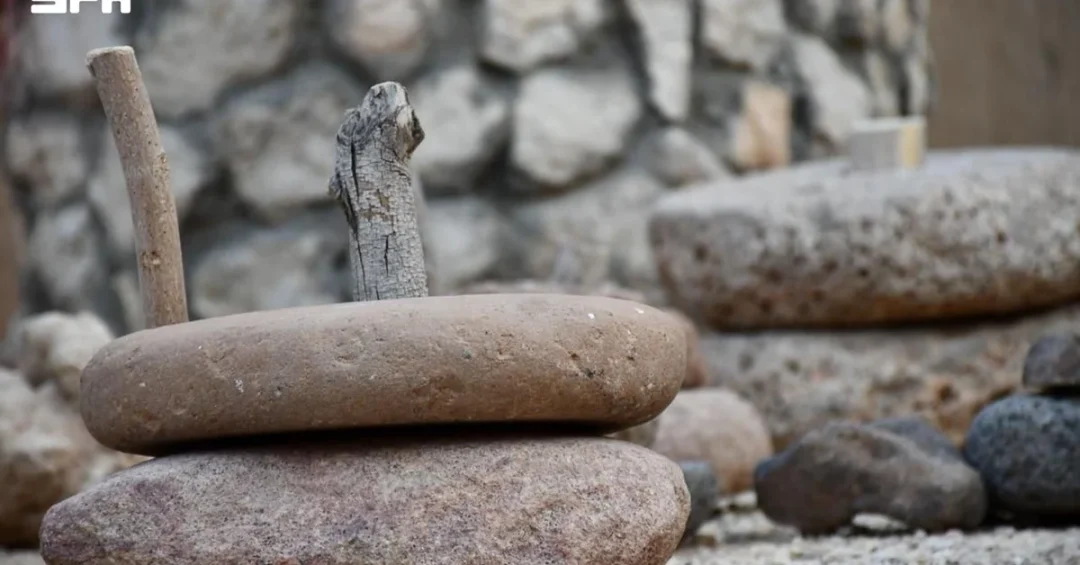
The museums of the Northern Borders Region are preserving the daily life, craftsmanship, and heritage of generations past, offering visitors in Arar, Rafha, and Turaif a vivid window into the area’s rich history, according to the Saudi Press Agency (SPA). These institutions bring to life the stories and traditions of earlier generations through collections of documents, artifacts, and heritage pieces that reflect the social, cultural, and economic character of the region.
Context and Background
The Northern Borders Region, located in the north of the Kingdom of Saudi Arabia, has long been a crossroads of trade, travel, and cultural exchange. Its museums have become essential custodians of this legacy, documenting the practical traditions and artisanal skills that sustained communities in Arar, Rafha, and Turaif. From tools used for coffee preparation, cooking, and food preservation to equipment for travel, hunting, and herding, the collections capture the ingenuity and resilience of daily life in earlier times. These museums serve as educational, cultural, and tourism hubs, allowing students and visitors to gain a deeper understanding of the region’s heritage.
Key Details
The collections feature a wide array of artifacts that illuminate traditional daily life. Visitors can see traditional clothing and adornments, examples of tailoring, palm-frond weaving, and metalworking, which showcase the craftsmanship and practical traditions of past generations. Protective armor and weaponry are also on display, alongside historical documents, photographs, and classic cars. Together, these items reflect the region’s social, cultural, and economic evolution. The museums not only preserve these treasures but also interpret them for modern audiences, ensuring that the stories of the past remain accessible and relevant.
Implications and Impact
By chronicling daily life in the Northern Borders Region, these museums contribute to a broader national effort to safeguard Saudi Arabia’s cultural heritage. They attract tourists and researchers, boosting local economies and fostering a sense of pride among residents. Moreover, they serve as vital educational resources, helping young Saudis connect with their roots and understand the values that shaped their communities. The museums also support the Kingdom’s goals of promoting cultural tourism and diversifying the economy, aligning with the objectives of Saudi Vision 2030.
Vision 2030 Alignment
The Northern Borders museums exemplify Saudi Arabia’s commitment to preserving and celebrating its cultural heritage as part of Vision 2030. By documenting the region’s history and making it accessible to the public, they contribute to the Quality of Life Program and the National Transformation Program, which aim to enhance cultural participation and tourism. As the Kingdom continues to invest in heritage initiatives, these museums will play a key role in showcasing Saudi Arabia’s rich history to the world and reinforcing its position as a leader in cultural preservation.
20 Questions
Q1. What is the main focus of the museums in the Northern Borders Region?
A1. The museums focus on preserving and showcasing the daily life, traditions, and heritage of past generations in Arar, Rafha, and Turaif through collections of artifacts, documents, and photographs.
Q2. Which cities in the Northern Borders Region have museums that chronicle daily life?
A2. The museums are located in Arar, Rafha, and Turaif, each offering unique insights into the region’s history and cultural practices.
Q3. What types of tools are displayed in these museums?
A3. The museums display tools used for coffee preparation, cooking, food preservation, travel, hunting, and herding, reflecting the practical skills of earlier generations.
Q4. What can visitors learn about traditional clothing from these museums?
A4. Visitors can see traditional clothing and adornments that highlight the region’s cultural identity and the craftsmanship involved in tailoring and textile production.
Q5. Are there examples of handicrafts in the museums?
A5. Yes, the museums feature examples of palm-frond weaving, metalworking, and tailoring, demonstrating the artisanal skills that were essential to daily life.
Q6. What role do these museums play in education?
A6. They serve as educational resources for students and visitors, providing a deeper understanding of the region’s history and traditions through guided tours and exhibits.
Q7. How do the museums contribute to tourism in the Northern Borders Region?
A7. By attracting tourists interested in cultural heritage, the museums boost local tourism and support the region’s economic development.
Q8. What kinds of historical documents are preserved in the museums?
A8. The museums preserve historical documents, photographs, and other archival materials that document the social, cultural, and economic life of the region.
Q9. Are there any classic cars on display?
A9. Yes, the museums feature classic cars as part of their collections, offering a glimpse into the region’s transportation history and modern heritage.
Q10. What is the significance of the protective armor and weaponry in the collections?
A10. The armor and weaponry reflect the region’s history of defense and conflict, showcasing the tools used by past generations for protection and survival.
Q11. How do the museums reflect the social character of the region?
A11. Through artifacts related to daily life, social gatherings, and cultural practices, the museums illustrate the social fabric and community values of the Northern Borders Region.
Q12. What economic activities are represented in the museum collections?
A12. The collections include tools and equipment related to herding, trade, and craftsmanship, highlighting the economic activities that sustained the region’s communities.
Q13. Can visitors see examples of traditional coffee preparation?
A13. Yes, the museums display tools used for coffee preparation, a central aspect of Saudi hospitality and social culture.
Q14. How do the museums preserve the region’s cultural heritage?
A14. By collecting, preserving, and interpreting artifacts and documents, the museums ensure that the region’s heritage is safeguarded for future generations.
Q15. What is the target audience for these museums?
A15. The museums cater to students, researchers, tourists, and the general public, offering educational and cultural experiences for all ages.
Q16. Are there interactive exhibits in the museums?
A16. While specific interactive features are not detailed, the museums are designed to engage visitors through informative displays and curated collections that bring history to life.
Q17. How do the museums support Saudi Vision 2030?
A17. They align with Vision 2030 by promoting cultural tourism, preserving heritage, and enhancing quality of life, contributing to the Kingdom’s economic diversification goals.
Q18. What makes the Northern Borders Region’s museums unique?
A18. Their focus on daily life and practical traditions, combined with a diverse collection of artifacts, offers a comprehensive and authentic view of the region’s history.
Q19. Are there plans to expand or develop these museums?
A19. As part of ongoing heritage initiatives, there may be future developments to enhance the museums’ offerings and accessibility, in line with national cultural strategies.
Q20. How can one visit these museums?
A20. Visitors can find information on opening hours and locations through local tourism authorities or the museums’ official channels, and plan their visit accordingly.
Reader Feedback
We value your thoughts. Please share your feedback on this article.
Your feedback helps us improve our coverage.