


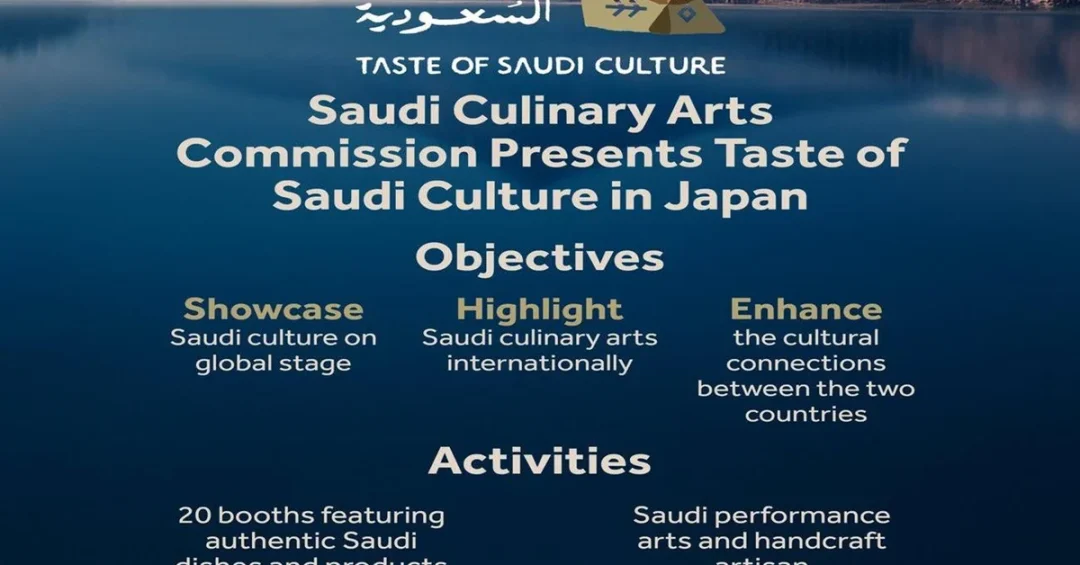
The Culinary Arts Commission of Saudi Arabia will host the “Taste of Saudi Culture” event in Tokyo, Japan, from November 8 to 10, 2024, showcasing the Kingdom’s rich and diverse culinary heritage to an international audience. The three-day cultural exhibition, announced via the Saudi Press Agency, will feature authentic Saudi dishes, traditional products, live performances, and a variety of immersive cultural activities designed to introduce Japanese and international visitors to the depth of Saudi gastronomy.
The event represents a significant milestone in Saudi Arabia’s ongoing efforts to share its cultural identity with the world, positioning Saudi culinary arts as a vital component of the Kingdom’s broader cultural diplomacy strategy. Have you ever considered how food serves as one of the most powerful ambassadors for a nation’s heritage? By bringing the flavors, aromas, and traditions of Saudi Arabia directly to the heart of Tokyo, the Culinary Arts Commission is creating a bridge between two distinct cultures that share a deep appreciation for hospitality, craftsmanship, and culinary excellence.
Context and Background
The Culinary Arts Commission, established under Saudi Arabia’s Ministry of Culture, has been at the forefront of a systematic effort to document, preserve, and promote the Kingdom’s diverse culinary traditions. Saudi Arabia’s gastronomy reflects centuries of trade routes, regional diversity, and Bedouin heritage, resulting in a cuisine that varies significantly from the coastal dishes of the Red Sea to the mountain specialties of Asir and the desert traditions of the Najd region. Is it not remarkable that a single nation can encompass such extraordinary culinary diversity across its thirteen regions?
The “Taste of Saudi Culture” event in Tokyo follows a series of successful international cultural initiatives undertaken by the Commission, including participation in global food festivals and cultural expos in Europe, North America, and Asia. These efforts align with the Commission’s mandate to elevate Saudi culinary arts to international recognition while creating economic opportunities for Saudi chefs, food producers, and culinary entrepreneurs. The Commission has previously organized similar events in Paris, London, and Seoul, each designed to present an authentic and nuanced portrayal of Saudi food culture.
Japan was selected as the host country for this particular edition due to the strong cultural ties between the two nations and Japan’s sophisticated appreciation for culinary craftsmanship. Japanese cuisine, recognized by UNESCO as Intangible Cultural Heritage, shares with Saudi cuisine a profound respect for seasonal ingredients, traditional preparation methods, and the social significance of shared meals. Would you agree that nations with rich culinary traditions naturally find common ground through the universal language of food?
Key Details of the Tokyo Event
The “Taste of Saudi Culture” event will transform a prominent Tokyo venue into a vibrant celebration of Saudi gastronomy, featuring dedicated booths where visitors can sample authentic dishes prepared by Saudi chefs. These culinary stations will present regional specialties including Kabsa, the beloved spiced rice dish that serves as Saudi Arabia’s national dish; Jareesh, a hearty cracked wheat preparation; Saleeg, a creamy rice dish from the western region; and Mutabbaq, a savory stuffed pastry popular throughout the Kingdom. Each dish will be accompanied by explanations of its cultural significance, traditional preparation methods, and regional origins.
Beyond the culinary offerings, the event will include live performances that showcase Saudi musical and artistic traditions, creating a multi-sensory experience that contextualizes the food within the broader cultural landscape. Artisans will demonstrate traditional crafts, and cultural ambassadors will guide visitors through the historical narratives that have shaped Saudi Arabia’s culinary evolution. The Commission has emphasized that these performances and activities are designed to present an authentic representation of Saudi culture, avoiding stereotypes and highlighting the sophistication and diversity of the Kingdom’s heritage.
The event will also feature booths presenting Saudi products, including premium dates, saffron, spices, and traditional coffee blends. Saudi coffee, known as Qahwa, holds particular cultural significance and was inscribed on UNESCO’s Representative List of the Intangible Cultural Heritage of Humanity in 2022. Visitors will have the opportunity to experience the traditional Saudi coffee ceremony, learning about the rituals and etiquette that accompany this cherished beverage. Can you imagine the impression that such authentic cultural experiences can create in the minds of international audiences?
International and Regional Impact
The “Taste of Saudi Culture” event in Tokyo represents a strategic investment in Saudi Arabia’s cultural diplomacy and soft power projection. By presenting its culinary heritage in Japan, one of the world’s most influential cultural markets, the Kingdom is signaling its commitment to international engagement and cross-cultural exchange. This initiative contributes to the broader narrative of Saudi Arabia as a modern, open, and culturally rich nation that welcomes global connection while celebrating its authentic identity.
For Japan, the event offers an opportunity to deepen its understanding of Middle Eastern culture and to strengthen bilateral relations that extend beyond economic and diplomatic spheres. Japanese audiences have demonstrated growing interest in international cuisines, and the Saudi culinary tradition offers distinctive flavors and techniques that complement rather than compete with Japan’s own rich gastronomic landscape. How might such cultural exchanges influence the broader relationship between Saudi Arabia and Japan in the years ahead?
The regional impact extends beyond the immediate event, as successful cultural initiatives in Japan can generate interest from other Asian markets, potentially leading to similar events in South Korea, Singapore, and China. The Commission’s international strategy appears designed to create a sustained presence in key global markets, building recognition and appreciation for Saudi culture over time rather than through isolated engagements.
Economic and Strategic Significance
The promotion of Saudi culinary arts internationally carries significant economic implications, particularly for the Kingdom’s food and beverage sector, tourism industry, and small and medium enterprises. By creating global awareness of Saudi cuisine, the Commission is opening pathways for Saudi restaurants to expand internationally, for food products to reach new export markets, and for culinary tourism to attract visitors to the Kingdom. Saudi Arabia’s food and beverage sector has experienced substantial growth, with increasing numbers of restaurants, culinary schools, and food production facilities contributing to economic diversification.
The strategic significance of culinary diplomacy extends to Saudi Arabia’s broader tourism objectives. As the Kingdom develops its tourism infrastructure under Vision 2030, culinary experiences will play an increasingly important role in attracting international visitors. The Saudi Tourism Authority has identified gastronomy as a key tourism pillar, recognizing that food experiences rank among the most memorable and shareable aspects of international travel. Would you not agree that a nation’s cuisine offers one of the most accessible and enjoyable entry points for cultural understanding?
Furthermore, the event in Tokyo creates opportunities for Saudi culinary professionals to build international networks, learn from Japanese culinary traditions, and establish partnerships that can enhance the Kingdom’s food sector. The exchange of knowledge and techniques between Saudi and Japanese chefs represents a form of cultural diplomacy that yields tangible economic and professional benefits.
Vision 2030 Alignment
The “Taste of Saudi Culture” event in Tokyo exemplifies the objectives of Saudi Vision 2030, the Kingdom’s comprehensive transformation strategy launched by Crown Prince Mohammed bin Salman. Vision 2030 emphasizes the importance of cultural preservation, international engagement, and economic diversification, all of which are directly advanced through this culinary initiative. The Culinary Arts Commission’s work represents a specific manifestation of the vision’s cultural pillar, which seeks to celebrate Saudi heritage while sharing it with the world.
Vision 2030 recognizes that a nation’s cultural assets are not merely treasures to be preserved but resources to be leveraged for economic and diplomatic benefit. The Commission’s international activities contribute to the vision’s goals of increasing non-oil revenues, attracting international visitors, and enhancing Saudi Arabia’s global standing. As the Kingdom continues its remarkable transformation, initiatives like the Tokyo event demonstrate how cultural pride and international openness can coexist and reinforce each other.
The “Taste of Saudi Culture” event ultimately represents more than a culinary exhibition; it is a statement of Saudi Arabia’s confidence in its heritage, its commitment to global engagement, and its vision for a future in which Saudi culture takes its rightful place on the world stage. Through the universal language of food, the Kingdom is building bridges of understanding that will support its broader international objectives for generations to come.
20 Questions
Q1. What is the “Taste of Saudi Culture” event?
A1. The “Taste of Saudi Culture” event is a three-day cultural exhibition hosted by the Culinary Arts Commission of Saudi Arabia in Tokyo, Japan, from November 8 to 10, 2024, designed to showcase Saudi Arabia’s rich and diverse culinary heritage to an international audience.
Q2. Which Saudi organization is hosting this event?
A2. The event is hosted by the Culinary Arts Commission, a specialized entity operating under Saudi Arabia’s Ministry of Culture, which is responsible for documenting, preserving, and promoting the Kingdom’s diverse culinary traditions both domestically and internationally.
Q3. Why was Tokyo, Japan selected as the host city?
A3. Tokyo was selected due to Japan’s sophisticated culinary culture, strong cultural ties with Saudi Arabia, and its position as an influential global market. Japanese cuisine shares with Saudi cuisine a deep respect for traditional preparation methods and the social significance of shared meals.
Q4. What types of activities will be featured at the event?
A4. The event will feature booths presenting authentic Saudi dishes and products, live cultural performances, traditional craft demonstrations, and various interactive activities designed to provide visitors with a comprehensive and immersive cultural experience.
Q5. Which traditional Saudi dishes will be showcased in Tokyo?
A5. The event will showcase regional Saudi specialties including Kabsa (spiced rice), Jareesh (cracked wheat preparation), Saleeg (creamy rice dish), and Mutabbaq (savory stuffed pastry), each accompanied by explanations of their cultural significance and traditional preparation methods.
Q6. How does this event support Saudi Arabia’s cultural diplomacy?
A6. The event represents a strategic investment in Saudi Arabia’s soft power projection, presenting the Kingdom as a modern, open, and culturally rich nation while building international understanding and appreciation for Saudi heritage through the universal language of food.
Q7. What is the significance of Saudi coffee at this event?
A7. Saudi coffee, known as Qahwa, holds profound cultural significance and was inscribed on UNESCO’s Representative List of the Intangible Cultural Heritage of Humanity in 2022. Visitors will experience the traditional Saudi coffee ceremony and learn about its rituals and etiquette.
Q8. How does this event align with Saudi Vision 2030?
A8. The event exemplifies Vision 2030’s cultural pillar by celebrating Saudi heritage internationally, contributing to economic diversification goals, enhancing Saudi Arabia’s global standing, and supporting the vision’s objectives of increasing non-oil revenues and attracting international visitors.
Q9. What economic benefits can result from this culinary initiative?
A9. The initiative can open pathways for Saudi restaurants to expand internationally, create new export markets for Saudi food products, attract culinary tourism to the Kingdom, and generate professional networking opportunities for Saudi chefs and food producers.
Q10. What Saudi products will be presented at the event?
A10. The event will feature booths presenting premium Saudi products including high-quality dates, saffron, traditional spices, and Saudi coffee blends, allowing international audiences to experience authentic Saudi flavors and craftsmanship.
Q11. How does Saudi cuisine reflect the Kingdom’s regional diversity?
A11. Saudi cuisine varies significantly across the Kingdom’s thirteen regions, from coastal Red Sea dishes to mountain specialties of Asir and desert traditions of Najd, reflecting centuries of trade routes, regional diversity, and Bedouin heritage.
Q12. What previous international culinary events has the Commission organized?
A12. The Culinary Arts Commission has previously organized or participated in similar cultural events in Paris, London, and Seoul, building a sustained international presence designed to create recognition and appreciation for Saudi culinary arts over time.
Q13. How does Japan benefit from hosting this Saudi cultural event?
A13. Japan benefits by deepening its understanding of Middle Eastern culture, strengthening bilateral relations beyond economic spheres, and offering Japanese audiences the opportunity to experience distinctive Saudi flavors and culinary techniques that complement Japan’s own gastronomic landscape.
Q14. What role does food play in Saudi Arabia’s tourism strategy?
A14. The Saudi Tourism Authority has identified gastronomy as a key tourism pillar, recognizing that food experiences rank among the most memorable aspects of international travel and serve as accessible entry points for cultural understanding and visitor engagement.
Q15. How does the event represent authentic Saudi culture?
A15. The Commission has emphasized that performances and activities are designed to present an authentic representation of Saudi culture, avoiding stereotypes while highlighting the sophistication, diversity, and historical depth of the Kingdom’s culinary and artistic heritage.
Q16. What opportunities does the event create for Saudi culinary professionals?
A16. The event creates opportunities for Saudi chefs to build international networks, learn from Japanese culinary traditions, establish partnerships, and exchange knowledge and techniques that can enhance the Kingdom’s food and beverage sector.
Q17. How long will the “Taste of Saudi Culture” event run?
A17. The event will run for three days, from November 8 to 10, 2024, providing ample opportunity for Tokyo residents and international visitors to experience Saudi culinary culture through multiple visits and comprehensive engagement.
Q18. What is the broader significance of culinary diplomacy?
A18. Culinary diplomacy uses food as an accessible and enjoyable entry point for cultural understanding, building bridges between nations through shared appreciation of flavors, traditions, and hospitality practices that transcend language and geographical barriers.
Q19. How might this event influence future Saudi cultural initiatives in Asia?
A19. Successful cultural initiatives in Japan can generate interest from other Asian markets, potentially leading to similar events in South Korea, Singapore, and China, creating a sustained Saudi cultural presence across the region.
Q20. What message does this event convey about Saudi Arabia’s global role?
A20. The event conveys that Saudi Arabia is confident in its heritage, committed to global engagement, and actively building bridges of understanding through cultural exchange, signaling the Kingdom’s readiness to share its culture on the world stage.
Reader Feedback
We value your thoughts. Please share your feedback on this article.
Your feedback helps us improve our coverage.
Related articles
 A Taste of Filipino Culture at Riyadh Season 2024
 Saudi Falcons Club Auction: Shaheen Falcon Sells for SAR400,000
 Saudi Falcon Auction Sees Record SAR400,000 Peregrine Sale
 King Saud University Theater Team Wins Awards in Cairo
 Al-Baha Café Explores King Salman Charter’s Impact on Society
 Four Falcons Sold for SAR485,000 at Saudi Falcons Club Auction