


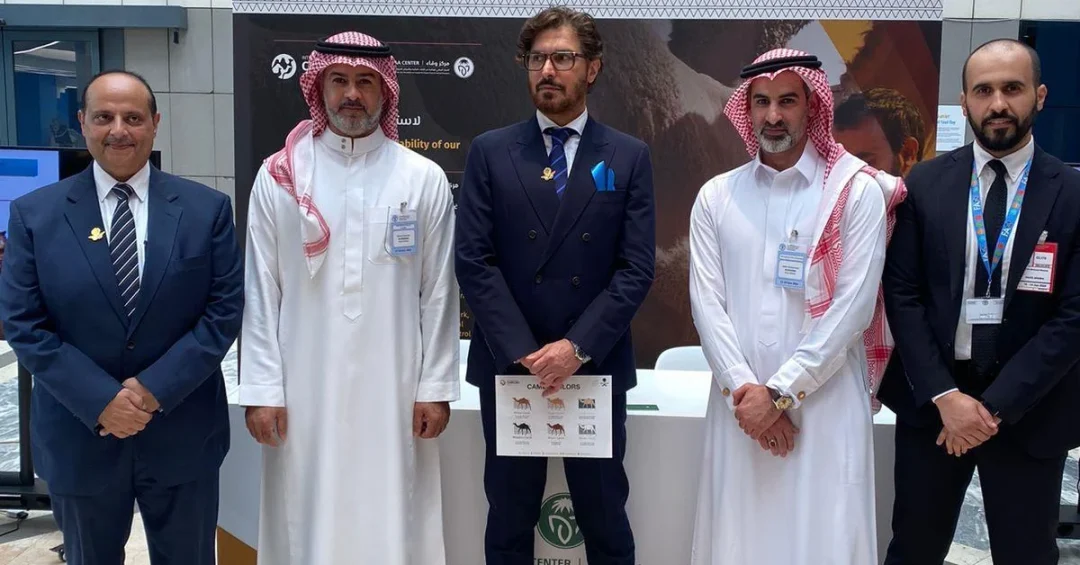
The National Center for the Prevention and Control of Plant Pests and Animal Diseases (Weqaa) has participated in the International Year of Camelids Exhibition, hosted by Saudi Arabia in Rome from June 10 to 14, 2024, according to the Saudi Press Agency (SPA). The exhibition, held on the sidelines of the UN Food and Agriculture Organization (FAO) General Assembly, marked the United Nations-declared International Year of Camelids and showcased the evolution of the camelid sector in the Kingdom.
Context and Background
The International Year of Camelids 2024, recognized by the United Nations, underscores the vital role of camels, alpacas, llamas, and other camelid species in global food security, economic development, and cultural heritage. Saudi Arabia, with its deep-rooted camel traditions and one of the largest camelid populations in the world, is leveraging this global platform to highlight its commitment to preserving this heritage while advancing modern animal health practices. The exhibition in Rome provided an international stage for the Kingdom to demonstrate its scientific and operational progress in the sector, reinforcing its status as a global leader in sustainable animal agriculture.
The participation of Saudi Arabia comes at a time when the world is increasingly focusing on the resilience of livestock to climate change and the role of camelids in arid environments. By aligning with the FAO’s goals, the Kingdom is not only protecting its national assets but also contributing to global knowledge-sharing and collaborative solutions for sustainable development.
Key Details
Weqaa, the Saudi center tasked with preventing and controlling plant pests and animal diseases, presented a comprehensive overview of the camelid sector’s evolution in the Kingdom. The delegation highlighted specific government efforts to safeguard camel health, which include conducting systematic animal disease surveys, promoting best practices in camel breeding, and strengthening biosecurity at facilities that process camel products such as milk and meat. The center also supports the availability of high-quality veterinary treatments and preventive measures, while educating breeders on effective disease prevention methods.
Collaboration remains a cornerstone of Weqaa’s strategy. The center works with academic and research institutions both domestically and internationally to advance camel health science. This includes research on infectious diseases and the development of advanced diagnostics and vaccines. The exhibition allowed Saudi scientists to engage with global peers, exchange knowledge, and present innovative solutions that ensure camel products are free from pathogens, thereby ensuring the well-being of both animals and consumers.
Implications and Impact
The Kingdom’s active participation in the International Year of Camelids Exhibition carries significant regional and international implications. From a regional perspective, it strengthens Saudi Arabia’s position as a hub for agricultural innovation and animal health in the Middle East, promoting the adoption of best practices across the Gulf Cooperation Council countries. Globally, it highlights the importance of camelids in achieving food security in arid and semi-arid areas, particularly as climate change reduces the viability of traditional livestock farming.
The exhibition also served as a platform for diplomatic and cultural exchange. By participating in the FAO General Assembly sidelines, Saudi Arabia underscored its commitment to international cooperation, one of the pillars of Vision 2030. The Kingdom’s focus on camel health directly contributes to the global One Health approach, as defined by the WHO, which aims to balance and optimize the health of people, animals, and ecosystems sustainably. This initiative helps address cross-border disease threats and promotes sustainable development goals.
Vision 2030 Alignment
Saudi Arabia’s involvement in the International Year of Camelids Exhibition is a clear reflection of the Kingdom’s commitment to Vision 2030, particularly its goals of achieving sustainable animal production and enhancing agricultural innovation. Weqaa’s efforts, focused on preserving the health of camelids and fostering a science-based approach to livestock management, directly support the Vision’s aim to diversify the economy and ensure environmental sustainability. By integrating heritage with modern technology, the Kingdom is paving the way for a resilient and future-ready agricultural sector.
This participation not only brings the vision closer but also strengthens Saudi Arabia’s position as a global partner in tackling food security challenges. The Kingdom will continue to invest in research, innovation, and international collaboration, ensuring that its camelids remain a vital source of livelihood and pride for generations to come.
20 Questions
Q1. What is the International Year of Camelids?
A1. The International Year of Camelids is a United Nations initiative for 2024, officially designated to recognize the importance of camelids—including camels, llamas, alpacas, and vicunas—in contributing to food security, cultural identity, and sustainable development worldwide. The declaration highlights their role in ecosystems and livelihoods of many communities.
Q2. Where is the International Year of Camelids Exhibition being held?
A2. The exhibition is taking place in Rome, Italy, from June 10 to 14, 2024. It is hosted on the sidelines of the UN Food and Agriculture Organization (FAO) General Assembly, providing a focused venue for showcasing the camelid sector and fostering international dialogue.
Q3. Which Saudi entity participated in the exhibition?
A3. The National Center for the Prevention and Control of Plant Pests and Animal Diseases, known as Weqaa, represented the Kingdom of Saudi Arabia at the exhibition. This center is dedicated to safeguarding plant and animal health and is crucial to the country’s food security strategy.
Q4. What is the main focus of Saudi Arabia’s participation?
A4. Saudi Arabia’s participation emphasized the evolution of its camelid sector, highlighting government efforts to protect camel health, promote sustainable breeding practices, and strengthen biosecurity. The goal is to preserve the country’s heritage while advancing modern veterinary and research capabilities.
Q5. What role does Weqaa play in camel health?
A5. Weqaa plays a leading role in preventing and combatting animal diseases, including those affecting camelids. It conducts disease surveillance, implements biosecurity measures, ensures the availability of veterinary treatments, and educates breeders on disease prevention, thus protecting the camel population.
Q6. How does Saudi Arabia ensure the safety of camel products?
A6. Saudi Arabia ensures the safety of camel products through stringent biosecurity measures at processing facilities, regular health inspections, and implementing quality control protocols. Weqaa also ensures that all camel-derived items are free from pathogens, thereby guaranteeing safety for consumers.
Q7. What does the One Health approach mean in this context?
A7. The One Health approach, as recognized by the World Health Organization, integrates the health of people, animals, and ecosystems. In this context, Saudi Arabia’s work in camel health aligns with One Health, ensuring that the well-being of animals, people, and the environment are interlinked and managed sustainably.
Q8. How does this exhibition align with Saudi Vision 2030?
A8. The exhibition aligns with Vision 2030’s goals of promoting sustainable animal production and enhancing food security. By participating, Saudi Arabia demonstrates its commitment to innovative agricultural practices and international cooperation, which are central to diversifying the economy and achieving environmental sustainability.
Q9. What are the key initiatives presented by Weqaa?
A9. Weqaa presented initiatives such as conducting regular animal disease surveys, promoting best practices in camel breeding, strengthening biosecurity in camel production facilities, and providing high-quality veterinary medicines and vaccines. They also emphasized educational programs for breeders on disease prevention.
Q10. Why is the International Year of Camelids important globally?
A10. The year is important because camelids are vital to livelihoods in many arid regions, providing food, fiber, and transportation. They are resilient to harsh climates, and their sustainable management contributes to food security, poverty reduction, and climate change mitigation. The declaration boosts awareness and international research efforts.
Q11. How does Saudi Arabia foster international research on camelids?
A11. Saudi Arabia actively collaborates with academic and research institutions globally. Weqaa works with domestic and international partners to advance camel health research, share data, and conduct joint studies, which significantly contribute to the global body of knowledge on camelids.
Q12. What is the significance of hosting the exhibition in Rome?
A12. Rome, as the headquarters of the FAO, offers a global platform for the exhibition. Holding it there, in conjunction with the FAO General Assembly, allows Saudi Arabia to reach a wide audience of policymakers, scientists, and international delegates, thereby enhancing the reach and impact of its initiatives.
Q13. How does Weqaa educate camel breeders?
A13. Weqaa educates breeders through targeted training programs and workshops that cover disease prevention, best practices in husbandry, and proper use of veterinary products. These initiatives aim to increase the knowledge of breeders and support sustainable practices, thereby improving camel health outcomes.
Q14. What are the key biosecurity measures for camel facilities?
A14. Biosecurity measures include controlling movement of animals, quarantining new or sick animals, disinfecting facilities, and ensuring proper waste disposal. Weqaa promotes these measures to minimize the risk of disease transmission, protecting both animal health and the productivity of camel farms.
Q15. What is the significance of the International Year for Saudi culture?
A15. Camelids are a central symbol of Saudi culture and heritage. Participating in this international celebration underscores the Kingdom’s pride in its cultural traditions, while also demonstrating how it harmonizes heritage with modern sustainable development approaches under Vision 2030.
Q16. How does the Kingdom’s research contribute to global One Health?
A16. Saudi Arabia’s research helps to detect and control diseases that can spread between animals and humans, thus aligning with the One Health model. By sharing findings and best practices, Saudi scientists and initiatives contribute to global strategies to mitigate health risks, benefiting both humans and animals.
Q17. What are the key outcomes of the exhibition for Saudi Arabia?
A17. The exhibition allowed Saudi Arabia to demonstrate leadership in the animal health sector, strengthen its global partnerships, and promote its Vision 2030 goals. It also provided the Kingdom to communicate its progress and to engage in fruitful dialogue with international stakeholders, paving the way for future cooperation.
Q18. What other countries participated in the exhibition?
A18. While specific countries are not named in the release, the event attracted participants from various FAO member states, as part of the General Assembly’s sidelines. Saudi Arabia’s presence reflects a collective global commitment to safeguarding camelids and promoting sustainable agricultural practices.
Q19. How does Weqaa’s work impact camel breeding practices?
A19. Weqaa’s work influences breeding practices by introducing best practices and health guidelines that breeders adopt. Through education and supportive initiatives, the center encourages sustainable and scientific breeding that enhances both animal welfare and productivity, aligning with modern agricultural standards.
Q20. What is the future outlook for Saudi camelid sector?
A20. The future looks promising, as the Kingdom continues to invest in research, technology, and sustainable practices. By aligning with Vision 2030 and international frameworks, the camelid sector is poised for growth, securing its role in the national economy and heritage for the future.
Reader Feedback
We value your thoughts. Please share your feedback on this article.
Your feedback helps us improve our coverage.